The symbiotic relationship between music and video games, once a nascent concept, has blossomed into a multi-billion dollar industry in its own right. From the groundbreaking integration of electronic music in the mid-90s to today’s sophisticated collaborations, video games have evolved from mere entertainment platforms to powerful conduits for musical discovery, artist promotion, and cultural exchange. This evolution is driven by a sophisticated ecosystem of audio directors, music supervisors, and A&R professionals who meticulously curate sonic landscapes, shaping player experiences and forging new pathways for musicians to reach global audiences.
The genesis of this trend can be traced back to 1995, when Sony’s PlayStation, in a stroke of prescient marketing for its futuristic racing simulator Wipeout, licensed a selection of seminal UK electronica tracks. The pulsating beats of Leftfield, Orbital, and The Chemical Brothers provided the perfect auditory backdrop for players hurtling through neon-drenched alien racetracks. This wasn’t just background noise; it was a carefully crafted fusion of gameplay and genre that resonated deeply with a generation already immersed in club culture. The game’s critical acclaim and commercial success were inextricably linked to its innovative soundtrack, spawning dedicated CD and vinyl releases and setting a precedent for future installments to feature titans like The Prodigy, Paul Van Dyk, and Sasha. Wipeout‘s soundtrack didn’t just complement the game; it defined its identity, cementing its association with the vibrant mid-90s British dance music scene. While not the first game to feature licensed music, Wipeout established a new benchmark for the strategic integration of popular music, demonstrating its profound potential to elevate a gaming experience.
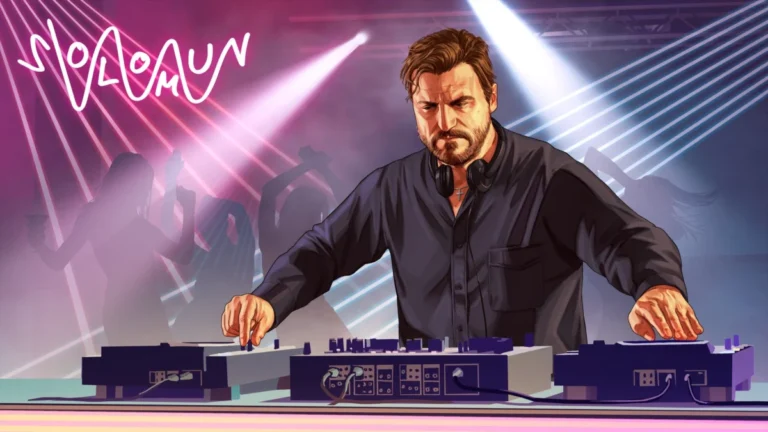
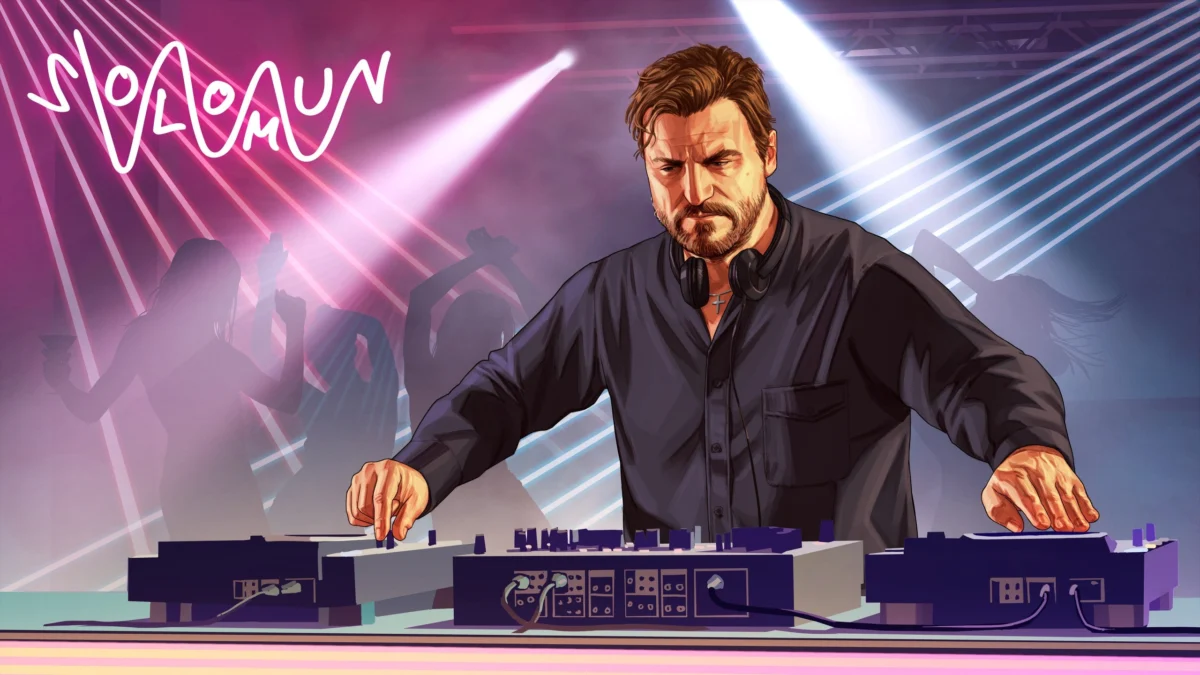
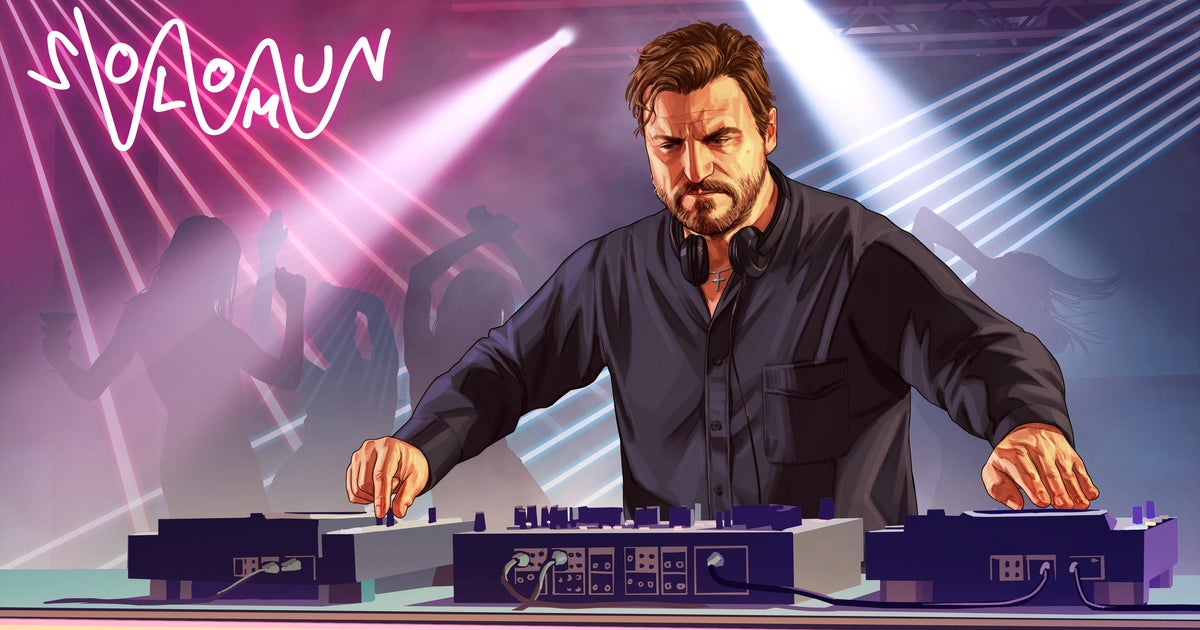
Fast forward two and a half decades, and the art of synchronizing music with interactive media has transformed into a highly specialized and lucrative field. The gaming industry, now a dominant force in global entertainment, employs dedicated teams of music professionals. These audio directors, music supervisors, and A&R experts are tasked with the complex challenge of selecting and integrating music that not only fits the game’s aesthetic and narrative but also appeals to its target demographic. The application of this curated music varies widely: it might form the backbone of in-game radio stations, as famously seen in the Grand Theft Auto and Watch Dogs franchises, or be meticulously edited and remixed for promotional materials such as launch trailers and marketing campaigns.
The Pandemic’s Catalyst: Games as a New Venue for Artists
The global disruption caused by the COVID-19 pandemic, which brought live music performances to a standstill for extended periods, significantly accelerated the migration of artists and labels towards video games as a vital promotional and revenue-generating platform. With concert halls and festival grounds temporarily silenced, musicians, their managers, agents, and record labels actively sought new avenues to connect with existing fanbases and cultivate new ones. This pivot has highlighted the growing importance of games as a primary channel for music discovery and artist development, especially for emerging talent. However, navigating the intricate landscape of music synchronization – the process of integrating music with visual media – often involves complex negotiations and behind-the-scenes decision-making, making it a challenging space for artists to penetrate.
The Architects of Sound: Who Decides What We Hear in Games?
The decision-making process for music selection within the video game industry is multifaceted, often depending on the scale and resources of the development studio. Larger studios typically maintain in-house teams comprising experienced music supervisors and A&R specialists. These teams collaborate closely with record labels to identify and secure the rights to music that aligns with the game’s vision. For studios with fewer in-house resources, external music consultancy firms, such as Feel for Music, play a crucial role. These consultancies assist in music discovery, licensing negotiations, and ensuring that the chosen tracks meet specific project briefs.
Ben Sumner, Director at Feel For Music, elaborates on the diversity of these briefs: "Most people like music, but some are huge music fans from the off, and that often dictates at what point in the project we come in. Larger games will have audio directors, brand directors, and game directors, all of which will have strong ideas on the sound they want to achieve with the game. Sometimes we come in and we’re just fine-tuning what’s already there. Other times, people don’t know what they want at all." Sumner emphasizes the importance of objectivity in their role. "A big part of our role is objectivity, because people’s music tastes are so subjective. It’s about trying to bring in that objectivity to show how music appeals to certain audiences, how it fits with the game, and the cultural cachet that brings in with the whole branding."
Alex Hackford, Head of A&R at Sony Interactive Entertainment America, notes that the exponential growth of the video game industry has significantly eased the process of demonstrating the value of music collaborations to record labels, publishers, and artist managers. "The ease of access of having front-end conversations with labels and publishers about what the value of video game involvement… that bar has lowered because people have seen the impact of it. The ability for us to have more buy-in from partners in projects is getting a lot easier." He cites successful integrations like the four original tracks released simultaneously for Marvel’s Spider-Man: Miles Morales, which were featured in-game, on digital service providers, and as physical releases, complete with gameplay-centric music videos. Similar integrated approaches were employed for Death Stranding in partnership with RMCA, indicating a growing trend towards more comprehensive music-game synergy.
Unlocking the Gate: Strategies for Music Discovery
For artists aspiring to have their music featured in video games, the path to discovery is not a singular, easily defined route. Duncan Smith, Head of Music at Sony Interactive Entertainment Europe, explains that "Every game has different criteria, so it depends on what the game is trying to say and what kind of music it requires: is it gonna benefit from having a contemporary tracklist with big artists on there, or will it benefit looking at more obscure bands that can enhance the experience?"
With an overwhelming volume of music available to music supervisors, a proactive approach is essential. Music supervisors are not passive recipients of submissions; they actively seek out new talent. Therefore, ensuring an artist’s music is widely accessible across all major streaming platforms – including Spotify, Apple Music, Deezer, Google Play, and YouTube – significantly increases the chances of discovery.

Stephen Root, Vice President of Development Creative Services at Codemasters, highlights the utility of platforms like Spotify. "I do use Spotify a lot because it’s nice and easy to use while also having a great interface. When we were working on our soundtrack for Dirt 5 at the time, Spotify was an easy way to build a playlist and share it around with the key people in the company."
This broad accessibility can lead to unexpected opportunities. Jim Hodge, vocalist for the metal band Mastiff, recounts how his band was approached out of the blue by CD Projekt Red, leading to their track "Acid Breather" being included in the highly anticipated Cyberpunk 2077. "We honestly thought it was a wind-up until we started speaking to them properly," Hodge admitted. "They wanted an unreleased track, and we’d literally just been in the studio the month before to record. At the time, we were out of contract, which made it much easier to release the track. Having a track on one of the biggest games ever released is absolutely nuts, and hearing our music in the game still freaks us out."
While being signed to a major record label can offer advantages through dedicated A&R efforts to place music, it is not a prerequisite for game inclusion. Independent artists and those on smaller labels have ample opportunities. Stephen Root regularly attends specialized listening sessions with record labels, offering him a window into emerging artists and their future plans. "I spend most of my time working on who’s up and coming," he states. "Figuring out which artists these labels are investing their time into and why they think are going to be really successful artists."
However, the emphasis remains on the music’s suitability for the game. Duncan Smith clarifies, "One of the reasons I love this job is that, most of the time, we’re looking for music that enhances the experience of the game or scene. Most of the time, it doesn’t matter how many hits, streams or views that artist has had. The priority is to find music that enhances that experience, makes it compelling, and connects with the player. So in that sense, you don’t have to be on a major label."
Tom Mackay, President of Premium Content A&R at Sony, echoes this sentiment, asserting that "Good music is good music." While acknowledging a predisposition to feature artists from Sony Music’s roster, he stresses the importance of artistic merit over label affiliation. "Is there a predisposed goal to predominantly put Sony Music artists into our projects? Of course there is. But would I be shortsighted and at the same time potentially shackling the game or project by only considering Sony artists? Of course I would be. It’s a careful balance. If an amazing record came in that was perfect for the game and everybody loved it, we would never stand in the way of that."

Cultivating a Unique Sound: The Importance of Artistic Identity
From a composer’s perspective, Joe Henson of the musical composition duo The Flight emphasizes the critical role of artistic originality. "Don’t just try and do what other people do because they already do that. Don’t just try and do epic, orchestral music because everybody does that. If you have a unique instrument, use that instrument." This sentiment is mirrored by Duncan Smith, who believes that artists with a distinctive sound are more likely to make a lasting impression. "Develop your own sound and have a strong identity. Don’t chase the tail of whatever is popular in games or in music sync. Stick to the fundamentals of developing your own identity, and then make the effort to try and get in touch with the likes of myself and Alex. Find out what we’re working on, try and develop a relationship, and if you make the effort it will cut through." This approach fosters long-term relationships, potentially leading to future collaborations across various genres.
Navigating the Pitch: Making the Right Approach
Successfully getting an artist’s music into a video game requires a strategic approach to communication. Understanding the target game and its specific musical needs is paramount. Franchises like the NBA 2K series often lean towards hip-hop and rap, while narrative-driven games like Life is Strange tend to feature indie and folk artists. Tom Mackay advises, "You want there to be a seamless creative bond of connectivity between the artist and what they represent — what they sound like, what they look like and what they feel like, and how that fits with the game itself. You spend an immense amount of time with the director or the game developer to understand their vision, and then you meticulously start working through bands from all over the world to try to find those that will fit."
Researching relevant contacts is crucial. This can involve scrutinizing game credits for audio and music teams, or leveraging professional networking platforms like LinkedIn to identify music supervisors and audio directors. Information from launch trailer descriptions on YouTube can also reveal key personnel.
For artists seeking representation or assistance, discussing aspirations with management or agents is recommended. Stephen Root encourages artists to communicate their interest in gaming to their representatives, who can then proactively seek out suitable opportunities. In cases where management may lack experience in this niche, engaging a sync representative – a professional dedicated to securing music placements in media – is a viable option. Duncan Smith highlights the value of sync reps, particularly for artists without established label or publisher connections, stating, "It’s important to make the effort to find out what we’re working on, and I think that’s where third-party sync reps can help. Especially because it’s difficult to keep up to speed with what music supervisors are working on and develop that relationship."
When making formal pitches, tailoring the approach to the specific contact is vital. Alex Hackford stresses the importance of referencing games or franchises the recipient has directly worked on, rather than generic examples. "If you have a formal pitch, make sure you know who you’re pitching to and you’re referencing games that they’re working on, rather than referencing cross-platform products that aren’t gonna be as relevant to their work." Duncan Smith concurs, adding that personalized efforts stand out against mass, unaddressed emails. "Trying to develop a relationship and make the effort will always cut through — especially compared to some of the emails that we get where people have 50 different supervisors on one email and just hit send, without making the effort to find out what we’re working on."

Ben Sumner of Feel For Music receives a substantial volume of daily submissions, estimating between 200 and 250 emails. He advises persistence and focus. "It might be hard for us to check out your music, but if you’re persistent, focused, and understand the places where your music might fit, that’s a great starting point. Most people that get in touch with us, we’ll give them a chance. If someone drops me an email and it gets missed but sends me a follow-up, I’ll make sure it gets checked." This tenacity was instrumental in Sufjan Stevens’ music being featured in the Life is Strange spin-off, The Amazing Adventures of Captain Spirit.
Furthermore, artists must ensure their music is available in various file formats. For trailer usage, access to "stems" – isolated instrument tracks – is essential for editors. Ben Sumner explains, "Having your music in the right formats is really important. Do you have the instrumental version and do you have the vocals? We’re always going to need stems. If I put something into a trailer I have to rework it." Similarly, presenting music in structures suitable for trailers or in-game placement, such as intro-verse-chorus-verse-chorus structures for trailers, can be advantageous.
The games industry can be particularly challenging to penetrate. Joe Henson of The Flight notes the inherent secrecy due to Non-Disclosure Agreements (NDAs), making it difficult to ascertain upcoming projects until initial meetings. However, for annual franchises like FIFA or Call of Duty, artists can work backward from release schedules, as Alex Hackford explains, "Eight to ten months pre-release is when we’re working on music; when we’re in that pitching process and actively working on music for a game." This offers a strategic window for artists to align their music releases with game development cycles, potentially even debuting unreleased tracks.
Navigating the Business of Licensing
Licensing music involves navigating complex ownership structures. Artists and labels must clearly understand who holds the rights to their music to avoid complications during the negotiation process. Alex Hackford recounts a situation where a desired track had to be rejected due to unresolved ownership queries, underscoring the importance of clarity from the outset.
Beyond the music itself, artists and their representatives are encouraged to explore additional avenues for collaboration. This could involve integrating album artwork into game assets, participating in cross-promotional social media campaigns, or even creating music videos utilizing in-game footage, as demonstrated by the band Broken Witt Rebels for Dirt 5. Stephen Root emphasizes the value of proactive engagement: "I love it if a manager says, the fee is whatever, but what else can you do for my artist… Always ask yourself ‘what else is out there’ and if you can you do any cross-promotion."

Budgetary considerations are also central to music licensing. Stephen Root outlines a tiered fee structure for Dirt 5, catering to up-and-coming artists, those in the middle ground, and established acts. This flexible approach allows for a diverse soundtrack that balances emerging talent with well-known artists.
While direct royalty payments for individual track placements are less common now compared to the early days of franchises like Grand Theft Auto, where such arrangements proved lucrative, fixed-rate licensing fees are now the industry standard. However, some exceptions exist, particularly with certain European performance rights organizations and in the mobile gaming sector, where royalty-based deals might still be negotiated, especially for games with modest upfront budgets.
Duncan Smith advocates for realistic expectations, emphasizing that building long-term relationships through positive collaboration and a willingness to provide necessary assets can lead to repeat business and sustained opportunities, rather than merely a one-off fee.
The Enduring Impact: Music as a Game Changer
The influence of music placement in video games can be transformative for artists. The iconic placement of Goldfinger’s "Superman" in Tony Hawk’s Pro Skater propelled it to become the band’s most successful song. More recently, independent artist Lecrae experienced a significant surge in streaming numbers following the inclusion of two original tracks in Marvel’s Spider-Man: Miles Morales. Alex Hackford noted, "He [Lecrae] is an independent artist at this stage, so that jump in audience and reach from having access to a game like Spider-Man: Miles Morales is substantial."
The COVID-19 pandemic has further underscored the symbiotic relationship between the gaming and music industries. Events like GTA Online‘s massive December DLC update featuring 250 new tracks, or collaborations between artists like Katy Perry and Post Malone with The Pokémon Company, exemplify this growing convergence. Tom Mackay posits that "The gaming industry will play a larger and larger role in the overall way in which the music industry thinks, operates and strategizes every day going forward. I think the reasons for that is because of A), the effectiveness in the marketplace when you get it right, and B), the natural joy and excitement it brings to both the artists and fans." He concludes that these gaming platforms are rapidly becoming the "new water cooler," serving as crucial meeting places for cultural exchange, particularly for younger generations. The synergy between interactive entertainment and auditory artistry continues to evolve, promising even deeper integration and novel opportunities for both creators and consumers.
About the Author