The mobile gaming landscape is undergoing a significant transformation as high-fidelity PC and console titles continue to migrate toward handheld platforms, a trend underscored by the latest wave of global releases and strategic announcements. This week’s developments highlight a concentrated effort by major hardware manufacturers and software publishers to bridge the gap between traditional gaming environments and mobile accessibility. From the arrival of critically acclaimed indie darlings to the expansion of massive space exploration epics, the industry is witnessing a diversification of the mobile marketplace that prioritizes technical parity and varied monetization models.
High-Fidelity Transitions and Apple Indie Games Week
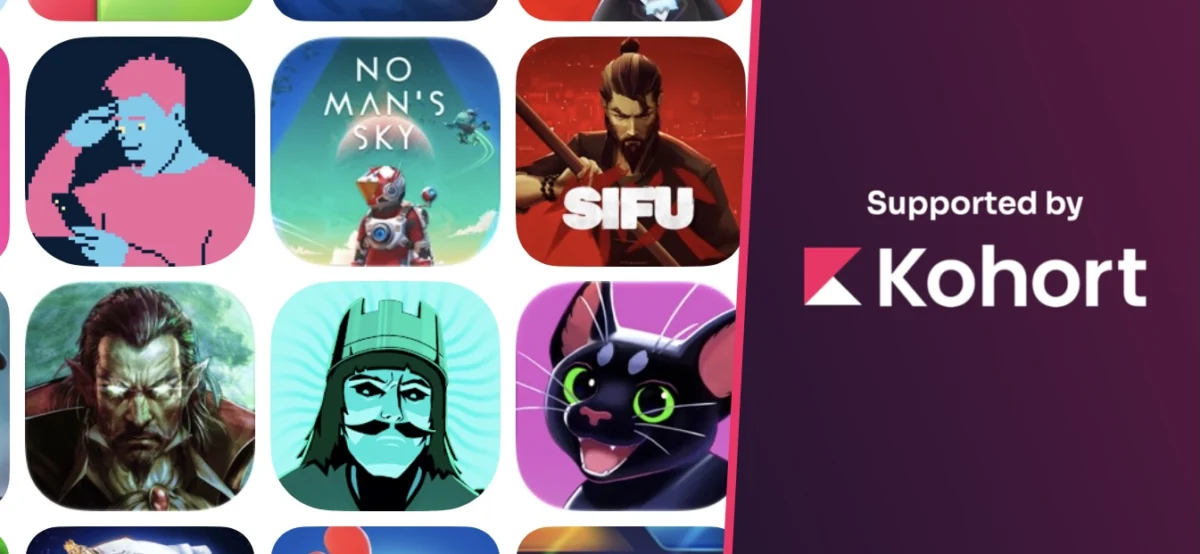
A central pillar of this week’s news is the activity surrounding Apple’s Indie Games Week, a promotional period designed to showcase the technical capabilities of the iPhone and iPad when paired with sophisticated independent titles. Leading this charge is Hello Games’ No Man’s Sky, which is scheduled for its mobile debut on October 28. Originally launched in 2016, No Man’s Sky has evolved into one of the most comprehensive space exploration and survival simulators in the industry. Its transition to iOS represents a significant technical milestone, as the mobile version is confirmed to include every major content expansion released to date, including the most recent "Cosmos" update.
To lower the barrier to entry while maintaining a premium positioning, Hello Games has adopted a "free to try" model. Players can experience the initial stages of the procedurally generated universe at no cost, with a $19.99 one-time purchase required to unlock the full scope of the game. This strategy reflects a broader industry shift toward hybrid monetization, allowing users to verify performance on their specific hardware before committing to a full purchase.
Joining the indie showcase is Little Kitty, Big City from Double Dagger Studio. After finding success on Xbox, Nintendo Switch, and PC earlier this year, the open-world adventure game has launched on iOS. The title, which emphasizes non-linear exploration and environmental interaction from the perspective of a lost kitten, fits the "cosy gaming" trend that has seen explosive growth on mobile platforms. Similarly, Noodlecake has brought Brave At Night’s kingdom management sequel, Yes, Your Grace 2: Snowfall, to iOS and Android. The game tasks players with making difficult moral and logistical choices to sustain a crumbling empire, further diversifying the narrative-heavy offerings available to mobile users.
Award-Winning Strategy and Roguelike Expansion
The strategy and roguelike genres continue to dominate the mobile porting pipeline, driven by their inherent suitability for touch interfaces. Titanium Court, developed by AP Thomson and published by Fellow Traveller, is set to arrive on iOS and Android on October 29. The game, which blends match-3 mechanics with tower defense elements, arrives with significant critical momentum, having secured both the Seumas McNally Grand Prize and the Excellence in Design award at the most recent Independent Games Festival (IGF) Awards.
Titanium Court’s journey from its April PC debut to a multi-platform mobile and console launch (including PS5 and the upcoming Nintendo Switch 2) illustrates the accelerating lifecycle of successful indie titles. Priced at $6.99 globally, it represents a premium alternative to the ad-supported match-3 games that historically saturated the mobile market.
In the roguelike sector, 9 Kings—a kingdom builder from Hooded Horse and Sad Socket—launched on October 12. The title arrives on mobile with a proven track record, having sold over one million copies during its early access phase on PC. Playdigious, the publisher handling the mobile port, has implemented a free-to-try model with a $9.99 full game unlock. Notably, the Android version utilizes Google Play Games to enable cross-platform progress, allowing players to synchronize their save data between mobile devices and PC. This level of ecosystem integration is becoming a standard expectation for premium mobile ports.
Furthermore, Raw Fury and bippinbits have released the roguelite survival miner Dome Keeper on mobile. Since its 2022 PC debut, Dome Keeper has been praised for its rhythmic gameplay loop of resource gathering and base defense. Its arrival on iOS and Android signifies the continued demand for "bite-sized" session-based gameplay that offers the depth typically associated with desktop experiences.
Technical Innovations and Combat Mechanics
Action-oriented titles are also making strides in the mobile space, with Sloclap’s kung fu brawler Sifu launching on iOS and Android on October 12. Sifu is renowned for its high difficulty and unique aging mechanic, where the protagonist grows older and more powerful but less resilient with each death. To accommodate the transition from controllers to glass screens, the mobile version features custom touch controls and a completely reworked camera system. These adjustments are critical for a game that relies on precise timing and directional inputs, demonstrating the level of bespoke engineering required for successful high-action ports.
In the card-battler subgenre, Poncle, the studio famous for the viral hit Vampire Survivors, has launched Vampire Crawlers. This gothic-themed deck builder arrived on mobile on October 12, following its release on PC and consoles. As part of Apple’s Indie Games Week, the game aims to capitalize on the "one more turn" appeal that has made mobile a natural home for card-based strategy.
Regional Developments and Future Pipelines
While many releases focus on the immediate market, several major publishers are laying the groundwork for long-term projects and regional tests. Bandai Namco has announced Gundam Blitz Order, an idle game set within the iconic Gundam universe. The game will feature mobile suit team-building, naval warfare elements, and both PvE and PvP modes. A limited network test is scheduled for selected regions from November 18 to 24, with a strict application deadline of October 26. This phased approach to testing highlights the complexities of balancing multiplayer idle games before a full global rollout.
Nuverse, the gaming division of ByteDance, has initiated a soft launch for Totopia World in Germany. Detected by market intelligence platform Appmagic on October 13, the title is a free-to-play party platformer. Interestingly, Nuverse has set a long-term horizon for the project, with a full global launch targeted for the second quarter of 2027. This extended development cycle suggests an ambitious scope for the project, which is also slated for iOS, PC, PS5, and Xbox Series X|S.
In the RPG sector, Manjuu—the developer behind the successful Azur Lane—has announced an English open beta for Azur Promilia. Scheduled for summer 2027, the beta will utilize dedicated US servers. The game has already generated significant interest, surpassing 20 million global pre-registrations. Azur Promilia combines creature-bonding mechanics with farming, crafting, and real-time combat, positioning it as a competitor in the increasingly crowded open-world RPG space currently led by titles like Genshin Impact.
Niche Markets and Specialized Applications
The mobile platform continues to serve specialized interests and regional gaming cultures. In Japan, Bandai Namco released a free teaching app for its Battle Spirits card game. The application is designed to onboard new players into the game’s "Standard" format through interactive tutorials and practice matches. This use of mobile technology as a secondary "educational" tool for physical hobby games remains a prominent strategy for major toy and game manufacturers.
Konami has also targeted the Japanese market with the release of Pachislot Sengoku Collection 6. Launched on October 13, this premium simulator replicates the experience of Konami’s physical slot machines. Such simulators maintain a steady following in Japan, where digital versions of popular arcade and gambling machines allow fans to practice or enjoy the mechanics without visiting physical venues.
Finally, the "cosy" puzzle genre received a new entry with Walk The Frog. Developed by German indie studio Bright Gambit, the game features a hand-drawn aesthetic and focuses on relaxed, timer-free puzzle solving. After a PC release, it transitioned to Switch, iOS, and Android on October 14, reinforcing the trend of small-scale indie games seeking broad reach through multi-platform availability.
Broader Industry Implications
The current trajectory of mobile gaming indicates a maturing market where the distinction between "mobile games" and "games on mobile" is blurring. The influx of titles like No Man’s Sky and Sifu suggests that the mobile audience is increasingly viewed as a viable market for complex, premium experiences that were once the exclusive domain of consoles and high-end PCs.
The prevalence of cross-platform save synchronization, as seen in Replaced (slated for a December 8 Android release via Google Play Games), indicates that publishers are moving toward a "buy once, play anywhere" philosophy. This strategy not only increases the value proposition for the consumer but also ensures higher player retention across different hardware ecosystems. As mobile hardware continues to advance—particularly with the integration of desktop-class processors in tablets and smartphones—the industry can expect an even greater volume of sophisticated ports and simultaneous multi-platform launches in the coming years.
About the Author