Philanthropist and tech entrepreneur Jeff Atwood, known for co-founding Stack Overflow and the popular blog Coding Horror, has announced a significant expansion of his "Share the American Dream" initiative, committing an additional $50 million towards a long-term effort focused on establishing a Rural Guaranteed Minimum Income Initiative (RGMII). This substantial pledge, representing half of his remaining personal wealth, is earmarked to address systemic poverty by providing direct cash transfers to families in underserved rural communities across the United States. The announcement marks a pivotal moment in Atwood’s philanthropic journey, which began earnestly after the 2021 acquisition of Stack Overflow, prompting a profound reevaluation of wealth and societal responsibility.
A Year of Reflection and Action: The "Share the American Dream" Pledge
One year prior, in January 2025, Atwood launched his ambitious "Share the American Dream" pledge, an invitation to fellow Americans to engage in a two-pronged approach to philanthropy. The first component called for immediate support to organizations effectively aiding those most in need across America. The second, more forward-looking aspect, challenged individuals to contribute public dedications of time or funds within five years towards longer-term efforts designed to preserve and enhance the American Dream for future generations.
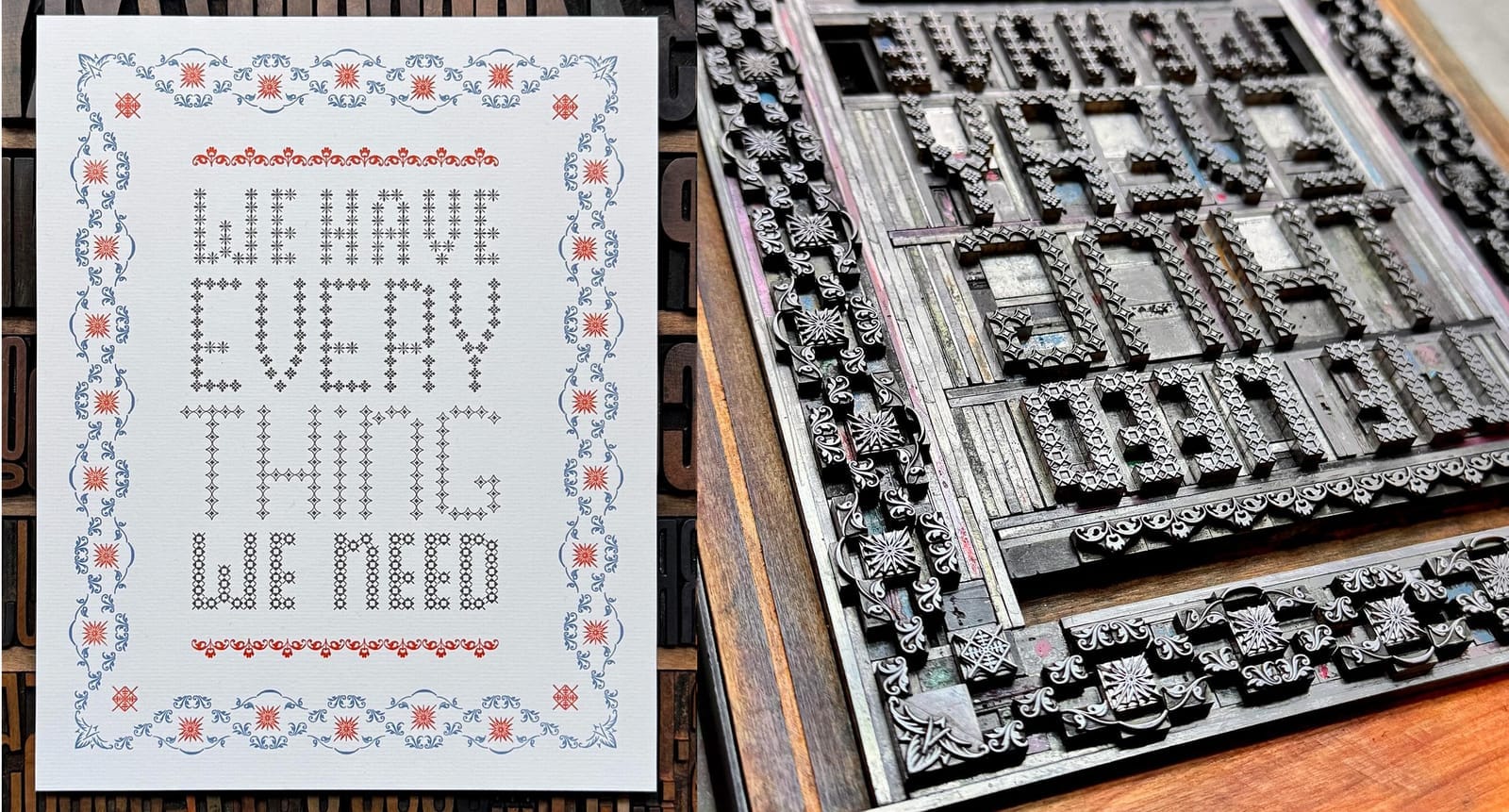
Atwood’s commitment to this vision is deeply rooted in the philosophy articulated by Mary Gates: "From those to whom much is given, much is expected." This ten-word maxim, delivered within the specific context of profound privilege, has profoundly influenced his family’s philanthropic strategy. His partner, Betsy Atwood, eloquently summarized their motivation on a recent podcast, stating, "We have everything we need! That’s how I’ve always phrased it to [our children]. That, I think, extends [to our philanthropy]. We have everything we need; how do we make sure everybody has what they need?" This fundamental question, exploring the true meaning of "enough" since the 2021 financial milestone, has guided their family’s dedication to ensuring basic necessities—a comfortable home, sufficient food, and healthcare—are accessible to all.
From Immediate Relief to Systemic Change: A Chronology of Giving

The initial phase of the "Share the American Dream" pledge saw rapid deployment of funds to address urgent needs. Beyond an initial $1 million distributed among eight nonprofit charities in January 2025, the Atwoods swiftly recognized the escalating urgency of immediate societal challenges. Within a few months, an additional $13 million was donated, bringing their total immediate contributions to $21 million. These funds provided critical support to various organizations working on the front lines of poverty, hunger, and healthcare access.
However, the Atwoods quickly realized that a purely reactive approach, while necessary, was unsustainable. As Jeff Atwood noted, "you can’t take a completely short term view and fight each individual fire reactively, as it comes. You’ll never stop firefighting." This realization underscored the necessity of tackling root causes and implementing proactive measures to prevent future crises. This led to the second, longer-term component of their pledge: a $50 million commitment, representing half of their remaining wealth, dedicated to addressing the underlying, systemic issues that erode the American Dream.
The Genesis of the Rural Guaranteed Minimum Income Initiative (RGMII)
In "Stay Gold, America," Atwood had initially proposed speculative ideas for this long-term investment, including the concept of founding a modern think tank akin to the RAND Corporation or Lever for Change. The goal was to empower "the best and brightest to determine a realistic, achievable path toward preserving the American Dream for everyone." By March 2025, a consensus emerged, crystallizing around a specific, impactful solution: Guaranteed Minimum Income (GMI).
The Atwoods’ decision to champion GMI over the more broadly discussed Universal Basic Income (UBI) stems from a nuanced understanding of poverty alleviation. While UBI typically involves providing a baseline income to all citizens regardless of their economic status, GMI strategically directs financial resources to those who demonstrably need it most, with a particular focus on families experiencing generational poverty. This targeted approach aims to maximize the impact of every dollar, ensuring it directly supports individuals and families struggling to meet basic needs.
Why GMI? Building on What Works

The rationale behind GMI is supported by a growing body of evidence from pilot programs and academic studies globally. Research consistently indicates that direct cash transfers empower recipients to address their most pressing needs, leading to improvements in financial stability, food security, housing stability, and mental health. The flexibility of unrestricted funds allows individuals to allocate resources according to their unique circumstances, whether it’s paying for essential utilities, unexpected medical bills, car repairs necessary for employment, or nutritious food.
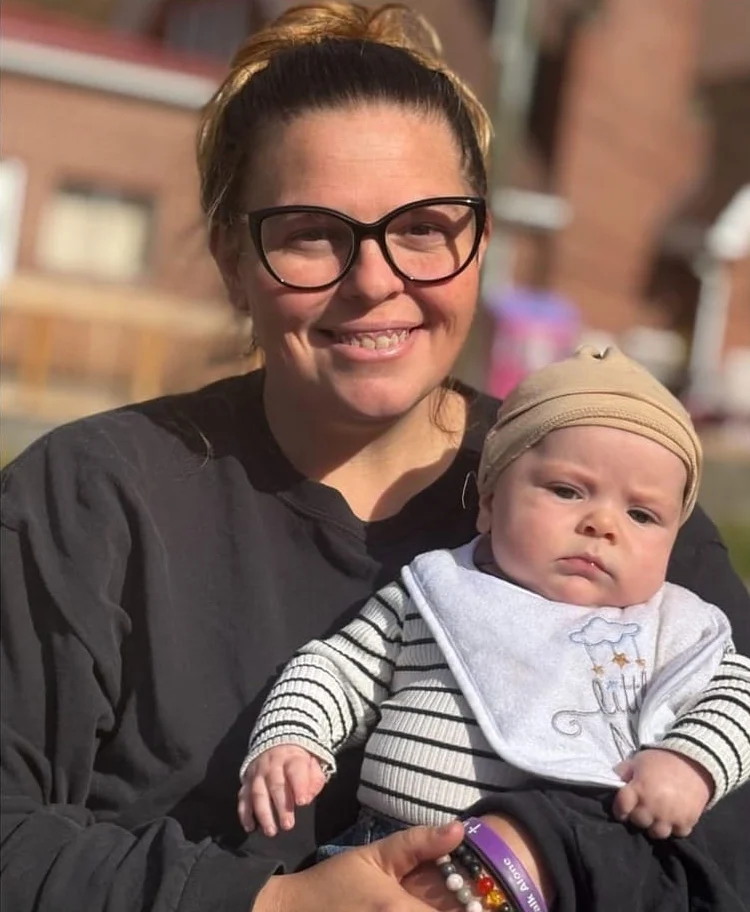
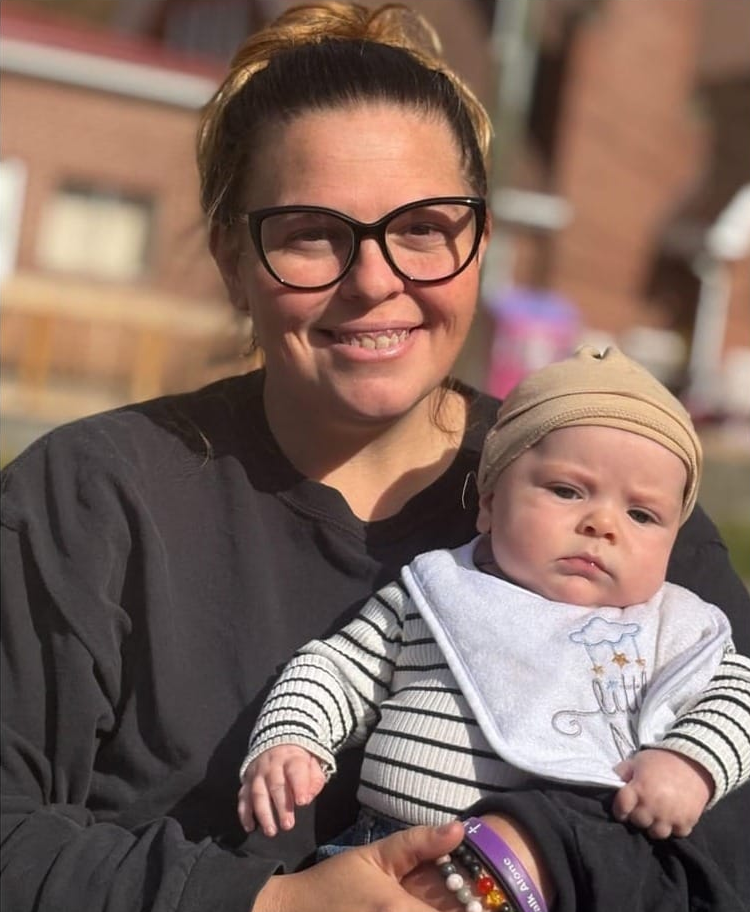
The personal narrative of Stacy D., a recipient in West Virginia participating in a GMI program, powerfully illustrates the immediate and profound impact of such support. Facing the compounded challenges of a high-risk pregnancy, a broken-down family vehicle, and the absence of a local support network, Stacy’s story highlights the precarious balance many families in poverty navigate daily. Her testimony – "The day I got cleared to go back to work, my vehicle broke down… This is going to… it’s going to do a lot!" – underscores how GMI can serve as a critical lifeline, enabling individuals to overcome immediate obstacles and regain self-sufficiency. This direct impact on real lives resonated deeply with the Atwoods’ mission to ensure everyone has what they need.
Focusing on Rural America: A Strategic Imperative

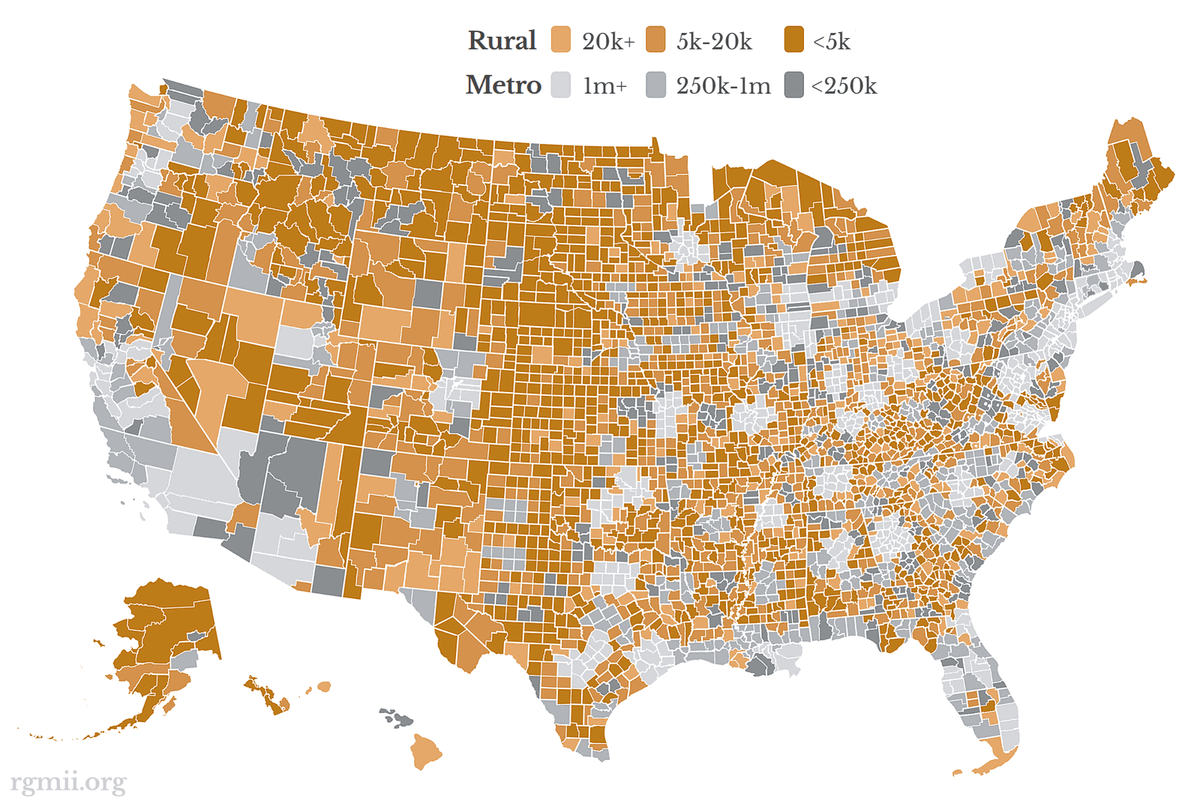
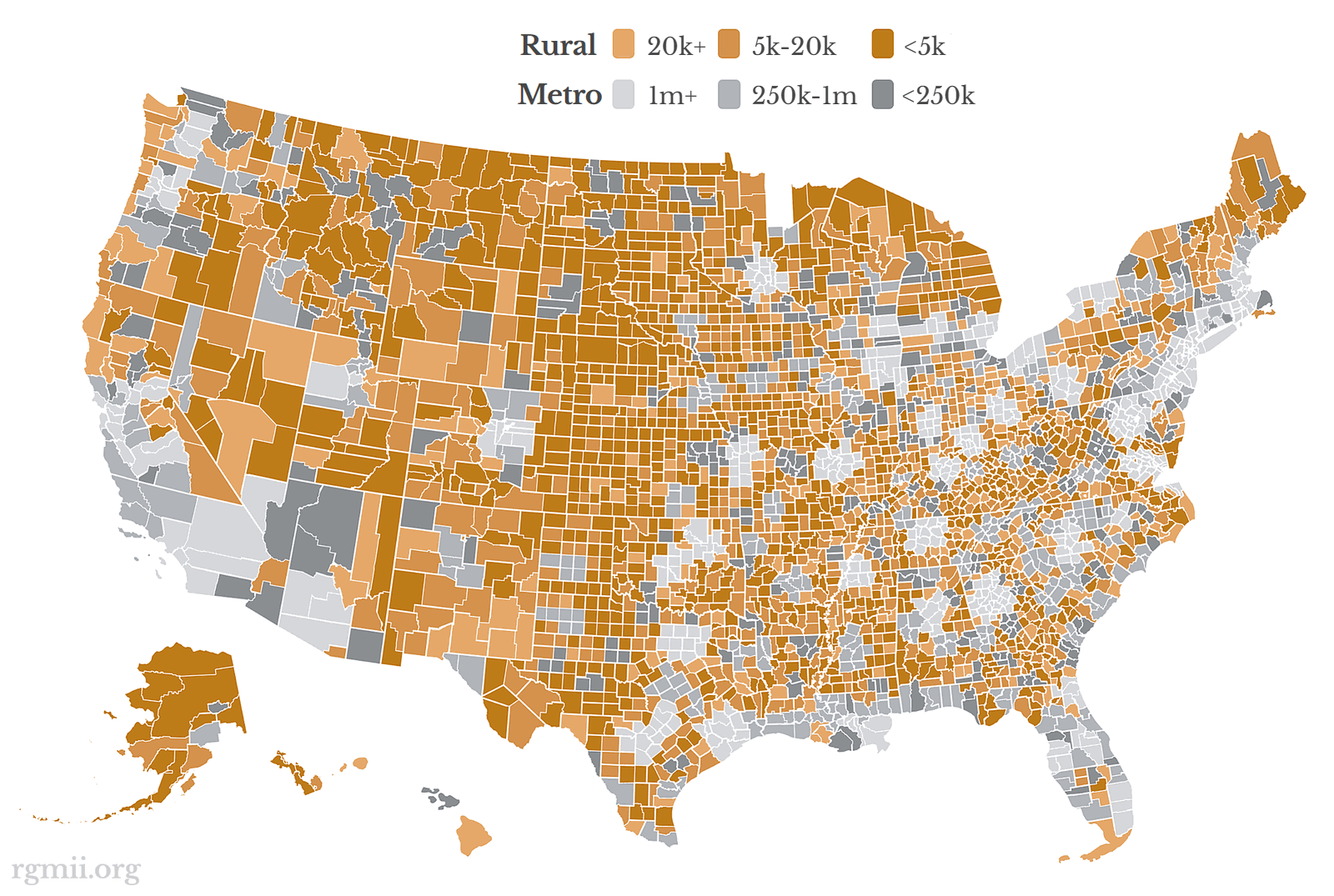
The RGMII’s specific focus on rural counties is a deliberate and strategic choice. Jeff Atwood noted that in these areas, "dollars go a lot further, poverty is more prevalent, and populations are smaller for tighter studies." Rural communities are often overlooked in national philanthropic and policy discussions, despite facing unique challenges such as limited access to healthcare, education, and economic opportunities. Atwood’s personal connection to rural America, having grown up there, further reinforces his belief in the "incredible untapped talent" residing in these regions.
Poverty in rural areas presents distinct characteristics. While urban poverty often manifests as concentrated disadvantage, rural poverty can be more dispersed, making it harder to target with traditional interventions. Factors such as agricultural decline, lack of infrastructure, limited broadband access, and brain drain contribute to persistent economic hardship. By concentrating GMI efforts in these areas, the RGMII aims to generate highly relevant data and demonstrate the efficacy of direct cash transfers in contexts where traditional aid models may fall short. The smaller populations in these counties also allow for more controlled studies, yielding valuable data on GMI’s effects on local economies, employment, health outcomes, and community well-being.
Initial Programs and Future Ambitions
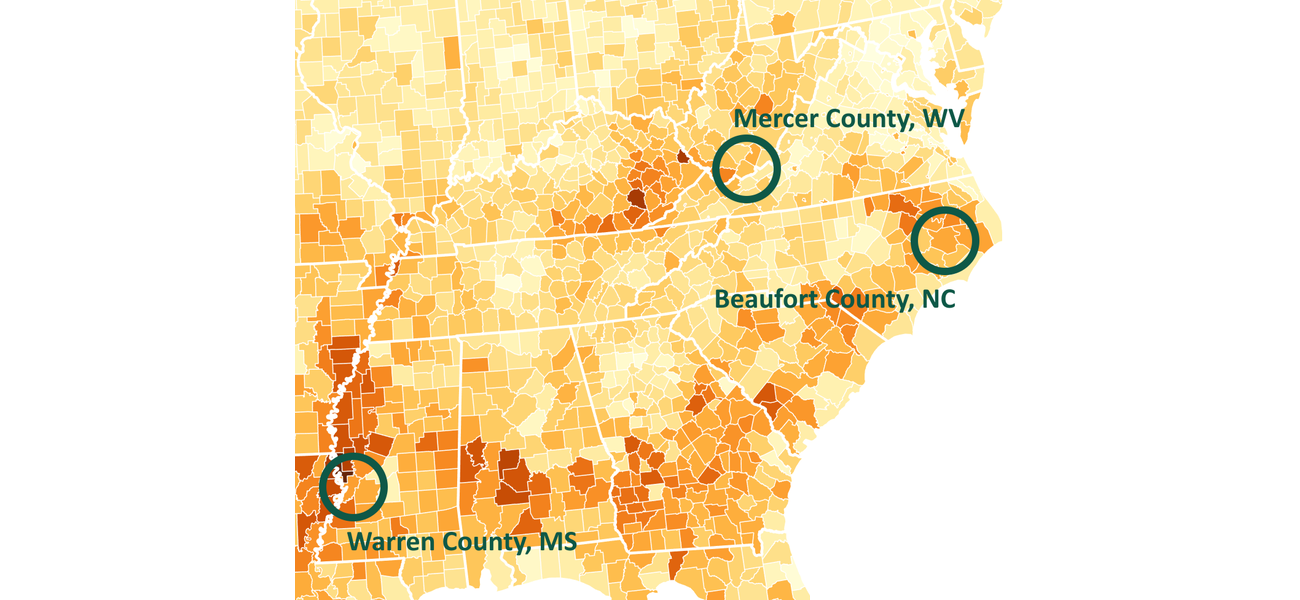
The RGMII has already launched three county-level programs in Mercer, West Virginia; Beaufort, North Carolina; and Warren, Mississippi. These initiatives are designed to lift thousands of people out of poverty over a period of 16 months, providing them with a guaranteed minimum income. A crucial aspect of these programs is the commitment to sharing data and results transparently with the world, fostering a collective learning environment for future policy development and philanthropic endeavors. These initial sites serve as vital laboratories, demonstrating the practical implementation and real-world effects of GMI in diverse rural settings.
While these three counties represent a strong start, the RGMII’s ambition extends far beyond. The ultimate goal is to expand the initiative to all 50 states over time, progressively scaling the impact and gathering a comprehensive dataset that can inform national policy. This expansion will involve careful selection of additional rural counties, ensuring a broad representation of different geographic, economic, and demographic conditions to produce robust and generalizable findings.
The Broader Implications of GMI and Philanthropic Innovation
Atwood’s substantial commitment to GMI positions the RGMII at the forefront of a growing movement advocating for direct cash transfers as a powerful tool for poverty alleviation. The concept of a guaranteed income has a surprising and rich history in American discourse, with proponents ranging from Thomas Paine in the 18th century to Dr. Martin Luther King Jr. in the 20th century. President Richard Nixon even proposed a Family Assistance Plan in the late 1960s that would have provided a guaranteed income to families.
In contemporary times, renewed interest in GMI/UBI has been fueled by concerns about automation’s impact on employment, widening economic inequality, and the economic shocks exacerbated by events like the COVID-19 pandemic. Numerous pilot programs in cities like Stockton, California, and various initiatives worldwide have provided compelling evidence of GMI’s positive effects, often debunking common misconceptions about recipients misusing funds or reducing work effort. Instead, studies frequently show improvements in financial stability, health, educational outcomes for children, and local economic activity.
The RGMII’s focus on open data and rigorous analysis aligns with best practices in evidence-based policy-making. By transparently sharing results, the initiative aims to contribute significantly to the academic and policy debate surrounding GMI, providing concrete, localized data from a demographic often underrepresented in such studies. This approach seeks to move beyond theoretical discussions to demonstrate practical, measurable outcomes, influencing public opinion and legislative action.
A Call for Collective Action and a Legacy of Love
Jeff Atwood views the RGMII as his "third and final startup," a testament to his profound belief in its potential. Unlike traditional foundations that might pursue a broad range of philanthropic activities, the Atwoods’ singular focus is on advancing the concept of direct cash transfer. He firmly believes that "simply giving money to those most in need is perhaps the most radical act of love we can take on." This commitment is not merely an act of charity but a strategic investment in human dignity and societal well-being, grounded in the conviction that "all the data I can find shows us that it works."
The RGMII extends an open invitation to everyone to participate in this transformative journey. Individuals can contribute by sharing study results, educating themselves and others about the history and mechanics of GMI, and engaging with their elected representatives. Many people remain unaware of GMI or harbor misconceptions, making public education a crucial component of advocacy.
For those "to whom much is given" and who possess the capacity to make a significant impact, the RGMII encourages sponsorship of county-scale GMI studies. Such contributions are vital to expanding the initiative’s reach and accelerating its progress towards covering all 50 states. By joining forces, donors and advocates can collectively advance scientific understanding of poverty alleviation and help lift thousands more people out of financial distress.
Atwood’s journey from a successful tech entrepreneur to a dedicated philanthropist underscores a powerful message: "Dreams, like happiness, are only real when shared." His commitment to the "path of love," however challenging and lifelong it may be, represents a profound choice to leverage personal success for collective good. Through the Rural Guaranteed Minimum Income Initiative, the Atwoods are not merely donating funds; they are investing in a future where the American Dream is genuinely attainable for all, built on a foundation of shared prosperity and opportunity. This initiative, articulated at staygold.us, embodies a vision of a more equitable and compassionate society.
About the Author