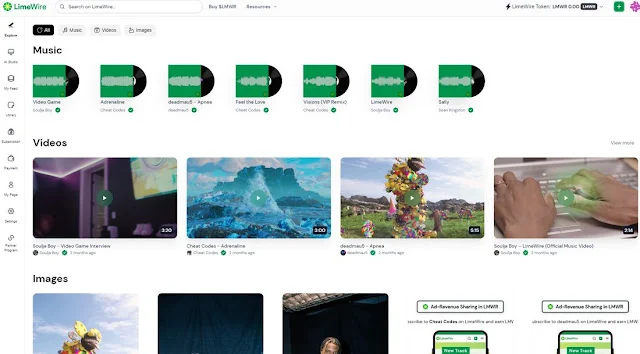
LimeWire, a name that once conjured images of digital anarchy and copyright battles in the early 2000s, has undergone a radical metamorphosis. The platform has shed its controversial past to re-emerge as a sophisticated, creator-centric AI content publishing platform. This evolution marks a significant pivot, positioning LimeWire at the forefront of the rapidly expanding generative AI landscape, offering artists, musicians, and content creators a novel ecosystem to produce, share, and monetize their digital creations. The revamped LimeWire is not merely a tool for generating AI art; it’s a comprehensive studio designed to empower creators with ownership, revenue streams, and direct engagement with their audience, all within a blockchain-integrated framework.
From Digital Piracy to Decentralized Creativity: A Brief History
The original LimeWire, launched in 2000, became synonymous with peer-to-peer file sharing, facilitating the widespread distribution of music, software, and movies. Its ease of use and the sheer volume of accessible content made it immensely popular, but it also drew the ire of copyright holders and the music industry, leading to high-profile lawsuits and its eventual shutdown in 2010. This legacy of disruption, however, seems to have informed its current iteration. The new LimeWire, relaunched in 2022, has embraced the decentralized ethos of Web3, focusing on ownership and creator empowerment, a stark contrast to its previous incarnation. This strategic rebirth aims to leverage the burgeoning interest in AI and NFTs to build a sustainable and artist-friendly digital economy.
Unveiling LimeWire AI Studio: A Creator’s Digital Canvas
At its core, LimeWire AI Studio serves as a hub for AI-powered content creation. Currently, the platform’s primary focus is on AI image generation, offering users access to sophisticated models like Stable Diffusion 2.1, Stable Diffusion XL, and DALL-E 2. This suite of tools allows individuals to translate textual prompts into visual art, catering to a wide spectrum of creative needs, from simple sketches to elaborate digital masterpieces. Users can craft their visions through concise descriptions or detailed instructions, providing granular control over the final output.
The platform distinguishes itself through its seamless integration of diverse AI models and artistic styles. Creators can fluidly transition between different AI engines and explore a vast array of aesthetic sensibilities. Whether aiming for a cinematic look, a vibrant digital art piece, the nostalgic charm of pixel art, the distinctiveness of anime, or the vintage feel of analog film, LimeWire provides the flexibility to experiment and discover unique visual identities. This adaptability is crucial in a market where originality and distinctiveness are paramount.
Further enhancing the user experience are features like samplers, which enable fine-tuning of image quality and detail. Comprehensive customization options and prompt guidance are integrated to ensure that both novice and experienced users can navigate the platform with ease, maximizing their creative potential. The company has also signaled its commitment to ongoing innovation, with plans to develop its proprietary AI model. This development promises to further expand the creative horizons for LimeWire users, solidifying its position as a dynamic and evolving player in the AI-driven art and image creation sector.
Beyond Images: Future Expansion into Music and Video
While AI image generation is the current cornerstone of LimeWire AI Studio, the platform has ambitious plans for expansion. Future iterations are slated to include AI music and video generation tools. This strategic diversification is anticipated to unlock even more avenues for artistic expression and audience engagement, transforming LimeWire Studio into a comprehensive multimedia creation platform. The potential implications for musicians and filmmakers are significant, offering them tools to prototype, generate content, and explore new creative workflows without the traditional resource constraints.
Monetization and Ownership: The Blockchain Advantage
A defining characteristic of the new LimeWire is its deep integration with blockchain technology, particularly Non-Fungible Tokens (NFTs). Upon creation, users have the option to mint their AI-generated content as NFTs on either the Polygon or Algorand blockchain. This process imbues each creation with a unique digital signature, establishing verifiable authenticity and ownership in the decentralized realm. This fundamental shift from mere content creation to the creation of ownable digital assets is a key differentiator.
Creators are afforded considerable control over how their NFT creations are distributed. They can opt for a public release, making their work discoverable by a global audience and enabling trading within the LimeWire community. This fosters a dynamic marketplace where digital art can be bought, sold, and collected, creating new forms of value and interaction. Alternatively, creators can choose to offer their content exclusively to premium subscribers. This tiered access model allows for personalized fan engagement and the cultivation of dedicated communities around their work.
The revenue model extends beyond direct sales. Creators receive a substantial 70% of ad revenue generated from users viewing their content on the platform, whether it be images, music, or videos. This income stream is particularly beneficial for designers and artists who can experiment with AI tools and share their creations while simultaneously earning a passive income.
The Role of LMWR Tokens
All revenue earned by creators on LimeWire is disbursed in LMWR, the platform’s native cryptocurrency. These tokens can be traded on major cryptocurrency exchanges, including Kraken, ByBit, and UniSwap, providing creators with liquidity and flexibility. Furthermore, LMWR tokens can be utilized within the LimeWire ecosystem to pay for prompts when using the generative AI tools, creating a self-sustaining economic loop. This tokenomics model aims to incentivize participation and reward creators within the LimeWire community.
Pricing and Accessibility: A Freemium Model
LimeWire adopts a freemium model, ensuring accessibility for a broad user base while offering enhanced features and benefits through premium subscription plans. The free tier provides users with 10 credits, allowing for the generation of up to 20 AI images per day, along with a 50% share of ad revenue. This generous free offering enables individuals to explore the platform’s capabilities without initial financial commitment.
For users seeking more advanced features and higher generation limits, several paid tiers are available:
- $9.99 per month: Includes 1,000 credits per month (up to 2,000 image generations), early access to new AI models, and a 50% ad revenue share.
- $29 per month: Offers 3,750 credits per month (up to 7,500 image generations), early access to new AI models, and a 60% ad revenue share.
- $49 per month: Provides 5,000 credits per month (up to 10,000 image generations), early access to new AI models, and a 70% ad revenue share.
- $99 per month: Features 11,250 credits per month (up to 22,500 image generations), early access to new AI models, and a 70% ad revenue share.
All premium plans come with additional perks, including a Pro profile badge, access to full creation history, faster image generation, and an ad-free experience. This tiered structure caters to a range of user needs, from casual hobbyists to professional creators.
Implications for the Creative Economy
LimeWire’s resurgence and its innovative approach have significant implications for the broader creative economy. By democratizing access to powerful AI generation tools and integrating them with a robust monetization and ownership framework, the platform lowers the barrier to entry for aspiring artists and creators. The ability to generate unique digital assets, secure ownership via NFTs, and earn revenue through ad sharing and potential NFT trading creates a compelling new paradigm for digital artistry.
The platform’s emphasis on community building, through subscriber-exclusive content and creator royalties on secondary sales (a reported 2.5% royalty on trades), fosters a more direct and rewarding relationship between creators and their audience. This model challenges traditional industry structures, where intermediaries often take a significant cut of creator earnings.
The planned expansion into AI music and video generation could further disrupt existing media industries, offering independent artists powerful tools to produce professional-grade content and reach global audiences directly. As AI technology continues to mature, platforms like LimeWire are poised to redefine how creative content is produced, distributed, and valued in the digital age. The journey from a controversial file-sharing service to a decentralized AI creative studio represents a remarkable technological and strategic pivot, signaling a potential new chapter for digital content creation and ownership.
About the Author