The fundamental impulse to create art and share it with others, fostering engagement and receiving validating feedback, has historically been a cornerstone of human expression and community building. This reciprocal process, akin to a speaker seeking a listener’s understanding and response, is vital for artistic growth, validation, and connection. However, the digital landscape, once hailed as a democratizing force for creators, has undergone a profound transformation, shifting from a relatively open environment to a highly centralized, algorithm-driven ecosystem that increasingly hinders genuine artistic discoverability and interaction.
The Internet’s Early Promise: A Decentralized "Blogosphere"
In the early 2010s, the internet offered a burgeoning vision of online communities where creators could readily connect with audiences. This era, often associated with Web 2.0, saw the rise of independent blogs, forums, and early social media platforms designed with a degree of inherent discoverability. Artists, musicians, writers, and game developers could launch their work and, through organic sharing and relatively simple search mechanisms, achieve significant reach and cultivate dedicated fan bases. Content was often prioritized chronologically or through direct community engagement, allowing for a more equitable distribution of attention.
A notable example cited by creators from that period is the experience of launching a project like the game "100 Rogues" in 2010. Despite a limited marketing budget and initial technical imperfections, the game garnered considerable community interest, leading to fan art, user-generated videos, and interviews with independent "websites" – a testament to the internet’s then-vibrant, decentralized media ecosystem. This widespread engagement was not solely a function of product quality or marketing prowess but rather a reflection of the internet’s design, which facilitated a broader distribution of attention and allowed for content to be discovered through more varied pathways.
The Rise of Algorithmic Gatekeeping and Corporate Consolidation
Over the past decade, this dynamic has dramatically reversed due to a confluence of factors, primarily driven by the actions of large technology companies and a corresponding lack of governmental oversight. The internet has become increasingly "top-heavy," characterized by a severe concentration of engagement and visibility. This shift has resulted in a "winner-take-all" economy where a disproportionately small number of creators capture the vast majority of audience attention, leaving countless others struggling for even basic visibility.
This phenomenon is largely attributable to the evolution of platform algorithms. Initially designed to help users navigate an ever-growing sea of content, these algorithms have increasingly become sophisticated gatekeepers, prioritizing content based on engagement metrics, advertising potential, and proprietary ranking factors. While ostensibly aiming to enhance user experience, their opaque nature often leads to a cycle where already popular content is amplified, further marginalizing emerging or niche voices. Creators are compelled to "optimize for the algorithms" rather than for human connection, often sacrificing artistic authenticity for algorithmic compliance.
Simultaneously, the digital landscape has witnessed an aggressive wave of corporate consolidation. Major tech conglomerates have acquired numerous smaller platforms, consolidating market share and diminishing competition across various sectors, including gaming, social media, and content creation tools. In the gaming industry, for instance, a trend of mergers and acquisitions has seen a reduction in the number of independent publishers, with entities like Activision Blizzard, Tencent, and Take-Two Interactive expanding their influence. This consolidation extends beyond gaming, impacting music, video, and written content platforms, creating ecosystems where a few dominant players dictate terms, distribution, and monetization. The result is higher barriers to entry for independent creators, who must navigate complex algorithmic hurdles and compete against the immense marketing budgets of established entities to even have their work seen.
Statistical Realities of the Creator Economy
Data from various sources underscores this concentration. A 2021 report by Stripe on the creator economy, for instance, indicated that while millions of creators exist, a significant portion earn very little, with the top percentile often capturing the lion’s share of revenue. Similarly, research from organizations like the Oxford Internet Institute frequently highlights the stark inequalities in online visibility and income distribution among creators, demonstrating a power law distribution where a few "superstars" dominate. For example, studies on YouTube and Twitch reveal that a mere fraction of channels attract the majority of viewership and advertising revenue, compelling aspiring creators to invest heavily in marketing and "algorithm-friendly" content strategies to gain traction. The average marketing budget for an indie game, for instance, has reportedly increased by double-digit percentages over the last five years, just to achieve comparable reach to what was possible a decade ago through organic means. This increasing financial burden effectively transforms artistic pursuit into a venture requiring substantial capital, fundamentally altering the nature of independent creation.
Governmental Inaction and the Erosion of Digital Commons
Crucially, this trajectory was not an inevitable outcome of technological progress. Critics argue that the current state of the internet is a direct consequence of governmental failures, particularly in enforcing anti-trust laws and adapting regulations to the digital age. Throughout the 1990s and 2000s, regulatory bodies largely adopted a hands-off approach to the burgeoning tech industry, allowing mega-corporations to grow unchecked through mergers and acquisitions that might have previously faced stricter scrutiny under existing anti-trust frameworks.
The absence of proactive legislation to protect principles like net neutrality, data portability, and open discoverability further exacerbated the problem. The "blogosphere" vision of a decentralized internet, characterized by thriving independent communities and functioning search mechanisms that prioritized relevance over algorithmic manipulation, gradually eroded. The failure to introduce new legal frameworks necessary to maintain this vision has allowed powerful tech companies to consolidate their control over digital infrastructure, effectively becoming indispensable intermediaries for nearly all online activity. Even if governments were to initiate corrective actions today, the systemic changes required to rebuild a more equitable digital environment would likely span many years.
The Open Mic: A Counter-Narrative of Equitable Engagement
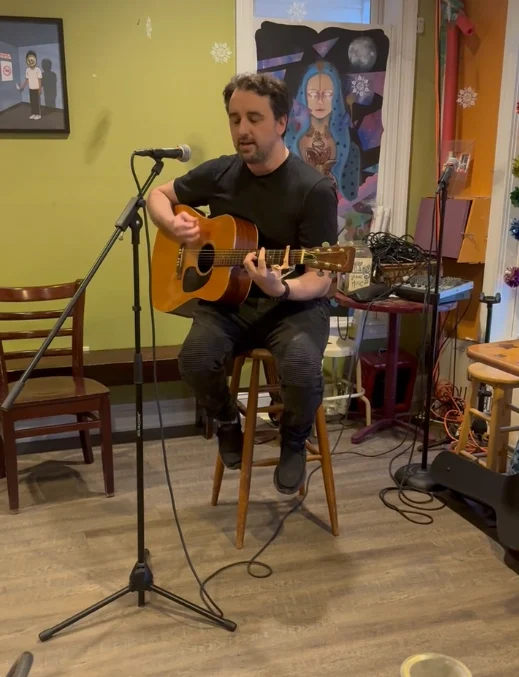
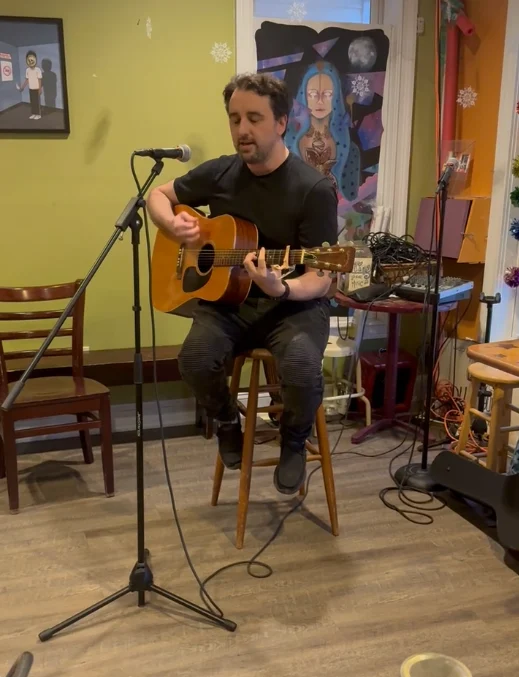
In stark contrast to the algorithm-driven, corporatized digital sphere, physical spaces can still offer models of truly equitable and human-centric engagement. The "open mic" event serves as a powerful analogy for what the internet once promised and what many believe it should strive to be. At an open mic, regardless of background, fame, or financial standing, every participant is granted an equal opportunity – typically 3-5 minutes – to share their work with a live audience. Whether it’s a poem, a musical performance, a stand-up routine, or simply a personal reflection, the platform is democratized.
These events inherently bypass the algorithmic hurdles and corporate biases that define much of the contemporary internet. There are no million-dollar barriers to entry, no complex algorithms determining who gets seen, and no corporate conglomeration dictating the terms of engagement. Instead, participants and audience members share a physical space, united by a common curiosity and a spirit of mutual support. The validation comes directly from human interaction – applause, laughter, shared silence, or immediate feedback – rather than abstract metrics or curated feeds.
While acknowledging that much of the broader "IRL" (in real life) art world is also plagued by arbitrary barriers, biases, and the influence of corporate money, the open mic represents a pure form of grassroots artistic exchange. Its strength lies in its non-commercial nature; performers typically do not make money, which largely insulates it from the financial pressures that distort other creative endeavors. It emphasizes presence, direct connection, and shared experience over optimized performance for an unseen algorithm.
Implications for Art, Community, and Democracy
The shift from an open, discoverable internet to a centralized, algorithmically controlled one carries profound implications:
- Cultural Homogenization: Algorithms tend to favor content that is already popular or easily consumable, potentially leading to a homogenization of culture. Niche, experimental, or challenging art, which often struggles to gain initial algorithmic traction, risks being perpetually overlooked, stifling innovation and diversity.
- Economic Disparity: The "superstar economy" exacerbates economic inequality within the creative sector. While a few creators achieve immense wealth, the vast majority find it increasingly difficult to earn a sustainable living from their art, even if their work is highly valued by a smaller, dedicated audience.
- Erosion of Community and Connection: The emphasis on passive consumption and curated feeds over direct, reciprocal interaction can weaken the sense of community that once thrived online. Artists and audiences alike may feel more isolated, with genuine dialogue replaced by superficial engagement metrics.
- Challenges to Democratic Discourse: The concentration of information flow and content distribution in the hands of a few powerful platforms raises concerns about freedom of expression, censorship, and the spread of misinformation. When algorithms dictate what content is seen, they can inadvertently shape public opinion and limit exposure to diverse perspectives, potentially undermining informed democratic participation. The ability for grassroots movements and independent voices to mobilize and resist oppressive forces is significantly hampered when their reach is contingent on the whims of opaque algorithms and corporate gatekeepers.
Charting a Path Forward: Reclaiming the Digital Commons
Despite the current challenges, the internet remains an indispensable part of modern life. The call for change advocates for a renewed focus on designing digital spaces that prioritize human interaction, equitable discoverability, and community building. Platforms like Discord, which allow for more level playing fields in terms of chat visibility and engagement within defined communities, offer glimmers of hope for more decentralized interaction.
Moving forward, the demand for a "better internet" necessitates a multi-faceted approach:
- Renewed Anti-Trust Enforcement: Governments must actively challenge corporate monopolies and prevent further consolidation in the tech sector, fostering a more competitive and diverse digital marketplace.
- New Regulatory Frameworks: Legislation is needed to promote data portability, ensure algorithmic transparency, and mandate discoverability for a broader range of creators, rather than solely amplifying established voices.
- Support for Decentralized Platforms: Encouraging and investing in open-source, federated, and user-owned digital infrastructures can provide alternatives to centralized corporate platforms.
- Focus on Human-Centric Design: Future digital tools and platforms should be designed with an emphasis on fostering genuine connection, dialogue, and equitable participation, drawing lessons from models like the open mic.
The struggle for an internet that truly serves its users and fosters authentic artistic engagement is not merely a technical challenge but a societal imperative, critical for cultural vibrancy, economic equity, and democratic resilience.
About the Author