London, UK – July 22, 2026 – Ten years after its humble beginnings as a prototype on Itch.io, the beloved slapstick physics puzzler, Human: Fall Flat, has achieved an extraordinary milestone, surpassing 60 million players worldwide. This monumental achievement underscores the title’s enduring appeal and represents a rare level of success for an independent studio, No Brakes Games, which now boasts a team of 40 individuals working on both the original game and its highly anticipated sequel.
The journey of Human: Fall Flat began as a solitary passion project conceived by Lithuanian developer Tomas Sakalauskas. His vision, born from an innate curiosity for physics and emergent gameplay, has blossomed into a global franchise. Game Developer recently had the opportunity to sit down with Sakalauskas, delving into the invaluable lessons gleaned over a decade of transforming a personal endeavor into an international phenomenon. His insights offer a compelling narrative for developers navigating the complex landscape of the modern gaming industry.
From Solo Vision to Global Phenomenon: The Genesis of Human: Fall Flat
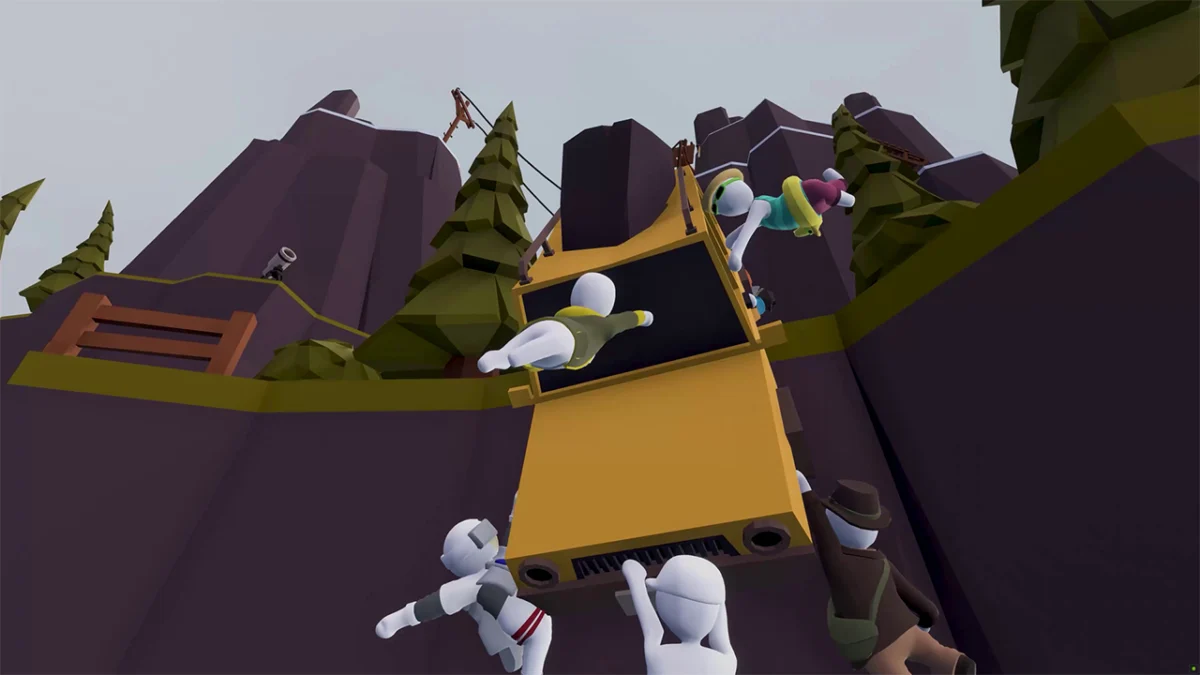
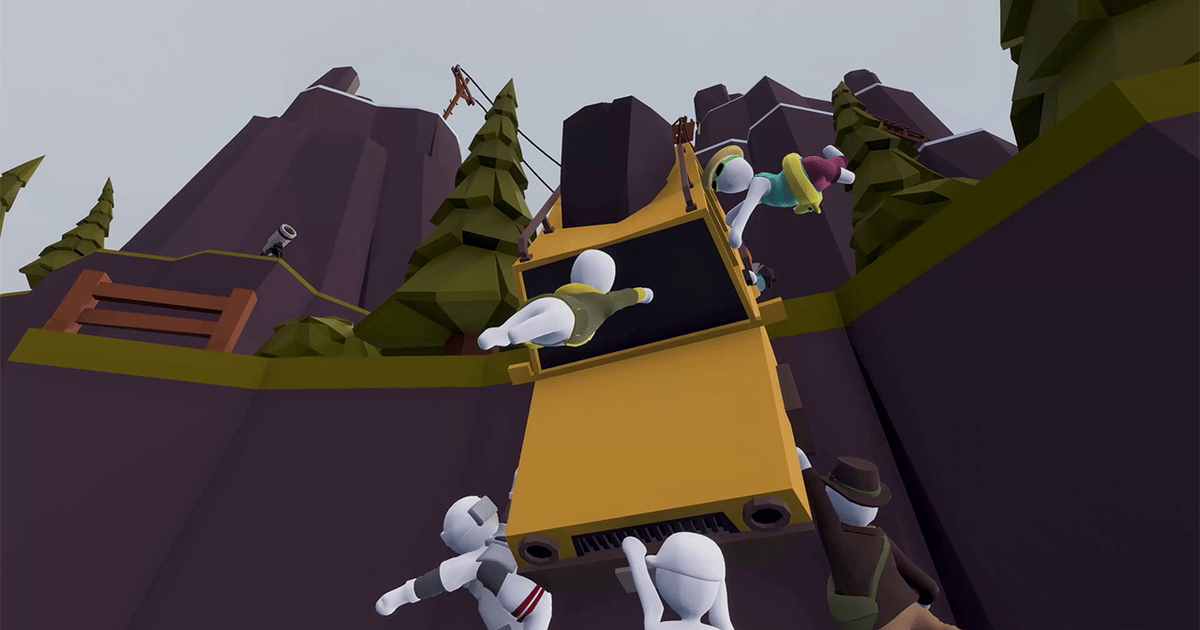
Human: Fall Flat first captured attention with its unique blend of comedic physics and intricate puzzle design. Players control customizable, wobbly "Bobs" with limited but hilarious control over their limbs, navigating surreal landscapes filled with environmental puzzles. The game’s charm lies in its deliberately clumsy controls, which often lead to unpredictable, laugh-out-loud moments, especially in cooperative multiplayer. This distinctive gameplay loop, allowing for both creative problem-solving and chaotic fun, quickly garnered a dedicated following.
Sakalauskas initiated the project as a solo developer, driven by an engineering passion rather than commercial ambition. The initial prototype’s release on Itch.io, a digital storefront known for fostering experimental and independent games, provided the crucial early feedback and exposure needed to refine the concept. This period was instrumental in shaping the game’s core mechanics, which prioritize player freedom and emergent interactions over rigid, pre-scripted solutions. The unconventional approach resonated with early adopters, demonstrating the market’s appetite for truly innovative gameplay experiences that dared to deviate from established norms.
The Unforeseen Challenges of Meteoric Success: Burnout and Scaling
The narrative of indie success often romanticizes the overnight triumph, yet for many developers, striking gold unexpectedly can transform a creative pursuit into a demanding managerial role, leading to unforeseen pressures and potential burnout. This was a reality Sakalauskas intimately experienced as Human: Fall Flat transitioned from a niche indie title to a mainstream hit.
"I had several attempts at doing that. I just got burnout, like really bad burnout, somewhere along the way," Sakalauskas confessed, highlighting a common predicament for creators who find themselves overwhelmed by the operational demands of a burgeoning enterprise. Initially, publisher Curve Digital attempted to alleviate this burden by subcontracting and outsourcing various aspects of development, allowing Sakalauskas to concentrate on engineering, his core passion. However, this fragmented approach proved incompatible with his vision for the game.
Sakalauskas believes that Human: Fall Flat needs to be a "live organism that evolves," a philosophy that clashed with compartmentalized development. This conviction led him to establish a studio in Tenerife, aiming for a more unified production environment under experienced leadership. Yet, this endeavor also faced significant hurdles. "With that experience came some bad habits from bigger studios where you go into more rigid processes without too much iteration," he explained. The imposed structures, more typical of larger, established developers, stifled the iterative design process crucial to Human: Fall Flat‘s organic development. Levels would arrive for review too late for meaningful changes, indicating a cultural misalignment.
Recognizing the incompatibility, Sakalauskas made the difficult decision to close the Tenerife studio. He subsequently opened a new studio in Lithuania, his home country, where he could cultivate a stronger technical team. This strategic move was driven by the understanding that Human: Fall Flat is fundamentally a "technology project" at its core, deeply rooted in physics and engineering. "You make systems, and from those systems, nice behaviors emerge," he elaborated, underscoring the importance of a team that understands and embraces this design philosophy. Scaling such a unique development process, however, remained a challenge. "When you are used to doing things alone, everything is super fast and super easy to change, and you’re always in agreement with all the team," he noted, emphasizing the difficulty of replicating that synergy with a larger group. His key takeaway: seek out individuals with a similar mindset and trust.
The Crucial Role of Publishing: A Partnership Like a Marriage
While Sakalauskas attributes the initial spark and creative "luck" to his personal passion, he unreservedly credits publisher Curve Digital with much of the game’s commercial "success" and longevity. For many indie developers, navigating the complexities of marketing, platform outreach, and commercialization can be a daunting, if not impossible, task without external support.
"I would attribute the luck part to myself and success part more to the people at Curve. For them, the bottom line is important. For me, it never was," Sakalauskas stated candidly. Curve Digital’s expertise in forging new partnerships, expanding to diverse platforms, and organizing community initiatives like workshop competitions ensured the game remained fresh and relevant to its ever-growing player base. This strategic commercial stewardship allowed the "seed that had potential" to truly flourish.
Sakalauskas articulated a profound truth about the developer-publisher relationship: "I am an idealist. I want to create nice things. I don’t care about the bottom line. What I care about is when people send me an email saying ‘I had a really nice time [playing this] with my grandkids.’ This is what matters more. But just with that, you won’t be able to scale." This highlights the symbiotic nature of a successful partnership, where the creative vision of the developer is complemented by the commercial acumen of the publisher.
The decision to partner with Curve Digital was not merely transactional but deeply personal. Sakalauskas engaged with multiple publishers before making his choice, ultimately basing it on a "gut feeling" derived from conversations with the then-publishing director, Simon Byron. He famously likened a publishing deal to a marriage: "If it’s someone who has all the check boxes but you would hate to see them everyday, you don’t marry them." This emphasis on personal connection and trust over purely contractual terms offers a valuable lesson for developers seeking long-term collaborations.
The Sequel Saga: Human: Fall Flat 2 Cancelled, Human: Fall Flat 3 Emerges
The sustained success of Human: Fall Flat has afforded No Brakes Games a rare luxury in the often-precarious game development world: creative freedom and the ability to prioritize quality over rushed releases. This became strikingly evident with the development of the sequel. Announced in 2023, Human: Fall Flat 2 still lacks a release date three years later. The reason? The studio chose to rebuild the project from scratch.
Sakalauskas explained that the initial sequel strayed into what he termed the "wrong branch of physics," resulting in a game that felt "too stiff. Too polished." It had lost the inherent clumsiness and emergent hilarity that defined the original. For many studios, such a setback could be catastrophic, leading to financial ruin or forced compromises. However, the robust performance of the original Human: Fall Flat provided the necessary stability and confidence to return to the drawing board.
"I’m really happy we had the luxury not to release that," Sakalauskas affirmed, revealing a pivotal decision. "Essentially, Human: Fall Flat 2 is cancelled. We are making Human: Fall Flat 3." This candid admission reflects a profound commitment to the core identity of the franchise, prioritizing player experience and creative integrity above adhering to a pre-announced development path. While some design elements from the initial sequel project will be repurposed, the new direction signifies a renewed focus on immersion and physical reactivity, elements Sakalauskas considers absolutely fundamental to the Human: Fall Flat experience. This strategic pivot, enabled by the success of the first title, allows the design team to develop the "right tools and the right mindset" specifically tailored to what the game truly needs.
Lessons from a Lottery Win: Passion, Originality, and Realistic Expectations
For aspiring game developers witnessing the monumental success of Human: Fall Flat, the natural inclination is to seek a replicable formula. However, Sakalauskas offers a nuanced perspective, emphasizing that his journey was less about a calculated strategy and more about a confluence of passion, experimentation, and, as he puts it, "luck" (a word that in Lithuanian, he notes, is synonymous with "success").
His primary advice for those yet to release a game that has amassed 60 million players is to prioritize creating something genuinely fresh rather than imitating market leaders. "There will always be demand for fresh ideas. There will not be a moment where it’s like ‘okay, this year the world needs 100 fresh ideas—and in 10 years it will need just 10.’ There will always be a place for creative people," he asserts. In an increasingly saturated market, originality stands as a powerful differentiator.
Sakalauskas also stresses the importance of rationalizing one’s core motivation for entering game development. Chasing financial success alone, he warns, is a precarious path. "It’s not cool when people are blinded by success stories. That’s why I explicitly don’t want to say ‘okay, this is how you make a game that sells 60 million copies.’ I have no clue how to make a game that sells 60 million. I don’t expect the second game to sell 60 million."
He cautions against the "delusional" goal of making a game to become rich. Instead, he advocates for more achievable and fulfilling objectives: "I want to make a game and release a game.’ That’s a good goal. Wanting to make something fresh, something new, is an even better goal. Both of those things are achievable." While making a successful game remains a lottery, focusing on the creative process and originality significantly increases one’s chances of "buying a ticket."
Broader Industry Impact and Enduring Legacy
The journey of Human: Fall Flat serves as a compelling case study within the broader gaming industry. Its 60-million-player milestone places it among the ranks of global phenomena, far surpassing the reach of many high-budget AAA titles. This achievement reinforces the idea that innovative gameplay, strong community engagement, and a clear creative vision can triumph over massive marketing budgets and established franchises.
The game’s cross-platform availability, from PC and consoles to mobile devices, has undoubtedly contributed to its widespread adoption. Its appeal transcends demographic boundaries, attracting casual players and dedicated gamers alike with its accessible yet deep physics-based mechanics. The cooperative multiplayer aspect, fostering shared laughter and creative problem-solving, has also been a significant driver of its viral success and enduring popularity, making it a staple for family game nights and online friend gatherings.
No Brakes Games’ experience also offers vital lessons on sustainable growth for indie studios. The challenges Sakalauskas faced with burnout and scaling, and his proactive solutions—closing misaligned studios, building a team with a shared mindset, and relying on a trusted publisher—provide a roadmap for managing unexpected success without sacrificing creative integrity. The decision to completely overhaul the sequel, a bold move that speaks volumes about the studio’s commitment to its players and its vision, stands as a testament to the freedom and responsibility that come with such widespread success.
As Human: Fall Flat enters its second decade, its legacy is not just one of staggering player numbers but also of inspiring a generation of developers to pursue their unique ideas, to trust their creative instincts, and to build communities around authentic, joyful gameplay experiences. The ongoing development of Human: Fall Flat 3 promises to further solidify this legacy, demonstrating that even after reaching unimaginable heights, the pursuit of innovation and player satisfaction remains the ultimate goal.
About the Author