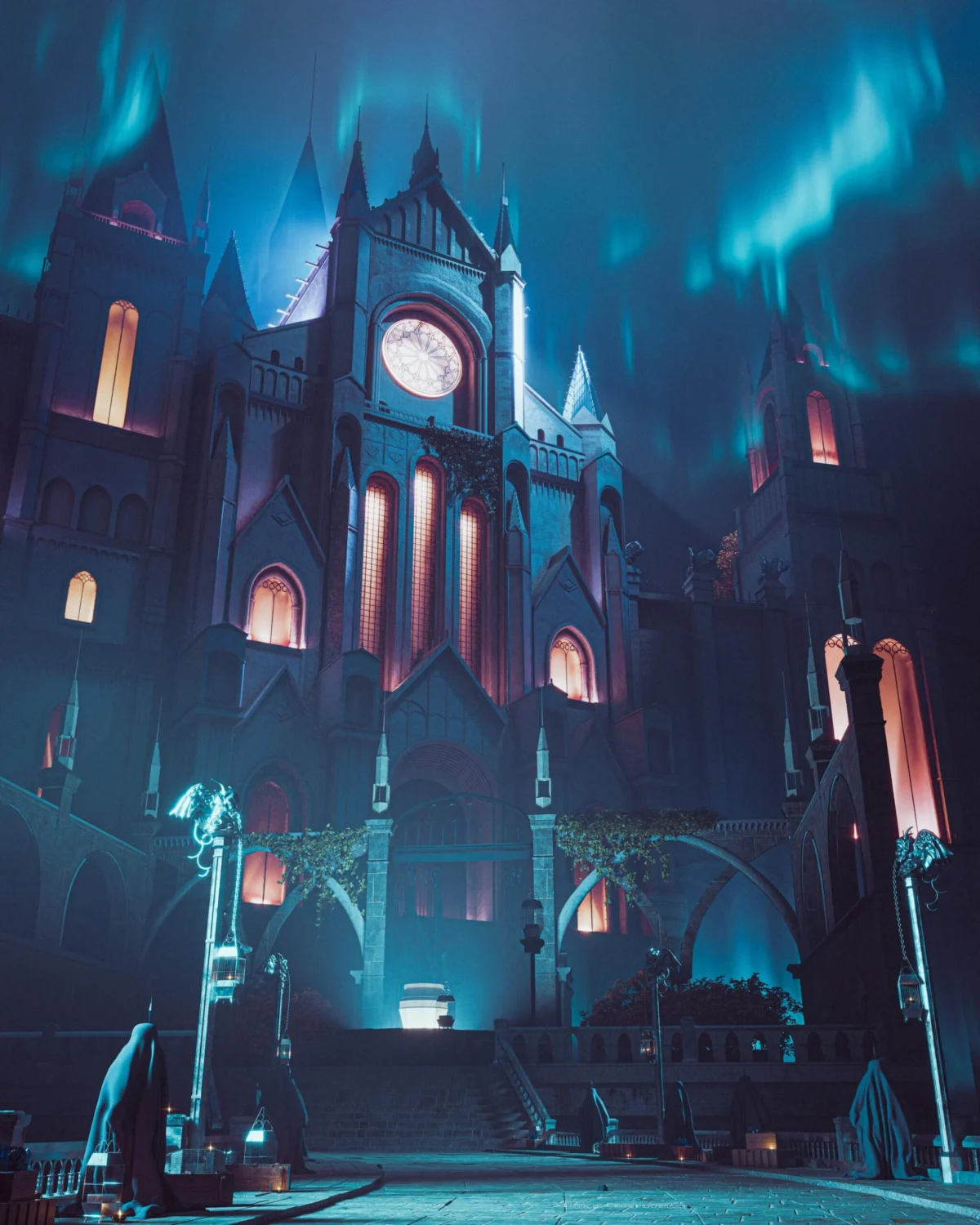
The digital art world is abuzz with the recent unveiling of a breathtaking 3D rendition of the iconic Academy of Raya Lucaria, a prominent location from the critically acclaimed video game Elden Ring. Rendered entirely within the powerful open-source 3D creation suite, Blender, this meticulously crafted environment showcases the extraordinary talent and dedication of independent digital artists. The project, which has garnered significant attention across online art communities, serves as a testament to the evolving capabilities of accessible, professional-grade digital art tools and the collaborative spirit that drives their development and adoption.
A Visual Masterpiece Emerges from the Blender Community
The creation, attributed to an artist who has been actively sharing their progress on the Blender Artists forum, meticulously recreates the grandeur and arcane atmosphere of the Academy of Raya Lucaria. This digital interpretation goes beyond a simple replica; it is a vibrant, breathing environment imbued with a sense of history and lived experience. Details such as the weathered stone textures, the ethereal glow of magical energies, and the intricate architectural flourishes that define the in-game location have been rendered with an impressive level of fidelity. The project highlights the sophisticated lighting, texturing, and rendering capabilities now readily available within Blender, a testament to years of community-driven development and investment.
The Blender Artists forum, a cornerstone of the Blender community, serves as a vital platform for artists to share their work, receive constructive feedback, and connect with peers. This particular creation has quickly risen to prominence within the forum, attracting hundreds of comments and shares. This level of engagement underscores the project’s artistic merit and its resonance with a broad audience, including fans of Elden Ring and enthusiasts of digital art and 3D modeling. The sheer volume of positive feedback and admiration speaks to the quality of the execution and the emotional impact of the rendered environment.
The Genesis of a Digital Reconstruction
While the exact timeline of the Academy of Raya Lucaria project is not publicly detailed, such ambitious undertakings typically span months, if not years, of dedicated effort. Artists like the creator of this rendition often begin by meticulously studying reference material from the source game. This involves capturing screenshots, analyzing architectural blueprints (if available), and understanding the game’s overall artistic direction and lore.
The process of recreating a complex environment like the Academy of Raya Lucaria within Blender would likely involve several key stages:
- Modeling: This initial phase focuses on building the foundational geometry of the environment. Artists would meticulously construct each building, pathway, and architectural element, ensuring accurate proportions and scale. Given the intricate nature of Raya Lucaria’s architecture, this stage alone could involve thousands of hours of work.
- Texturing and Shading: Once the models are complete, the next step is to apply realistic textures and materials. This involves creating or sourcing high-resolution images that mimic stone, wood, metal, and other surfaces, and then using Blender’s shader nodes to define how light interacts with these materials, giving them depth and realism. The atmospheric effects, such as the magical glow emanating from certain areas, would also be meticulously crafted during this stage.
- Lighting: Lighting is crucial for establishing the mood and atmosphere of a scene. The artist would have carefully placed virtual light sources to mimic the natural and magical illumination present in Elden Ring, paying close attention to shadows, highlights, and volumetric effects to enhance the sense of depth and realism.
- Rendering: The final stage involves processing all the data – the models, textures, lighting, and camera angles – to generate the final images. This is often the most computationally intensive part of the process, with high-resolution renders taking many hours to complete on powerful hardware.
The success of this project is not merely a solo achievement but a reflection of the robust ecosystem surrounding Blender. Numerous online tutorials, asset libraries, and community forums provide artists with the resources and support needed to tackle such complex projects.

Contextualizing the Academy of Raya Lucaria
The Academy of Raya Lucaria is a pivotal location in Elden Ring, a sprawling action role-playing game developed by FromSoftware and published by Bandai Namco Entertainment. Released in February 2022, Elden Ring quickly became a cultural phenomenon, praised for its expansive open world, challenging combat, and deep lore. The Academy itself is depicted as a grand, ancient institution of sorcery, a place where scholars have long studied the arcane arts. Its architecture is a blend of Gothic and Renaissance influences, with towering spires, vast libraries, and ethereal courtyards. The environment is central to the game’s narrative, housing significant characters and offering critical pathways for players to progress.
The game’s artistic direction, spearheaded by Elden Ring’s director Hidetaka Miyazaki and art director Masanori Takeish, is renowned for its distinct visual style and rich world-building. The Academy, in particular, is designed to evoke a sense of mystery, power, and melancholic beauty, a stark contrast to the more desolate landscapes players often traverse in the Lands Between. Recreating such a visually iconic and thematically rich location is a significant undertaking that requires not only technical skill but also a deep understanding of the game’s artistic intent.
The Power of Open-Source and Community Collaboration
The fact that this intricate artwork was created using Blender is particularly noteworthy. Blender is a free and open-source 3D creation suite, meaning it is accessible to anyone with a computer, regardless of their financial resources. This democratization of powerful 3D technology has fostered a global community of artists, animators, and designers who contribute to its development and push its capabilities to new heights.
The Blender Artists forum, managed by individuals like Bart van der Wolf, founder of BlenderNation, plays a crucial role in this ecosystem. BlenderNation itself has been a dedicated resource for Blender news, tutorials, and showcases since 2006. The platform highlights exemplary work from the community, providing a valuable avenue for artists to gain exposure and recognition. This specific Academy of Raya Lucaria creation is a prime example of the kind of high-caliber work that emerges from this vibrant, supportive environment.
The continuous development of Blender, driven by both its core development team and a legion of volunteer contributors, means that its features and performance are constantly evolving. Recent advancements in areas like real-time rendering (Eevee), advanced sculpting tools, and improved simulation capabilities have made it a competitive alternative to proprietary software for professional productions. The Academy of Raya Lucaria project likely leverages many of these contemporary features to achieve its impressive visual quality.
Implications for the Digital Art and Gaming Industries
The emergence of such sophisticated fan-made recreations has several implications:
- Talent Identification and Recruitment: High-quality projects like this serve as de facto portfolios for aspiring artists. Game development studios and visual effects companies actively monitor these online communities for emerging talent. The artist behind the Academy of Raya Lucaria may well be on the radar of industry recruiters.
- Showcasing Tool Capabilities: These projects act as powerful demonstrations of what can be achieved with accessible software. They can influence educational institutions to adopt Blender in their curricula and encourage independent developers and smaller studios to leverage its capabilities for their projects.
- Fan Engagement and Community Building: For fans of Elden Ring, these recreations offer a new way to engage with their beloved game world. They foster a deeper appreciation for the original art direction and inspire further creative interpretations. This type of fan-driven content strengthens the overall community around a game or intellectual property.
- The Rise of the Independent Creator: The accessibility and power of tools like Blender empower individuals to produce work that rivals professional studio output. This trend contributes to the decentralization of creative industries and the rise of independent artists and small, agile production houses.
Looking Ahead: The Future of Digital Recreations
The Academy of Raya Lucaria stands as a beacon of digital artistry, a testament to the power of passion, skill, and the collaborative spirit of the Blender community. As 3D technology continues to advance and become more accessible, we can anticipate even more ambitious and visually stunning fan-made projects that push the boundaries of what is possible. These creations not only entertain and inspire but also play a vital role in shaping the future of digital art and the broader creative industries. The ongoing evolution of Blender, coupled with the boundless creativity of its user base, ensures that platforms like BlenderNation and forums like Blender Artists will continue to be essential hubs for showcasing the next generation of digital masterpieces. The detailed and evocative reconstruction of this Elden Ring landmark serves as a powerful reminder that with the right tools and dedication, the imagination is the only true limit.
About the Author