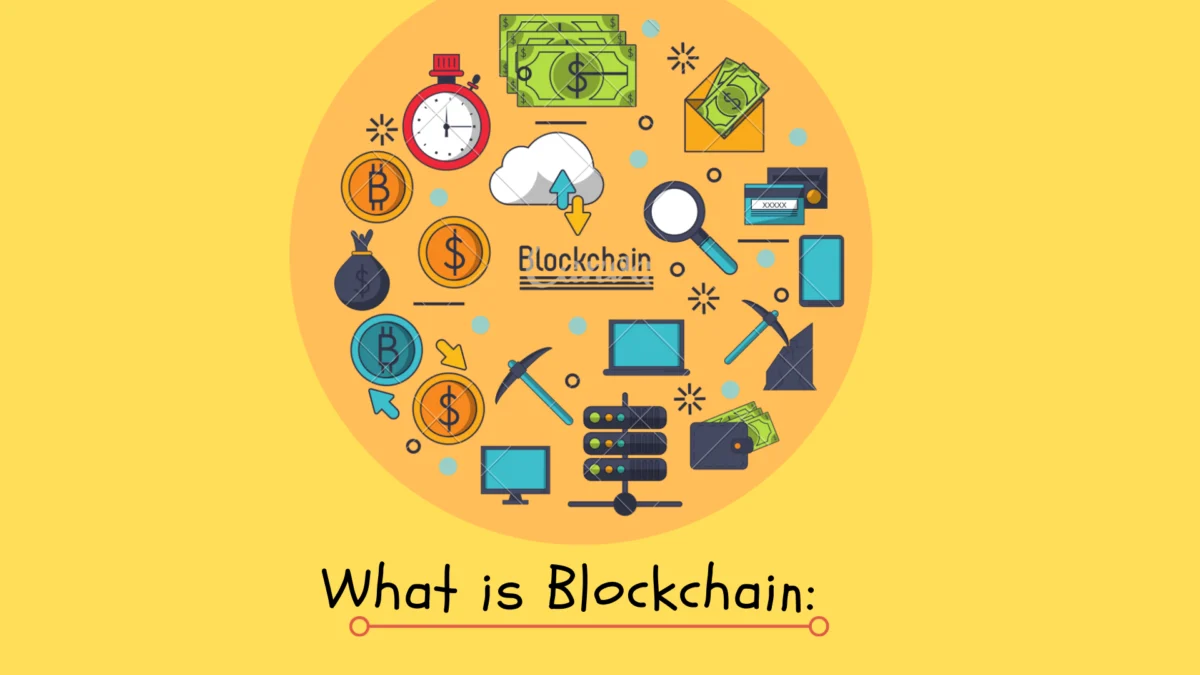
The landscape of digital transactions and data management is undergoing a profound transformation, driven by a technology that promises to reshape how we interact online and beyond: blockchain. Far from being a niche concept confined to the world of cryptocurrencies, blockchain represents a fundamental shift towards decentralized, secure, and transparent systems. This article delves into the intricacies of blockchain technology, tracing its origins, dissecting its mechanics, exploring its diverse applications, and analyzing its far-reaching implications for industries and society.
The Genesis of Blockchain: From Timestamping to Digital Currency
The foundational concepts of blockchain technology can be traced back to the early 1990s. In 1991, mathematicians Stuart Haber and W. Scot Stornetta first proposed a system designed to timestamp digital documents in such a way that their integrity could not be compromised. Their aim was to create a chronological chain of records, ensuring that no document could be retroactively altered or deleted without detection. This early work laid the groundwork for the immutable ledger that would later become the hallmark of blockchain.
A significant evolutionary step occurred in 1998 when software developer Nick Szabo conceptualized "Bit Gold," a digital currency system that utilized a similar distributed ledger approach to secure transactions. While Szabo’s innovation did not gain widespread adoption at the time, it foreshadowed the potential of this technology for digital payments.
The pivotal moment, however, arrived with the pseudonymous Satoshi Nakamoto, who in 2008 published the white paper "Bitcoin: A Peer-to-Peer Electronic Cash System." This groundbreaking document outlined the first practical implementation of blockchain technology, powering Bitcoin, the world’s first decentralized cryptocurrency. The success of Bitcoin brought blockchain into the global spotlight, demonstrating its capability to facilitate secure, peer-to-peer transactions without the need for traditional financial intermediaries.
Understanding the Core Mechanism: The Distributed Ledger
At its heart, blockchain is a distributed ledger technology (DLT). Imagine a digital ledger, similar to a spreadsheet or a database, that records transactions. However, instead of being stored in a single, centralized location, this ledger is replicated and shared across a network of computers, known as nodes. Each node holds an identical copy of the ledger.
When a new transaction occurs, it is bundled with other transactions into a "block." This block is then cryptographically secured and linked to the previous block in the chain, forming a chronological sequence. This linking is achieved through complex cryptographic hashes, essentially unique digital fingerprints, ensuring that each block is intrinsically connected to the one preceding it. If any data within a block is tampered with, its hash will change, immediately invalidating the link to the next block and alerting the network to the alteration.
This distributed and cryptographically secured nature makes blockchain incredibly resilient and transparent. Because the ledger is shared across numerous nodes, no single entity has complete control, and any attempt to alter the data would require consensus from a majority of the network participants, a feat that is computationally infeasible for large, established blockchains. This immutability and transparency are key differentiators from traditional databases, which are typically centralized and susceptible to single points of failure or manipulation.
How Blockchain Operates: A Step-by-Step Overview
The process by which blockchain technology operates can be broken down into several fundamental steps:
- Transaction Initiation: A user initiates a transaction, for example, sending cryptocurrency to another user. This transaction is broadcast to the network of nodes.
- Verification: A network of decentralized computers, often referred to as miners or validators, verifies the legitimacy of the transaction. This verification process typically involves checking the sender’s digital signature and ensuring they have sufficient funds or the authority to conduct the transaction.
- Block Creation: Verified transactions are bundled together into a new block. This block also contains a cryptographic hash of the previous block, a timestamp, and other relevant data.
- Mining/Validation: In proof-of-work blockchains (like Bitcoin), miners compete to solve complex mathematical puzzles. The first miner to solve the puzzle gets to add the new block to the chain and is rewarded. In proof-of-stake blockchains, validators are chosen based on the amount of cryptocurrency they "stake" or hold.
- Chain Addition: Once a block is validated, it is added to the existing blockchain. This process is irreversible, meaning the block and its contained transactions are permanently recorded.
- Network Consensus: The newly added block is then broadcast to all nodes on the network, and they update their copies of the ledger to reflect the addition. This distributed consensus mechanism ensures the integrity and accuracy of the blockchain.
The beauty of this system lies in its efficiency and security. While the underlying cryptography and consensus mechanisms can be complex, modern technology allows for these processes to occur rapidly, often within minutes, and with increasing speed as technology advances.
Beyond Cryptocurrencies: Diverse Applications of Blockchain
While blockchain technology gained prominence through cryptocurrencies like Bitcoin and Ethereum, its applications extend far beyond digital money. Its ability to provide secure, transparent, and immutable records makes it a versatile tool for a wide range of industries.
- Supply Chain Management: One of the most impactful applications of blockchain is in supply chain management. Companies like Walmart have leveraged IBM’s Food Trust platform, which utilizes blockchain, to track food products from farm to table. This granular tracking helps to quickly identify the source of contamination in cases of outbreaks (e.g., E. coli or Salmonella), significantly reducing response times and preventing future incidents. Similarly, it can prevent the accidental introduction of allergens into products and provide consumers with greater transparency about the origin and journey of their goods.
- Healthcare: In healthcare, blockchain can be used to securely store and manage patient records. This ensures that sensitive medical data is protected from unauthorized access and can be shared seamlessly and securely between authorized providers, improving patient care and reducing administrative burdens. It can also be used to track the provenance of pharmaceuticals, combating counterfeit drugs.
- Voting Systems: The immutability and transparency of blockchain offer potential solutions for enhancing the security and integrity of electoral processes. Blockchain-based voting systems could reduce the risk of fraud and increase public trust in election outcomes.
- Intellectual Property and Digital Rights Management: Blockchain can provide a verifiable and tamper-proof record of ownership for digital assets, music, art, and other intellectual property, simplifying licensing and royalty distribution.
- Real Estate: Property titles and transaction records can be stored on a blockchain, streamlining the complex and often paper-intensive process of real estate transactions, reducing fraud, and increasing transparency.
- Smart Contracts: Developed by Nick Szabo and popularized by platforms like Ethereum, smart contracts are self-executing contracts with the terms of the agreement directly written into code. These contracts automatically execute actions when predefined conditions are met, eliminating the need for intermediaries and reducing the risk of disputes. For example, an insurance policy could automatically disburse funds upon verification of a flight delay.
The adoption of blockchain by major corporations such as Siemens, Pfizer, and Unilever underscores its growing significance. These companies are exploring and implementing blockchain solutions to enhance efficiency, security, and transparency within their operations.
The Power of Decentralization: Enhancing Security and Resilience
A core tenet of blockchain technology is decentralization. Unlike traditional systems where data is stored on a single server or a limited number of servers controlled by a central authority, blockchain distributes data across a vast network of nodes. This distributed architecture offers several critical advantages:
- Enhanced Security: With data spread across numerous computers, a single point of failure is eliminated. If one node is compromised or experiences a technical issue, the network as a whole remains operational and secure. The distributed nature makes it exceptionally difficult for malicious actors to gain control of the entire network and alter data.
- Increased Resilience: The redundancy inherent in a decentralized system ensures that the network can withstand disruptions. If one part of the network goes offline, others can continue to function, maintaining the availability of the ledger.
- Censorship Resistance: Decentralization makes it difficult for any single entity, including governments or corporations, to censor or control the information stored on the blockchain.
This decentralization is fundamental to the trust that blockchain aims to establish. It shifts the reliance from a trusted third party to the collective consensus of the network.
Pros and Cons of Blockchain Technology
Like any transformative technology, blockchain presents both significant advantages and potential drawbacks.
Pros:
- Enhanced Security: Cryptographic hashing and distributed consensus make blockchain highly secure and resistant to tampering.
- Transparency: Transactions on public blockchains are typically visible to all participants, fostering trust and accountability.
- Immutability: Once data is recorded on a blockchain, it is virtually impossible to alter or delete, ensuring data integrity.
- Efficiency: By removing intermediaries, blockchain can streamline processes and reduce transaction times and costs.
- Decentralization: Eliminates single points of failure and reduces reliance on central authorities.
- Traceability: Provides a clear audit trail for transactions and data.
Cons:
- Scalability Challenges: Some blockchains, particularly older ones like Bitcoin, face limitations in processing a high volume of transactions quickly, leading to potential bottlenecks.
- Energy Consumption: Proof-of-work consensus mechanisms, used by Bitcoin, are energy-intensive, raising environmental concerns. However, newer, more energy-efficient consensus mechanisms are emerging.
- Complexity: Understanding and implementing blockchain technology can be complex, requiring specialized expertise.
- Regulatory Uncertainty: The rapidly evolving nature of blockchain and cryptocurrencies has led to varying regulatory frameworks across different jurisdictions, creating uncertainty for businesses and users.
- Irreversibility: While immutability is a strength, it also means that if a transaction is made in error, it cannot be easily reversed, requiring careful attention to detail.
Frequently Asked Questions About Blockchain
To further clarify the nuances of this technology, several common questions arise:
Is Blockchain a Cryptocurrency?
No, blockchain is the underlying technology that makes cryptocurrencies possible. A cryptocurrency is a digital asset that utilizes blockchain as its ledger to record transactions securely and transparently. Think of blockchain as the operating system, and cryptocurrency as an application that runs on it.
Is it Possible for Blockchain to Be Hacked?
Theoretically, any system can be hacked. However, the decentralized nature and the immense computational power required to compromise a widely adopted blockchain make it extremely difficult. Hacking a blockchain would involve gaining control of a significant majority of the network’s nodes simultaneously, which is practically unfeasible for established networks.
What is the Most Prominent Blockchain Company?
Defining the "most prominent" blockchain company can be subjective and depends on the criteria used (e.g., market capitalization, innovation, adoption). However, companies like Coinbase Global have emerged as significant players in the digital currency economy, offering robust infrastructure and services. Beyond cryptocurrency exchanges, companies like IBM are leading in enterprise blockchain solutions.
Who Owns Blockchain?
Blockchain is a decentralized technology. It does not have a single owner in the traditional sense. The ownership and control are distributed among the network participants who maintain and validate the ledger.
What is the Difference Between Bitcoin and Blockchain Technology?
Bitcoin is a specific application of blockchain technology. It is a decentralized digital currency that uses blockchain to record all its transactions. Blockchain, on the other hand, is the broader technological framework that enables Bitcoin and many other applications.
What is the Difference Between Blockchain and a Database?
While both store data, their fundamental architecture and properties differ significantly. A traditional database is typically centralized, allowing administrators to view and edit information. It can be susceptible to single points of failure and manipulation. Blockchain, in contrast, is a distributed, immutable ledger where data is added chronologically in blocks and is resistant to modification. Decentralization and consensus mechanisms are key differentiators.
The Future of Blockchain: Integration and Revolution
Blockchain technology is not merely a fleeting trend; it represents a paradigm shift with the potential to revolutionize countless industries. Over the next five to ten years, we are likely to witness its pervasive integration into various sectors, from finance and healthcare to logistics and government. The initial hesitation surrounding its adoption is gradually giving way to a deeper understanding of its capabilities and benefits. As individuals, businesses, and governments become more comfortable with this technology, its potential for driving innovation, enhancing efficiency, and fostering trust will be increasingly leveraged. The ongoing advancements in scalability, energy efficiency, and user accessibility suggest that blockchain will play an increasingly vital role in shaping the digital future.
About the Author