The creation of art, in its fundamental essence, is an inherently social endeavor, driven by a profound human desire to connect, communicate, and elicit a response from an audience. This reciprocal relationship, where creators share their work and audiences engage with it, provides validation, insight, and often, constructive challenge. It mirrors the fundamental dynamics of spoken language, where a speaker seeks not just to be heard, but to be understood, acknowledged, and to spark further interaction. The resonance between creator and audience, even if experienced by a single individual, forms the bedrock of artistic fulfillment and evolution.
The Internet’s Early Promise: A Decentralized Canvas
When the internet began its widespread adoption, it heralded a revolutionary era for artists and creators, promising to democratize the process of sharing and discovering art. The early 2000s, often referred to as the "blogosphere" era, saw a proliferation of independent websites, forums, and nascent social platforms where individuals could publish their work directly, bypassing traditional gatekeepers. This ecosystem fostered a sense of genuine online community, where interaction was often direct, unfiltered, and relatively equitable.
By approximately 2010, this vision of a truly open and discoverable internet appeared to be materializing. Digital creators, from independent game developers to aspiring musicians and visual artists, experienced unprecedented levels of organic reach and audience engagement. For instance, the release of independent projects during this period often generated significant grassroots interest. A game launched in 2010, despite modest production values or initial bugs, could spontaneously inspire fan art, user-generated video content, and frequent interviews with independent online publications. This level of discovery was not primarily a result of sophisticated marketing budgets but rather the inherent design of the internet at the time, which favored interconnectedness and facilitated the serendipitous discovery of diverse content. The architecture of the web encouraged linking, sharing, and peer-to-peer recommendation, creating a fertile ground for emergent talent to find its audience.
The Shift to Algorithmic Gatekeepers: A Centralized Paradigm
However, over the past decade, this open landscape has undergone a profound transformation. A series of strategic actions by large technology companies, coupled with a notable lack of decisive regulatory intervention from governments, has led to an increasingly "top-heavy" internet. This structural shift signifies a dramatic consolidation of power and attention, where fewer and fewer entities command an ever-larger share of user engagement.
Data from various industry analyses consistently indicates this trend. While precise figures vary, the conceptual shift is clear: a decade ago, a hypothetical scenario might have seen 100,000 independent creators each cultivating a dedicated following of 100 fans. Today, that dynamic has inverted, with perhaps only 100 mega-creators or brands each commanding an audience of 100,000 or more, often dwarfing the reach of countless smaller, independent voices. This trend of disproportionate engagement continues to intensify year after year, exacerbating the challenges faced by emerging artists.
The primary driver of this centralization is the pervasive influence of proprietary algorithms deployed by major social media platforms, streaming services, and search engines. These algorithms are designed to maximize user engagement and retention, often by prioritizing content from established sources, amplifying viral trends, and creating "echo chambers" of popular content. For creators, this translates into significantly higher barriers to entry. To achieve visibility in the contemporary digital landscape, content must be radically optimized not primarily for human consumption or artistic merit, but for algorithmic approval. This often necessitates substantial investment in digital marketing, search engine optimization (SEO) tactics, and the strategic manipulation of content formats to fit platform preferences.
This algorithmic hurdle extends beyond individual creators to entire industries. The gaming sector, once a vibrant ecosystem of independent studios, has seen massive corporate consolidation. Companies like Activision Blizzard, Tencent, and Take-Two Interactive have acquired numerous smaller developers, centralizing creative output and market share. This mirrors the broader trend across media and tech, where mergers and acquisitions reduce the diversity of content providers and increase the algorithmic hurdles for newcomers. To become a prominent game developer or Twitch streamer in 2025, for example, requires not only exceptional talent but also a deep understanding of platform mechanics and often, significant financial backing to navigate the algorithmic landscape.
Regulatory Lapses and the Erosion of the Open Web
This fundamental shift was not an inevitable outcome of technological progress; rather, it is largely attributable to deliberate choices and, crucially, regulatory inaction. Governments globally have largely failed to enforce existing anti-trust laws designed to prevent monopolies, allowing large tech companies to consolidate immense power unchecked. Furthermore, new legislation necessary to safeguard the principles of an open, discoverable internet — such as robust net neutrality protections, data portability mandates, and stricter controls over algorithmic bias — has been slow to materialize or has faced significant political hurdles.
The consequence is a significant departure from the early vision of the internet as a democratic information superhighway. The "blogosphere" of thriving communities, truly functional and unbiased search engines, and the basic concept of organic "discovery" have largely diminished. Instead, users are increasingly presented with curated content feeds, tailored by opaque algorithms that prioritize commercial interests or established popularity over novelty and diversity. Critics argue that this erosion of the open web not only stifles artistic expression but also poses broader risks to informed public discourse, civic engagement, and democratic processes by controlling the flow of information and amplifying certain narratives.
Even if robust regulatory frameworks were to be implemented today, experts suggest that reversing these deeply entrenched trends and rebuilding a more equitable digital ecosystem would be a multi-year endeavor, requiring sustained effort from policymakers, technologists, and civil society.
The "Open Mic" as a Counter-Narrative: Reclaiming Egalitarian Spaces
In stark contrast to the algorithmically mediated and commercially driven internet of today, the physical "open mic" event serves as a powerful metaphor for an alternative, more equitable model of artistic sharing and community building. In a real-world, shared space—be it a coffee shop, a community center, or a dedicated performance venue—many of the digital world’s arbitrary barriers simply dissolve. Corporations have yet to devise effective means to algorithmically interfere with or monetize direct human interaction in these settings.
At an open mic, the playing field is inherently level. Every participant, regardless of their background, experience, or potential commercial appeal, is typically granted an equal opportunity—a specific time slot, often 3-5 minutes—to share their creative output. This could range from poetry and musical performances (regardless of skill level) to stand-up comedy or simply sharing personal reflections. The environment is designed for inclusivity, welcoming individuals of all ages, body shapes, ethnic and cultural backgrounds, and socioeconomic statuses. There are no algorithms to optimize for, no popularity metrics to chase, and no financial barriers to entry for performers. The primary currency is shared space, mutual curiosity, and direct human connection.
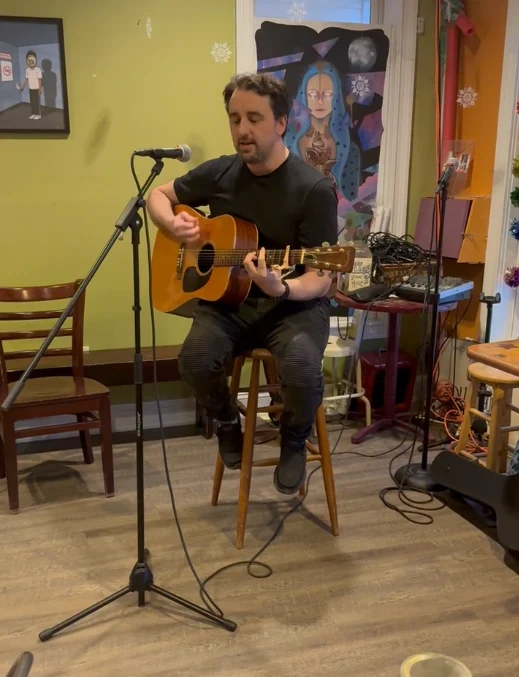
A recent example from an open mic in Connecticut illustrates this principle vividly. A performer, sharing their work in a live setting, experienced the immediate, unmediated feedback and connection that the contemporary internet often fails to provide. This direct engagement fosters a unique sense of community, where the collective presence of individuals united by a shared interest in expression creates an environment of support and genuine interaction. It stands as a powerful counterpoint to the 2025 internet, characterized by its algorithmic biases, multi-million-dollar marketing prerequisites, and corporate consolidation.
It is important to acknowledge that the broader "IRL" (in real life) art world is not uniformly egalitarian. High-stakes galleries, exclusive art markets, and established institutions often present their own set of arbitrary barriers, biases, and are frequently influenced by corporate interests and digital trends. However, the unique value of the open mic lies in its inherent lack of commercialization; because performers typically neither make nor spend significant money, it remains largely immune to the market forces that distort other creative ecosystems.
Bridging the Divide: Towards a More Open Digital Future
The insights gleaned from the open mic model offer valuable lessons for the future design and regulation of digital platforms. While the internet will undoubtedly remain a central feature of modern life, there is a compelling argument for demanding its evolution towards a more "open mic" ethos. Platforms that prioritize equitable participation and direct interaction, such as certain community-driven chat applications like Discord, offer glimpses of this potential. Within many Discord servers, for instance, all users have a relatively equal opportunity for their contributions to be seen and engaged with, fostering a sense of community that contrasts with the hierarchical attention structures of many mainstream social media platforms.
The challenge lies in translating these principles of fairness, accessibility, and direct connection into scalable digital architectures. This requires innovative approaches to platform design that resist algorithmic centralization, prioritize user agency, and create new mechanisms for organic discovery. It also necessitates robust regulatory frameworks that hold large tech companies accountable, prevent monopolistic practices, and protect the rights of creators and users.
Beyond the realm of art and creative expression, the importance of physical presence and community building takes on broader societal significance. In an increasingly complex and often polarized world, the ability for individuals to gather in real spaces, to connect directly, and to engage in shared experiences becomes crucial for civic health and democratic resilience. "Being there" physically means more than just witnessing an inspirational performance or meeting a future collaborator; it also signifies being part of a collective, a community that can mobilize, discuss, and act in response to societal challenges. The open mic, therefore, stands not just as an artistic ideal, but as a reminder of the fundamental human need for unmediated connection and the collective power of presence in an increasingly digitized world. Reclaiming elements of this open, egalitarian spirit, both online and offline, is essential for fostering a more vibrant, diverse, and resilient future.
About the Author