The automotive industry is witnessing a profound transformation, moving beyond traditional gasoline-powered vehicles towards an electric future. This shift is increasingly converting even the most indifferent drivers into enthusiastic proponents of electric vehicles (EVs), underscoring a broader societal and technological evolution. What was once considered a niche or experimental pursuit is rapidly becoming the leading edge of personal transportation, driven by advancements in technology, economics, and environmental consciousness.
The Shifting Automotive Landscape: A New Era of Mobility
For decades, the internal combustion engine (ICE) dominated personal transportation, shaping consumer habits, infrastructure, and even cultural identity. However, the last decade has seen a dramatic acceleration in the development and adoption of electric vehicles, fundamentally challenging this long-held paradigm. Drivers who once saw cars merely as utilitarian tools are now experiencing a revelation, describing the transition to electric as not just an upgrade, but a paradigm shift in driving experience. This sentiment reflects a growing trend among consumers who, initially drawn by practical considerations like lower running costs or environmental benefits, are discovering the inherent advantages of electric propulsion.
The journey from a casual car owner to an advocate for electric mobility often begins with a specific need, such as family expansion necessitating a new vehicle. Historically, this might have led to the purchase of a larger station wagon or a minivan, prioritizing utility over performance or environmental footprint. However, the modern automotive market now offers compelling electric alternatives that fulfill these practical requirements while introducing an entirely new level of efficiency, quietness, and performance. The notion that minivans, often maligned for their aesthetic, offer unparalleled practicality for families has been a quiet truth for many. The desire for a fully electric equivalent of such a practical family hauler highlights a key gap in the current EV market, yet also underscores the eagerness of consumers to electrify every segment of their lives if the technology and product exist. The shift away from a conventional family car to an EV, even a compact SUV like the Kia Niro, signifies a decisive move towards embracing electrification, driven by a compelling user experience that redefines expectations.

A Brief History of Electric Vehicles: From Early Promise to Modern Revival
The concept of electric propulsion in automobiles is far from new. Early in the 20th century, electric cars were popular, particularly in urban areas, offering quiet operation and ease of use compared to their noisy, crank-started gasoline counterparts. However, the advent of the electric starter, mass production techniques by Henry Ford, and the discovery of abundant, cheap crude oil led to the rapid dominance of gasoline vehicles. Electric cars faded into obscurity for much of the century.
The first significant attempt at a modern electric car revival came in the late 1990s with vehicles like the General Motors EV1. Launched in 1996, the EV1 was a revolutionary, purpose-built electric car available for lease in select markets. While technologically advanced for its time, its reliance on heavy lead-acid batteries (later nickel-metal hydride), limited range, and prohibitively high estimated production costs (reportedly between $100,000 and $250,000 per unit) made it commercially unviable. Despite enthusiastic feedback from its lessees, GM ultimately recalled and crushed most of the vehicles, a controversial decision that spawned documentaries like "Who Killed the Electric Car?" This period served as a critical, albeit cautionary, tale about the challenges of bringing EVs to market without mature battery technology and supportive infrastructure.
The true "revenge" of the electric car, as chronicled in the sequel documentary, began in the mid-2000s. This era was marked by the crucial development of lithium-ion battery technology, which offered significantly higher energy density and lighter weight compared to previous battery types. Key players emerged, laying the groundwork for the modern EV market:
- Tesla Roadster (2008): Tesla Motors, a Silicon Valley startup, electrified the automotive world with its high-performance, long-range electric sports car. Though priced at over $100,000, the Roadster demonstrated that EVs could be desirable, fast, and capable, challenging the perception of electric cars as slow or impractical. It leveraged thousands of small, commodity lithium-ion cells, a novel approach at the time.
- Nissan Leaf (2010): The Leaf introduced the first mass-market, affordable all-electric car. While its initial range was modest (around 73 miles EPA), it proved that EVs could be practical for daily commuting and appealed to a broader consumer base. Nissan’s commitment to volume production helped establish a foothold for mainstream electric mobility.
- Chevrolet Volt (2010): General Motors re-entered the electric space with the Volt, a plug-in hybrid electric vehicle (PHEV) that offered an all-electric range (initially around 35 miles) backed by a gasoline engine extender. This "range-anxiety-free" approach appealed to many consumers hesitant to commit to a purely battery-electric vehicle, serving as a crucial bridge technology.
These early models, despite their limitations and challenges, proved the viability of electric propulsion and paved the way for the exponential growth seen today.

Technological Leaps: Batteries, Range, and Charging Infrastructure
The dramatic improvement in the electric vehicle experience stems directly from relentless innovation in core technologies, primarily battery chemistry and charging infrastructure. Lithium-ion batteries have seen their energy density increase by over 250% in the last decade, while costs have plummeted by more than 80%. This dual advancement has enabled vehicles with significantly longer ranges and more accessible price points. Modern EVs routinely offer ranges exceeding 200-300 miles on a single charge, effectively eliminating "range anxiety" for most daily driving scenarios and even many longer trips.
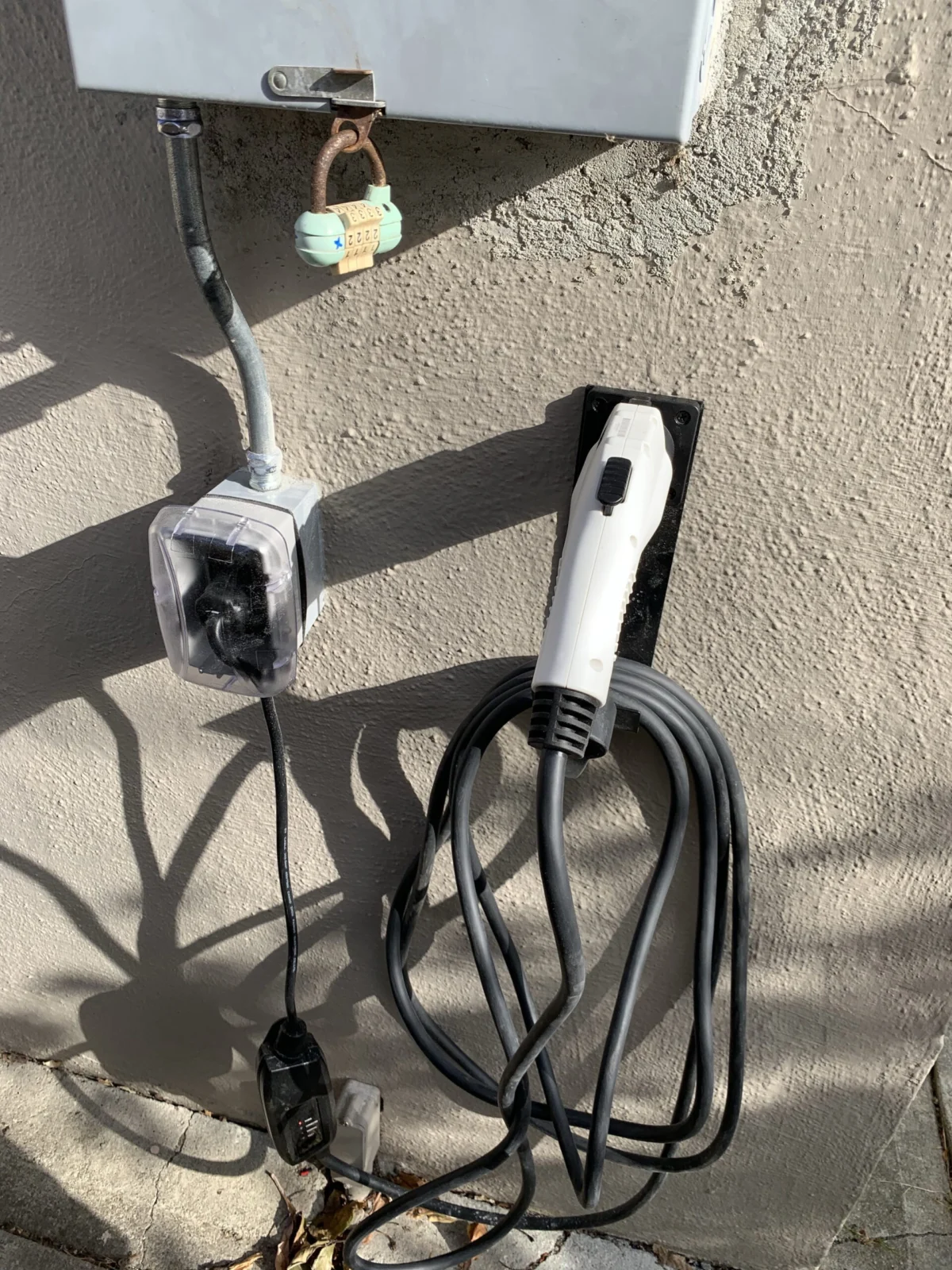
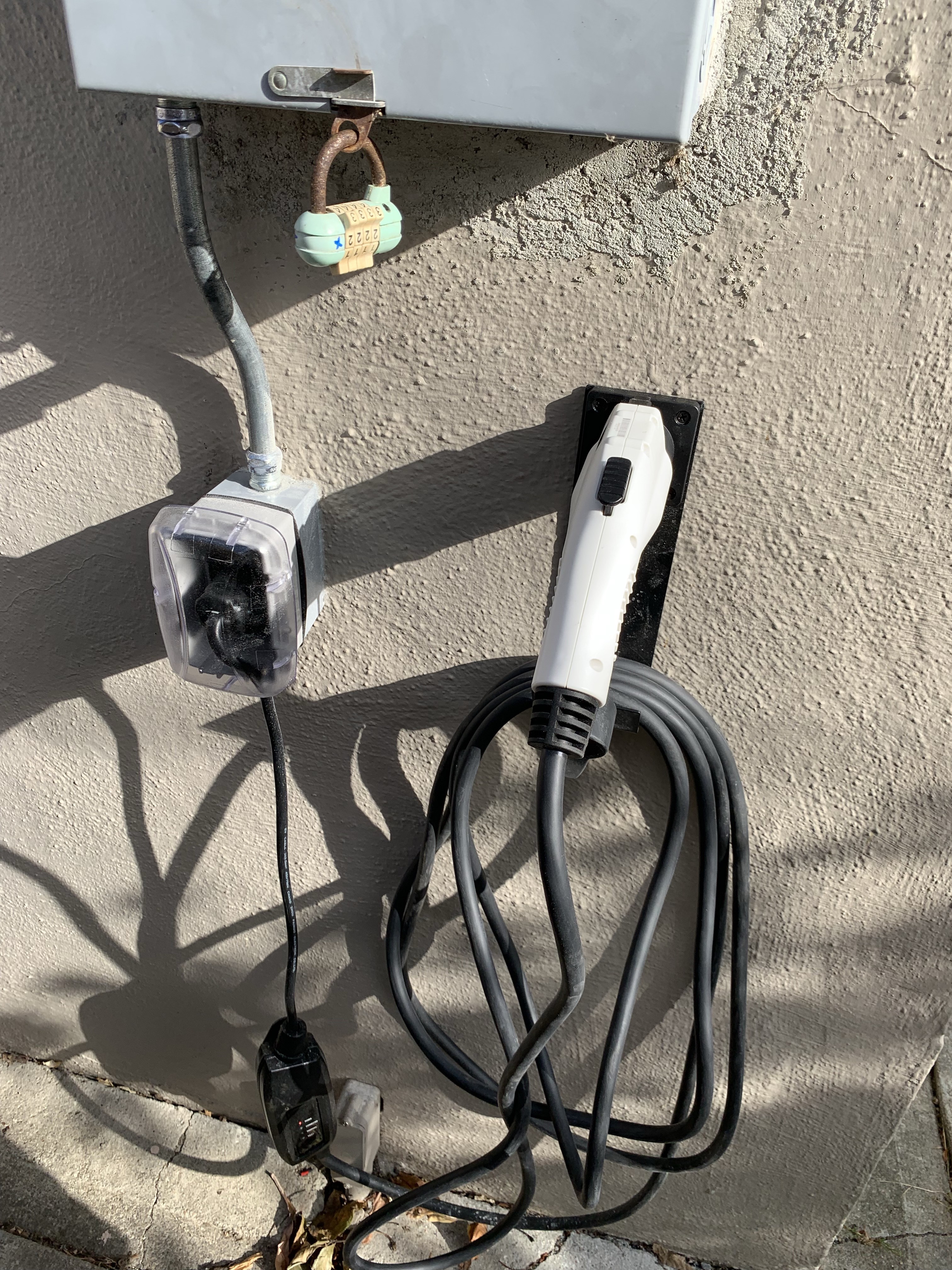
Simultaneously, the global charging infrastructure has expanded exponentially. Public charging networks, including Level 2 (240V AC) and DC Fast Charging (DCFC) stations, have become increasingly ubiquitous. DCFC, capable of replenishing 80% of a battery in 20-40 minutes, transforms long-distance travel, making it comparable in time to a typical fuel stop. Home charging, particularly Level 2 installations, further enhances convenience, allowing drivers to "fuel up" overnight, waking up to a full "tank" every morning. This fundamental shift in refueling habits—from scheduled detours to gas stations to seamless overnight charging at home—is a key factor in the superior user experience of EVs.
Beyond batteries and charging, advancements in electric motor technology have led to vehicles with instant torque, smooth acceleration, and remarkably quiet operation. The simplicity of the electric drivetrain, with far fewer moving parts than an ICE, also promises lower maintenance costs and greater reliability over the vehicle’s lifespan.
The Economic Case for EVs: Cost Parity and Incentives

Initially, the higher upfront cost of electric vehicles was a significant barrier to widespread adoption. However, this gap has been steadily closing. As of 2023-2024, many mainstream EVs, such as the Tesla Model 3, Hyundai Kona Electric, and Kia Niro EV, are priced competitively with their gasoline counterparts, especially when considering various incentives and the total cost of ownership.
Government incentives, including federal tax credits, state rebates, and local programs, play a crucial role in making EVs more affordable. In regions like California, these incentives can reduce the effective purchase price by several thousand dollars, bringing it down to a level comparable to or even below popular gasoline sedans or compact SUVs. For instance, a vehicle initially priced around $38,000 might effectively cost $30,000 or less after applying all eligible incentives.
The total cost of ownership (TCO) further strengthens the economic argument for EVs. Electricity is generally cheaper per mile than gasoline, and charging at home during off-peak hours can dramatically reduce energy costs. Furthermore, EVs typically require less maintenance; there are no oil changes, spark plugs, fuel filters, or complex exhaust systems to service. Regenerative braking, a feature in most EVs, also reduces wear on brake pads, extending their lifespan significantly. These ongoing savings in fuel and maintenance costs often offset any remaining upfront price premium over the life of the vehicle. Insurance costs, once a concern, are also normalizing as more data becomes available and repair networks expand.
Environmental Imperatives and Policy Support
The environmental benefits of electric vehicles are a primary driver of their increased adoption and policy support. EVs produce zero tailpipe emissions, directly contributing to improved urban air quality and reducing public health issues associated with particulate matter and smog. While the electricity generation source impacts the overall carbon footprint, the grid is steadily decarbonizing with increasing renewable energy penetration. Studies consistently show that, even accounting for manufacturing and electricity generation, EVs have a significantly lower lifetime carbon footprint than comparable gasoline vehicles.
This environmental advantage aligns with global efforts to combat climate change and reduce reliance on fossil fuels. Governments worldwide are implementing policies to accelerate EV adoption, including:
- Emissions Regulations: Stricter emissions standards for ICE vehicles, and outright bans on their sale in future decades (e.g., California’s 2035 target for new ICE vehicle sales), push automakers towards electrification.
- Charging Infrastructure Investment: Public funding for charging networks is expanding, making EV ownership more practical.
- Purchase Incentives: Tax credits, rebates, and preferential treatment (e.g., HOV lane access, free parking) encourage consumers to switch.
- Fleet Electrification: Policies promoting the adoption of EVs in public and private fleets demonstrate leadership and scale.
These governmental and regulatory pushes are creating a virtuous cycle, driving demand, encouraging manufacturer investment, and further reducing costs through economies of scale.
Mainstream Adoption and Future Trajectories
The perception of electric vehicles has shifted dramatically from "expensive, experimental things for crazy people" to desirable, high-tech, and environmentally responsible choices. This transformation is reflected in rapidly growing sales figures globally. In many developed markets, EVs now account for a significant percentage of new car sales, with some regions approaching 20-30% market share and projected to grow further. This mainstream acceptance is driven by:
- Improved Product Offerings: A wider variety of EV models, including SUVs, trucks, and sedans from both legacy automakers and new players, caters to diverse consumer needs.
- Enhanced Performance: Instant torque, quiet cabins, and smooth rides offer a superior driving experience that often surprises first-time EV drivers.
- Reduced Range Anxiety: Longer ranges and accessible charging networks alleviate a major psychological barrier.
- Growing Peer Influence: As more people experience and advocate for EVs, skepticism gives way to curiosity and eventually adoption.
Despite the rapid progress, challenges remain. The cost of EVs, while decreasing, is still a hurdle for some segments of the market. Charging infrastructure, while growing, needs further expansion, particularly in rural areas and apartment complexes. The environmental impact of battery production and recycling also requires ongoing innovation and responsible practices.
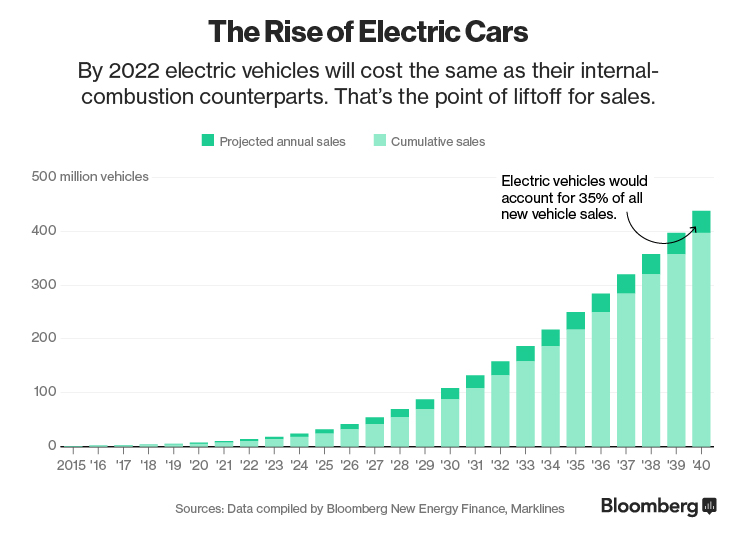
However, the trend lines are clear. The automotive future is undeniably electric. Automakers are investing billions in EV platforms, battery gigafactories, and charging solutions. Innovations in solid-state batteries promise even greater energy density, faster charging, and lower costs. Autonomous driving technologies are also largely being developed on EV platforms, further integrating advanced tech into the electric vehicle ecosystem.
The journey from a skeptical observer to an ardent advocate for electric vehicles is becoming increasingly common. What starts as a practical decision or a nod to environmental responsibility often culminates in a genuine appreciation for a fundamentally superior mode of transportation. The "radical worldview" that emerges from driving an EV—where the traditional gasoline car begins to feel, for lack of a better word, obsolete—is a powerful testament to the transformative power of this technology. The transition is not just about changing cars; it’s about embracing a new, cleaner, and more efficient way of moving through the world, signaling an irreversible shift in personal mobility.
About the Author