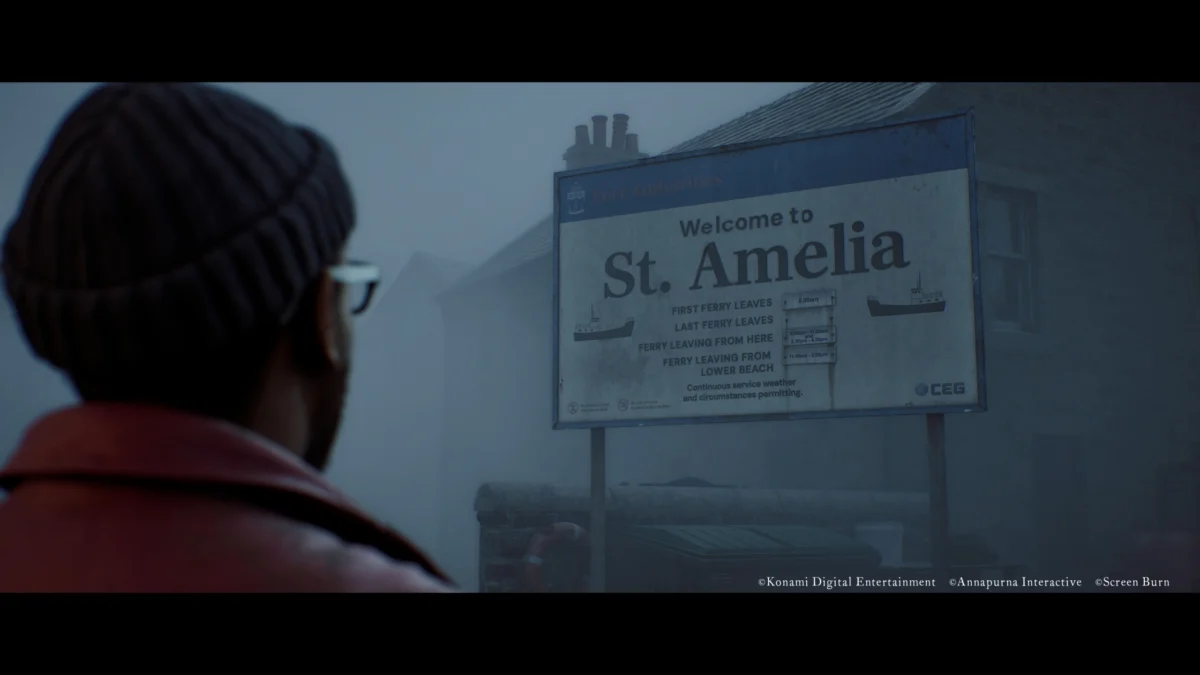
The venerable Silent Hill series, renowned for its distinct brand of narrative-driven psychological horror, is currently experiencing a significant resurgence, aligning with a renewed global interest in the genre. Following the highly anticipated remake of Silent Hill 2 by Bloober Team and NeoBards Entertainment’s intriguing Silent Hill: f, set in 1960s Japan, publishers Konami and Annapurna Interactive are poised to release Silent Hill: Townfall. This latest installment promises to delve into a more immersive, analog-driven horror experience designed to evoke a potent sense of nostalgia while delivering fresh scares. Set within an eerie Scottish town, the game places players in the shoes of an American protagonist who is profoundly disconnected from himself.
With Silent Hill: Townfall developed by Scotland-based Screen Burn, the franchise’s signature psychological horror is making a decisive shift to a first-person perspective. This strategic design choice aims to cultivate an intense sense of dread and immersion, directly challenging the player’s vulnerability. A recent preview of a near-final version of Silent Hill: Townfall offered a compelling glimpse into its world, followed by discussions with lead writer and game director Jon McKellan, alongside Silent Hill series producer Motoi Okamoto. Their insights shed light on Townfall‘s ambitious efforts to channel the series’ bizarre and haunting tone into a deeply personal, first-person psychological horror experience.
The Silent Hill Revival: A New Chapter for a Horror Icon
The Silent Hill franchise boasts a storied history, with its early entries — particularly Silent Hill 2 and Silent Hill 3 — often cited as masterpieces of the survival horror genre. Known for their intricate psychological narratives, disturbing creature designs that often symbolize characters’ inner turmoils, and a pervasive atmosphere of dread, these games carved out a unique niche. However, after a period of dwindling releases and a perceived decline in quality following the original development team’s departure, the series entered a prolonged hiatus, leaving fans yearning for a return to its roots.
Konami’s strategic decision to revive the franchise, heralded by multiple project announcements in recent years, has ignited a wave of excitement. The Silent Hill 2 remake by Bloober Team, known for its psychological horror titles like The Medium and Layers of Fear, signals a commitment to modernizing the series’ most iconic entry. Simultaneously, Silent Hill: f from NeoBards Entertainment, with its distinct 1960s Japanese setting, demonstrates a willingness to explore new cultural and historical contexts within the Silent Hill universe. Townfall emerges as another critical pillar in this revival, distinguished by its first-person perspective and a clear embrace of the "analog horror" subgenre, positioning it as a potentially pivotal entry that both respects and innovates upon the series’ legacy. This multi-pronged approach indicates Konami’s intent to broaden the franchise’s appeal while catering to diverse fan expectations. The timing is opportune, given the current boom in horror gaming, with audiences actively seeking out immersive and narrative-rich experiences.
St. Amelia: A Town in Disarray and Delusion
"We’re taking a much more grounded experience with Silent Hill: Townfall, and one of the important things that we wanted was to have a little bit of a social commentary element, with the relationship between the individual and the society of the town as a whole," explained series producer Motoi Okamoto. He elaborated on the game’s setting: "The time period is 1996, and players will be able to explore this town and this era, where they’ll see for themselves the reality and delusions within the town slowly intertwine." This commitment to social commentary distinguishes Townfall within the broader horror landscape, often leveraging the genre to explore deeper societal anxieties.
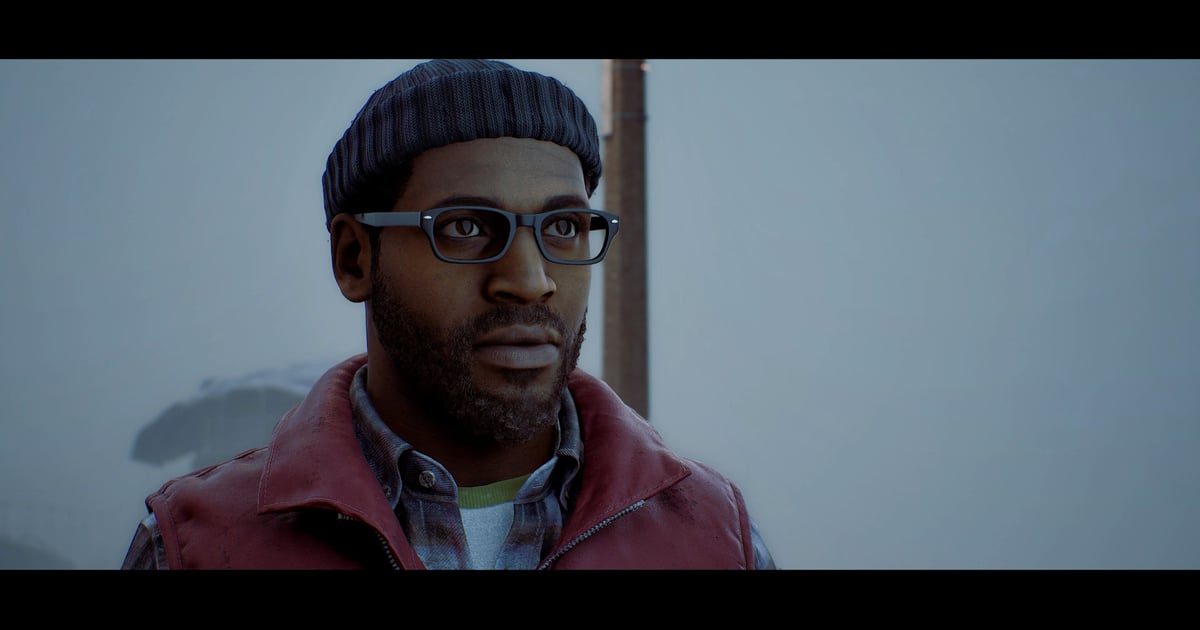
A foundational thematic element of the Silent Hill series is the concept of a protagonist haunted by a past that slowly unravels into a nightmare, often of their own psychological creation. Townfall meticulously adheres to this tradition, situating players firmly in the first-person perspective of Simon Ordell on the fictional Scottish island of St. Amelia. Simon mysteriously finds himself back on the island and immediately begins a desperate search for his significant other, Zoe. As he delves deeper, he uncovers that the town’s recent history is scarred by a bitter conflict: a labor union’s struggle against a powerful corporate institution. This societal strife has apparently boiled over, giving rise to a nightmarish, pervasive presence that has consumed the isolated community. The year 1996 itself, on the cusp of the digital age, provides a compelling backdrop for analog horror, bridging a gap between older sensibilities and emerging technologies.
This narrative structure allows Townfall to explore complex themes of collective trauma, economic disparity, and the psychological toll of social conflict. By rooting the horror in a tangible, historical struggle, the game promises a deeper layer of engagement, where the monsters are not just external threats but manifestations of societal and personal decay. The island’s isolation further amplifies this, creating a crucible where the boundaries between objective reality and subjective delusion are continuously blurred, challenging players to discern truth amidst the encroaching nightmare.
The First-Person Perspective: A Deep Dive into Vulnerability
What has always differentiated the Silent Hill series from many other survival horror games is its profound focus on the protagonist’s internal world. This isn’t merely for narrative grounding but also crucial to how players empathize with a character navigating truly horrific encounters. Townfall intensifies this connection by adopting a first-person perspective, a significant departure from the series’ traditional third-person viewpoint. This shift promises a more immediate and visceral experience of Simon Ordell’s predicament, forcing players to confront the horrors directly through his eyes.
While exploring the decaying streets and unsettling interiors of St. Amelia, Simon must strategically pick his battles, often resorting to stealth to evade grotesque monsters. Players can actively hide in rooms and lock doors, creating moments of intense vulnerability and claustrophobia, reminiscent of classic horror scenarios. Beyond physical survival, Townfall offers direct access to Simon’s "inner thoughts," which appear as on-screen text, providing real-time insights into his mental state, fears, and observations. This mechanic not only humanizes Simon but also deepens the player’s immersion into his psychological ordeal.
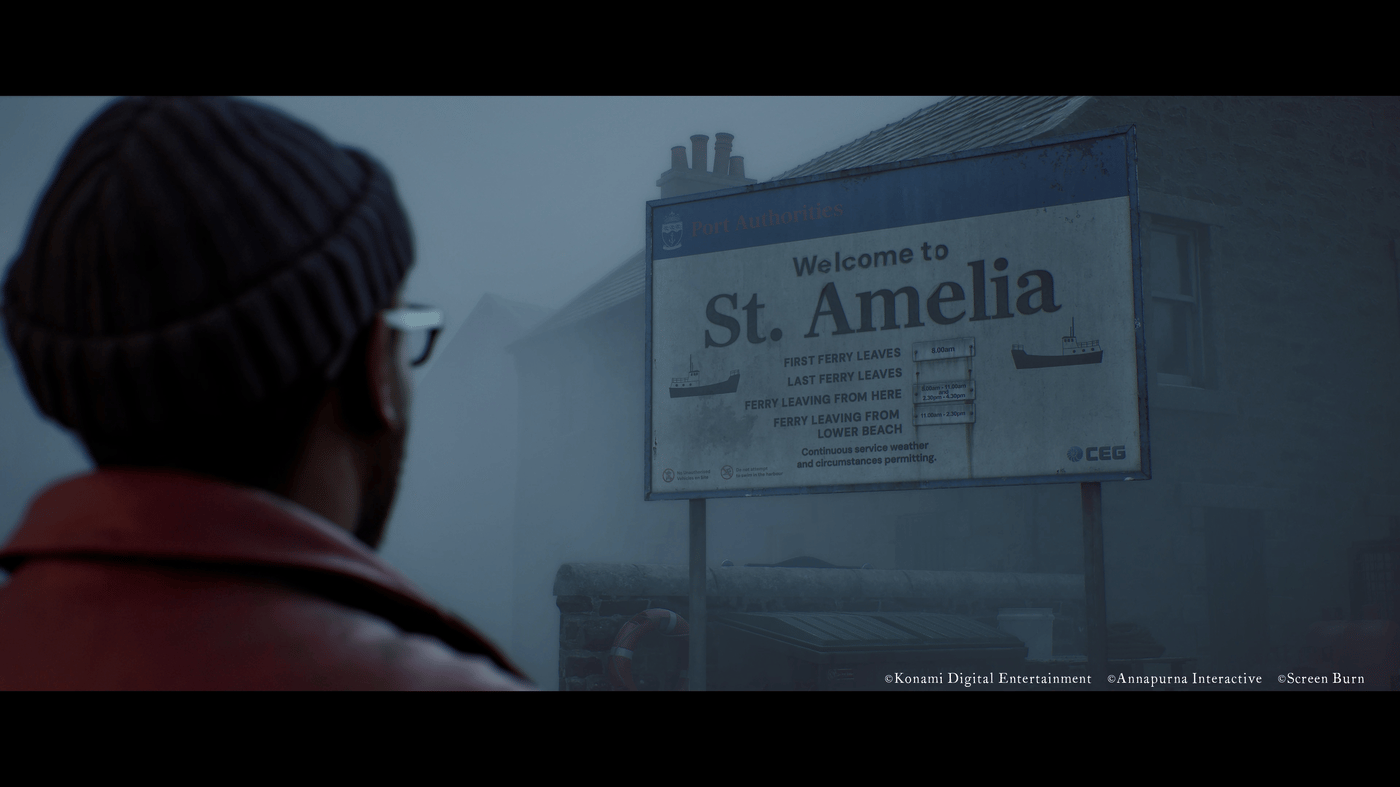
Adding another layer of unique gameplay, Simon possesses a mysterious portable TV monitor that doubles as a detector of supernatural phenomena. This device becomes a crucial lifeline, offering a compelling spin on the traditional Silent Hill dynamic of survival and action. It ensures that players are not merely controlling a character but are intrinsically linked to Simon’s precarious mental and physical state, enhancing the overall sense of dread and personal stakes.
Game director Jon McKellan emphasized a particular desire to reevaluate character presentation within a Silent Hill game. In crafting Townfall‘s central story, a clear effort was made to expose more of Simon’s immediate mental state, extending this humanization to other supporting characters as well. "From my point of view, with many Silent Hill games, it feels like every character is like ‘ships passing in the night,’ they pass by and influence each other in some way and then move on," McKellan observed. "Whereas with Townfall, Zoe’s story is with Simon, and Simon’s story is with our other character we see at the beginning — they’re all deeply connected, but they don’t really know how or why. For our Silent Hill game, we’re trying to feel a lot more like an intelligent thriller, like something you’d see on HBO. We’re really leaning into those inspirations of primetime TV shows or a movie." This ambition suggests a narrative depth akin to prestige television, focusing on intricate character relationships and a slow-burn mystery. "It’s a great slow-burn game, and that’s one of the reasons why Simon doesn’t speak out loud that often, when we do our take on inner thoughts instead," he continued. "It’s about being as natural as we can to make these characters believable — the more you’ll engage with them, the more you’ll empathize with them and with the story." This approach underscores a commitment to psychological realism, aiming to forge a profound emotional connection between the player and the game’s unfolding tragedy.
The Allure of Analog: Janky Tech and Persistent Dread
Upon experiencing Silent Hill: Townfall, many players and critics inevitably draw comparisons to the ill-fated P.T. demo from Hideo Kojima, a tantalizing teaser for a planned Silent Hill reboot that never materialized. P.T.’s profound impact on first-person, immersive horror is undeniable and continues to resonate in the genre today. However, Townfall carves out its own identity, bearing more direct similarities to Creative Assembly’s critically acclaimed Alien Isolation. This comparison is particularly apt given that many developers at Screen Burn, including Jon McKellan, contributed to the 2014 classic.
Alien Isolation masterfully blended stealth, survival, and a reliance on unreliable, retro-futuristic technology to create a constant sense of vulnerability. Screen Burn’s previous work, Stories Untold, further cemented their expertise in immersive, analog-driven horror, utilizing vintage computer interfaces and fragmented narratives to build suspense. Townfall continues this lineage, leveraging the signature hook of relying on inherently unreliable technology to navigate and survive.
"Analog horror has been our calling card since day one," McKellan stated. "I was the user interface director on Alien Isolation, so I was working on the look of the old tech and designed the motion tracker for that one. It’s always been kind of in my blood to do VHS and that kind of visual style, and the same goes with Stories Untold. Working on Silent Hill: Townfall was like an evolution of that as well. With Silent Hill, it felt like, ‘okay, how do you pull this in and make it feel part of the world?’ I think the important thing for me is to make sure it doesn’t feel like a gimmick." This meticulous attention to integrating analog aesthetics and mechanics ensures that the technology isn’t just a visual flair but a fundamental component of the gameplay and horror experience.
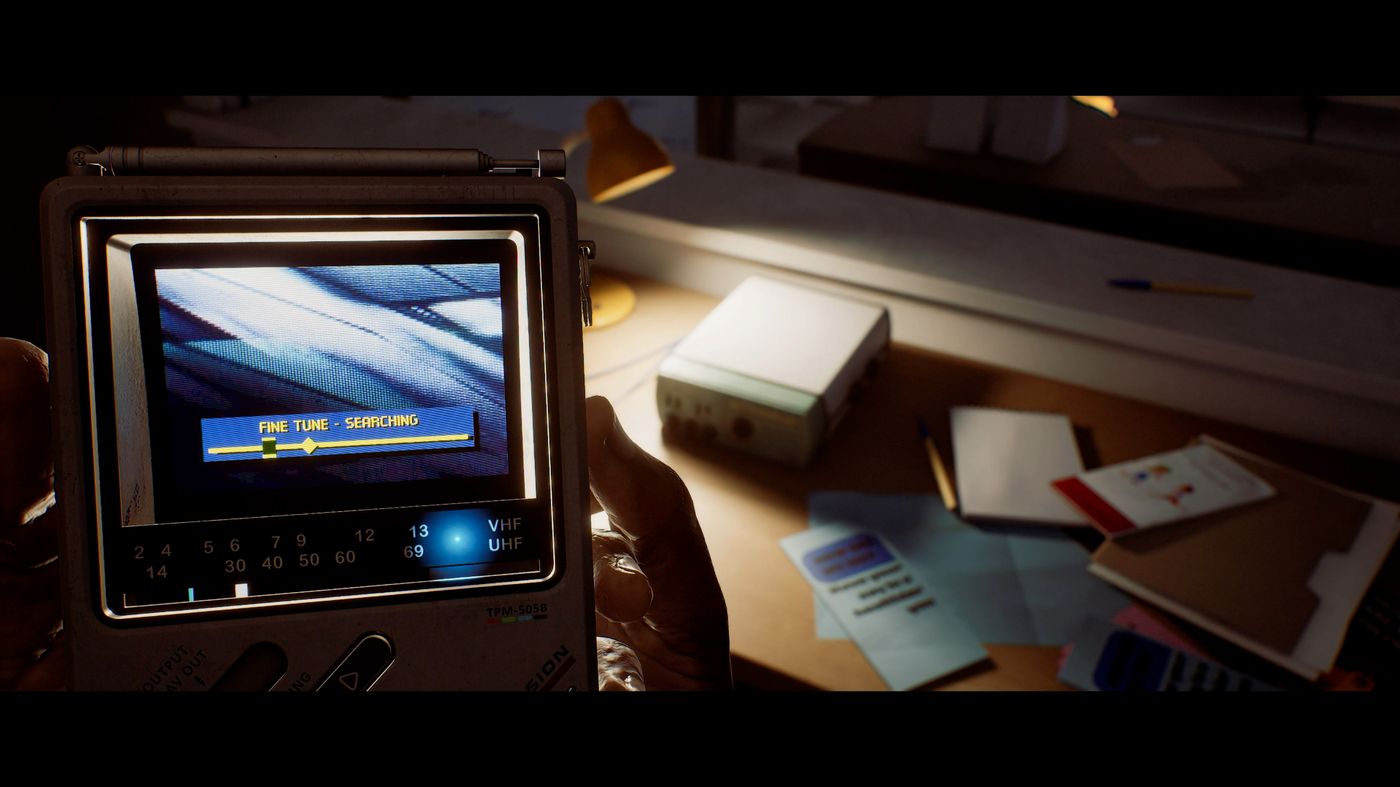
While the Silent Hill series has always incorporated subtle elements of analog horror, particularly through its static-filled radios warning of nearby threats, Townfall takes this concept to its absolute core. Simon’s most indispensable tool is his portable television, which functions as an evolved version of the infamous radio. This handheld device not only alerts players to proximate dangers but also offers a distorted, yet crucial, visual feed, allowing Simon to perceive enemies lurking behind walls or obscured by the pervasive fog. However, its operation is not seamless; players must actively tune the television to the correct frequency in real-time, adding a layer of frantic engagement and vulnerability to every encounter. This manual tuning process itself creates moments of heightened tension, as fumbling with the dial could mean the difference between survival and a gruesome end.
Much like Alien Isolation, a significant portion of Townfall‘s challenge stems from players having to depend on janky, retro technology to overcome obstacles and puzzles. One illustrative example from the preview involved Simon attempting to decipher a security passcode in a pharmacy. His portable television provided cryptic, numbered clues through distorted analog recordings, forcing players to piece together information from an unreliable source. By funneling glimpses of the world through a deliberately imperfect, static-ridden analog feed, the game creates unnerving yet captivating moments. This ingenious blend of psychological horror with the moment-to-moment chills of navigating a treacherous environment ensures that Townfall delivers a unique and deeply immersive survival experience.
Furthermore, the portable television serves a crucial narrative function, acting as the primary conduit for Zoe to communicate with Simon. Through this device, she sends him clues, poignant insights, and fragments of information vital to his quest. This innovative communication method allows players to interact with a key, enigmatic character within the story, further enriching the narrative and emotional stakes. Screen Burn specifically highlighted this element as central to their more intimate and character-driven take on psychological horror, emphasizing the fragile connection between Simon and Zoe amidst the encroaching madness.
Implications and the Future Trajectory of Silent Hill
The recent strategy of the Silent Hill series, embracing an anthology approach with multiple distinct projects, empowers developers to take bolder creative risks with its character-driven survival horror. Townfall represents a significant departure from the series’ traditional third-person horror, yet it remains deeply rooted in the introspective scares that made the original trilogy so profoundly memorable. The shift to a first-person perspective, coupled with its keen focus on lo-fi visuals and analog mechanics, particularly highlights how captivating and compelling a Silent Hill narrative can be when presented through a fresh lens and in an entirely new setting.
Silent Hill: Townfall is not merely another entry; it is a testament to the franchise’s enduring power to reinvent itself while honoring its psychological core. By blending established genre tropes with innovative gameplay mechanics and a deep narrative focus on social commentary and individual trauma, Screen Burn, Konami, and Annapurna Interactive are poised to deliver an experience that could redefine expectations for the series. Its commitment to immersive first-person dread and the unique integration of analog technology promise a distinct and unsettling journey, solidifying Townfall‘s potential to leave a lasting mark on both the Silent Hill legacy and the broader landscape of psychological horror. This new direction suggests a vibrant future for the franchise, where diverse interpretations can coexist, pushing the boundaries of what Silent Hill can be for a new generation of players.
About the Author