Swedish publisher Coffee Stain has demonstrated a remarkable ability to generate substantial cash flow, achieving a significant 37 percent increase in net sales to SEK 253 million ($26.6 million) in the first quarter ended June 2026, despite what it describes as "weaker-than-expected performances" from recent releases Deep Rock Galactic: Rogue Core and Fellowship Season 3. This financial resilience, detailed in the company’s fiscal report for Q1 FY 2026/27, underscores the enduring strength and strategic importance of its core portfolio and diversified revenue streams, particularly in a period marked by significant corporate restructuring following its spin-off from the Embracer Group.
A Robust Financial Quarter Driven by Core Strengths
The surge in Coffee Stain’s net sales during the first fiscal quarter, translating to a substantial year-over-year growth, was primarily fueled by the continued success of its acclaimed automation simulator, Satisfactory. The report specifically highlighted the console version of the popular title as an "important contributor" to this impressive financial upswing. Satisfactory, which has cultivated a dedicated fanbase on PC through its Early Access journey since 2019, has evidently found a new and eager audience on console platforms, validating Coffee Stain’s strategy of expanding its established intellectual properties to broader markets. The game’s unique blend of factory building, exploration, and resource management has resonated deeply with players, leading to millions of copies sold and sustained engagement, making it a cornerstone of the publisher’s financial stability. Its transition to consoles not only broadens its reach but also taps into a demographic that may prefer the platform-specific experience, thereby injecting new life and revenue into a mature product.
Beyond its flagship PC and console titles, Coffee Stain also reported a healthy contribution from its Roblox and mobile platforms, which collectively amounted to SEK 36 million ($3.8 million) in net sales. A significant portion of this, SEK 20 million ($2.1 million), was attributed to Welcome to Bloxburg, a life simulator developed by Coffee Stain Gothenburg for the immensely popular Roblox platform. This performance underscores the publisher’s successful diversification strategy, leveraging the vast user base and unique monetization models of platform-centric gaming. Welcome to Bloxburg stands as a testament to the potential of user-generated content platforms like Roblox to generate substantial revenue, positioning Coffee Stain as a savvy operator capable of tapping into diverse segments of the gaming market beyond traditional premium releases. This strategic diversification not only mitigates risks associated with single-platform or single-genre reliance but also opens avenues for sustained growth in evolving digital ecosystems.
Navigating Early Access: The Case of Deep Rock Galactic: Rogue Core
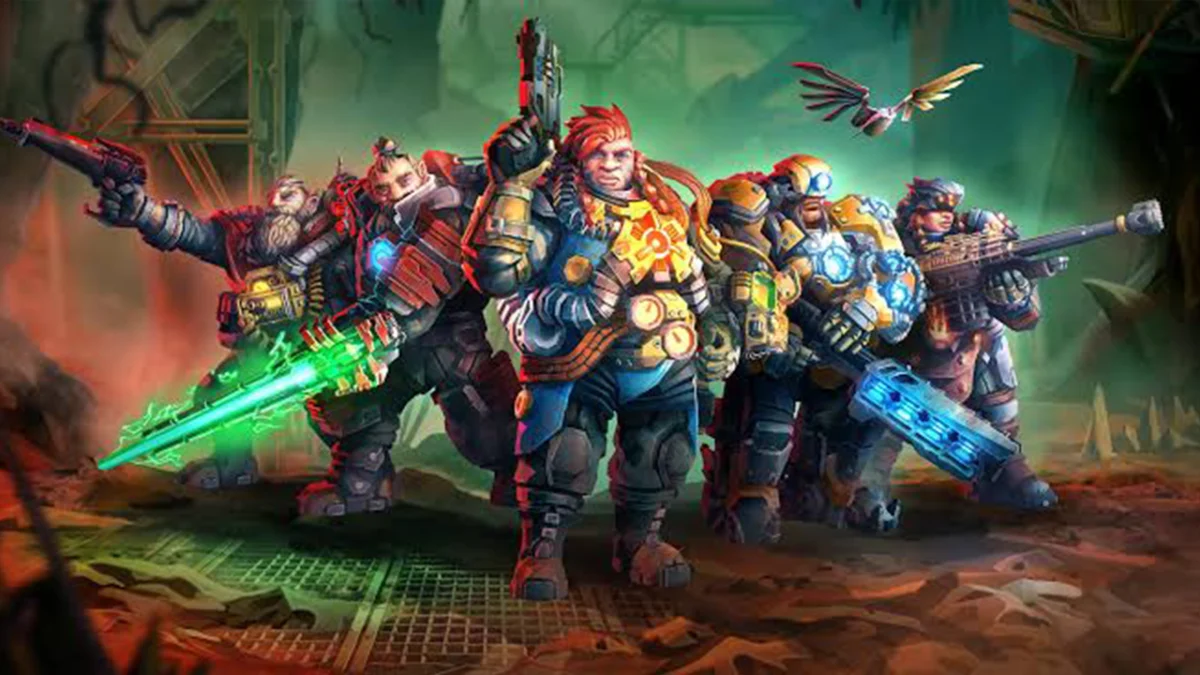
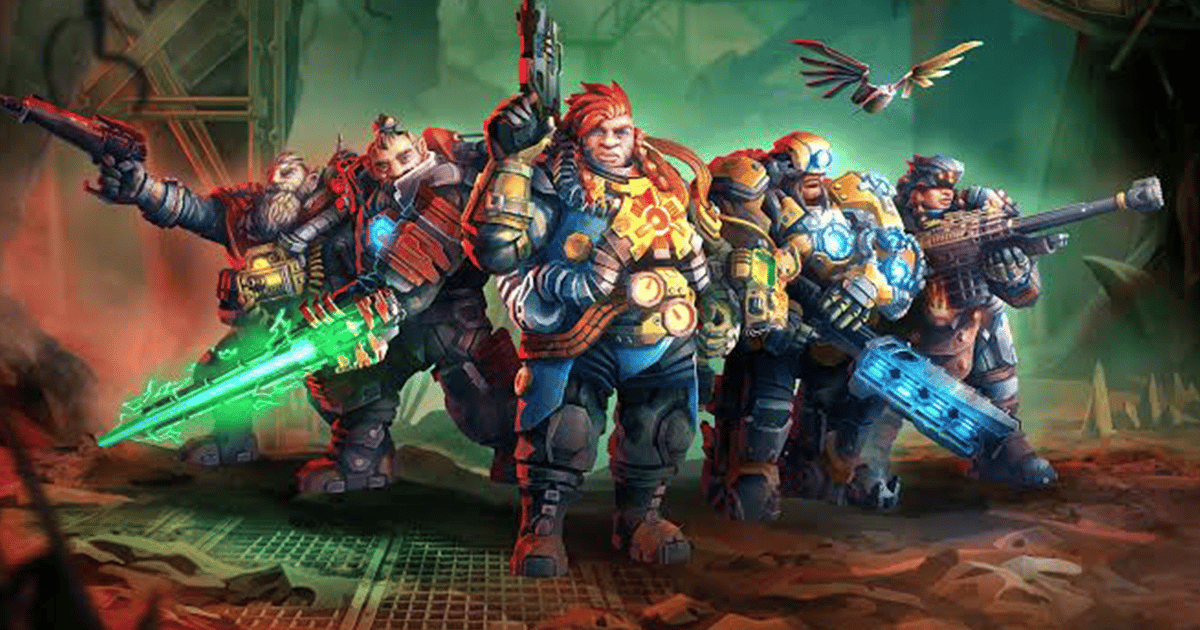
While the overall financial picture painted a vibrant image of growth, the report also brought to light some notable challenges, particularly concerning new releases. Deep Rock Galactic: Rogue Core, a highly anticipated spin-off from the critically acclaimed Deep Rock Galactic franchise, entered Early Access in May 2026. Initially, it performed strongly, generating SEK 48 million in net sales, buoyed by the immense popularity and established fanbase of its predecessor. However, this initial commercial success was quickly overshadowed by issues related to player retention and satisfaction.
Coffee Stain’s Q1 earnings presentation candidly acknowledged that "player sentiment was mixed and engagement declined faster than expected." This assessment points to common pitfalls within the Early Access development model, where initial hype and sales can be significant, but long-term success hinges critically on continuous engagement, transparent communication, and rapid iteration based on player feedback. For Rogue Core, the challenge appears to lie in translating the established goodwill of the Deep Rock Galactic universe into a new, compelling experience that resonates similarly. The original Deep Rock Galactic, developed by Ghost Ship Games, achieved monumental success by offering a unique cooperative PvE experience, characterized by its procedural generation, class-based gameplay, and strong community focus. Its blend of mining, exploration, and intense combat against alien swarms garnered widespread critical acclaim and fostered a deeply loyal player base, selling millions of copies and receiving numerous content updates over its lifespan.
The expectations for Rogue Core were naturally high, given its lineage. The "mixed player sentiment" likely indicates a divergence between what players expected from a Deep Rock Galactic follow-up and the actual experience delivered in Early Access. This could stem from various factors, including gameplay mechanics, progression systems, content depth, or technical stability. Coffee Stain has affirmed its commitment to addressing these concerns, stating, "We have a clear view of what did not work as intended and are taking focused action with the development team." However, the company’s future investment in the project is explicitly conditional, depending on "evidence of improved player engagement." This cautious approach highlights the commercial realities of game development, where even established franchises must prove their long-term viability, especially in the competitive Early Access landscape. The development team will now face the arduous task of refining the game, implementing substantial changes, and rebuilding player trust to secure continued support.
Refocusing Fellowship: A Strategic Reduction in Investment
Another new multiplayer title, Fellowship, a dungeon adventure developed externally by Chief Rebel, also struggled to capture a significant audience, prompting a strategic reassessment by Coffee Stain. Despite the launch of Season 3 in June, the game’s engagement levels remained "below our targets," indicating a persistent challenge in attracting and retaining players in the highly competitive live-service multiplayer genre.
The initial investment and expectations for Fellowship were clearly substantial, reflected in the previous development setup involving 35 full-time equivalent (FTE) staff. However, the consistent underperformance has led to a crucial agreement between Coffee Stain and Chief Rebel to scale back operations significantly. The company announced a more "sustainable setup" where, from Q3 FY 2026/27, the game will be developed by a more focused core team of 15 FTEs, a reduction of over 50 percent. This decision, while difficult, represents a pragmatic approach to managing underperforming assets, aiming for a more "efficient development setup, better aligned with the game’s current traction and priorities, while materially reducing our ongoing investment."
This move reflects a broader industry trend where publishers are increasingly scrutinizing the return on investment for live-service games, which require continuous content updates and community management to thrive. The challenges faced by Fellowship are not unique; many multiplayer titles struggle to break through the crowded market dominated by established giants. The reduction in team size for Fellowship is a clear signal of financial prudence and a reallocation of resources towards more promising ventures or established successes. For Chief Rebel, this necessitates a significant adjustment, potentially leading to layoffs or reassignments for staff previously dedicated to the project. It underscores the high stakes involved in developing and maintaining live-service games, where sustained player engagement is not just a metric but a determinant of a project’s long-term viability and the size of its development team.
The Post-Embracer Era: Independence and New Strategic Horizons
These financial results and strategic adjustments for new titles unfold against the backdrop of a momentous corporate transformation for Coffee Stain. The publisher was recently spun out of the Embracer Group, the Swedish conglomerate that, after years of aggressive mergers and acquisitions, announced ambitious plans to separate its vast business empire into multiple standalone publicly-traded entities. This strategic pivot came after a period of intense financial strain for Embracer, characterized by a "deluge of layoffs, divestments, and studio closures" following a failed $2 billion deal that plunged the company into a severe restructuring program.
The decision to spin off Coffee Stain Group, alongside Amplifier Game Invest and other entities, into a new, independent publicly listed company named Neon, was presented as a move to unlock shareholder value and allow each segment to pursue its own specialized strategies with greater agility. For Coffee Stain, this independence marks a pivotal moment, transitioning from being a subsidiary within a massive, complex holding company to operating as a self-reliant entity with direct accountability to its shareholders.
Historically, Embracer Group had acquired Coffee Stain in 2018, integrating its successful IPs like Satisfactory and Deep Rock Galactic into its burgeoning portfolio. Under Embracer’s umbrella, Coffee Stain continued to grow, benefiting from the conglomerate’s financial backing and strategic support. However, the scale and complexity of Embracer’s operations, which included hundreds of studios and IPs, eventually led to inefficiencies and a loss of focus. The spin-off allows Coffee Stain to streamline its decision-making, concentrate its investments on its core strengths, and potentially explore new partnerships or acquisitions more autonomously.
The implications of this newfound independence are multifaceted. On one hand, Coffee Stain now bears the full weight of market scrutiny and financial performance. Every quarter’s report, every game launch, and every strategic decision will be under intense observation. On the other hand, it gains the freedom to chart its own course, allocate capital without the complexities of a larger corporate structure, and potentially foster a more focused and cohesive corporate culture. This separation is expected to empower Coffee Stain to respond more rapidly to market trends, invest more strategically in its successful franchises, and potentially even nurture new internal or external development partnerships that align with its specific vision.
Broader Market Implications and Future Outlook
Coffee Stain’s Q1 FY 2026/27 report offers several key takeaways for the broader video game industry. Firstly, it underscores the paramount importance of a robust back catalog and diversified revenue streams in providing financial stability, even when new releases falter. Satisfactory‘s enduring success and the strong performance of Welcome to Bloxburg illustrate how established IPs and platform diversification can act as crucial shock absorbers against the inherent risks of launching new games in a highly competitive market.
Secondly, the experiences with Deep Rock Galactic: Rogue Core and Fellowship serve as stark reminders of the challenges inherent in the live-service and Early Access models. While these models offer opportunities for iterative development and community engagement, they also demand exceptional execution, clear communication, and a deep understanding of player expectations. Player sentiment, particularly in Early Access, can make or break a title, and publishers must be prepared to either pivot decisively or reallocate resources when engagement falls short. The strategic reduction in investment for Fellowship reflects a pragmatic, albeit difficult, approach to managing portfolio risk, a lesson many publishers are learning in the current economic climate.
Looking ahead, Coffee Stain’s future as an independent entity will be closely watched. Its ability to leverage its proven IPs, like Deep Rock Galactic and Satisfactory, while carefully navigating the development of new projects, will be critical. The company’s strategic focus on both traditional premium games and platform-centric titles positions it uniquely to adapt to evolving industry landscapes. The challenge will be to maintain the creative spirit that has driven its successes while adhering to the financial discipline required of a publicly traded company. The Q1 report, therefore, paints a picture of a company in transition—one that is financially healthy thanks to its core strengths but also keenly aware of the need to adapt and refine its strategy for future growth in an ever-dynamic global gaming market.
About the Author