Itch.io, a prominent open marketplace for independent digital creators, has once again underscored its commitment to accessible gaming by spotlighting a fresh selection of action-packed browser-based titles. This curated collection bypasses the traditional necessity of downloads and installations, allowing players to dive into an array of experiences—from intricate roguelites and frantic bullet hells to physics-driven races and unique horde survival challenges—with mere clicks. The initiative not only serves as a testament to the versatility of modern web technologies but also reinforces itch.io’s role as a vital platform fostering indie game development and discovery.
The Resurgence of Browser Gaming: A Historical Perspective
Browser-based gaming, while experiencing a significant resurgence in recent years, has a rich history rooted in the early days of the internet. The late 1990s and early 2000s saw the rise of Flash-based games, which offered casual entertainment directly within web browsers, democratizing access to interactive experiences long before widespread broadband adoption. Platforms like Newgrounds, Kongregate, and Miniclip became cultural touchstones, hosting millions of players and countless small-scale titles. These early games, often characterized by their simplicity and immediate playability, laid the groundwork for a generation of developers and players.
However, the proliferation of dedicated gaming consoles, PC digital storefronts like Steam, and the eventual decline of Adobe Flash in favor of more open web standards (like HTML5, WebGL, and WebAssembly) led to a temporary dip in the prominence of browser gaming. Many perceived it as a niche for casual or rudimentary experiences. The past decade, however, has witnessed a remarkable transformation. Advancements in web technologies have significantly enhanced graphical capabilities, performance, and cross-platform compatibility. This technological evolution, combined with a growing desire for instant gratification and frictionless access, has paved the way for a new era of sophisticated browser games. Itch.io has emerged as a crucial facilitator in this new landscape, providing a robust platform where developers can publish and monetize their browser-ready creations with unparalleled ease.
Itch.io’s Distinctive Role in the Indie Ecosystem

Founded in 2013, itch.io distinguishes itself from other digital storefronts through its strong emphasis on developer-centric policies, flexible pricing models, and a community-driven ethos. Unlike more traditional platforms that often take a substantial cut of sales, itch.io allows developers to set their own revenue share, often opting for a higher percentage that directly supports their creative endeavors. This approach has cultivated a vibrant ecosystem where experimental, niche, and highly creative games can thrive without the intense commercial pressures found elsewhere.
The platform’s user interface is designed for discovery, featuring curated collections, jam showcases, and developer blogs that highlight emerging talent and innovative projects. For players, this means access to a constant stream of fresh content, often free or available on a "pay-what-you-want" basis, fostering a direct connection between creators and their audience. The current spotlight on action games playable directly in browsers exemplifies this philosophy, showcasing how high-quality, engaging experiences can be delivered without the barriers of hefty downloads or specific operating system requirements. This accessibility is particularly impactful for players with limited storage, older hardware, or those simply seeking quick, commitment-free entertainment.
Deep Dive into Itch.io’s Featured Action Games
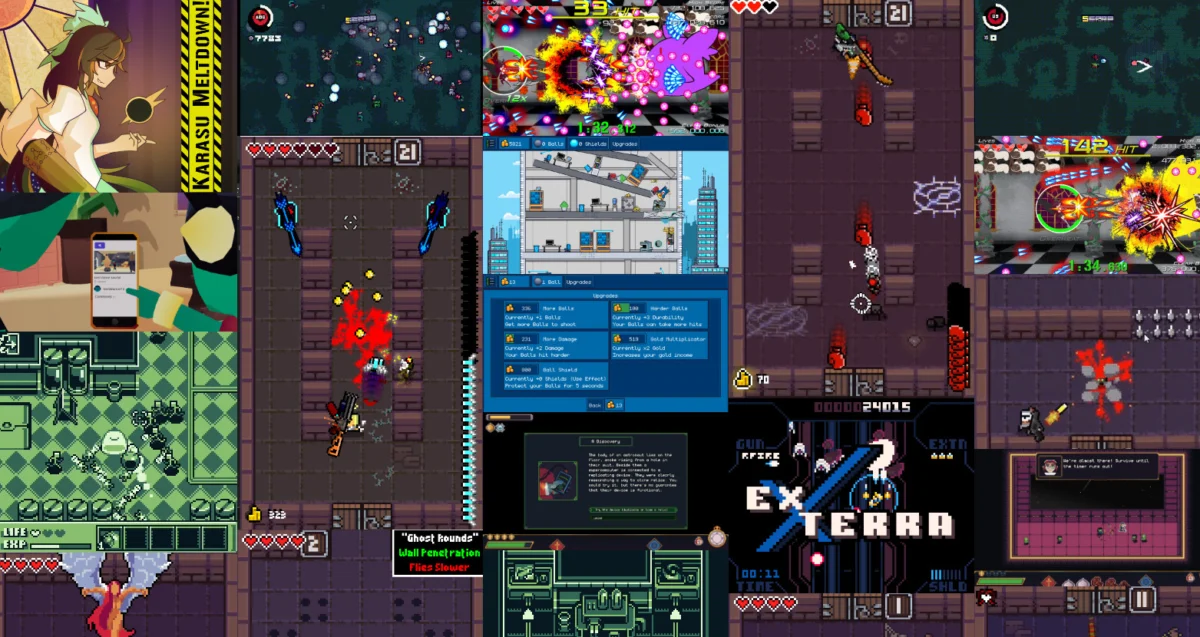
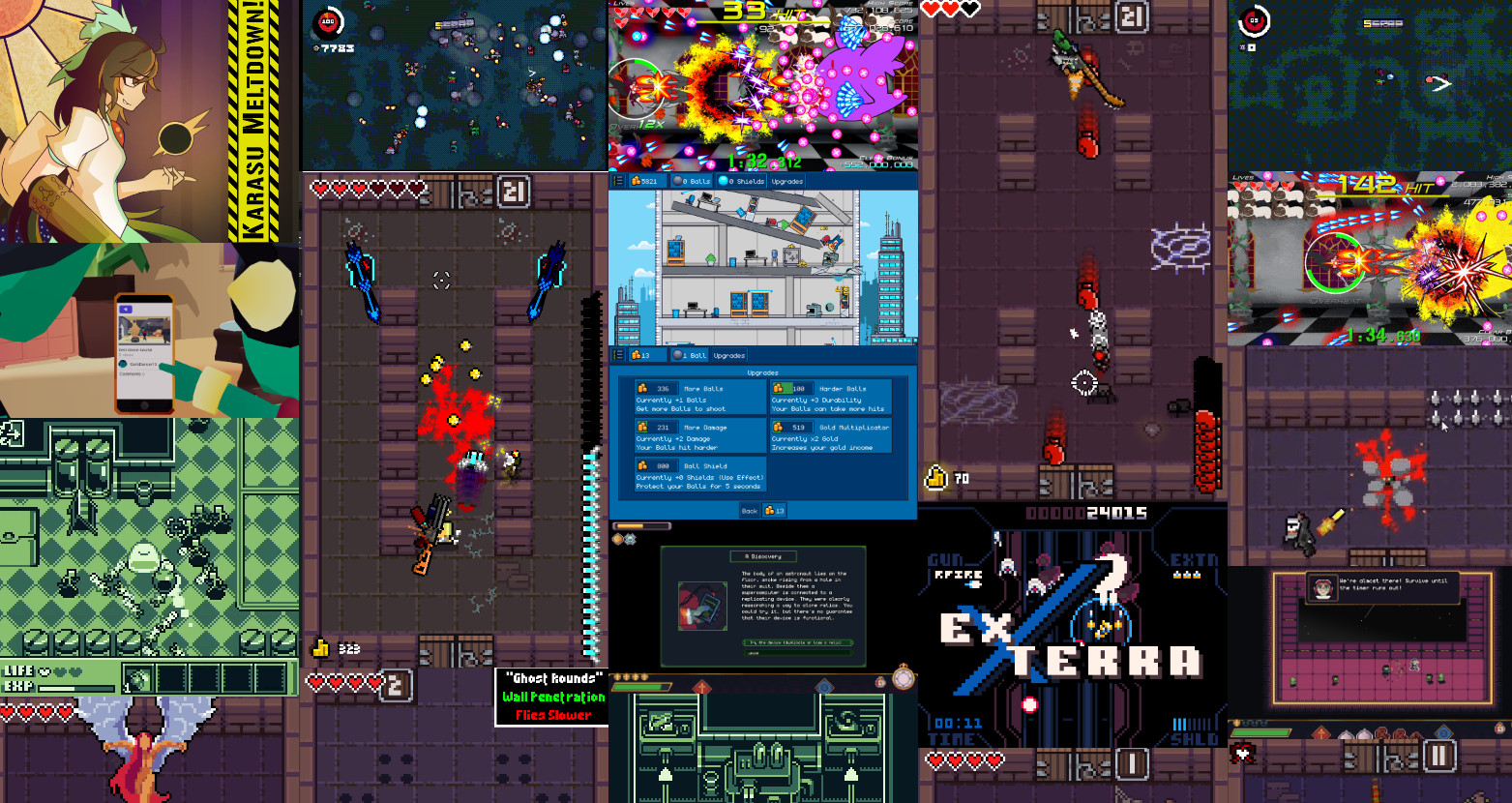
The recent selection of browser-based action games highlights a broad spectrum of genres and artistic styles, demonstrating the creative depth flourishing within the indie community.
Gun Knight: This roguelite title plunges players into a pixel-art dungeon adventure where the unique premise revolves around "GUN MAGIC." Players assume the role of a Knight, traditionally a melee combatant, but here armed with a pistol. The core gameplay loop involves delving into a dungeon, systematically modifying the starting weapon by collecting various gun parts. This innovative twist on the roguelite formula, which typically focuses on character upgrades or spell acquisition, places the weapon itself at the center of progression. Each run offers a unique challenge as players experiment with different attachments, influencing firing rates, bullet patterns, damage output, and special abilities. The game’s pixel art aesthetic provides a nostalgic yet crisp visual experience, complementing the strategic depth offered by its weapon modification system. Available for free, Gun Knight offers a compelling blend of action, discovery, and replayability.
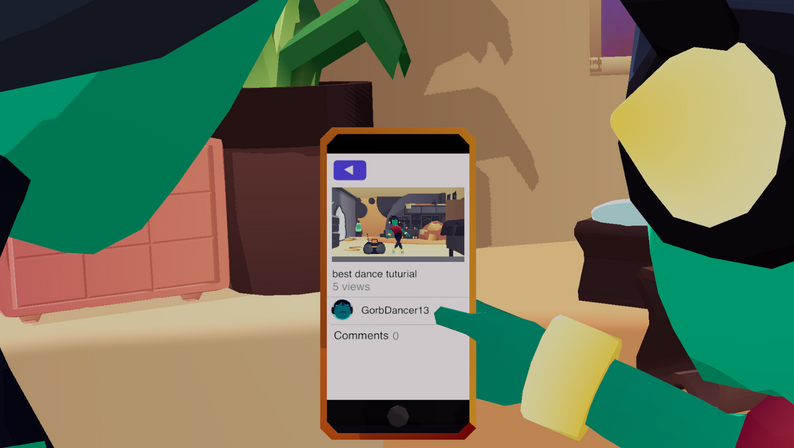
Portal to the Cosmobeat: Shifting gears dramatically, Portal to the Cosmobeat presents a lighthearted 3D casual dancing game. Players assist Gorb, an aspiring dancer, on a galactic quest to become the best performer in the cosmos. The game eschews traditional combat for rhythm-based challenges, requiring precise timing and coordination to execute dance moves and impress judges across the galaxy. The vibrant 3D visuals and whimsical narrative create an engaging and accessible experience, suitable for players seeking a less intense, more celebratory form of action. Its availability across Windows, Linux, and directly in browser further broadens its appeal.
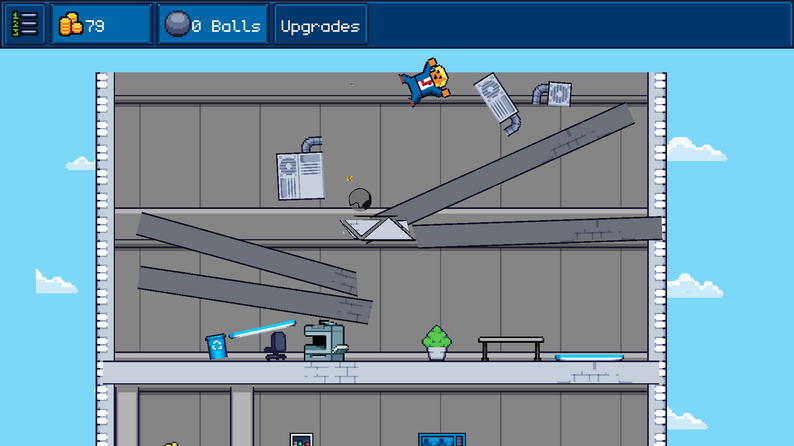
Plummet Panic: Developed in a brisk five days for the Godot Wild Jam #73, Plummet Panic is a physics-based incremental progression game. The objective is deceptively simple: guide the main character to the bottom floor by strategically destroying floors and collecting money. The physics engine drives the core mechanics, requiring players to consider momentum, gravity, and structural integrity as they dismantle their environment. The "incremental progression" element ensures that each round builds upon the last, with collected funds enabling upgrades that enhance the character’s abilities or destructive power, leading to deeper descents and higher scores. This jam-born title showcases how constraints can foster innovative gameplay, offering a surprisingly addictive experience across Windows, macOS, Linux, and browsers.
EX TERRA: For fans of classic arcade action, EX TERRA delivers a PICO-8 caravan shoot ’em up (shmup) experience. Players are tasked with defending Earth by piloting a caravan to the planet’s core. The game features two distinct stages that emphasize close-quarters combat and high-scoring potential. Its retro PICO-8 aesthetic, characterized by a limited color palette and pixelated graphics, evokes the charm of 8-bit consoles while offering modern gameplay refinements. Key mechanics include a responsive lock-on system for targeting multiple enemies, various weapon types to adapt to different threats, and a strategic shield mechanic that balances offense and defense. Available for a modest price on desktop platforms and free in browser, EX TERRA is a testament to the enduring appeal of the shmup genre and the capabilities of minimalist game development platforms.
Groblin Survivors: This title masterfully fuses the popular horde survival genre with elements of tower defense and roguelite progression. Players are challenged to construct defenses to repel waves of incoming enemies while actively dodging attacks. The chunky pixel art graphics provide a clear and engaging visual style, making it easy to distinguish enemy types and environmental elements. The roguelite progression ensures that each attempt to survive longer than the last offers new upgrades and strategic choices, encouraging experimentation with different defensive layouts and character builds. Groblin Survivors taps into the addictive loop of continuous improvement and strategic planning, making it a compelling free-to-play option for Windows and browser users.
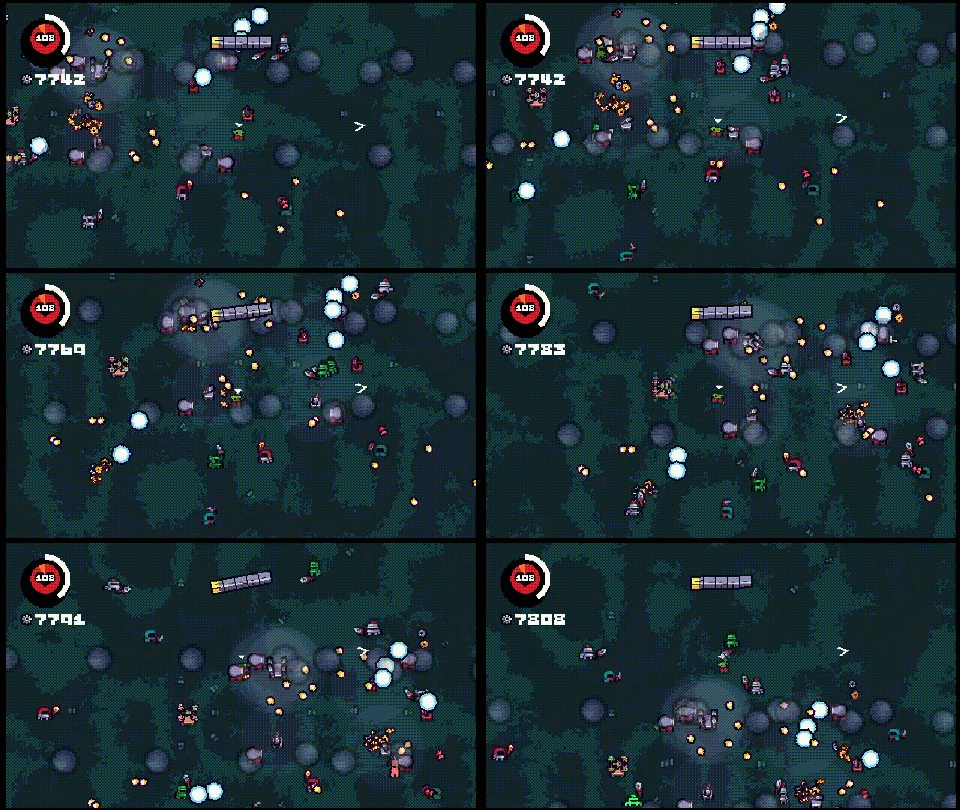
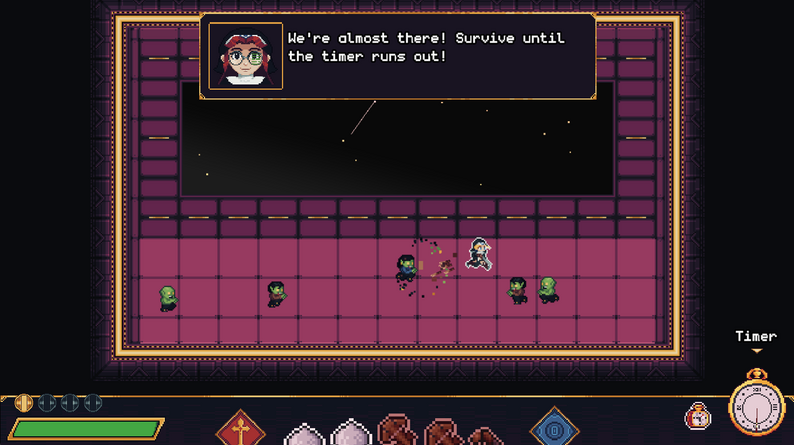
Moon Watch: Created for the Post Jam ‘Jam’ #9, Moon Watch offers a unique blend of Time-Stop Horde Survival and Roguelite Deck-Building. Set against the backdrop of a vampire-infested moon, players must battle hordes of supernatural foes. The standout mechanic is the ability to manipulate time, allowing players to pause or slow down the action to strategically set up devastating combos and overcome seemingly insurmountable challenges. This time-manipulation element, combined with a robust deck-building system featuring various cards and relics, adds significant strategic depth and replayability. As a browser-exclusive title, Moon Watch exemplifies how complex mechanics can be delivered through accessible web platforms, providing a fresh take on the survival genre.
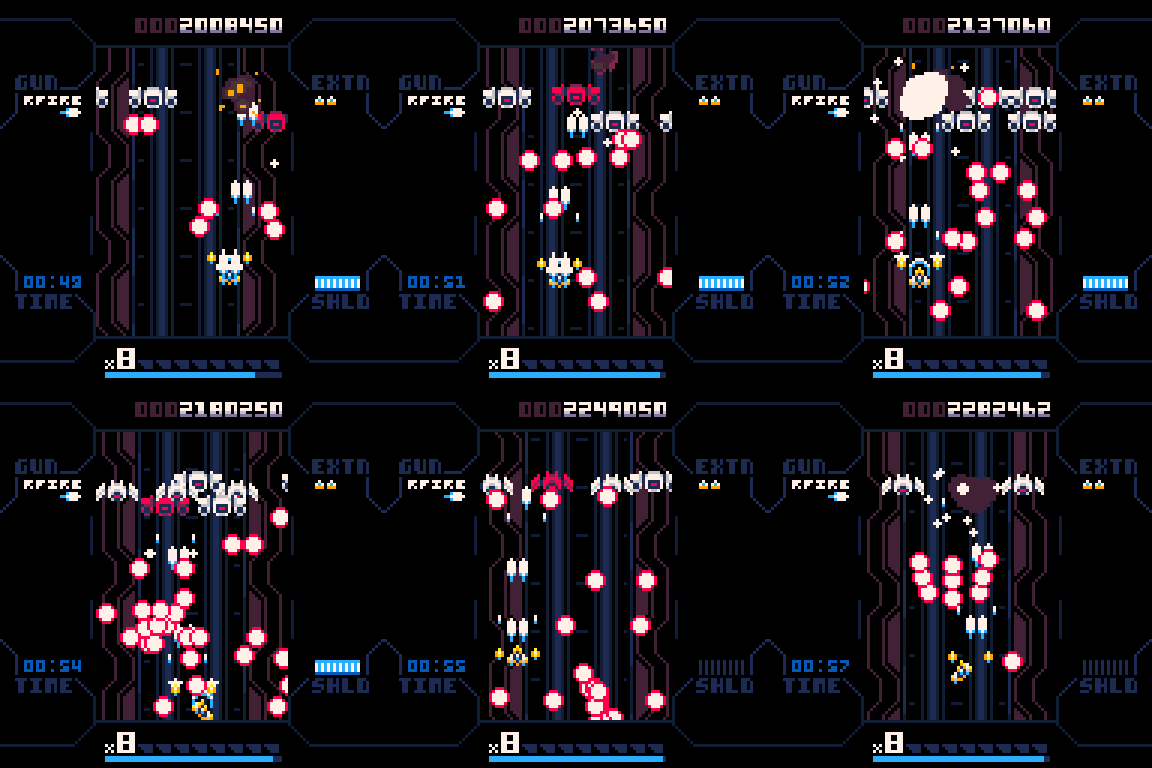
KARASU MELTDOWN!: A high-octane bullet hell caravan shmup, KARASU MELTDOWN! puts players in control of Utsuho Reiuji, a hell raven. Developed in three weeks for the Gunner Parade ‘22 Winter League game jam, the game is characterized by its intense barrages of enemy projectiles and its intricate bomb mechanics. These bombs are not merely panic buttons but are integral to both survival and scoring, requiring players to use them strategically to clear screens and maximize points. The game’s relentless pace and demanding difficulty are hallmarks of the bullet hell genre, offering a challenging yet rewarding experience for veterans and newcomers alike. Available for free across Windows, Linux, and browser, it’s a vibrant example of jam-driven innovation.
Slime 3k: Demake (Slime 2.99k): This intriguing title is a "demake" of a larger game, reimagining it with Game Boy-inspired graphics and roguelite gameplay. Players embody a sentient blob of goo, rising against an evil AI that rules the year 3000. The demake approach offers a nostalgic visual and auditory experience, harkening back to the classic handheld era while incorporating modern roguelite elements such. The game’s premise combines humor with a compelling struggle against a tyrannical AI, all delivered through a charming retro aesthetic. As a free browser-exclusive, Slime 3k: Demake demonstrates the creative potential of reinterpreting modern concepts through a vintage lens, appealing to both retro enthusiasts and fans of the roguelite genre.
Broader Impact and Implications for the Gaming Industry
The consistent showcasing of high-quality, browser-playable games by platforms like itch.io carries significant implications for the broader gaming industry.
Democratization of Development and Distribution: Browser games significantly lower the barrier to entry for aspiring game developers. With modern web frameworks and engines like Godot, Unity (with WebGL export), and PICO-8, creators can develop and distribute games without the complexities of platform-specific SDKs or the stringent requirements of traditional console or PC storefronts. This accessibility fosters a more diverse and inclusive development landscape, allowing voices from various backgrounds to contribute to the global gaming tapestry.
Enhanced Player Accessibility and Engagement: For players, the "no-download" imperative is a powerful draw. It eliminates friction points such as large file sizes, lengthy installation times, and compatibility issues. This leads to higher engagement rates for casual exploration and quicker decision-making for players considering a new title. Furthermore, browser games are inherently cross-platform, playable on virtually any device with a modern web browser, from low-spec laptops to public computers, broadening the potential audience exponentially.
Innovation Hub and Experimental Ground: Game jams, as highlighted by several titles in itch.io’s selection, are crucial incubators for innovation. The rapid development cycles and thematic constraints of jams often push developers to experiment with novel mechanics and concepts. Browser deployment is often the easiest and fastest way to share these jam creations with a wide audience, facilitating rapid feedback and iteration. This environment fosters a culture of experimentation that can lead to groundbreaking new genres or gameplay loops.
Monetization Flexibility and Developer Support: Itch.io’s unique monetization model, which allows developers to set their own revenue share and embrace "pay-what-you-want" pricing, offers a sustainable path for indie creators. This contrasts sharply with traditional models that can be less favorable to smaller studios. By empowering developers, itch.io ensures that a larger portion of revenue directly supports the creation of new and innovative content.

Future Trends and Challenges: The future of browser gaming appears bright, with continued advancements in web technologies promising even more sophisticated experiences. WebAssembly (Wasm) is steadily improving performance, bridging the gap between native and web applications, while WebGPU is set to deliver more powerful graphics capabilities directly within browsers. However, challenges remain, including ensuring consistent performance across diverse hardware and browsers, effectively marketing browser-exclusive titles in a crowded market, and continued innovation in monetization strategies that respect player preferences.
In conclusion, itch.io’s latest showcase of browser-based action games is more than just a list of recommendations; it is a vivid illustration of the platform’s enduring commitment to accessibility, indie innovation, and a developer-first approach. By championing titles that leverage modern web technologies, itch.io continues to expand the horizons of gaming, offering a diverse and immediate play experience for a global audience while providing a crucial springboard for independent creators. As the digital landscape evolves, the role of browser games in democratizing access and fostering creativity is poised to become even more significant.
About the Author