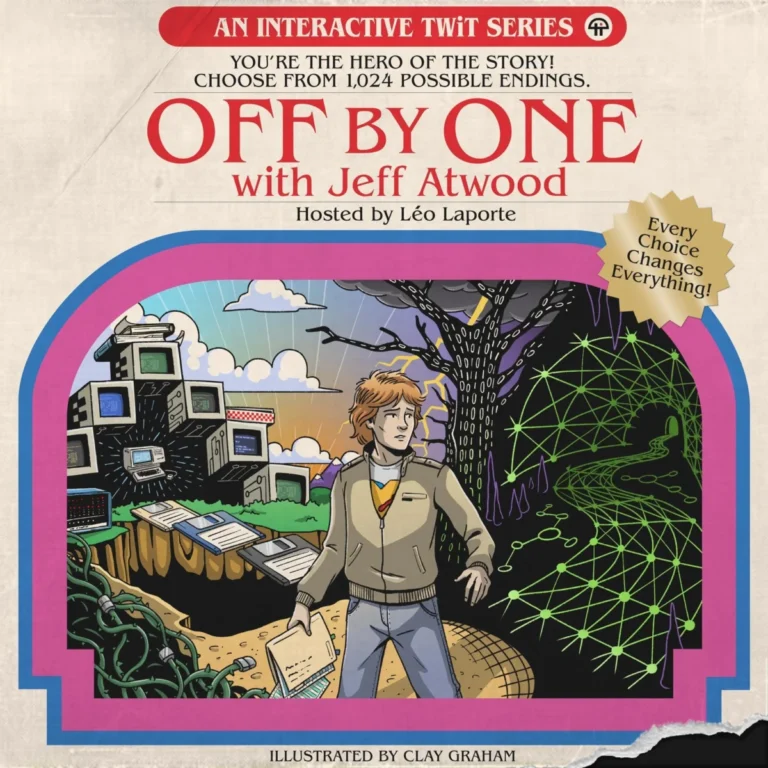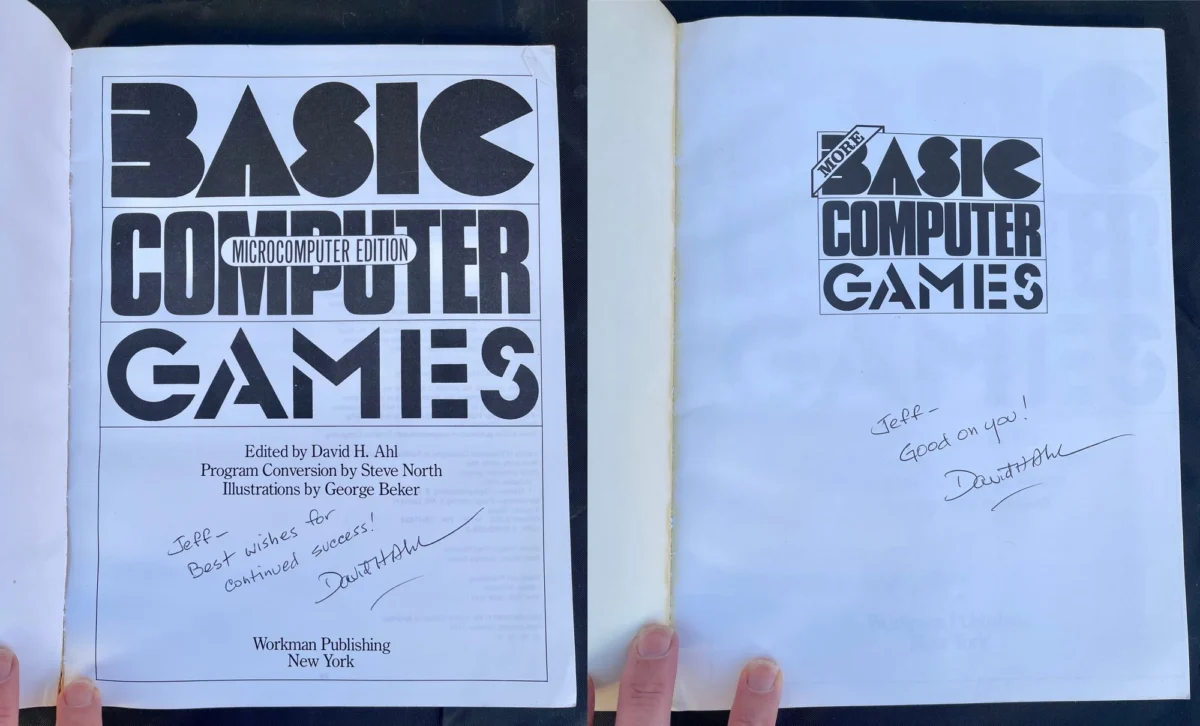
A landmark collaborative project is underway to update "101 BASIC Computer Games," one of the most influential computing books in history, for modern programming practices and memory-safe languages, spearheaded by technology writer and developer Jeff Atwood. This ambitious undertaking aims to preserve a crucial piece of digital heritage while simultaneously offering contemporary programmers a unique insight into the foundational elements of computing, moving beyond the simplistic line-numbered code of the 1970s and 80s to embrace structured, modular, and secure programming paradigms.
The Dawn of Personal Computing and the Rise of BASIC
To understand the profound significance of "101 BASIC Computer Games," one must first appreciate the nascent landscape of personal computing in the mid-20th century. The story begins in 1964 at Dartmouth College, where John G. Kemeny and Thomas E. Kurtz developed BASIC (Beginner’s All-purpose Symbolic Instruction Code). Their vision was to create a programming language accessible to non-science students, democratizing access to computers which, at the time, were primarily mainframes operated by specialists. BASIC’s straightforward syntax and interpreter-based execution made it an immediate success in educational settings and soon became the lingua franca for early microcomputers.
The early 1970s saw the emergence of the first personal computers, such as the Altair 8800 in 1975, but these machines were far from the user-friendly devices we know today. Booting up an early personal computer meant facing a stark command line interface, a blinking cursor awaiting instruction. Graphical desktops, intuitive operating systems, and pre-installed applications were decades away. For many, the only way to interact with these machines was through direct command entry or by manually inputting programs. Storage solutions like cassette tape drives were expensive add-ons, meaning that if a user wanted their computer to perform a task or play a game, they often had to type out entire programs, line by line, from printed sources. This laborious process, a rite of passage for many pioneering programmers, underscores the context in which books like "101 BASIC Computer Games" became indispensable.
"101 BASIC Computer Games": A Cultural Phenomenon
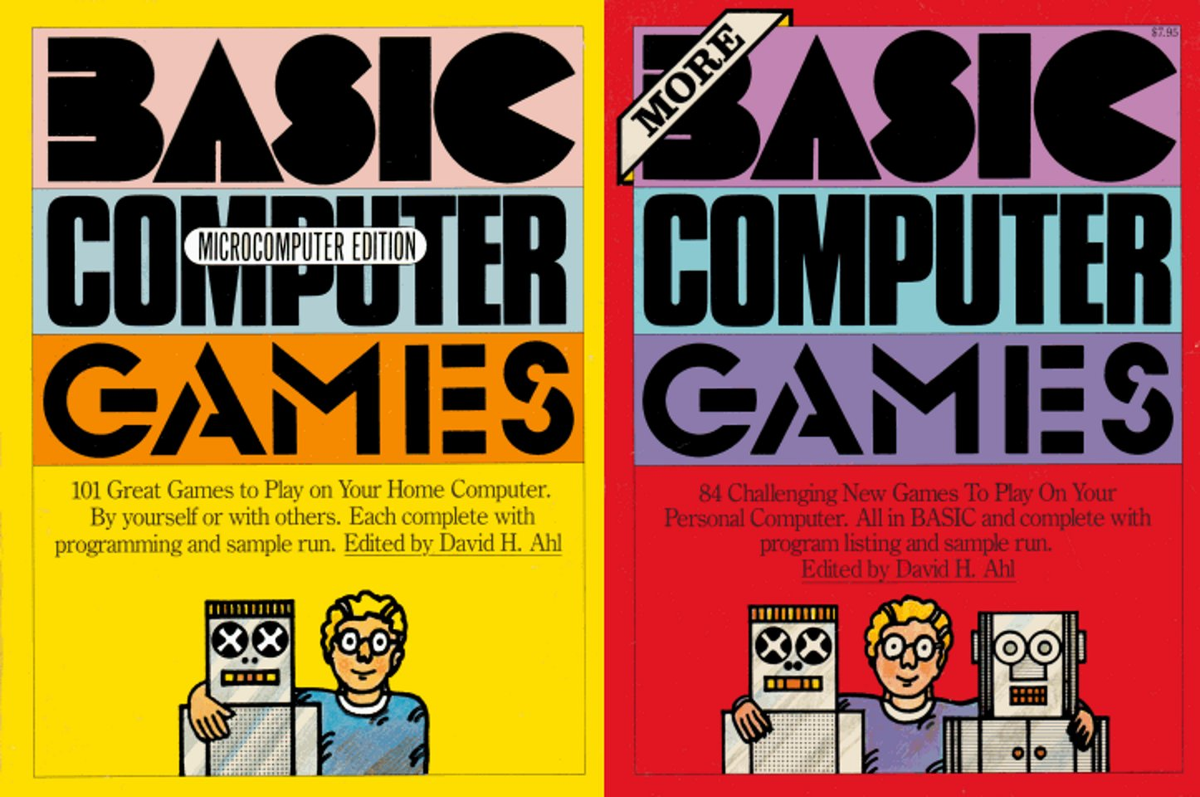
Published by Digital Equipment Corporation (DEC) in 1973, "101 BASIC Computer Games" was compiled and edited by David H. Ahl, a visionary who played a pivotal role in popularizing computing. Ahl, who would later found the seminal "Creative Computing Magazine," curated a collection of games written in BASIC, originally for minicomputers, making them available to a wider audience. The book quickly transcended its initial purpose, becoming a cultural touchstone for a generation. It went into a second printing, selling 10,000 copies, a staggering figure given the limited number of personal computers available at the time. Ahl famously recounted that "people were buying three, four, five of them for each computer," highlighting the sheer demand for content and the aspirational nature of computer ownership. Its eventual sales surpassed one million copies, cementing its status as the first computer book to achieve such a milestone and making it arguably one of the most widely read programming texts ever.
The book served not merely as a compilation of games but as a practical instruction manual for an entire generation of self-taught programmers. By typing in the code for games like "Civil War," "Hamurabi," or "Lunar Lander," users learned the fundamentals of programming: variables, loops, conditional statements, and input/output operations. This hands-on, immersive experience, despite its tedious nature involving countless typos and debugging sessions, laid the groundwork for countless professional careers in software development and technology. Jeff Atwood, the lead developer for the current modernization project, openly credits "101 BASIC Computer Games" as being "responsible for my entire professional career," a sentiment echoed by many in the industry.

David H. Ahl’s journey in spreading computer literacy extended beyond the book. After leaving DEC, he channeled his passion into "Creative Computing Magazine," launched in October 1974. Operating on minimal capital, Ahl poured "sweat equity" into every aspect of the magazine’s creation, from editing and writing articles to typesetting, photography, and layout. He even personally pasted labels onto thousands of unsolicited copies sent to libraries and schools, demonstrating a relentless dedication to making computing accessible. The magazine became a vibrant forum for hobbyists and professionals, further solidifying BASIC’s role in the burgeoning computer revolution.
The Modern Imperative: Bridging the Past with the Present
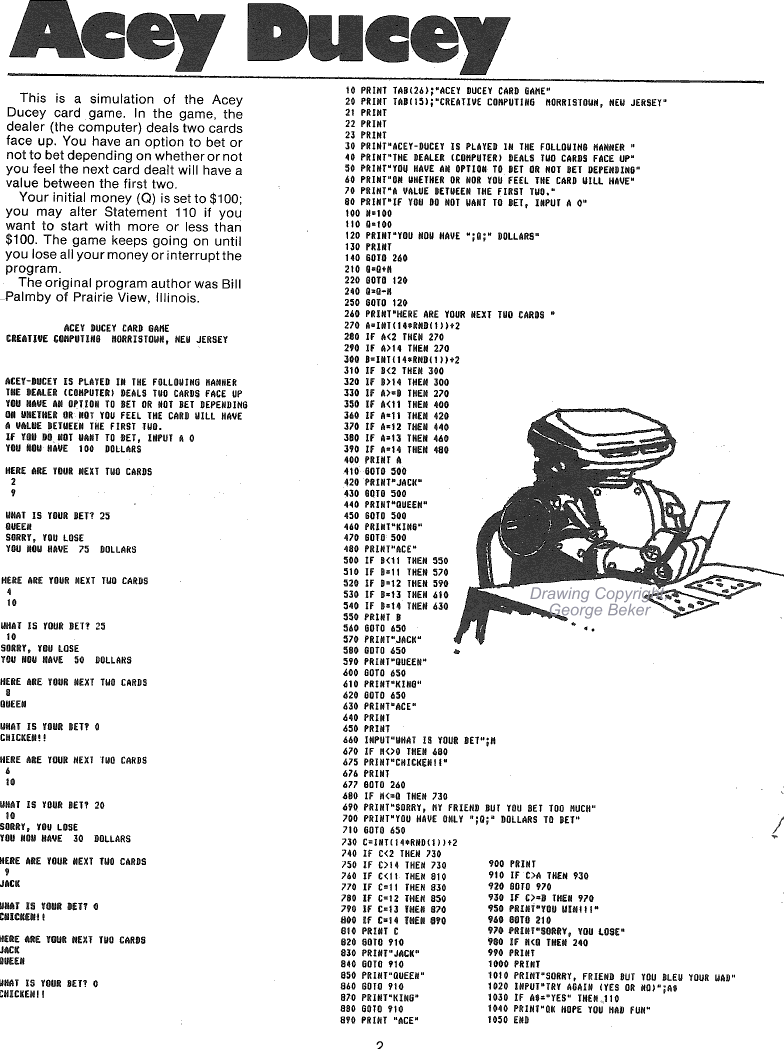
Despite its historical importance, the original BASIC code from the 1970s presents significant challenges for modern programmers. The unstructured nature of early BASIC, heavily reliant on GOTO statements and lacking modularity, often led to what became known as "spaghetti code"—programs that were difficult to read, debug, and maintain. The absence of concepts like subroutines, which Atwood rightly calls "the greatest invention in computer science," made complex programs unwieldy.
A previous attempt in 2010 to "modernize" these games using SmallBasic fell short of truly updating them. While it removed line numbers, a relic of early BASIC, it largely retained the original procedural, monolithic structure, failing to incorporate contemporary programming best practices. Critics, including Atwood, noted that these ports did little to bring the code up to date or align with modern software engineering principles, particularly regarding memory safety and structured design.
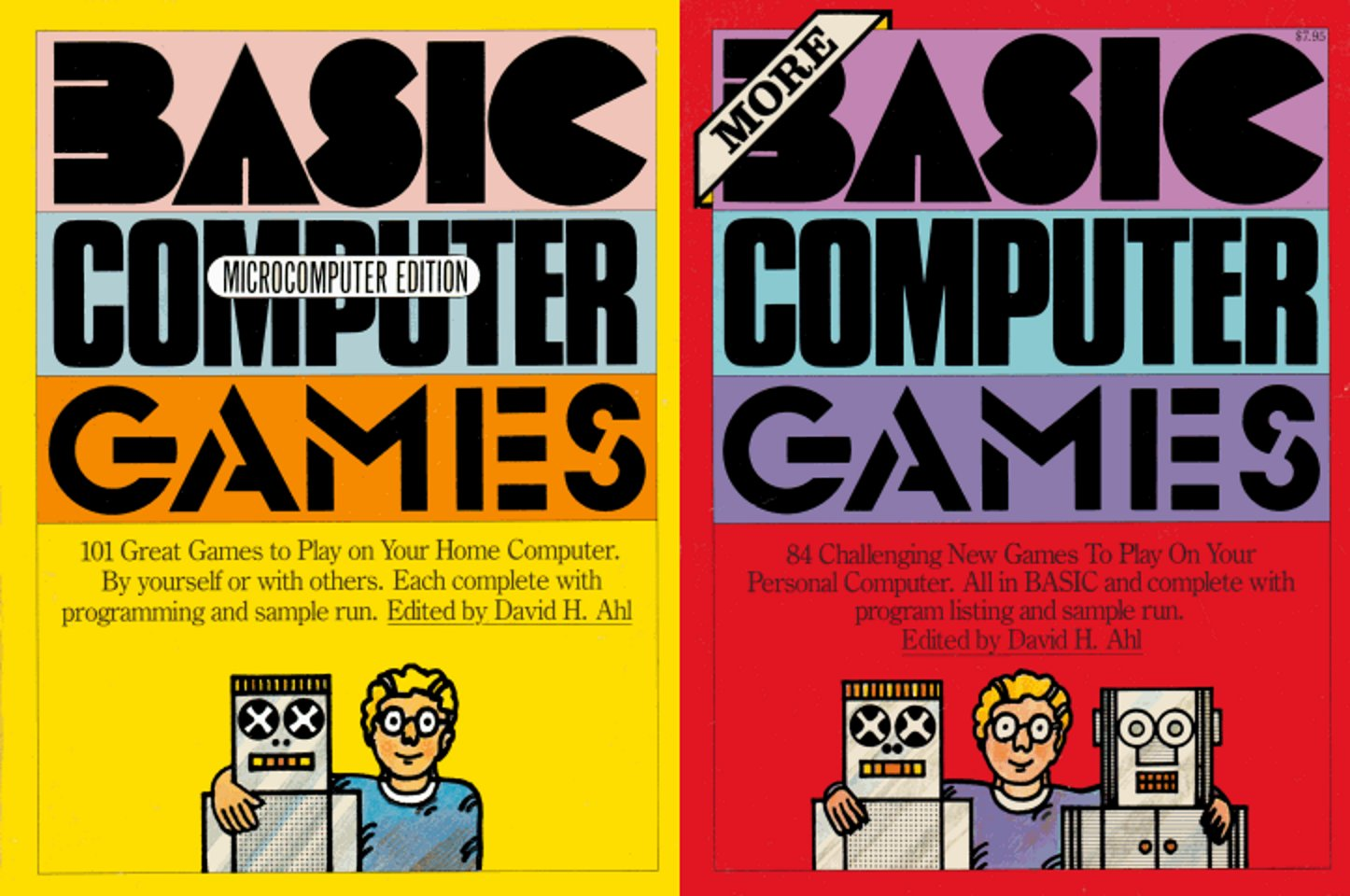
This recognition sparked the idea for a more comprehensive modernization effort. Jeff Atwood, recognizing the cultural and educational value of Ahl’s work, reached out to the original author, David H. Ahl, for permission to embark on a project that would genuinely bring these programs into the 21st century. Ahl, acknowledging the enduring legacy of his work and the potential for a new generation to engage with it, enthusiastically granted permission.
The core objective of the new project is not just to translate the games but to truly update them, emphasizing several critical modern programming concepts:
- Memory Safety: This is a paramount concern in modern software development. Memory-safe languages automatically manage memory, preventing common vulnerabilities like buffer overflows and null pointer dereferences that can lead to crashes or security exploits.
- Structured Programming: Moving away from
GOTOstatements, the project aims to refactor the code using functions, procedures, and subroutines, making it more readable, maintainable, and robust. - Readability and Maintainability: Modern code prioritizes clarity, commenting, and logical organization, which were often absent in the terse, memory-constrained environments of early BASIC.
- Modern Language Paradigms: Implementing the games in a variety of popular, general-purpose scripting languages demonstrates how the underlying logic can be expressed effectively across different ecosystems.
The Collaborative Initiative: A GitHub Project Unites Developers
Launched on GitHub, the project invites developers from around the world to contribute to this ambitious undertaking. The goal is to reimplement the original 101 BASIC games in ten distinct, memory-safe, general-purpose scripting languages. This multi-language approach serves several purposes: it showcases the versatility of modern languages, provides a comparative learning experience, and fosters a diverse, collaborative community.

Initially, the chosen languages included Python, JavaScript, Ruby, C#, F#, Go, Swift, Java, Pascal, and Lua. However, in an agile response to community feedback and evolving industry standards, the project demonstrated its adaptability. By March 2022, Java was replaced with Kotlin, a more modern and increasingly popular JVM language; Pascal was removed due to its inability to guarantee memory safety and replaced by Rust, a language renowned for its strong memory safety guarantees without garbage collection; and Lua, a lightweight and efficient scripting language that had cracked the top 20 in the TIOBE index, was added, reinforcing the project’s commitment to relevant, memory-safe scripting options.
The selected languages represent a broad spectrum of modern programming paradigms and are widely used in various applications, from web development to data science and systems programming. This diversity ensures that the project appeals to a wide range of developers and offers valuable experience in cross-language implementation.
The project actively fosters a collaborative, open-source environment. Unlike the solitary experience of typing code from a book in 1984, contributors now work together online, sharing knowledge, identifying issues, and collectively building a modern repository of these classic games. This collaborative spirit mirrors the evolution of software development itself, which has moved from individual endeavors to large-scale, distributed teams.
Preservation and Pedagogy: More Than Just Games
While the immediate goal is code modernization, the project’s broader implications extend to cultural preservation and educational enrichment. These primitive games, though lacking the graphical sophistication and complex mechanics of contemporary titles, are "precious artifacts of early computing." They offer a tangible link to the origins of interactive software and demonstrate the ingenuity of early programmers working within severe technological constraints. The project also aims to preserve the unique visual identity of the original book, including the "wonderful original art by George Beker," ensuring that the aesthetic heritage is maintained alongside the code.
For new generations of programmers, this project provides an invaluable educational resource. It allows them to:
- Understand Foundational Logic: By examining simple game logic, learners can grasp core programming concepts without being overwhelmed by complex frameworks or APIs.
- Appreciate Historical Context: It offers a practical understanding of how computing evolved, from rudimentary command-line interactions to today’s rich graphical environments.
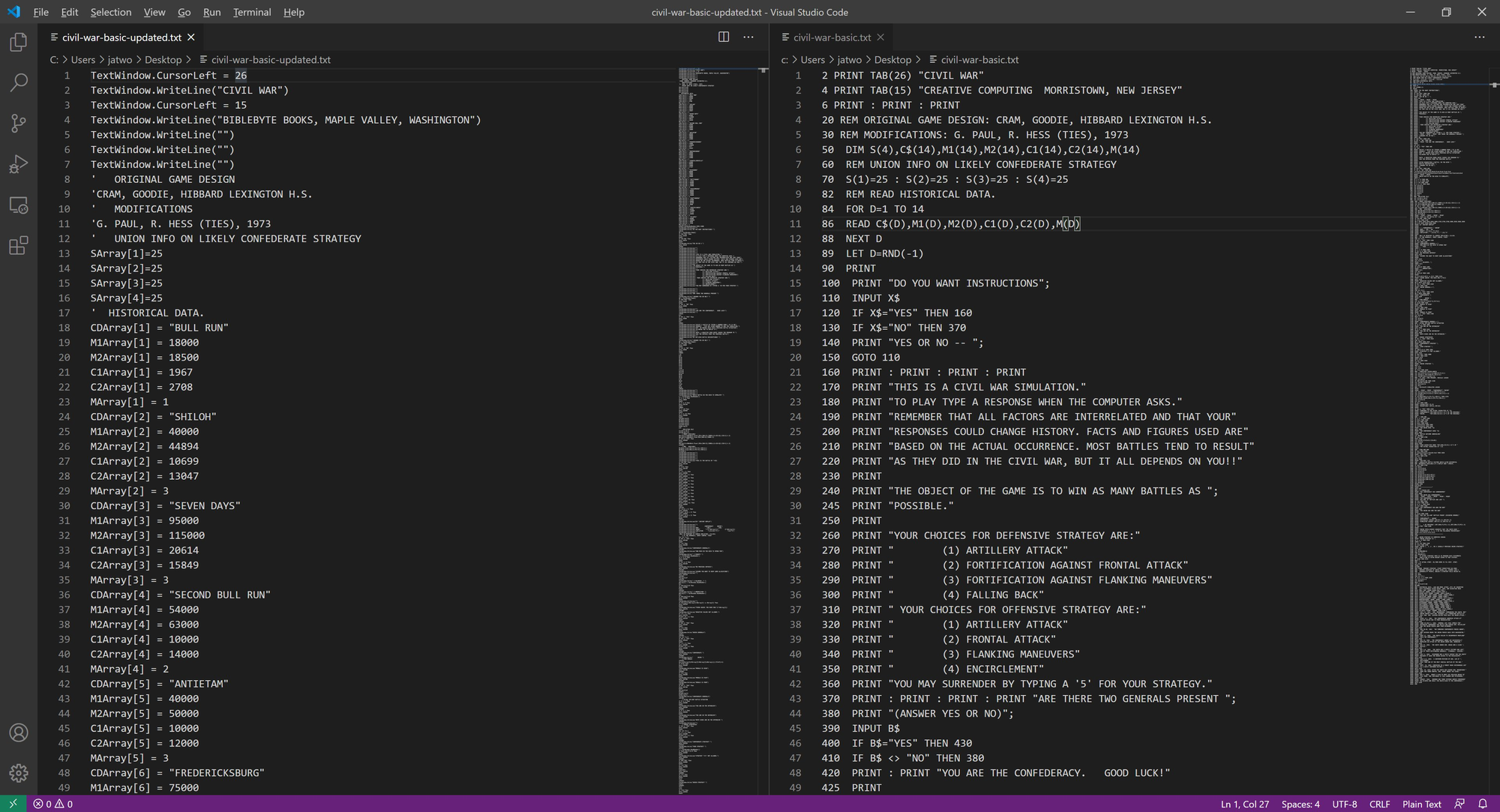
- Learn Modern Best Practices: By comparing the original BASIC code with its modernized counterparts, students can directly observe the benefits of structured programming, modularity, and memory safety.
- Engage in Open Source: Participating in the project provides hands-on experience with version control (GitHub), collaborative development workflows, and community engagement, skills highly valued in the modern tech industry.
Fostering Future Talent: The Girls Who Code Initiative
Beyond the technical and historical objectives, the project also carries a significant social mission: promoting diversity and inclusion in technology. To encourage new contributions and support future talent, Jeff Atwood committed to donating $5 to "Girls Who Code" for every functioning program submitted in each of the ten indicated languages by the end of 2022. This initiative highlights the project’s commitment to not only preserving the past but also investing in the future of computing, particularly by empowering young women to pursue careers in a field where they have historically been underrepresented. Girls Who Code is a non-profit organization dedicated to closing the gender gap in technology, providing educational programs and opportunities for girls to learn coding skills. This partnership underscores the project’s holistic vision for impact.
Looking Ahead: A Collective Endeavor
The project remains an ongoing, dynamic effort. Atwood has also extended an invitation for project co-owners, seeking individuals deeply passionate about the initiative to help organize and steer its future direction. This move towards shared leadership reinforces the collaborative spirit and ensures the project’s sustainability and growth beyond initial contributions.
Contributors are encouraged to engage with the project’s guidelines on GitHub and participate in discussions to refine implementations and foster a supportive community. The emphasis remains on the inherent enjoyment of programming and discovery, echoing the simple pleasure derived from typing those original BASIC programs decades ago. This project serves as a poignant reminder that, at its heart, programming is about problem-solving, creativity, and the joy of making machines do our bidding.
As the tech world continually pushes the boundaries of innovation, this initiative serves as a vital bridge between the foundational era of computing and its cutting-edge present. By collectively updating one of the most influential books in computing history, the project ensures that the spirit of "101 BASIC Computer Games"—its accessibility, its educational value, and its role in sparking a lifelong passion for technology—continues to inspire and educate programmers for 2022 and beyond. It is a testament to the enduring power of simple code and collaborative effort in shaping the digital future.
About the Author