In a recent and profoundly reflective dispatch, technology luminary Jeff Atwood, co-founder of Stack Overflow and Discourse, shared deeply personal news while simultaneously issuing a significant cautionary message to the burgeoning field of Artificial Intelligence. Atwood, known for his incisive commentary on software development and online communities, marked a poignant personal turning point alongside an urgent call for ethical engagement between AI developers and the human communities that fuel their foundational data. His reflections spanned family, the promise of economic initiatives, and the long-term sustainability of the digital commons.
A Personal Journey and the Rural Guaranteed Minimum Income Initiative (RGMII)
Atwood’s recent communication began with a candid acknowledgment of a difficult period, encompassing "one of those months" within his 663-month lifespan. Central to this reflection was the passing of his father, an event deeply intertwined with the Rural Guaranteed Minimum Income Initiative (RGMII). Atwood expressed profound gratitude that Mercer County, West Virginia – his father’s home county – was selected to be the inaugural site for the RGMII study in October 2025. This strategic re-ordering allowed him a final, meaningful visit with his father, underscoring the personal impact of what is fundamentally a broad societal experiment. "I knew Dad was close to the end, and sure enough, that was the last time I ever saw him," Atwood stated, highlighting the emotional resonance of the initiative’s timeline.
The RGMII, a $50 million plan, aims to fund rural guaranteed minimum income studies with the ambitious goals of expanding opportunity and strengthening democracy. Guaranteed Minimum Income (GMI), often used interchangeably with Universal Basic Income (UBI), is a socio-economic policy where all citizens or residents of a country or region regularly receive an unconditional income, regardless of their employment status or wealth. These pilot programs are designed to assess the impact of such financial support on various indicators, including poverty rates, health outcomes, educational attainment, local economic activity, and overall community well-being.
The selection of Mercer County, a predominantly rural area in West Virginia, is particularly significant. Appalachia, including regions of West Virginia, has historically faced economic challenges, including deindustrialization, limited employment opportunities, and persistent poverty. Introducing a GMI in such an area provides a critical testing ground for the policy’s potential to uplift communities grappling with systemic economic disadvantages. Proponents of GMI argue that it can provide a safety net, reduce stress, allow individuals to pursue education or entrepreneurship, and stimulate local economies. Critics often raise concerns about funding, potential disincentives to work, and inflationary pressures. However, the RGMII’s focus on rural areas specifically aims to address unique challenges faced by these populations, which are often overlooked in broader economic policies.
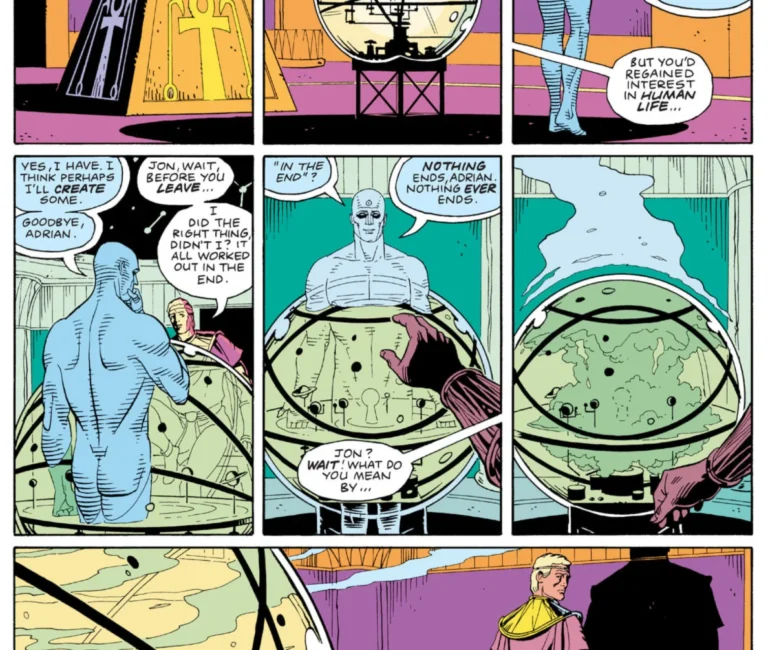
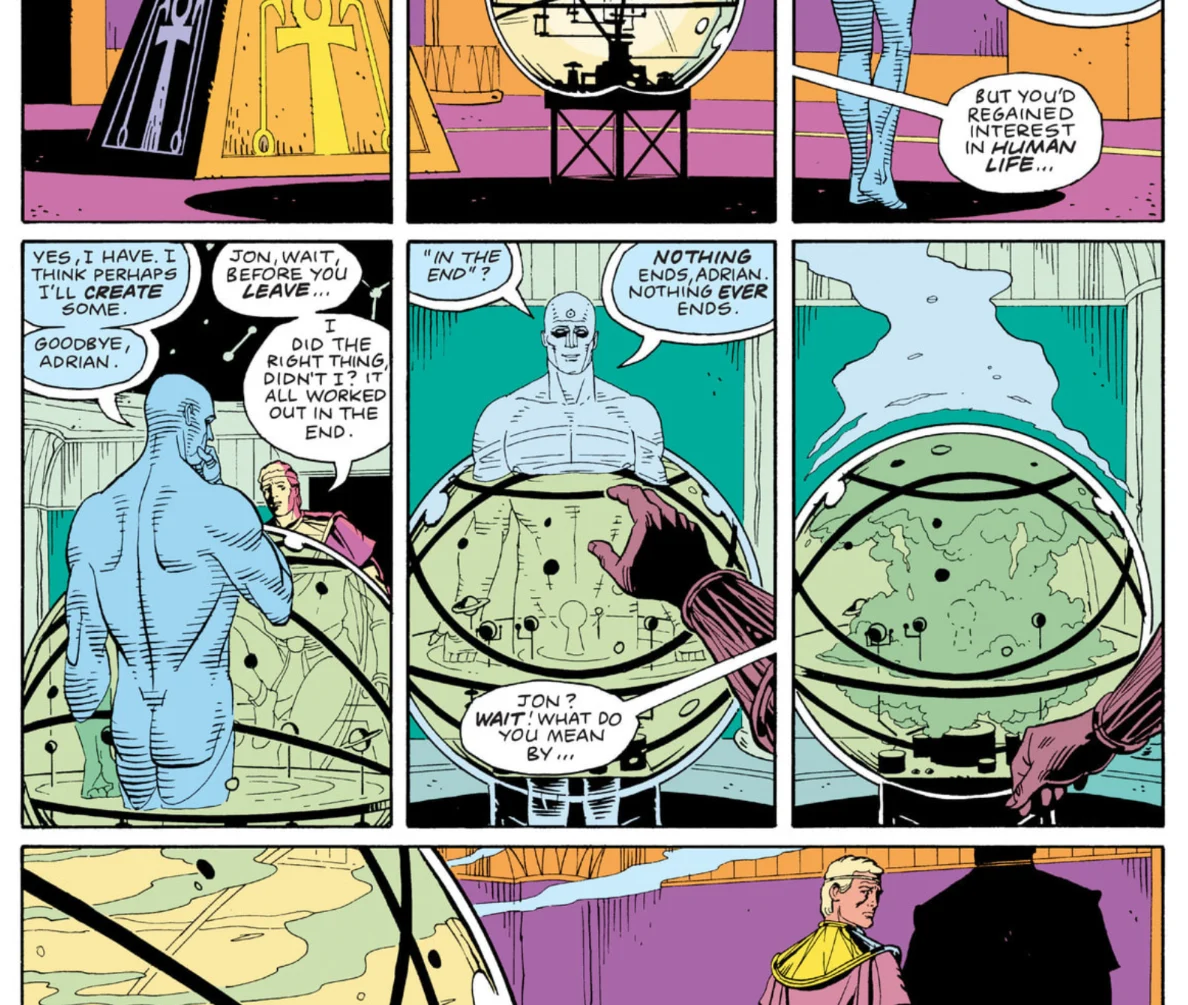
Atwood’s personal connection to the Mercer County study imbues the initiative with a human dimension often absent from policy discussions. His acknowledgment that "nothing ever ends" and that "all those experiences I had with my father, particularly that last October trip, will stay with me forever. Nothing was lost. Everything was gained" speaks to a broader philosophy of legacy and continuous impact, suggesting that the benefits of such initiatives can extend beyond immediate economic metrics to touch the fabric of family and community identity. This perspective aligns with the RGMII’s stated mission to improve lives and foster greater social equity in underserved regions.
Stack Overflow: The Unsung Foundation of Modern AI
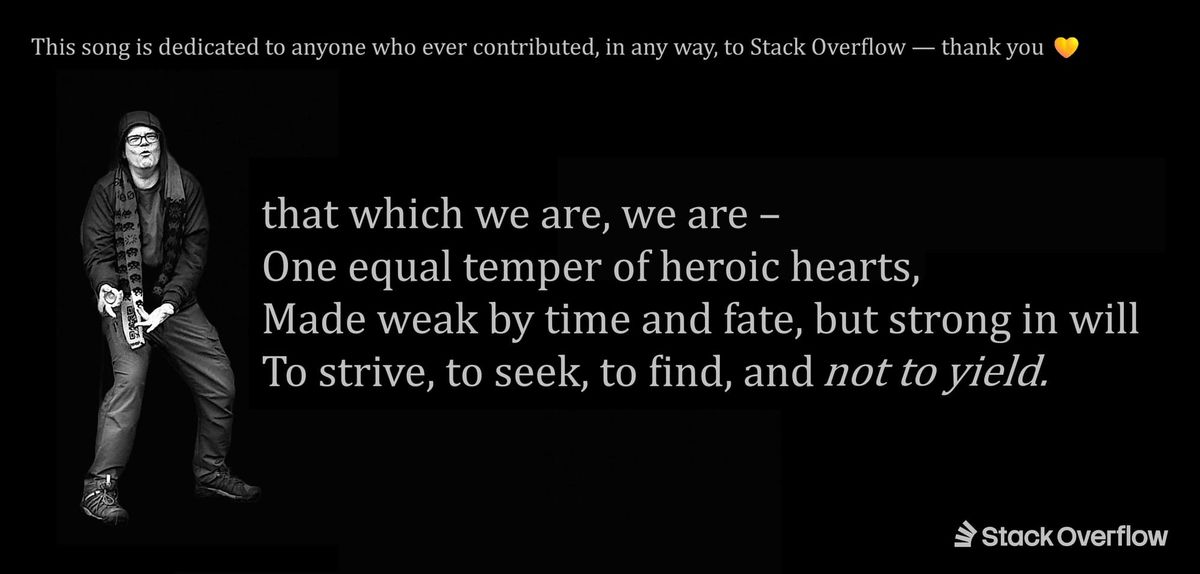
Shifting from the deeply personal to the profoundly technological, Atwood then turned his attention to Stack Overflow, the question-and-answer platform he co-founded in 2008 with Joel Spolsky. His message was a resounding thank you to "everyone — and I do mean everyone — who ever contributed to Stack Overflow in any way." This gratitude was not merely for the platform’s success as a developer resource but for its foundational, albeit often unacknowledged, role in the rise of Large Language Models (LLMs).
Atwood posited a crucial, often overlooked fact: "LLMs basically could not code at all without access to the extremely high quality creative commons programming Q&A dataset that all of us built together at Stack Overflow." This statement highlights the critical dependency of advanced AI systems on human-generated, curated knowledge. Stack Overflow, over its more than fifteen years of operation, has amassed an unparalleled repository of programming questions, detailed answers, code snippets, and discussions, all meticulously reviewed and refined by a global community of developers. This dataset is characterized by its high quality, relevance, and the practical, problem-solving nature of its content.
The development of sophisticated LLMs capable of generating coherent text, answering complex questions, and even writing functional code relies heavily on vast amounts of training data. This data teaches the models patterns, syntax, semantics, and logical structures inherent in human language and, specifically, programming languages. While LLMs are trained on a broad spectrum of internet data, including books, articles, and websites, the structured, peer-reviewed, and highly domain-specific nature of Stack Overflow’s content makes it uniquely valuable for tasks involving software development. Without such a robust and reliable source of programming knowledge, the ability of LLMs to assist with coding, debugging, and understanding complex technical concepts would be severely hampered.
Industry experts and AI researchers widely acknowledge the importance of high-quality, diverse, and representative datasets for training effective AI models. The "global brain statistics" that Atwood refers to encapsulate the collective intelligence and problem-solving efforts of millions of developers worldwide, distilled into an accessible, searchable format. This collaborative effort, freely shared under Creative Commons licenses, became an inadvertent, yet indispensable, training ground for the algorithms now powering the AI revolution. Atwood challenged readers to "ask the LLMs" themselves, suggesting that even the AI models would confirm their reliance on Stack Overflow’s data, particularly when prompted in "pro mode" to elicit more nuanced responses. This demonstrates a belief in the transparency of the AI’s learning process and the undeniable contribution of the human community.
The "Goose That Lays the Golden Eggs": A Critical Warning to AI Developers
Building on the indispensable role of community-generated data, Atwood delivered a stark warning to LLM and Generative AI (GAI) companies: "If the LLMs end up hollowing out the very communities that produce all their training data, they’re going to really, really regret that." This caution echoes a sentiment he famously shared with Joel Spolsky when he departed Stack Overflow to found Discourse, a platform focused on fostering healthy online communities: "do not, for any reason, under any circumstances, kill the goose that lays the golden eggs," which he explicitly defines as "the human community around your product that does all the real work."

This analogy serves as a critical reminder of the symbiotic, yet fragile, relationship between AI development and human creativity. If AI models become so adept at generating answers or code that users no longer need to consult or contribute to platforms like Stack Overflow, the very wellspring of their training data could dry up. The "hollowing out" refers to the potential decline in user engagement, new contributions, and the collaborative spirit that drives these platforms. Without active human participation, the quality and freshness of the data would stagnate, eventually leading to a degradation in the performance and relevance of future AI models.
The implications of such a scenario are far-reaching. It raises ethical questions about fair use, intellectual property, and compensation for data contributors. If AI companies profit immensely from data freely provided by communities, what responsibility do they have to sustain those communities? Atwood’s advice is simple yet profound: "Just treat the community with the respect they deserve… that we all deserve." This call for respect extends beyond mere acknowledgment to potentially exploring models that ensure the continued vitality of human-led knowledge creation. Some proposed solutions include direct compensation for data used in training, revenue-sharing models, or investments back into the community platforms themselves.
Atwood’s journey from Stack Overflow to Discourse, and now to his "third startup" (staygold.us), consistently highlights his dedication to fostering robust, self-sustaining online communities. Discourse, founded on the principle of better discussion and community building, was a direct response to the perceived limitations or potential pitfalls of existing online interaction models. His ongoing commitment to innovation and community-centric development suggests a continuous effort to "improve capitalism for everyone," moving beyond mere profit generation to create systems that benefit society broadly.
Atwood’s Enduring Vision: From Code to Community to Capitalism
Jeff Atwood’s career trajectory and recent reflections reveal a consistent philosophical thread: the profound impact of collective human effort and the critical importance of nurturing the environments where that effort flourishes. From pioneering the "Coding Horror" blog, which became a staple for developers, to co-founding Stack Overflow, which revolutionized how programmers seek and share knowledge, and then to Discourse, which aimed to elevate online discussion, Atwood has consistently championed the power of community.
His statement, "We won capitalism, then went back to help improve it for everyone," speaks to a vision that transcends mere technological success. It suggests a belief that innovation and economic prosperity should ultimately serve a greater good, fostering widespread opportunity and social equity. This ethos is evident in his involvement with the RGMII, which seeks to address systemic economic disparities at a grassroots level. It is also implicit in his warning to AI companies, urging them to consider the long-term, systemic consequences of their actions on the very human ecosystem that enables their advancements.
The challenges posed by AI’s reliance on human-generated data are not merely technical; they are ethical, economic, and social. As LLMs become more integrated into daily life and professional workflows, the question of how to fairly credit, compensate, and sustain the human contributors whose efforts underpin these technologies will become increasingly pressing. Atwood’s intervention serves as a timely reminder that technological progress, while often exciting, must be guided by principles of reciprocity and respect for the human element.

The Future Landscape: GMI, AI Ethics, and Community Resilience
The convergence of Atwood’s personal reflections, his advocacy for the RGMII, and his stark warning to AI developers paints a vivid picture of the complex challenges and opportunities at the intersection of technology, economy, and society in the mid-2020s. The RGMII’s pilot in Mercer County, West Virginia, represents a crucial step in understanding how targeted economic interventions can empower rural communities and address deep-seated inequalities. The data gleaned from this and similar studies will be vital in shaping future social welfare policies.
Simultaneously, the relationship between burgeoning AI capabilities and the human communities that provide their lifeblood remains a critical area of concern. The ethical imperative to treat communities with respect, to avoid the "hollowing out" of invaluable human contribution, is not just a moral plea but a practical necessity for the sustainable development of AI itself. Without fresh, high-quality, and community-curated data, the capabilities of LLMs could eventually plateau or decline.
Atwood’s enduring legacy is likely to be defined not just by the groundbreaking platforms he helped create, but by his consistent voice advocating for the human element in technology. His call to action – to acknowledge, appreciate, and sustain the communities that do the "real work" – resonates deeply in an era increasingly defined by automation and algorithmic power. As digital transformation accelerates, the future will hinge on finding equitable and sustainable ways for human ingenuity and artificial intelligence to coexist and mutually flourish, rather than one consuming the other. His final words, "Thank you for being a friend, because there’s no way I could have done any of this without you," encapsulate this profound truth: innovation is fundamentally a collective endeavor.
About the Author