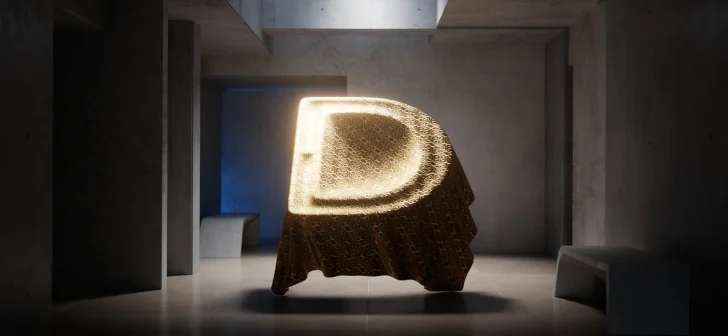
The landscape of 3D animation and motion graphics has been significantly reshaped with the introduction of advanced simulation tools within popular software. Blender, a free and open-source 3D creation suite, has long been a favorite among artists for its versatility and powerful features. The recent release of Blender 5.2 has further cemented its position by introducing a suite of new Cloth Dynamics nodes integrated directly into Geometry Nodes. This groundbreaking development, detailed in a recent tutorial published by a community reporter on BlenderNation, offers unprecedented control over cloth simulations, particularly through the innovative "Dynamic Pinning" system. This technology promises to streamline the creation of realistic and controllable cloth animations, opening new avenues for motion designers and procedural artists.
The Genesis of Enhanced Cloth Simulation in Blender
The journey towards more integrated and powerful cloth simulation in Blender has been a gradual one. Historically, Blender’s cloth simulation relied on a dedicated physics system, which, while capable, could sometimes feel disconnected from the node-based workflow that has become increasingly central to the software’s power. Geometry Nodes, introduced in Blender 3.0, revolutionized procedural content creation, allowing users to build complex effects and scenes through a visual node-based interface. The integration of physics simulations, including cloth dynamics, into this system has been a highly anticipated development.
The advent of Blender 5.2 marks a pivotal moment in this evolution. By bringing Cloth Dynamics directly into Geometry Nodes, developers have bridged the gap between physics simulation and procedural generation. This integration allows artists to not only create dynamic cloth effects but also to control and manipulate them with the same precision and flexibility they apply to other procedural elements. This is particularly significant for motion graphics, where precise control over animation is paramount for achieving polished and professional results.
Unveiling Dynamic Pinning: A New Paradigm for Cloth Control
At the heart of the new Cloth Dynamics nodes in Blender 5.2 lies the Dynamic Pinning system. This feature addresses a common challenge in cloth simulation: achieving stable and predictable movement without sacrificing realism. Traditional cloth simulations can sometimes be unpredictable, with cloth reacting erratically to forces or collisions. Dynamic Pinning allows users to specify points or regions on the cloth that should behave differently, essentially "pinning" them in place or influencing their movement in a controlled manner.
The tutorial highlights how Dynamic Pinning can be implemented within Geometry Nodes. This means that instead of manually painting weight maps or using complex workarounds, artists can now define these pinning behaviors procedurally. This opens up a world of possibilities for creating intricate animations, such as:
- Controlled Draping: Precisely dictating how a piece of fabric falls or drapes over an object.
- Animated Folds and Creases: Generating sophisticated and believable folds that respond to movement.
- Character Garments: Simulating clothing that moves naturally with a character, with specific areas of the garment adhering to the character’s form while others flow freely.
- Abstract Motion Graphics: Creating dynamic, flowing shapes and forms that are not necessarily tied to realistic objects but require controlled, organic movement.
The procedural nature of this implementation means that these pinning behaviors can be animated over time, linked to other procedural elements, or even driven by external data. This level of control was previously difficult to achieve, requiring extensive manual tweaking or the use of complex external tools.
Technical Underpinnings and Workflow Integration
The integration of Cloth Dynamics into Geometry Nodes is a testament to Blender’s ongoing development and commitment to a unified workflow. The new nodes likely leverage existing physics solvers but expose their parameters and control mechanisms in a way that is compatible with the node editor. This allows for:
- Real-time Feedback: As artists adjust parameters within Geometry Nodes, they can see the immediate impact on the cloth simulation, facilitating an iterative design process.
- Parameter Linking: Pinning strengths, damping, stiffness, and other simulation parameters can be linked to other nodes, allowing for dynamic adjustments based on scene geometry, animation timelines, or even user-defined inputs.
- Procedural Asset Generation: Artists can build reusable node groups that generate complex animated cloth assets, which can then be easily integrated into larger scenes or projects.
This approach aligns with the broader trend in 3D content creation towards proceduralism, where complex results are achieved through a series of interconnected operations rather than direct manual manipulation. For motion designers, this means the ability to generate a wide variety of animated cloth elements quickly and efficiently, adapting them to different project requirements with ease.
Potential Applications and Industry Impact
The implications of Blender 5.2’s new Cloth Dynamics and Dynamic Pinning system are far-reaching, particularly within the professional creative industries:
Motion Graphics and Broadcast Design
Motion designers are likely to be the primary beneficiaries of this advancement. The ability to create smooth, controllable, and visually appealing cloth animations procedurally is a significant boon for title sequences, lower thirds, animated backgrounds, and abstract visualizers. The potential for generating unique, dynamic textures and forms that react realistically to simulated forces will undoubtedly elevate the quality and sophistication of broadcast graphics.
- Data-driven Animations: Imagine cloth simulations that react to real-time data feeds, such as stock market fluctuations or weather patterns, creating dynamic visual representations.
- Branding and Identity: Companies can create unique animated logos and branding elements with flowing, branded fabric textures.
- Visual Effects: While not a direct VFX tool replacement for high-end film, these advancements can significantly enhance the creation of background elements, set dressing, and simpler VFX shots, especially in independent productions or game development.
Game Development
In game development, optimized cloth simulation is crucial for character appearance and environmental interaction. While real-time performance is a key consideration, the ability to pre-bake or generate specific cloth animations procedurally within Blender can significantly speed up asset creation. Dynamic Pinning could be used to create more realistic flowing capes, flags, or tattered banners that respond convincingly to in-game physics.
Architectural Visualization
Architectural renders often benefit from the inclusion of realistic soft elements like curtains, upholstery, and drapes. The new tools will allow for more dynamic and varied presentations of interior spaces, showcasing how fabrics would realistically hang and move, adding a layer of life and realism to static renders.
Education and Training
The availability of a detailed tutorial on this new feature underscores its importance for learning and skill development. As Blender continues to democratize access to powerful 3D tools, such tutorials become essential resources for aspiring artists and seasoned professionals alike. The emphasis on Geometry Nodes suggests a future where complex simulations are an integral part of the procedural workflow taught in educational institutions.
Community Reactions and Future Expectations
The announcement and subsequent tutorial have generated considerable excitement within the Blender community. Forums and social media channels are abuzz with discussions about the potential applications and the newfound creative freedom these tools offer. Many users have expressed anticipation for further refinements and expansions of these node-based physics simulations.
Industry analysts suggest that this move by Blender could put pressure on proprietary software to offer similar levels of integration and control within their node-based or procedural workflows. The open-source nature of Blender, coupled with its rapid development cycle, often sets new benchmarks for the industry.
Looking ahead, it is reasonable to expect that further developments will build upon this foundation. Potential future enhancements could include:
- More Advanced Physics Interactions: Integration with other physics systems like fluids, rigid bodies, or soft bodies within Geometry Nodes.
- AI-Assisted Simulation: Machine learning models could potentially be integrated to predict and optimize cloth behavior, further enhancing realism and performance.
- Cross-Platform Compatibility: Ensuring that these node-based simulations translate well to various rendering engines and real-time platforms.
The introduction of Cloth Dynamics and Dynamic Pinning in Blender 5.2 represents a significant leap forward in procedural animation capabilities. By empowering artists with more precise and intuitive control over cloth simulations within the versatile Geometry Nodes environment, Blender is not only enhancing its own feature set but also pushing the boundaries of what is possible in motion graphics and 3D content creation. This development is a clear indicator of Blender’s commitment to innovation and its ongoing role as a leader in the global 3D software market.
About the Author