A long-standing debate within the technology sector regarding infrastructure choices has been reignited by a compelling case study demonstrating the significant cost and performance advantages of colocating personal computing hardware over traditional cloud hosting for specific applications. This analysis, spearheaded by Jeff Atwood, co-founder of Discourse, presents a detailed examination of how a "personal cloud" built from modern mini-PCs can offer superior performance and substantial cost savings, up to three times less expensive over a three-year period, compared to renting virtual private servers (VPS) from major cloud providers. The findings challenge the pervasive notion that hyperscale cloud solutions are always the most economical or efficient choice for sustained, dedicated computing workloads.
The Evolution of Cloud Computing and Its Economic Realities
The journey of digital infrastructure has seen a dramatic shift over the past two decades. In 2013, when Discourse embarked on its mission to build a modern forum platform, the server requirements were already considerable, demanding robust virtual private servers (VPS) rather than shared hosting. At that time, the cost for such dedicated virtual resources was substantial. Jeff Atwood, an industry veteran, foresaw a future where these costs would plummet, predicting that suitable 1GB VPS instances would eventually drop to around $5 per month. This prediction materialized in January 2018, largely driven by fierce competition among providers like DigitalOcean, signifying a new era of accessible cloud infrastructure.
This reduction in pricing was a natural progression, aligning with the broader trend of hardware costs trending towards zero over time, a phenomenon often attributed to advancements like Moore’s Law and economies of scale in manufacturing. Cloud providers leverage massive data centers, virtualisation technologies, and global distribution to offer seemingly inexpensive on-demand resources. However, as the adage goes, "there is no cloud, only someone else’s computer." This fundamental truth underscores that despite the apparent affordability, users are still paying a premium for the convenience, flexibility, and managed services inherent in cloud offerings. The costs, while reduced, are ongoing and cumulative, raising questions about long-term value for stable, predictable workloads.
Colocation: A Hybrid Approach to Digital Infrastructure
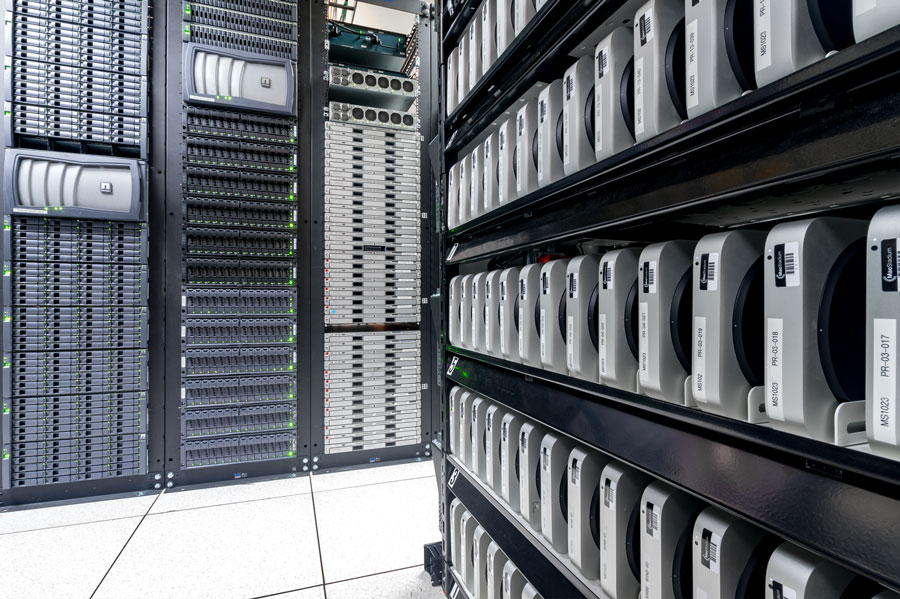
The concept of colocation — housing privately owned servers within a third-party data center that provides power, cooling, physical security, and network connectivity — is not new. It has been a staple for enterprises seeking greater control, security, and often better long-term cost efficiency than fully managed hosting or even some cloud services. What is novel, however, is the application of this strategy to compact, off-the-shelf mini-PCs, effectively creating a "personal cloud" infrastructure.
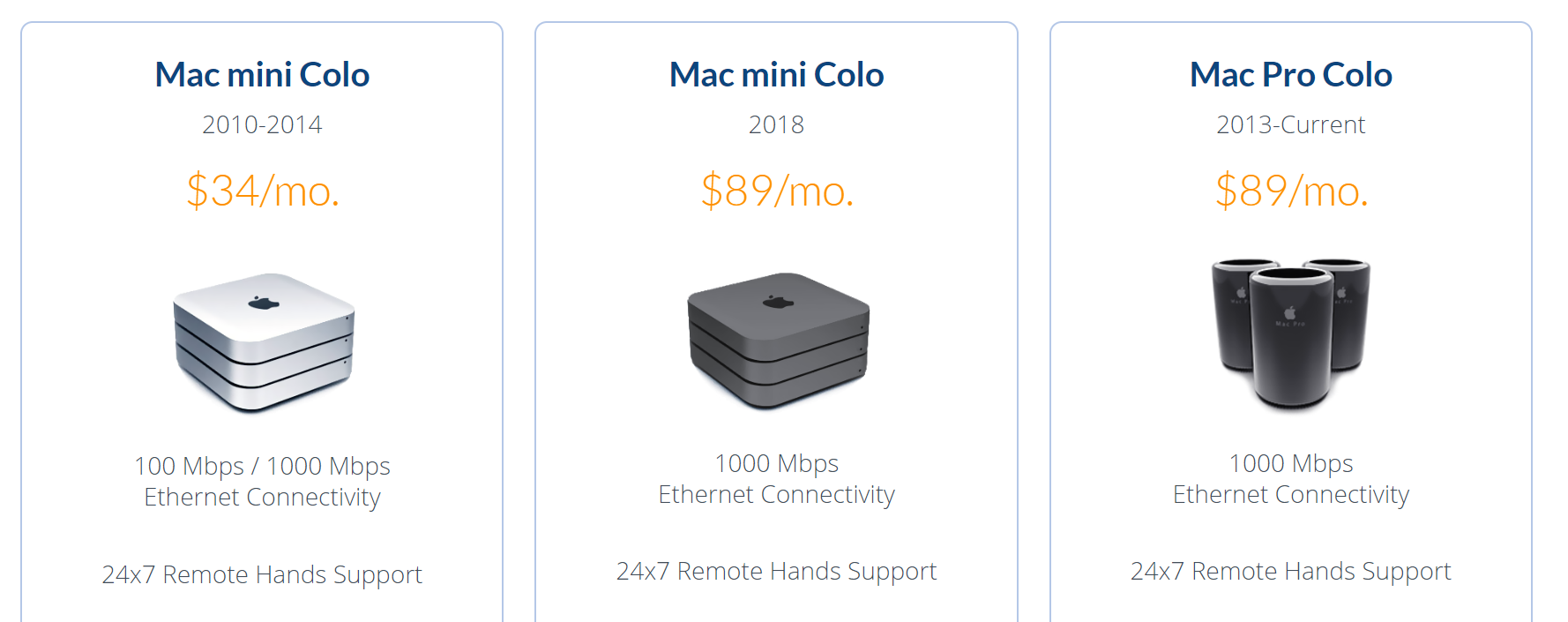
Mac users, for instance, have been pioneers in this niche, with services like MacStadium offering colocation for Apple hardware for years. This trend is partly due to Apple’s limited foray into dedicated server hardware, pushing users of macOS-dependent applications towards specialized colocation solutions. In the broader PC world, which has historically been the de-facto standard for server hardware, colocation of traditional rack-mounted servers has always been an option, albeit one that has become less common with the rise of virtualized cloud environments. The intriguing question posed by Atwood’s work is why this "cottage industry" hasn’t fully embraced the potential of mini-PCs for colocation, given their increasing power and reliability.

The Discourse Experiment: A Timeline of Mini-PC Reliability
The journey for Discourse in exploring mini-PC colocation began in 2016 with the introduction of "scooter computers" into their infrastructure. This initial experiment, alongside Atwood’s personal colocation tests, aimed to assess the viability and reliability of these small form-factor machines in a production environment. Over three years of continuous operation, these initial mini-PCs proved remarkably reliable, validating the potential of this unconventional approach.
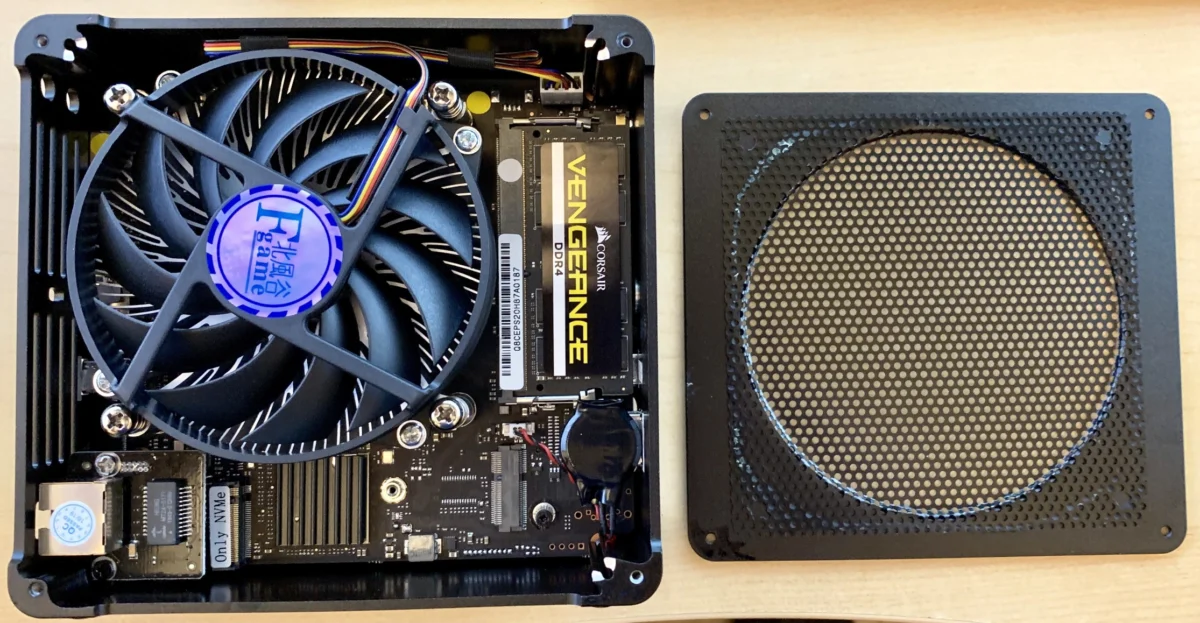
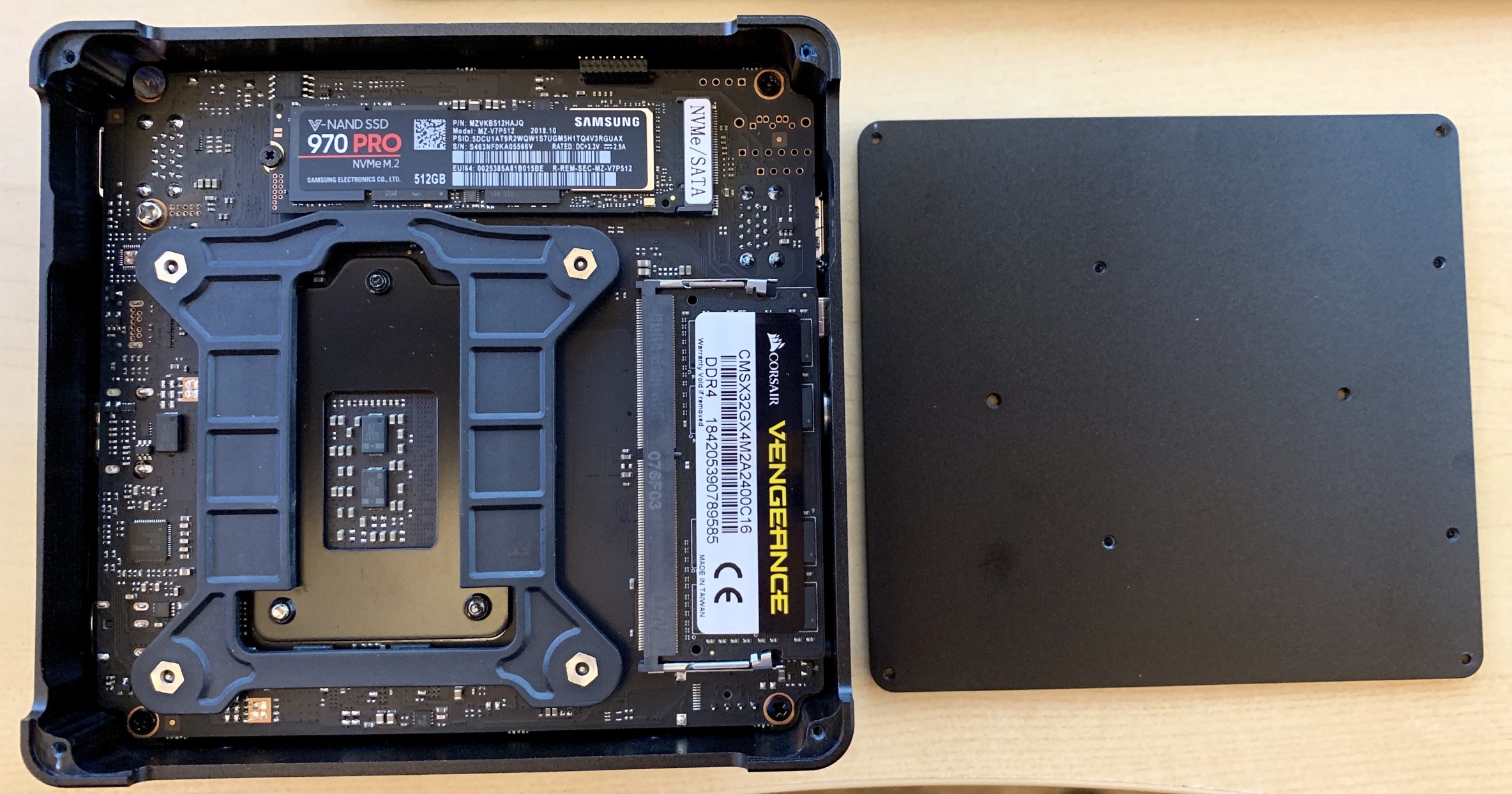
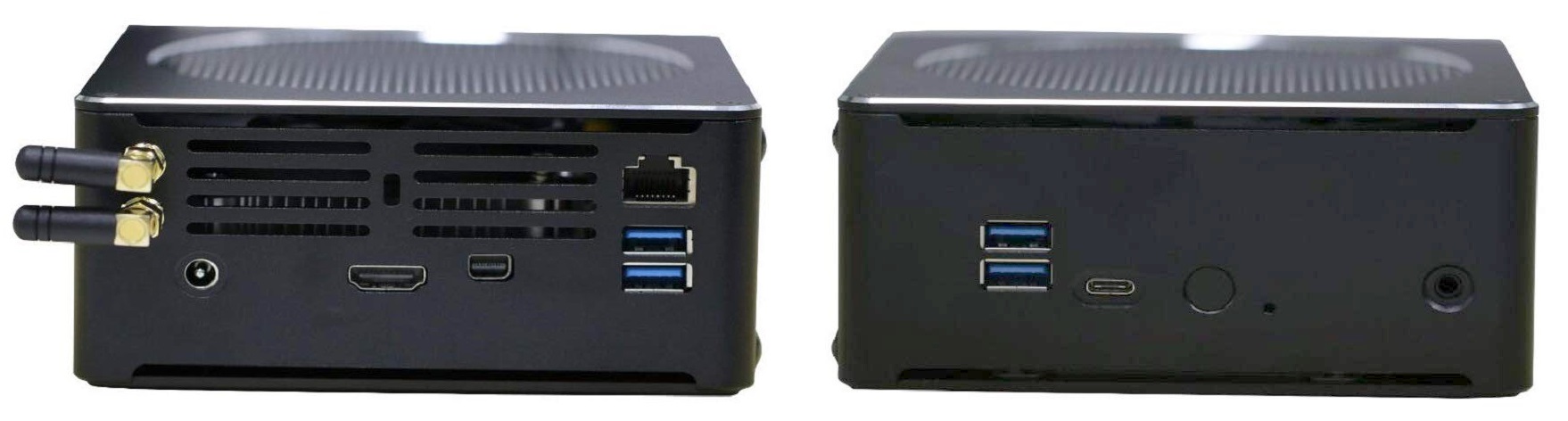
Building on this success, Atwood unveiled a new iteration in 2019, significantly upgrading the hardware specifications. The progression from the 2017 model to the 2019 model illustrates the rapid advancements in compact computing:
| Feature | 2017 Mini-PC ($670) | 2019 Mini-PC ($820) | Improvement Factor |
|---|---|---|---|
| Processor | i7-7500u (2c/4t, 2.7-3.5 GHz) | i7-8750h (6c/12t, 2.2-4.1 GHz) | 3x cores |
| RAM | 16GB DDR3 | 32GB DDR4 | 2x memory |
| Storage | 500GB SATA SSD | 500GB NVMe SSD | 3x faster drive |
This latest "scooter computer," despite a modest price increase to $820, represented a monumental leap in raw computing power. With triple the cores, double the memory, and a significantly faster NVMe drive, it stood as a testament to how much performance could be packed into a small, relatively inexpensive package. These machines underwent rigorous burn-in and stability testing, a crucial step for any production-grade hardware, ensuring their readiness for deployment.
Performance Benchmarks: Outperforming Cloud Droplets
The true measure of this hardware’s value lies in its performance relative to cloud alternatives. Benchmarks conducted by Atwood directly compared the 2017 and 2019 mini-PCs against an average DigitalOcean droplet, revealing compelling results across various metrics:
Per-core Performance (sysbench cpu –cpu-max-prime=20000 run)
- DO Droplet: 2,988
- 2017 Mini-PC: 4,800
- 2019 Mini-PC: 5,671
- Analysis: The 2019 Mini-PC demonstrated nearly double the per-core performance of a standard DigitalOcean droplet, indicating superior single-threaded processing capabilities crucial for many applications.
Multi-core Performance (sysbench cpu –cpu-max-prime=40000 –num-threads=8 run)
- DO Droplet: 2,200
- 2017 Mini-PC: 5,588
- 2019 Mini-PC: 14,604
- Analysis: This is where the 2019 Mini-PC truly shined, delivering more than six times the multi-core performance of a DO droplet. The significant increase in core count (6c/12t) directly translated to a massive boost in parallel processing power, essential for heavily threaded applications.
Disk Performance (dd bs=1M count=512 if=/dev/zero of=test conv=fdatasync; hdparm -Tt /dev/sda)
- DO Droplet: 701 / 8818 / 471 MB/sec (sequential write / buffered read / cached read)
- 2017 Mini-PC: 444 / 12564 / 505 MB/sec
- 2019 Mini-PC: 1200 / 17919 / 3115 MB/sec
- Analysis: The NVMe SSD in the 2019 Mini-PC offered substantially faster sequential write speeds and significantly improved cached read performance, critical for applications with high I/O demands. While buffered read was slightly lower than the 2017 model, the overall disk subsystem was vastly superior.
Discourse Rebuild Time (time ./launcher rebuild app)
- DO Droplet: 6:59
- 2017 Mini-PC: 3:41
- 2019 Mini-PC: 3:24
- Analysis: A practical application benchmark, the Discourse rebuild time, showed the 2019 Mini-PC completing the task in less than half the time of a DO droplet, highlighting its efficiency for development and deployment cycles.
These benchmarks clearly illustrate that for raw computational and I/O power, a purpose-built mini-PC, even at a consumer-level price point, can dramatically outperform typical virtualized cloud instances.
Power Consumption and Thermal Management
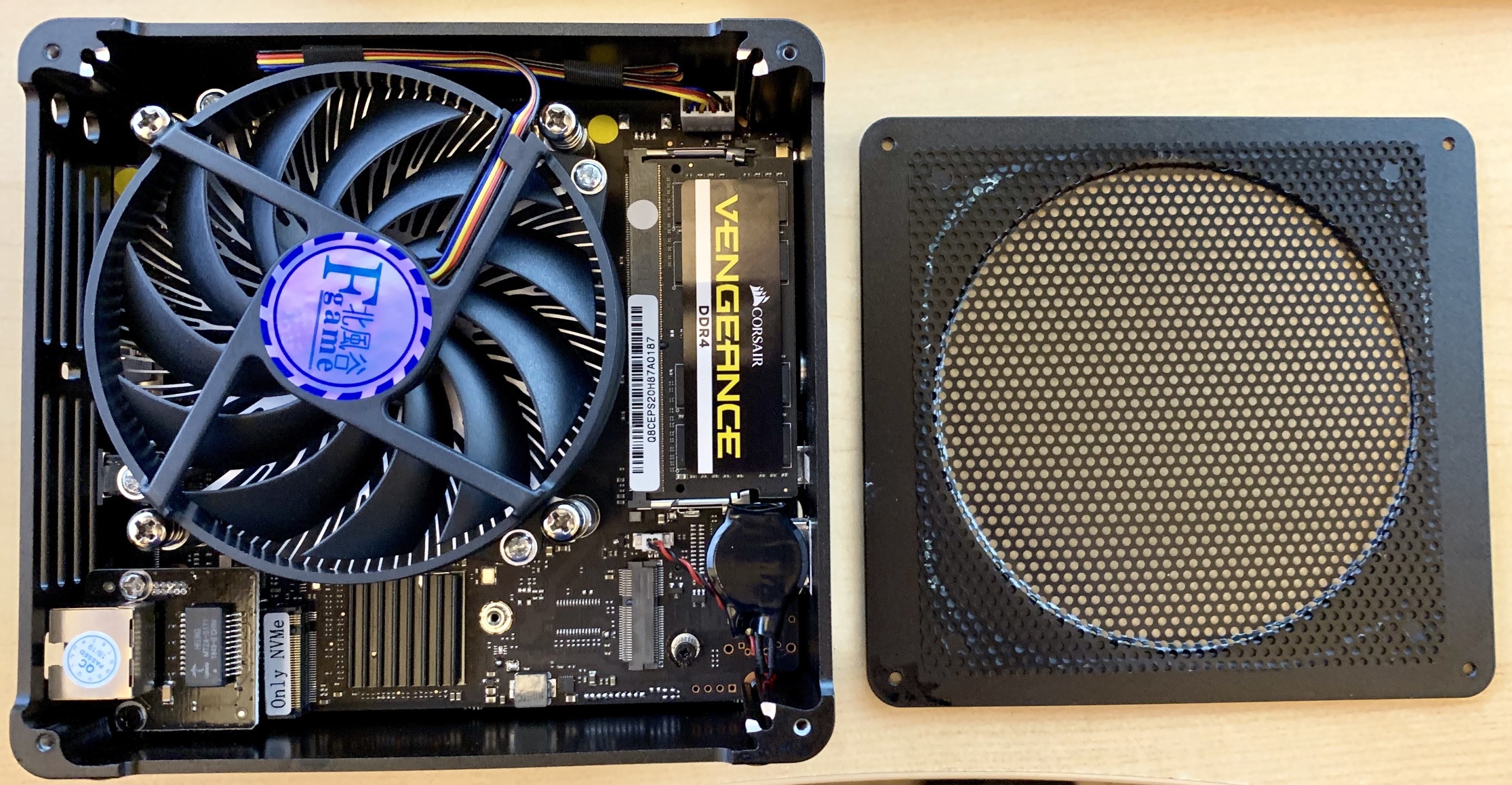
One potential concern with increased performance, especially in a compact form factor, is power consumption and heat generation. The 2017 mini-PC, with its lower-power i7-7500u (15W TDP), was inherently more energy-efficient. The 2019 model, featuring the i7-8750h (45W TDP), naturally consumes more power due to its higher core count and clock speeds.
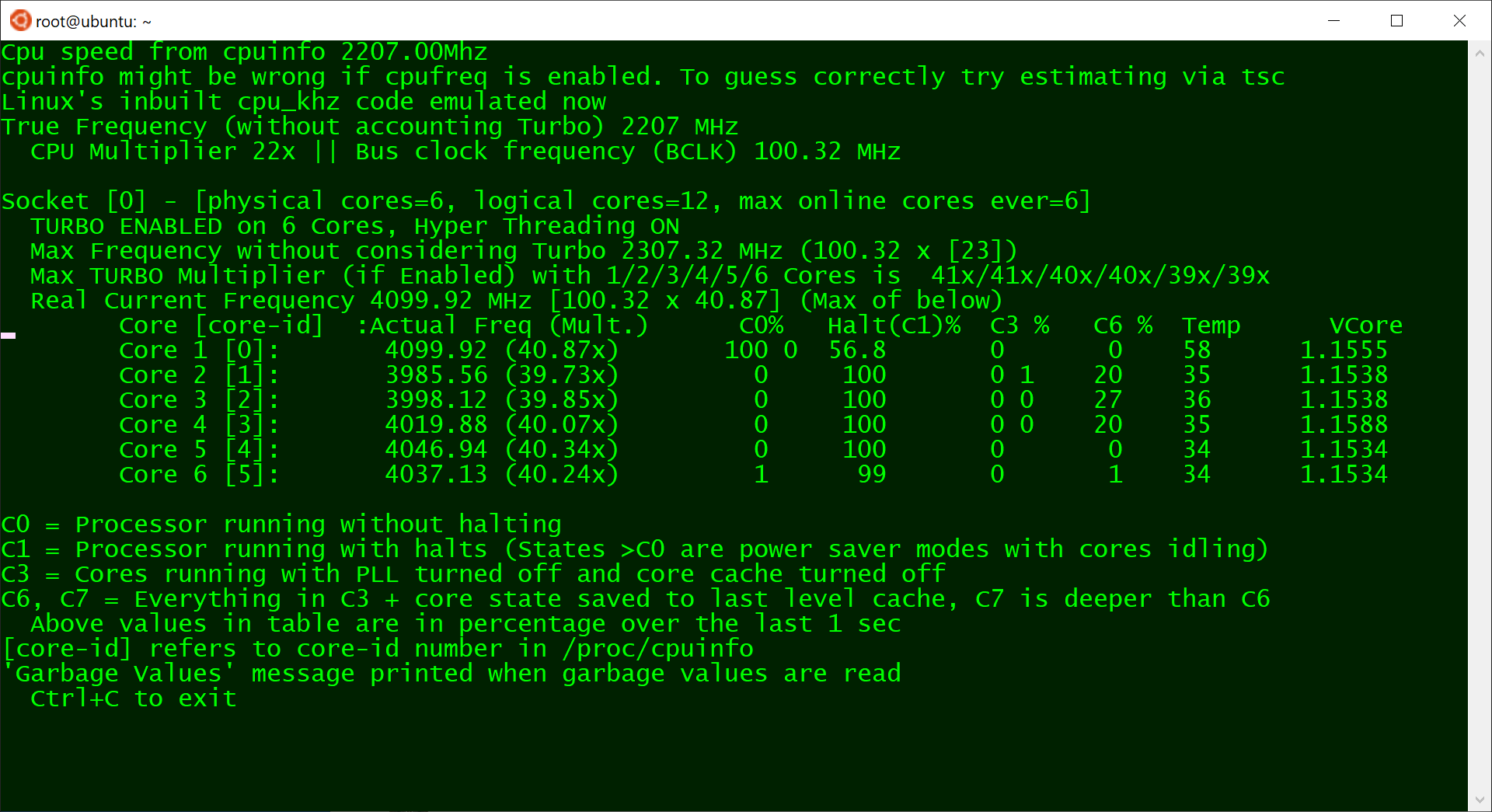
Detailed power consumption tests using tools like i7z and a watt meter revealed the following:
| Load Condition | CPU Frequency | Power Draw |
|---|---|---|
| Idle Login | 800 Mhz | 10W |
stress --cpu 1 |
4.1 GHz | 30W |
stress --cpu 2 |
4.1 GHz | 42W |
stress --cpu 3 |
4.0 GHz | 53W |
stress --cpu 4 |
3.9 GHz | 65W |
stress --cpu 5 |
3.7 GHz | 65W |
stress --cpu 6 |
3.5 GHz | 65W |
stress --cpu 12 |
3.3 GHz | 65W |
Under typical low-load scenarios, the machine operates efficiently at 10-20 watts. Even under full 12-thread CPU stress, the power consumption peaked at 65 watts. It’s important to note that highly demanding workloads utilizing AVX2 extensions, such as mprime, could push consumption higher, up to 75 watts, leading to a slight reduction in clock speed to 3.1 GHz to manage thermals. However, the active cooling solution in the 2019 mini-PC proved to be remarkably effective and quiet, indicating that thermal management is not a significant bottleneck for most workloads.
The Cost-Benefit Analysis: Colocation vs. Cloud
The economic argument for mini-PC colocation becomes truly compelling when examining the long-term costs. For this analysis, a conservative three-year lifespan for the hardware is assumed, although five years is often a realistic expectation given the plateauing of CPU speeds.
Colocation Costs (3 years):
- Hardware Cost (2019 Mini-PC): $820 (initial purchase)
- Colocation Service (EndOffice): $29/month * 36 months = $1,044
- Total 3-Year Cost: $820 + $1,044 = $1,864 (Note: Original article stated $2,044, but $820 + $1,044 = $1,864. The original calculation might have included shipping or other minor incidentals, but based on the provided numbers, this is the direct cost.)
Cloud Hosting Costs (DigitalOcean, 3 years):
To provide a comparable cloud offering, a DigitalOcean droplet with similar specifications (6 CPU, 32GB RAM, 640GB SSD) would cost $160 per month.
- Total 3-Year Cost: $160/month * 36 months = $5,760
Comparing these figures, the colocation of a mini-PC results in a cost saving of approximately $3,896 over three years, making it nearly three times cheaper than a functionally similar cloud server from DigitalOcean. Even considering the initial discrepancy in disk space (the DO droplet offers 140GB more, but with slower performance), and acknowledging the "bonus CPUs" that are often shared and thus less performant in a multi-tenant environment, the cost disparity remains substantial. Atwood’s own quick test of a $160/month DO instance confirmed its performance (sysbench results of 4086 and 11760) remained "considerably below" the 2019 Mini-PC.
Broader Implications and Industry Perspective
This analysis highlights a critical divergence in infrastructure strategy. While the cloud offers unparalleled flexibility, scalability, and ease of deployment for transient or rapidly changing workloads, it comes at a premium, particularly for dedicated computing resources required over extended periods. For businesses or individuals needing stable, high-performance environments for applications like Discourse, databases, or complex computational tasks, the "personal cloud" model offers a compelling alternative.
Who Benefits from Mini-PC Colocation?
- Startups and SMEs: Companies with predictable, stable workloads can significantly reduce operational expenditure.
- Developers and Researchers: Those requiring dedicated CPU power for compilation, simulations, or data processing can achieve better performance per dollar.
- Privacy-Conscious Users: Owning the physical hardware can offer a greater sense of control and data sovereignty, depending on the colocation provider’s policies.
- Niche Applications: Workloads with specific hardware requirements not easily met by standard cloud instance types.
The rise of bare-metal cloud offerings from providers like Packet (now Equinix Metal) or OVHcloud also reflects an industry recognition of the demand for dedicated hardware without the virtualization overhead. However, these services often involve higher monthly fees than consumer-grade colocation of self-owned hardware.
The challenge for mini-PC colocation lies in the initial capital outlay and the logistical effort of procuring, configuring, and shipping the hardware to a data center. It also requires a certain level of technical expertise to manage the operating system and applications. However, for those willing to undertake this initial investment and management, the long-term benefits in terms of cost and performance are undeniable.
Conclusion and Future Outlook
Jeff Atwood’s comprehensive analysis serves as a powerful reminder that the "cloud-first" mantra, while often valid, is not a universal truth. For dedicated computing resources required over several years, building one’s own small personal cloud using high-performance mini-PCs and leveraging competitive colocation services can yield substantial economic and performance advantages. The $820 Partaker B18 box, recommended by Atwood and available through various channels, provides an accessible entry point into this strategy.
As hardware continues to miniaturize and increase in power, and as colocation providers adapt to accommodate these smaller form factors, the viability of the personal cloud is likely to grow. This approach empowers users to reclaim a degree of ownership and control over their digital infrastructure, fostering a more diverse and potentially more cost-effective internet landscape. For those considering long-term infrastructure investments, the option to "put your own computer in the cloud" is no longer a fringe idea but a demonstrably effective strategy worth serious consideration.
About the Author