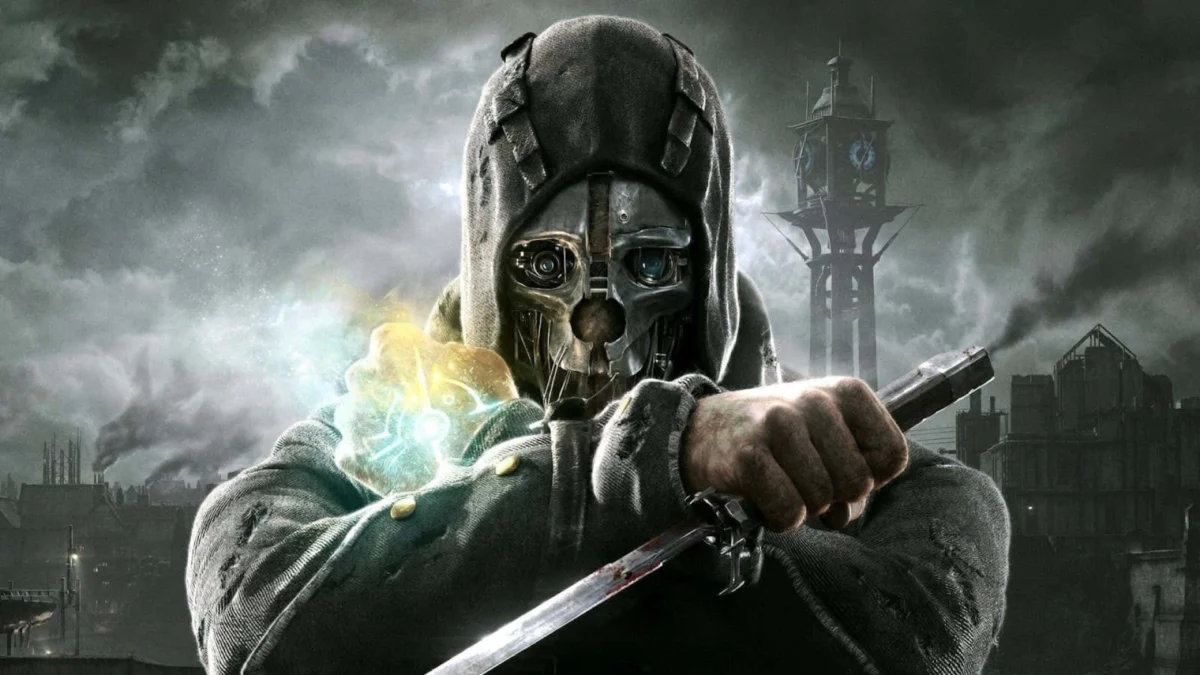
The video game industry, often characterized by its dynamic shifts and cycles of growth and consolidation, has witnessed a significant development with the announcement of Black Pony Immersive, a new independent studio founded by veterans of the acclaimed Arkane Austin. This news comes approximately two years after Arkane Austin, the developer celebrated for its work on the Dishonored series, was controversially shut down by its parent company, Microsoft. The formation of Black Pony Immersive marks not only a new chapter for its seasoned founders but also a testament to the enduring spirit of game development and the resilience of talent in a volatile market.
A New Dawn for Immersive Sims: Black Pony Immersive Emerges
Black Pony Immersive is spearheaded by a formidable duo: Harvey Smith, serving as CEO and Creative Director, and Ben Horne, taking on the roles of COO and Executive Producer. Smith is a revered figure in the gaming world, widely recognized for his creative direction on critically acclaimed titles such such as Dishonored 2 and Dishonored: Death of the Outsider. Horne, meanwhile, brings extensive production expertise, having most recently served as the production director on Redfall. Their collaborative history at Arkane Austin spans years, cementing a working relationship that now forms the bedrock of their new venture. The studio officially commenced operations in August 2025, maintaining a low profile before making its public debut, a strategic move that allowed the team to quietly lay foundations during a period of significant industry upheaval.
The Genesis of Black Pony Immersive: A Timeline
The journey to Black Pony Immersive is inextricably linked to the trajectory of Arkane Austin and the broader corporate strategies of Microsoft.
- Pre-2024: Harvey Smith and Ben Horne establish themselves as key figures at Arkane Austin, contributing to the studio’s reputation for crafting deep, player-driven immersive simulations. Smith’s involvement with the Dishonored franchise, in particular, solidified his status as a visionary in the genre.
- May 2024: In a move that sent shockwaves through the industry, Microsoft announces the closure of Arkane Austin, alongside Tango Gameworks (Hi-Fi Rush, The Evil Within) and Alpha Dog Studios, as part of a significant restructuring within its ZeniMax Media/Bethesda Softworks division. This decision impacts hundreds of employees and raises questions about Microsoft’s long-term strategy for its acquired studios.
- August 2025: Undeterred by the closure of their former studio and facing a challenging industry climate, Smith and Horne secretly open Black Pony Immersive. This period involves intensive efforts to assemble a team, secure initial funding, and begin pre-production on their inaugural project.
- [Current Date of Article Publication]: Black Pony Immersive officially announces its formation to the public, signaling its intent to once again contribute to the video game landscape, specifically within the immersive sim genre. This announcement is met with anticipation by fans and industry observers eager to see what this experienced team will create.
From Arkane’s Ashes: The Context of Studio Closures
The closure of Arkane Austin by Microsoft in 2024 was part of a larger, unsettling trend within the video game industry. That year, and indeed the preceding one, witnessed unprecedented layoffs and studio shutdowns across the sector. Major publishers, including Microsoft, Sony, Embracer Group, and Electronic Arts, announced significant workforce reductions, impacting thousands of developers globally. This widespread instability created a challenging environment for professionals, making the decision to launch a new, independent studio a particularly bold one.
-
The Microsoft/ZeniMax Restructuring: Microsoft’s acquisition of ZeniMax Media (parent company of Bethesda Softworks and Arkane Studios) for $7.5 billion in 2021 was one of the largest in gaming history, followed by the even more colossal $69 billion acquisition of Activision Blizzard King. These moves were intended to bolster Xbox Game Pass and expand Microsoft’s first-party content portfolio. However, the subsequent closures of studios like Arkane Austin and Tango Gameworks, both critically acclaimed developers, raised concerns about the integration process and the autonomy of acquired teams. Industry analysts debated whether these closures reflected underperformance, strategic re-prioritization, or simply the harsh realities of corporate consolidation where redundancy and efficiency gains often come at the cost of jobs and creative entities.
-
Redfall’s Shadow and Arkane Austin’s Legacy: While Arkane Austin was widely lauded for its work on the Dishonored series, particularly for its intricate level design, emergent gameplay, and compelling narratives, the studio’s final release, Redfall, received a mixed critical reception. The vampire-themed co-op shooter struggled with technical issues, design choices, and a departure from Arkane’s traditional immersive sim formula, leading to widespread disappointment. Although it’s speculative to pinpoint Redfall‘s performance as the sole reason for the studio’s closure, it undoubtedly contributed to a narrative of challenges within the Xbox ecosystem. The closure overshadowed Arkane Austin’s significant contributions to the immersive sim genre, leaving a void that many hoped would eventually be filled by its former talent. The formation of Black Pony Immersive, therefore, carries the weight of Arkane’s legacy and the promise of a return to the genre that defined its founders’ careers.
Rebuilding with Purpose: A Team of Industry Veterans
Black Pony Immersive starts strong with a headcount of 26 full-time employees, a significant number for a newly formed independent studio. This initial team is not merely composed of former Arkane Austin personnel but represents a cross-section of talent drawn from some of the industry’s most respected development houses. The roster includes individuals who previously worked at Arkane, Insomniac Games (known for Marvel’s Spider-Man), Avalanche Studios (of Just Cause fame), Volition (Saints Row), and Epic Games (Fortnite, Unreal Engine). This diverse pool of experience suggests a robust blend of creative vision, technical prowess, and production expertise.
-
Diverse Talent Pool: Among the notable names joining Smith and Horne are Ricardo Bare, who previously worked alongside Smith as a designer on the influential Deus Ex series, a progenitor of the immersive sim genre. Also joining is Monte Martinez, a veteran from Ion Storm (another studio pivotal to immersive sims like Deus Ex and Thief) and WolfEye Studios (Weird West). This concentration of talent with deep roots in the immersive sim genre underscores Black Pony Immersive’s foundational commitment to this specific style of game development. The studio’s full-time employees are all based in the United States, complemented by a network of contractors and external developers located across the globe, allowing for a flexible and geographically diverse development pipeline.
-
Commitment to the Immersive Sim Genre: Ben Horne explicitly stated that the team is "purpose-built to make the ambitious games we love—immersive sims." This declaration is a powerful signal to fans of the genre, which prioritizes player agency, environmental storytelling, emergent gameplay, and complex systemic interactions. Immersive sims, while often lauded by critics and a dedicated fanbase, can be challenging to develop due to their intricate design and demand for sophisticated AI and level design. The genre has seen fluctuating commercial success, often requiring a patient approach from publishers. Black Pony Immersive’s explicit focus on this niche suggests a deep passion and a strategic choice to leverage the team’s unparalleled expertise.
.png?disable=upscale&width=1200&height=630&fit=crop)
Navigating a Volatile Landscape: The Challenges of Fundraising
Launching an independent game studio in the current economic climate is no small feat, particularly given the widespread industry layoffs and tightening investment capital. Ben Horne candidly described the co-founders’ experience in fundraising as taking place in a "really horrible environment." This sentiment is echoed across the industry, where venture capital has become more cautious, and traditional publishing deals are harder to secure for new entities without a proven track record or a pre-existing IP.
-
Rejecting Speculative Trends: A notable aspect of Black Pony Immersive’s fundraising journey was their commitment to their core values, even if it meant turning down potentially lucrative, albeit ethically questionable, investment opportunities. Horne revealed that the team "turned down some deals that just didn’t feel right," specifically citing proposals related to "NFT blockchain situations." This decision highlights a principled stance against integrating speculative and often controversial technologies into their development philosophy. It reflects a broader industry trend of developers and players alike expressing skepticism or outright rejection of NFTs and blockchain integration in games, preferring focus on core gameplay experiences and value for players. By prioritizing long-term vision and player trust over quick, speculative gains, Black Pony Immersive aligns itself with a growing segment of the gaming community.
-
The Pursuit of Creative Autonomy: Harvey Smith, in an interview with GamesIndustry.biz, emphasized the newfound freedom and agility of Black Pony Immersive. He noted that the studio doesn’t "have to seek much approval from anyone else," which allows the team to be "very nimble." This desire for creative autonomy is a recurring theme among veteran developers who leave large corporate structures. Working within a major publisher often involves navigating complex approval processes, adhering to corporate mandates, and sometimes compromising creative vision for marketability or broader corporate objectives. An independent studio, especially one founded by established talent, can prioritize artistic integrity and innovative design, fostering an environment where developers have greater control over their projects and a more direct connection to their creative output. This agility is particularly crucial for developing immersive sims, which often thrive on experimental mechanics and intricate design iterations.
The Road Ahead: An Unannounced Single-Player Experience
Black Pony Immersive is currently deep in development on its inaugural project: an unannounced single-player, narrative-rich game. The studio has confirmed that this title will draw heavily from the team’s collective experience in crafting emergent game mechanics, a hallmark of the immersive sim genre. While details remain scarce, the emphasis on single-player and narrative suggests a focus on deep storytelling and player immersion, moving away from the multiplayer-centric trends that have dominated parts of the industry. This approach aligns perfectly with the strengths of the founders and the genre they champion. Fans can anticipate a game that offers meaningful choices, systemic depth, and a compelling world to explore, indicative of the experiences Arkane Austin once delivered.
Implications for the Industry and the Future of Independent Development
The emergence of Black Pony Immersive carries significant implications for various facets of the video game industry.
-
A Beacon for Niche Genres: In an era where AAA development often gravitates towards established franchises and broad appeal to mitigate massive production costs, the commitment of Black Pony Immersive to the immersive sim genre is a powerful statement. It demonstrates that there is still a market and a passionate developer base for complex, niche experiences. This could encourage other independent studios or even larger publishers to invest in genres that prioritize depth and player agency over mass-market trends, preventing the homogenization of game design.
-
Empowering Developer-Led Initiatives: The founding of Black Pony Immersive by highly experienced and respected developers, particularly after a corporate shutdown, highlights a growing trend of talent reclaiming control over their creative destinies. This move can inspire other industry veterans who might feel stifled by large corporations to pursue independent ventures, fostering a more diverse and innovative development landscape. It underscores the idea that creative vision and experienced leadership can attract talent and secure funding, even in challenging times.
-
Shifting Investment Priorities: The explicit rejection of NFT and blockchain-related funding by Black Pony Immersive, despite the "horrible environment for fundraising," reflects a broader maturation in the investment landscape for games. It signals a preference for sustainable, player-centric business models over speculative trends. As the hype around blockchain gaming has cooled, investors and developers are increasingly returning their focus to fundamental game quality and proven engagement models, which Black Pony Immersive embodies.
-
Talent Retention and Industry Resilience: The ability of Black Pony Immersive to attract a diverse pool of talent from various high-profile studios, including former colleagues from Arkane and seasoned developers from other renowned teams, speaks volumes about the appeal of its founders and its mission. This demonstrates the resilience of the game development community to retain top talent and reform into new entities, ensuring that valuable experience and creative potential are not lost due to corporate restructuring.
Conclusion: A Resilient Spirit in Game Development
The formation of Black Pony Immersive is more than just another studio announcement; it is a narrative of resilience, a commitment to a beloved genre, and a testament to the enduring spirit of game development. Born from the ashes of a corporate closure, Black Pony Immersive stands as a beacon of hope for creative autonomy and the continued evolution of the immersive sim. As Harvey Smith and Ben Horne, alongside their accomplished team, embark on this new journey, the gaming world watches with anticipation, eager to experience the next chapter in their storied careers and the emergent worlds they are poised to create. Their dedication to craft, rejection of fleeting trends, and unwavering focus on player experience suggest a promising future for this new venture and, by extension, for the immersive sim genre itself.
About the Author