The transition of the European gaming landscape reaches its annual zenith this week as Gamescom Dev opens its doors at the newly inaugurated Confex center within Cologne’s Koelnmesse. Formerly known as Devcom or the Gamescom Developer Conference, the rebranded Gamescom Dev serves as the professional backbone of Europe’s largest gaming event, providing a dedicated environment for industry-facing tools, payment providers, and business-to-business (B2B) networking. While the broader Gamescom event prepares for its massive consumer influx on Wednesday, the developer-centric halls are already buzzing with the activity of engineers, executives, and service providers who facilitate the global games economy.
The Rebranding and Evolution of the Professional Sector
The decision to rebrand the Gamescom Developer Conference to Gamescom Dev in 2026 marks a strategic pivot by the event organizers, Koelnmesse and the German Games Industry Association (game). This shift reflects a desire for a more integrated brand identity that aligns the professional conference more closely with the consumer-facing exhibition. Historically, Devcom functioned as a semi-autonomous entity, but the current iteration emphasizes a seamless transition between the technical deep dives of the conference rooms and the commercial activity of the show floor.

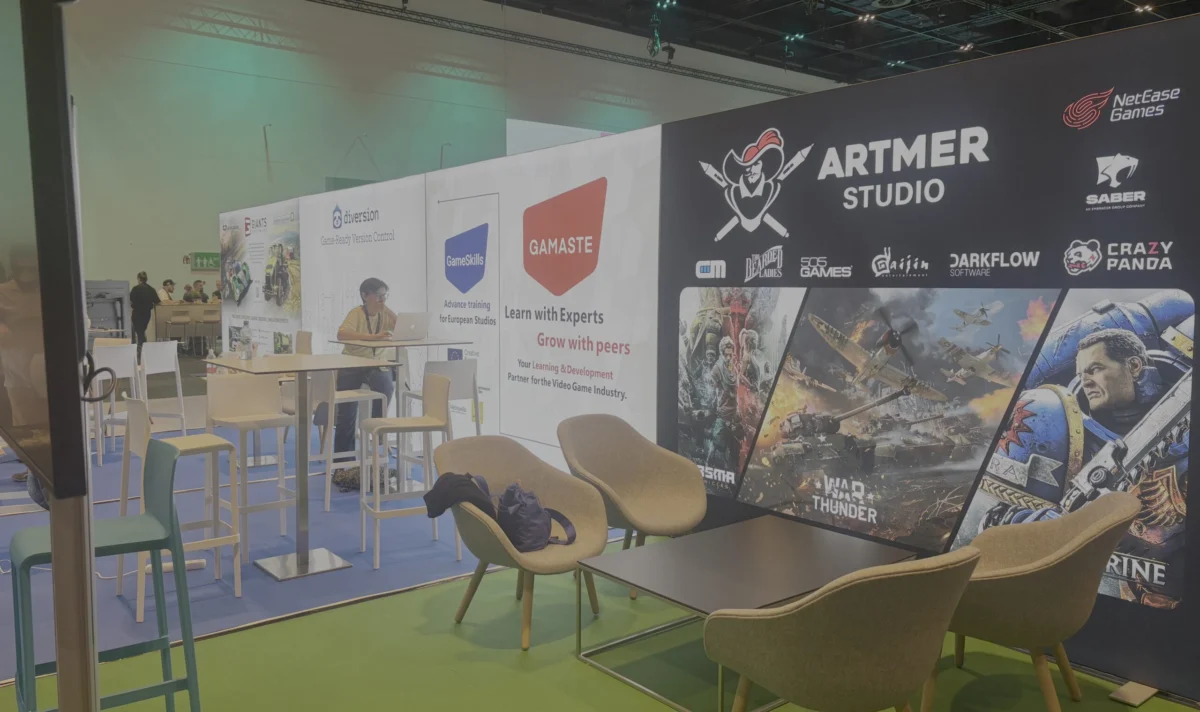
The move to the Confex area—a state-of-the-art conference and exhibition hybrid—has allowed for a more sophisticated layout. Unlike the sprawling, loud halls of the consumer area, Gamescom Dev is characterized by a "modest but focused" show floor. The architecture is designed to facilitate both high-level visibility for major sponsors and quiet, granular discussions within a maze of conference rooms located on the first and second floors. This year’s schedule includes a record number of keynote stages, VIP lounges, and specialized workshops catering to the evolving needs of the modern developer.
Major Industry Players and Show Floor Dynamics
The entrance to the Confex area sets a distinct tone for the event. Finnish mobile giant Supercell has established a dominant presence not through a traditional product booth, but through a massive branded lounge. Filled with bean bags and casual seating, the space is designed for high-level networking and downtime, reflecting Supercell’s corporate culture of "small teams, big impact." Industry observers note that such "lounge-style" booths are becoming increasingly popular among established studios that prioritize relationship management over direct recruitment or product demonstrations.
Directly adjacent to the entrance, the focus shifts to the grassroots level of the industry. Supported by the German local government and regional trade bodies, a wealth of indie game pods showcases the diversity of the European development scene. This area serves as a critical bridge between small-scale creators and the publishers or investors circulating through the VIP areas.

Moving further into the central walkway, the presence of major technology and service providers becomes apparent. Tencent Games maintains a significant footprint, emphasizing its role as a global platform and investor rather than just a developer. Nearby, stands for FastSpring, ThinkingAI, and JetBrains highlight the critical infrastructure that supports game development—ranging from global payment processing and monetization to integrated development environments (IDEs) and artificial intelligence integration.
Technical Innovation and Visual Dominance
One of the most striking visual elements of the 2026 show floor is the Noesis GUI installation. Featuring a large-scale video wall, the firm is utilizing high-impact visual marketing to promote its user interface framework. This reflects a broader trend within the B2B sector where tool providers are increasingly adopting the "flashy" marketing tactics once reserved for AAA game titles.
Other technical stalwarts present include:

- Sentry: The error-tracking and bug-fixing firm continues to be a staple for developers focusing on live-service stability.
- Perforce and Photon: These companies represent the essential "plumbing" of the industry, providing version control and multiplayer networking solutions respectively.
- Rive: The game engine and animation tool provider has taken a strategic sponsorship role this year, branding the VIP and speaker lounges to ensure maximum visibility among the industry’s decision-makers.
The presence of companies like Abstract, Kubee, and Google Cloud further underscores the industry’s reliance on cloud infrastructure and data analytics. As games-as-a-service (GaaS) remains the dominant business model, the demand for robust backend services is at an all-time high.
National Pavilions and Global Trade Bodies
A significant portion of the Gamescom Dev floor is occupied by national trade associations, which play a vital role in international talent acquisition and tax-incentive promotion. The Brazilian games industry body has secured a prominent spot this year, reflecting South America’s growing influence as both a development hub and a massive consumer market. Similarly, Cygma—the trade association for Cyprus—is present to promote the island’s favorable regulatory environment for tech firms.
The local Cologne trade association also maintains a strong presence, reminding attendees of the city’s status as a central node in the European digital economy. These pavilions often act as "mini-hubs" within the conference, offering a concentrated look at the talent and economic policies of their respective regions.

The Apple Games App: A Surprising Discovery
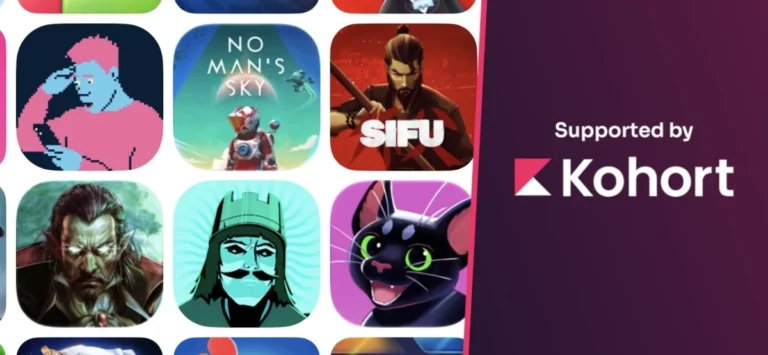
Perhaps the most discussed anomaly of this year’s event is not located within the Koelnmesse itself, but across the Rhine river. Observers have noted that the Apple Store in central Cologne is currently running one of the first visible public promotions for the "Apple Games" app.
The Apple Games app launched in September 2025 with almost no marketing fanfare, leading many to speculate about the tech giant’s long-term gaming strategy. By placing a focused promotion in the heart of Cologne during Gamescom, Apple is signaling a subtle but deliberate outreach to the global gaming community. The app is designed to consolidate Apple’s gaming ecosystem, potentially rivaling established platforms by integrating Arcade, the App Store, and social gaming features into a single interface. The timing of this promotion suggests that Apple is looking to capitalize on the concentration of industry professionals and enthusiasts currently in the city.
Economic Context and Industry Implications
The growth of Gamescom Dev comes at a time of significant transition for the global games market. Following the post-pandemic market correction and a wave of industry layoffs in 2024 and 2025, the focus in 2026 has shifted toward sustainability, efficiency, and the integration of generative AI in development workflows.

Data from the German Games Industry Association indicates that while consumer spending has stabilized, the cost of development continues to rise. This makes the tools and services showcased at Gamescom Dev—such as automated bug tracking from Sentry or efficient UI workflows from Noesis—more critical than ever. Developers are seeking ways to shorten production cycles without sacrificing quality, a theme that has permeated many of the keynote speeches delivered on the first and second floors of the Confex.
Furthermore, the emphasis on payment providers like FastSpring and Solsta highlights the ongoing challenges of global distribution. With shifting regulations regarding app store commissions and the rise of third-party web shops, developers are increasingly looking for ways to bypass traditional gatekeepers and retain a higher percentage of their revenue.
Conclusion and Future Outlook
As Gamescom Dev concludes its initial sessions and the main Gamescom halls prepare to open to the public, the sentiment among B2B attendees remains cautiously optimistic. The rebranding of the conference has successfully streamlined the professional experience, providing a high-tech environment that matches the scale of the global industry.

The "flashy" booths of the developer area may not have the same level of spectacle as the consumer halls—where massive statues and celebrity appearances are the norm—but the business being conducted within the Confex center is what will define the next three to five years of gaming. From the quiet networking in the Supercell lounge to the strategic technical displays by Tencent and Google Cloud, Gamescom Dev 2026 stands as a testament to the sophisticated, multi-billion-dollar infrastructure that supports every pixel on a gamer’s screen.
As the industry looks toward 2027, the integration of professional development tools, regional economic support, and platform-level innovations like the Apple Games app will continue to be the primary drivers of growth. For now, the focus remains on the halls of Cologne, where the future of play is being negotiated one meeting at a time.
About the Author