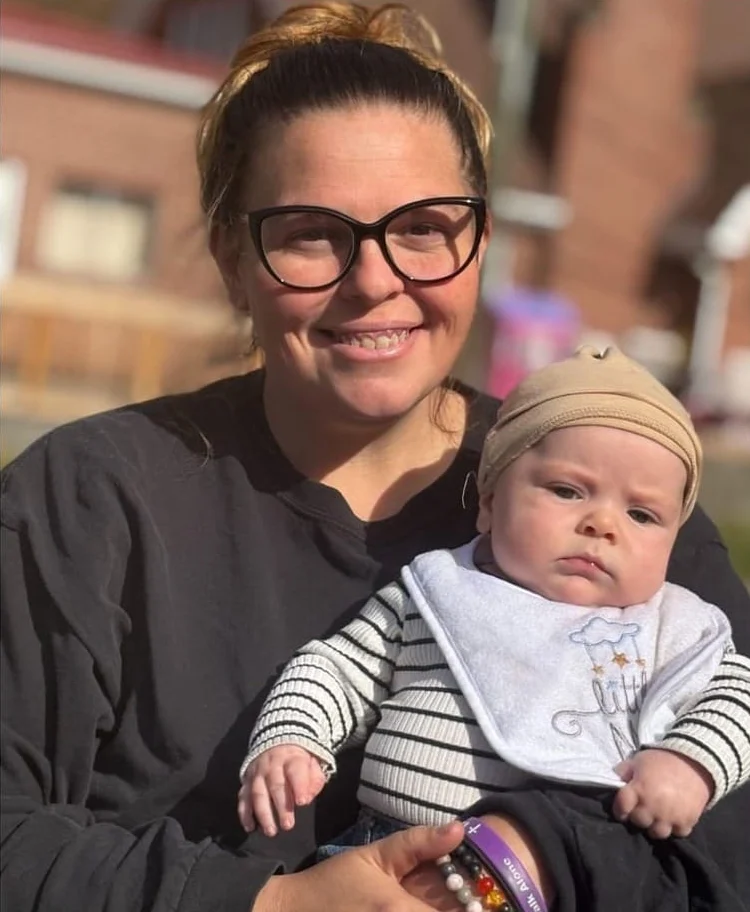
Philanthropist and technology entrepreneur Jeff Atwood, co-founder of Stack Overflow, and his family have announced a significant expansion of their "Share the American Dream" initiative, pledging an additional $50 million towards a long-term effort focused on establishing a Rural Guaranteed Minimum Income Initiative (RGMII). This substantial commitment, representing half of their remaining wealth, aims to address systemic poverty by providing direct cash transfers to families in need within underserved rural communities across the United States. The move follows a year-long pledge to support both immediate charitable needs and foundational societal change.
The initiative, first launched a year ago under the banner "Share the American Dream," called upon Americans to participate in a two-pronged approach to philanthropy. The initial tenet focused on immediate support for organizations effectively assisting those most in need across America. The second, more ambitious goal, was to contribute public dedications of time or funds towards longer-term efforts designed to keep the American Dream fair and attainable for all future generations. Atwood articulated this vision on his popular "Coding Horror" blog, drawing inspiration from the impactful words of Mary Gates: "From those to whom much is given, much is expected." This quote, often attributed to the mother of Microsoft co-founder Bill Gates, underscores a profound sense of responsibility among those with significant resources.
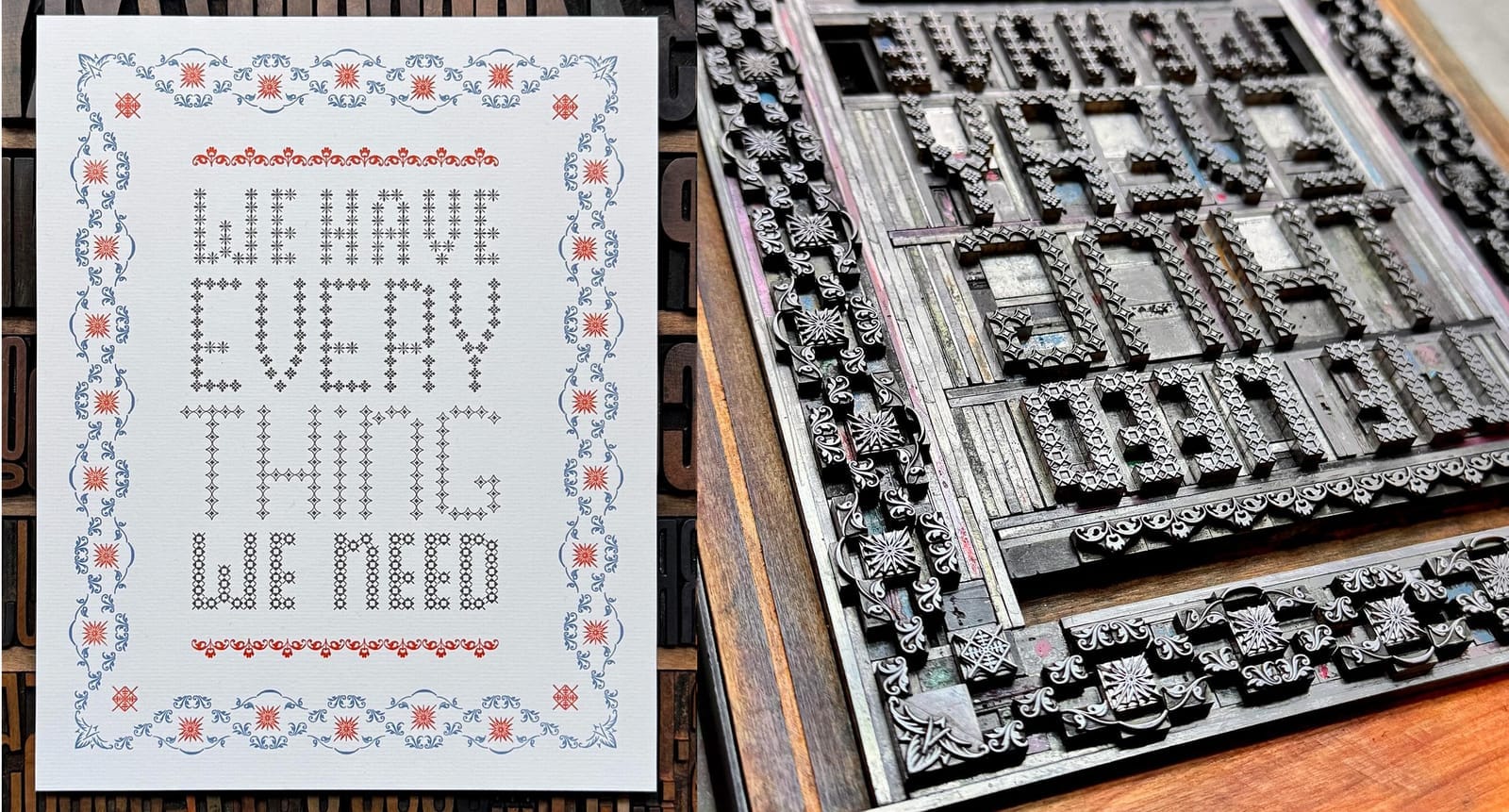
For the Atwood family, this philosophy has been a guiding principle since the 2021 acquisition of Stack Overflow, a widely recognized platform for developers, by Prosus for a reported $1.8 billion. This event prompted profound introspection for Jeff Atwood and his wife, Betsy, regarding the concept of "enough." On a recent podcast, Betsy Atwood eloquently articulated their family’s perspective: "Well, we have everything we need! That’s how I’ve always phrased it to [our children]. That, I think, extends [to our philanthropy]. We have everything we need; how do we make sure everybody has what they need? Because that’s the basic thing – Do you have a comfortable place to live? Do you have enough to eat? Do you have healthcare? If you have the basics, you’re in a good place in life, and everybody should have that opportunity." This foundational question about equitable access to basic necessities became the driving force behind their expanded philanthropic vision.
A Chronology of Commitment: From Immediate Aid to Systemic Solutions
The journey of the "Share the American Dream" pledge began with immediate action to address pressing needs. In January 2025, the Atwood family publicly announced an initial donation of $1 million distributed among eight nonprofit charities identified as highly effective by organizations like Charity Navigator. Recognizing the escalating urgency of societal challenges, they swiftly augmented this commitment, adding an additional $13 million in donations within a few months, bringing the total immediate aid to $21 million. These initial contributions targeted organizations providing direct relief and support to vulnerable populations, focusing on immediate impact.

However, the Atwoods recognized that a purely reactive approach, addressing "individual fires" as they emerged, was unsustainable. True change, they reasoned, required proactive "fire abatement" – tackling the root causes of systemic issues to prevent future crises. This realization propelled them towards the second, longer-term aspect of their pledge. Following extensive research and deliberation, by March 2025, a consensus emerged around a specific, impactful strategy: Guaranteed Minimum Income (GMI). This decision was publicly detailed in a subsequent blog post titled "The Road Not Taken is Guaranteed Minimum Income," signaling a strategic pivot towards a more structural solution to poverty.
Understanding Guaranteed Minimum Income (GMI)
The selection of GMI as the primary long-term focus represents a nuanced approach to wealth redistribution and poverty alleviation. GMI is presented as an evolved version of Universal Basic Income (UBI), differentiating itself by its targeted nature. While UBI typically involves providing a regular, unconditional income to all citizens regardless of their economic status, GMI specifically directs funds towards those who most need it, with a particular emphasis on families experiencing generational poverty. This targeted approach aims to maximize the impact of every dollar by ensuring it reaches the most vulnerable populations, where it can address fundamental deficiencies in housing, food security, and healthcare.
The rationale behind GMI is supported by a growing body of evidence from pilot programs and academic studies worldwide, which suggest that direct cash transfers can significantly improve recipients’ financial stability, health outcomes, and overall well-being. By providing a safety net, GMI can empower individuals to make choices that lead to greater self-sufficiency, invest in education or small businesses, and break cycles of poverty. It moves beyond traditional welfare models that often come with restrictive conditions, fostering dignity and agency among recipients.
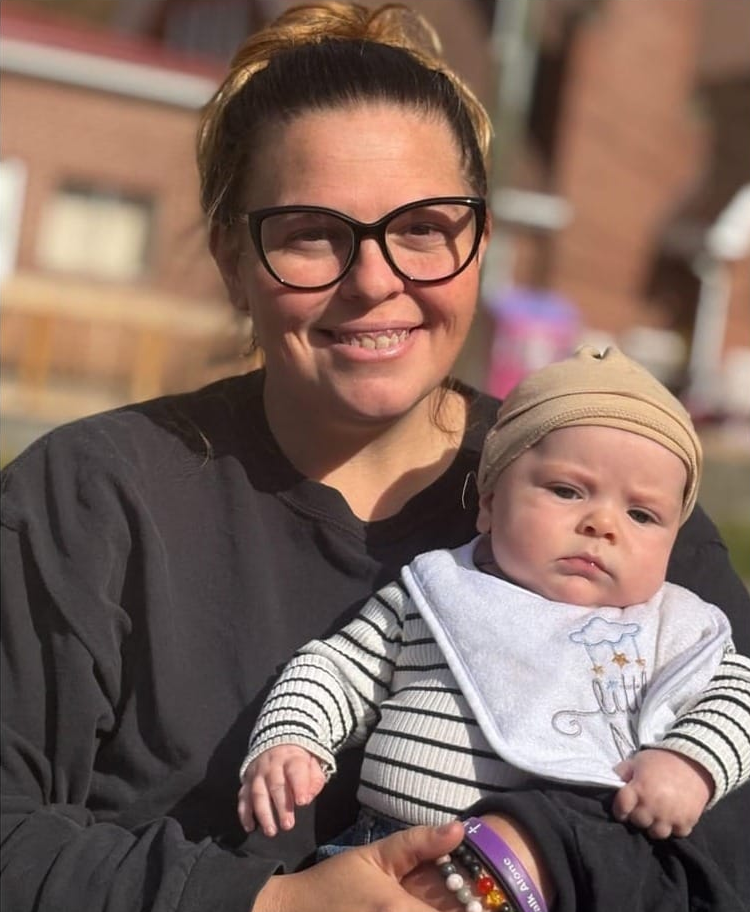
To illustrate the tangible impact of such programs, the article highlights the experience of Stacy D., a recipient of a similar initiative in West Virginia. Stacy, a mother of five who had to stop working due to a high-risk pregnancy and subsequently faced vehicle breakdown, articulated the profound difference direct support made: "You don’t know how hard it is to ask people, hey, can I get a ride to the grocery store? Or, hey, my baby has two month shots. I had to borrow a vehicle. This is gonna… it’s going to do a lot!" Her testimony underscores how seemingly small financial interventions can alleviate significant stress and enable families to manage essential needs and unexpected crises, which are often insurmountable barriers for those in deep poverty.
The Rural Guaranteed Minimum Income Initiative (RGMII): A Strategic Focus

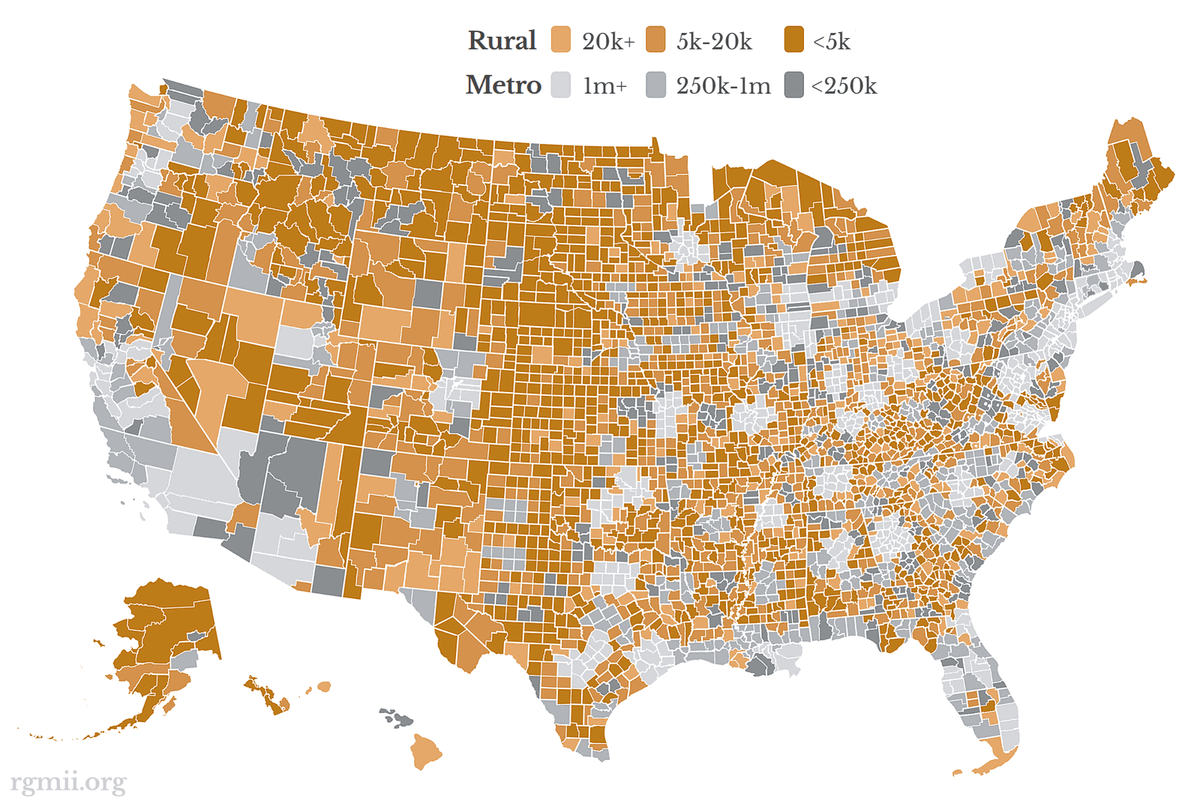
The Atwood family’s $50 million pledge is specifically channeled into the Rural Guaranteed Minimum Income Initiative (RGMII), a new organization designed to implement and study GMI programs. The decision to focus on rural counties is strategic and multifaceted. Geographically, rural areas in the United States often face higher rates of poverty compared to urban or suburban regions, coupled with fewer social services and economic opportunities. Moreover, the cost of living in many rural areas is lower, meaning that philanthropic dollars can often stretch further and have a more profound impact per recipient.
The smaller population sizes in rural counties also lend themselves to more effective and manageable pilot studies, allowing for tighter control over variables and more accurate data collection. This emphasis on data is crucial, as the RGMII aims to share its findings globally, contributing to the broader academic and policy discourse on direct cash transfers. Jeff Atwood also cites a personal connection, noting that his parents and he originated from rural areas, giving him a unique understanding of the untapped talent and overlooked potential within these communities.
The RGMII is already operational, having funded three initial county-level programs: Mercer County, West Virginia; Beaufort County, North Carolina; and Warren County, Mississippi. These programs are designed to lift thousands of people out of poverty for a period of 16 months, providing stable income and support. The selection of these diverse counties across different regions allows for a broader understanding of GMI’s effectiveness in varying socio-economic contexts. The data collected from these pilots will be instrumental in demonstrating the efficacy of GMI and informing future policy recommendations. The long-term ambition is to expand these GMI studies to all 50 states, building a comprehensive body of evidence to advocate for broader implementation.

Broader Impact and Implications: A New Model for Philanthropy
The RGMII represents a significant entry into the philanthropic landscape, particularly in its commitment to evidence-based, systemic change. In an era where economic inequality continues to challenge the foundational promise of the American Dream, private philanthropy plays an increasingly critical role. The Atwoods’ approach—moving beyond traditional charity to invest in structural solutions like GMI—mirrors a growing trend among major donors to fund innovative models that tackle root causes rather than symptoms.
The initiative’s focus on open data sharing positions it as a potential catalyst for policy reform. By rigorously documenting the outcomes in these rural counties, the RGMII aims to provide empirical evidence that can sway public opinion, inform legislators, and encourage government adoption of GMI principles. The historical context of GMI, often misunderstood or conflated with other social programs, makes such data-driven advocacy particularly vital. Early proponents of similar concepts date back centuries, with figures like Thomas Paine and Dr. Martin Luther King Jr. advocating for forms of guaranteed income, highlighting its long, albeit often challenging, history in public discourse.
Jeff Atwood views the RGMII as his "third and final startup," a testament to his dedication to this cause. Unlike a traditional "Atwood Foundation," the RGMII is singularly focused on advancing the concept of direct cash transfer. This specialization underscores a belief that simply "giving money to those most in need" is not merely an act of charity but a profoundly effective and, as Atwood describes it, "radical act of love." The available data, as referenced by Atwood, consistently demonstrates that direct cash transfers enable recipients to afford basic necessities, maintain stable housing, and manage unexpected expenses, thereby fostering resilience and opportunity.
A Call for Collective Engagement
The success of the RGMII and the broader goal of revitalizing the American Dream hinges on collective action. The Atwoods extend an open invitation for everyone to participate. This includes sharing the results of GMI studies, delving into the rich history and mechanisms of GMI, and engaging with elected representatives to foster informed discussions. Many people, as Atwood notes, remain unfamiliar with GMI or hold misconceptions about its function and potential impact. Education and advocacy are therefore crucial components of the initiative.
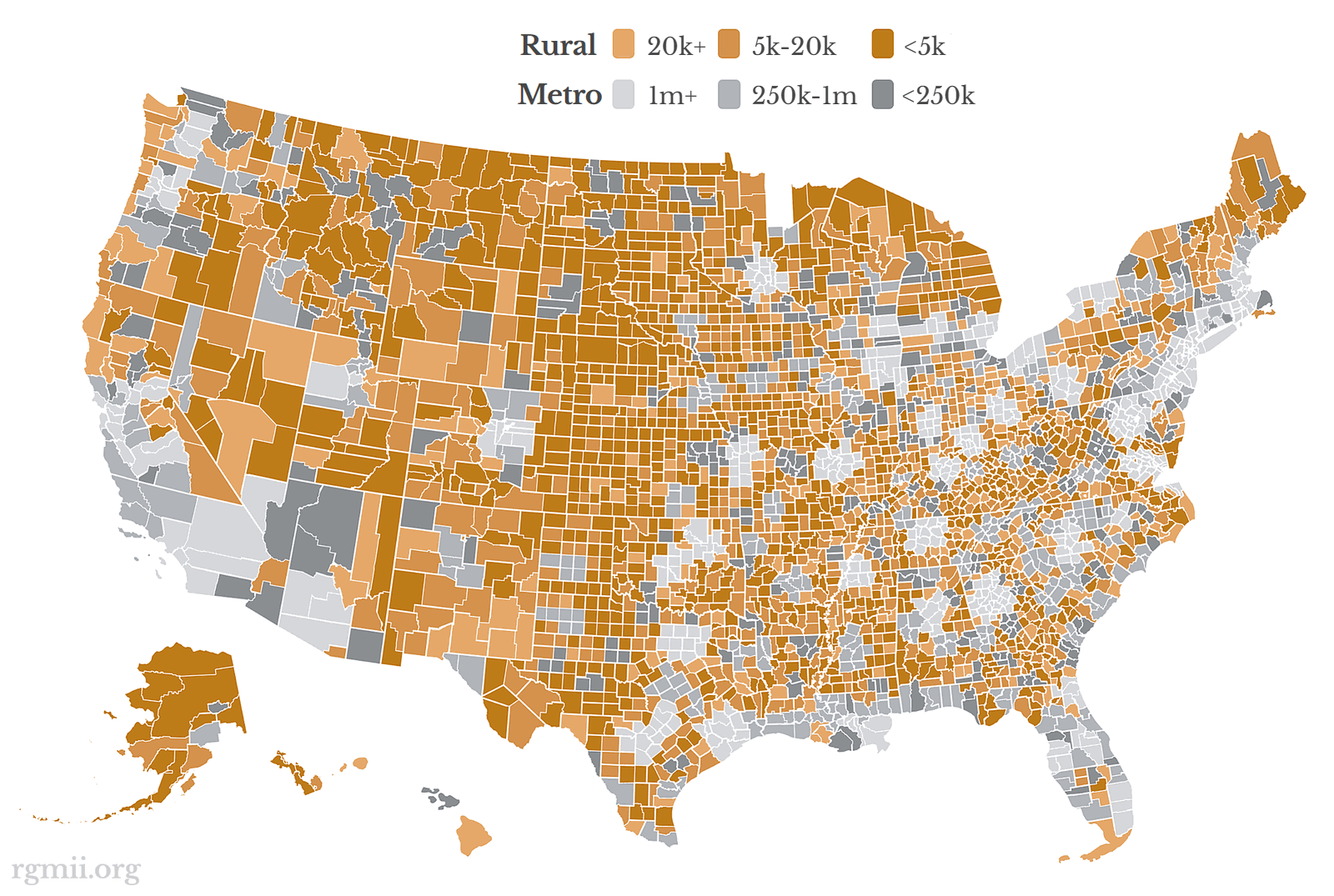
For individuals and families "to whom much is given," the RGMII offers a direct pathway to significant impact. The initiative actively seeks sponsors for county-scale GMI studies, inviting other high-net-worth individuals to join in expanding the program to new rural counties and ultimately reaching all 50 states. This collaborative model aims to accelerate the generation of open data, demonstrating the transformative power of GMI on a wider scale.
The underlying conviction of the "Share the American Dream" initiative remains steadfast: dreams, like happiness, are only truly real when shared. By embracing what Jeff Atwood refers to as "the path of love," a challenging but ultimately survivable route, the Atwoods hope to inspire a movement that ensures basic opportunities and dignity for all Americans. The RGMII stands as a tangible commitment to this vision, striving to build a more equitable future one rural community at a time. The initiative’s ongoing progress and calls to action can be followed at staygold.us and rgmii.org.
About the Author