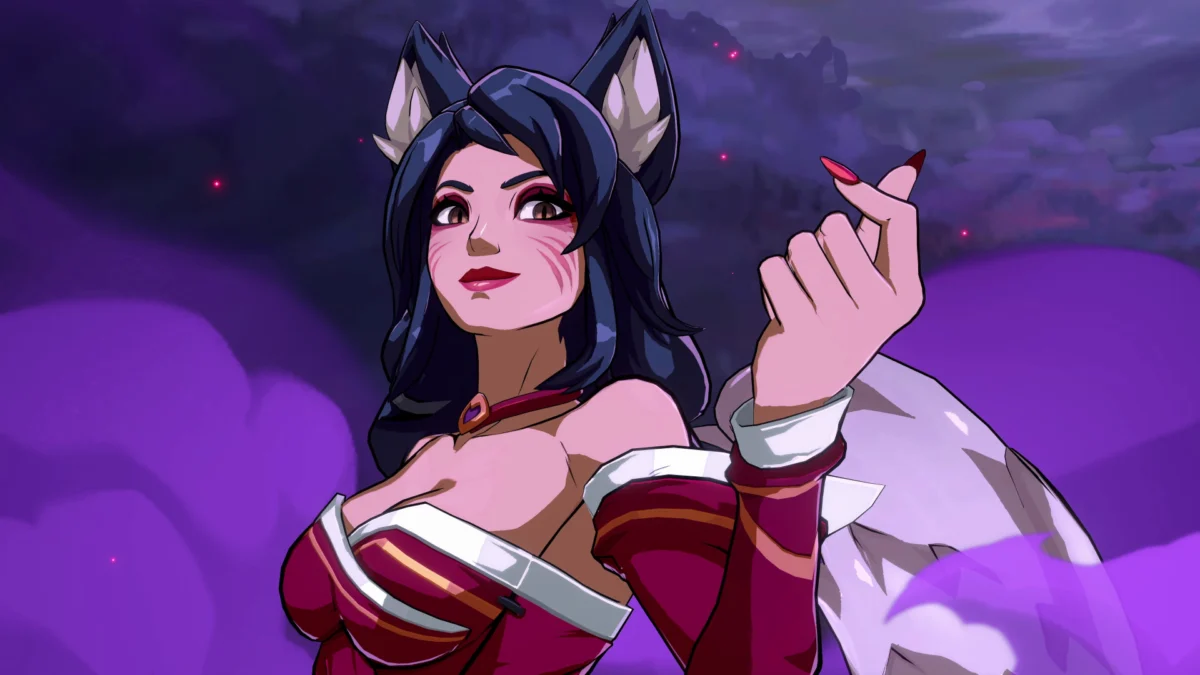
Riot Games, the developer behind global esports phenomena like League of Legends and Valorant, has announced its decision to wind down active development for its highly anticipated fighting game, 2XKO, by December 2026. The move signals a strategic re-evaluation of the project’s viability following its official launch earlier this year, despite initial positive reception from a dedicated segment of the fighting game community. The company stated that while development will cease, servers will remain operational for the foreseeable future, ensuring continued online and offline play for existing users.
Until active development concludes at the end of 2026, Riot Games plans to introduce additional content and feature improvements, including the release of two new champions. Following this period, a final bug fix patch will be deployed to stabilize the game. In a gesture aimed at supporting its player base, Riot will unlock all existing champions and bundle most cosmetic items. Furthermore, the company has committed to refunding all money spent within 2XKO on or before August 20, 2024, an unprecedented move designed to acknowledge and compensate its invested players.
The Genesis of 2XKO: A Long-Awaited Entry into the FGC
The journey of 2XKO, initially known as "Project L," began with immense fanfare and community excitement. First revealed in 2019, the project marked Riot Games’ ambitious foray into the fiercely competitive fighting game genre, a significant diversification from its established MOBA and tactical shooter titles. The announcement alone sent ripples through the Fighting Game Community (FGC), primarily due to Riot’s reputation for high-quality game development and robust live-service support.
At the helm of "Project L" were Tom Cannon and Tony Cannon, revered figures within the FGC. As co-founders of Evo, the world’s largest fighting game tournament, and creators of GGPO (Good Game Peace Out) netcode, their involvement lent immediate credibility and high expectations for the game’s technical execution, especially regarding online play—a critical aspect for any modern fighting game. The vision was clear: a free-to-play, tag-team assist-based fighter set within the expansive and lore-rich universe of League of Legends, leveraging its iconic champions. This approach was intended to attract both veteran fighting game players and a new wave of players drawn by the established League of Legends IP.
Throughout its development, "Project L" garnered significant attention through developer diaries, gameplay showcases, and alpha tests. The community eagerly anticipated its release, viewing it as a potential disruptor in a genre often dominated by established franchises like Street Fighter, Tekken, and Mortal Kombat. The shift from "Project L" to its official title, 2XKO, in late 2023, signaled an impending launch, which eventually materialized in January 2024.
A Detailed Timeline of Development and Challenges
The path of 2XKO from concept to its current status has been marked by periods of high anticipation, gradual reveals, and ultimately, significant challenges.
- 2019: Riot Games officially announces "Project L," a new fighting game in development, confirming the Cannon brothers’ involvement and the game’s setting within the League of Legends universe.
- 2020-2022: Sporadic developer updates and behind-the-scenes glimpses maintain community interest. Emphasis is placed on solidifying core gameplay mechanics and robust netcode.
- Early 2023: More substantial gameplay footage is released, showcasing the tag-team mechanics and a growing roster of champions. Limited alpha and beta tests begin, providing early community feedback.
- Late 2023: The official title 2XKO is revealed, along with a commitment to a 2024 launch window, building momentum for its release.
- January 2024: 2XKO officially launches, entering the market as a free-to-play title. Initial player numbers are encouraging, with many eager to experience Riot’s take on the genre.
- February 2024: Reports surface of significant layoffs impacting approximately 80 employees directly associated with the 2XKO team. This follows earlier reports of staff reductions at Demiurge Studios, a co-developer on the project, in the previous year. These layoffs signal potential internal struggles or re-prioritization within Riot Games, casting a shadow over the newly launched title.
- August 2024: Riot Games publicly announces the decision to wind down active development for 2XKO by December 2026, citing issues with long-term sustainability due to insufficient player retention.
- December 2026: Scheduled conclusion of active content development and deployment of the final bug fix patch.
The Business Model and Player Engagement Conundrum
Riot Games explicitly aimed to make the fighting game genre "more accessible and discoverable" to new players by adopting a free-to-play (F2P) model for 2XKO. This strategy has been incredibly successful for titles like League of Legends and Valorant, which boast massive global player bases and generate substantial revenue through cosmetic microtransactions. However, the F2P model, while lowering the barrier to entry, inherently demands a significant and consistently engaged player population to be sustainable.
In its official statement, Riot candidly explained the core issue: "Over the last few months, we’ve been monitoring 2XKO‘s trajectory closely, and what we’ve seen is painting a clear, consistent picture: while a lot of you jumped in to try the game and there’s an incredible community that plays every day, we haven’t seen enough players stick with the game to get to a path toward sustainability." This sentiment underscores a critical challenge for F2P titles: initial downloads and trials do not automatically translate into long-term engagement or monetization.
.png?disable=upscale&width=1200&height=630&fit=crop)
The game’s reception was described as "largely positive and encouraging from different subsets of the fighting game community." Specifically, "Diehard tag fighter players loved 2XKO," indicating a successful appeal to a niche but passionate segment. However, the broader appeal proved elusive, with "most other fighting game players struggled to find reasons to stick with the game." This suggests a potential disconnect between the game’s core mechanics—the tag-team assist system—and the preferences of a wider audience within the FGC, many of whom might prefer more traditional 1v1 formats or different combat pacing. The competitive landscape for fighting games is also incredibly dense, with numerous established titles continually releasing new content and maintaining strong communities. Breaking into this market, even with a strong IP and F2P model, requires a unique and compelling draw that can sustain interest over years, not just months.
Operational Costs and Financial Realities
The financial viability of 2XKO was a central factor in Riot’s decision. The studio confirmed that the game cost "substantially more to operate than it brings in." This imbalance is a common pitfall for F2P live-service games that fail to achieve critical mass. Operational costs for a modern online multiplayer game are extensive, encompassing:
- Server Infrastructure: Maintaining robust, low-latency servers globally for a competitive online experience is a continuous, high-cost endeavor.
- Ongoing Development: Even after launch, a live-service game requires a dedicated team for new content (characters, stages, modes), balance patches, bug fixes, and feature improvements. This includes salaries for artists, programmers, designers, and quality assurance testers.
- Marketing and Community Management: Sustained marketing efforts are needed to attract new players and re-engage dormant ones. Community managers are essential for fostering a healthy player base.
- Esports Investment (Potential): While not fully developed, Riot’s history suggests a potential future investment in an esports ecosystem for 2XKO, which would add significant costs.
Revenue generation for F2P titles primarily comes from cosmetic items (character skins, emotes, stage customizations) and battle passes. If player retention and conversion rates to paying customers are insufficient, these revenue streams simply cannot cover the extensive operational expenditures. Riot acknowledged exploring various options, including "reducing team size, adjusting path schedules, and changing business model," but ultimately concluded that winding down active development was the most prudent financial course of action. This decision highlights the harsh economic realities facing even well-funded developers in the highly competitive and increasingly saturated gaming market.
Riot’s Player-Centric Sunset Plan
In light of the impending wind-down, Riot Games has outlined a series of measures aimed at "do[ing] right by the players" who invested their time and money into 2XKO. The unlocking of all champions and bundling of most cosmetic items are significant gestures that ensure players can continue to enjoy the full breadth of the game’s content without further financial commitment. The commitment to refund all money spent before August 20 further demonstrates Riot’s dedication to its player base, seeking to mitigate negative sentiment and foster goodwill, even in a difficult situation.
This approach stands in contrast to some past game shutdowns where players lost access to purchased content or received no compensation. By ensuring that servers remain online for the "foreseeable future" and that offline play remains unaffected, Riot aims to leave 2XKO in a playable state, allowing the dedicated community that formed around the game to continue enjoying it. This strategy aligns with Riot’s broader commitment to player experience, even when a title does not meet commercial expectations.
Industry Reactions and Broader Implications
The announcement has elicited a range of reactions across the gaming industry, particularly within the FGC. For many fighting game enthusiasts, while disappointing, the news might not come as a complete surprise. The FGC is known for its passionate but often insular nature, and new entries, especially F2P ones, face an uphill battle against established giants. Analysts often point to the high skill floor and deep commitment required for competitive fighting games as factors that limit their mass appeal compared to other genres. The F2P model, while lowering the financial barrier, might not have been enough to overcome the inherent challenge of sustained engagement in a skill-intensive genre.
From a broader industry perspective, 2XKO‘s trajectory serves as a case study in the complexities and risks associated with ambitious F2P ventures, even for major publishers with deep pockets. The incident underscores that a strong IP and an experienced development team are not always guarantees of success in a crowded market. The earlier layoffs impacting the 2XKO team and co-developer Demiurge Studios were early indicators of internal struggles, hinting at the financial pressures that eventually led to this decision.
For Riot Games itself, this represents a setback in its strategy of diversifying its portfolio beyond its core successes. While Valorant successfully expanded Riot’s footprint into the tactical shooter genre, 2XKO‘s struggle in the fighting game space highlights the challenges of replicating that success across different genres. However, Riot’s concluding statement—that it will "keep exploring new genres and ways to bring players together" and "head back into the R&D lab… to learn and work on how we come back stronger for the next swing at the next genre"—suggests a resilient spirit. The company appears committed to innovation and expansion, viewing this experience as a valuable learning opportunity rather than a deterrent. This forward-looking perspective indicates that while 2XKO may not have met its sustainability goals, Riot’s ambition to explore new gaming territories remains intact.
The implications for the F2P model within the fighting game genre are also noteworthy. While 2XKO aimed to prove that F2P could democratize access to fighting games, its outcome might lead other developers to re-evaluate the model’s suitability for such a niche, skill-based genre. It reinforces the idea that for F2P to succeed, a game must not only attract players but also retain them with compelling content, engaging systems, and a robust community, all while generating sufficient revenue to cover escalating operational costs. The closure of active development for 2XKO is a stark reminder of the intense competition and financial pressures that define the modern video game industry.
About the Author