
The digital landscape has undergone a profound transformation over the past decade, shifting from a lean, text-centric environment to one characterized by rich media, complex scripts, and an ever-expanding advertising ecosystem. This evolution has led to a phenomenon widely described as "web obesity," where websites have become significantly larger and more resource-intensive, often at the expense of user experience, privacy, and performance. While the web’s future, as predicted years ago, remains dominant, its current state presents considerable challenges, prompting users to seek increasingly sophisticated solutions to reclaim control over their online interactions.
The Escalation of Web Bloat: A Decade of Digital Expansion

The concept of "web obesity" gained significant traction with Maciej Cegłowski’s seminal 2015 talk, "The Website Obesity Crisis." Cegłowski highlighted how modern websites, despite the availability of efficient development practices, have ballooned in size, often exceeding several megabytes. This expansion is not primarily driven by richer content alone, but largely by the proliferation of third-party scripts, tracking pixels, analytics tools, social media widgets, and, most prominently, advertising technology. These elements contribute substantially to increased page load times, higher data consumption, and a generally sluggish browsing experience.
In the early days of the internet, websites were typically small, comprising simple HTML and minimal styling, often loading in mere seconds even on dial-up connections. Today, the average web page size, according to data from HTTP Archive, consistently measures in megabytes, with a significant portion attributed to JavaScript and images. For instance, the median desktop page size has grown from under 1MB in the early 2010s to over 2MB by 2020, with mobile pages following a similar trajectory. This growth has outpaced improvements in internet speeds for many users, particularly in regions with less developed infrastructure or for those reliant on mobile data plans.
Cegłowski’s critique underscored the paradox: developers possess the knowledge to build lightweight, fast websites, a skill not "lost to history like Greek fire or Damascus steel." Yet, commercial pressures from clients, advertisers, and marketing departments push for the inclusion of numerous external dependencies. A 200-kilobyte site, even if visually appealing and functionally complete, is often deemed unimaginable in a landscape where multi-megabyte pages are the norm, filled with tracking, analytics, and intrusive advertisements.

The Predominance of Ad-Tech as the Primary Driver of Bloat
A critical insight emerging from this crisis is that the fundamental "bad guy" is not web bloat in isolation, but rather the sprawling and largely unregulated advertising technology (ad-tech) ecosystem. This complex network involves numerous intermediaries, including ad exchanges, demand-side platforms (DSPs), supply-side platforms (SSPs), data management platforms (DMPs), and various tracking services. Each component adds its own layer of code, making multiple requests to external servers before a page even fully renders.
Consider the example of a typical news article. Without an ad blocker, such a page can easily weigh 12 megabytes or more. Activating a basic ad blocker can drastically reduce this payload to just 1 megabyte – a twelvefold decrease. This dramatic reduction illustrates that advertising and its associated tracking infrastructure constitute the overwhelming majority of data transferred for many popular websites. The sheer volume of this data not only slows down browsing but also consumes significant bandwidth, contributing to higher data costs for consumers and increased energy consumption for data centers.

Beyond performance, the ad-tech industry presents profound privacy concerns. User data, including browsing habits, location, and demographic information, is continuously collected, shared, and analyzed by an intricate web of third parties. This data is used to build detailed user profiles for targeted advertising, raising questions about data security, consent, and the ethical implications of pervasive surveillance.
The Rise of Ad Blockers and the Looming Conflict with Browser Developers
In response to this deteriorating web experience, users have increasingly turned to ad-blocking software. Browser extensions like uBlock Origin and AdBlock Plus consistently rank among the most popular add-ons, signaling a widespread user demand for a cleaner, faster, and more private online environment. The reasons for their adoption are multifaceted: mitigating slow load times, eliminating intrusive ads (pop-ups, auto-play videos, interstitial ads), protecting privacy from pervasive tracking, and safeguarding against malvertising (malware delivered via ad networks).

However, this user-driven movement has inevitably led to a conflict with major internet players, particularly those whose business models are heavily reliant on advertising. Google, as the dominant force in both browser technology (Chrome) and online advertising, finds itself at the epicenter of this tension. For years, Chrome supported powerful ad-blocking extensions, which was instrumental in its user adoption. However, Google’s strategic interests lie in preserving its advertising revenue.
A significant development in this conflict is Google’s proposed changes to Chrome’s extension platform, known as Manifest V3. Introduced around 2019, Manifest V3 aims to enhance security, privacy, and performance of extensions by imposing stricter controls and limiting certain powerful APIs. Crucially, it seeks to deprecate the webRequest API’s "blocking" capability, which is fundamental to how advanced ad blockers like uBlock Origin operate. This API allows extensions to intercept and modify or block network requests before they even reach the browser, enabling highly efficient ad and tracker blocking.
Critics, including developers of leading ad blockers and privacy advocates like the Electronic Frontier Foundation (EFF), have voiced strong opposition. Raymond Hill, the developer of uBlock Origin, articulated that these changes would severely cripple the effectiveness of content blockers. He suggested that Google’s motivation is to regain control over content blocking, which the webRequest API effectively ceded to extension developers. Furthermore, the new API (declarativeNetRequest) limits the number of filtering rules and shifts processing to the browser, potentially making ad blockers less robust and allowing Google to collect more granular data on how web pages are filtered.
Google’s stated rationale for Manifest V3 centers on improving user security and privacy by preventing malicious extensions from broadly accessing user data and by enhancing extension performance. However, many view these changes as a strategic move to safeguard Google’s multi-billion dollar advertising business by weakening the tools that directly undermine it.
Adding another layer of complexity, some commercial ad blockers, notably those managed by Eyeo GmbH (makers of AdBlock and Adblock Plus), have engaged in "Acceptable Ads" programs. Through this program, certain "non-intrusive" ads are whitelisted in exchange for payment, often from large advertisers like Google itself. This practice has generated controversy, with critics arguing that it compromises the core mission of ad blocking and blurs the lines between content filtering and revenue generation.
Pi-Hole: A Decentralized, Network-Wide Solution to Ad Blocking

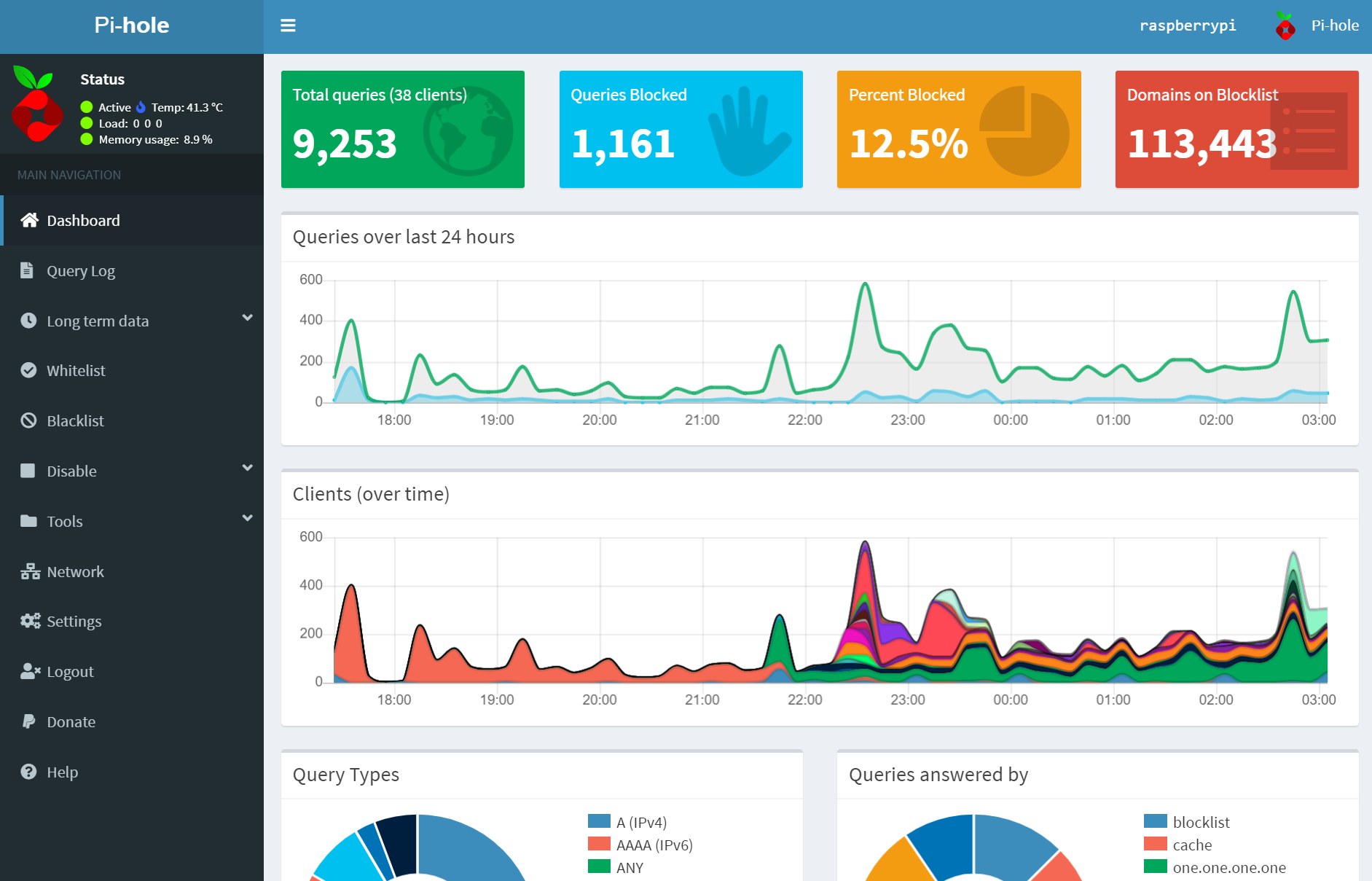
Amidst these evolving challenges and the potential weakening of browser-based ad blockers, a powerful, open-source solution has gained significant traction: Pi-Hole. Leveraging the affordability and versatility of the Raspberry Pi single-board computer, Pi-Hole offers a network-wide ad and tracker blocking system that operates at the DNS level, providing a comprehensive "weight loss program" for the entire home network.
How Pi-Hole Works:
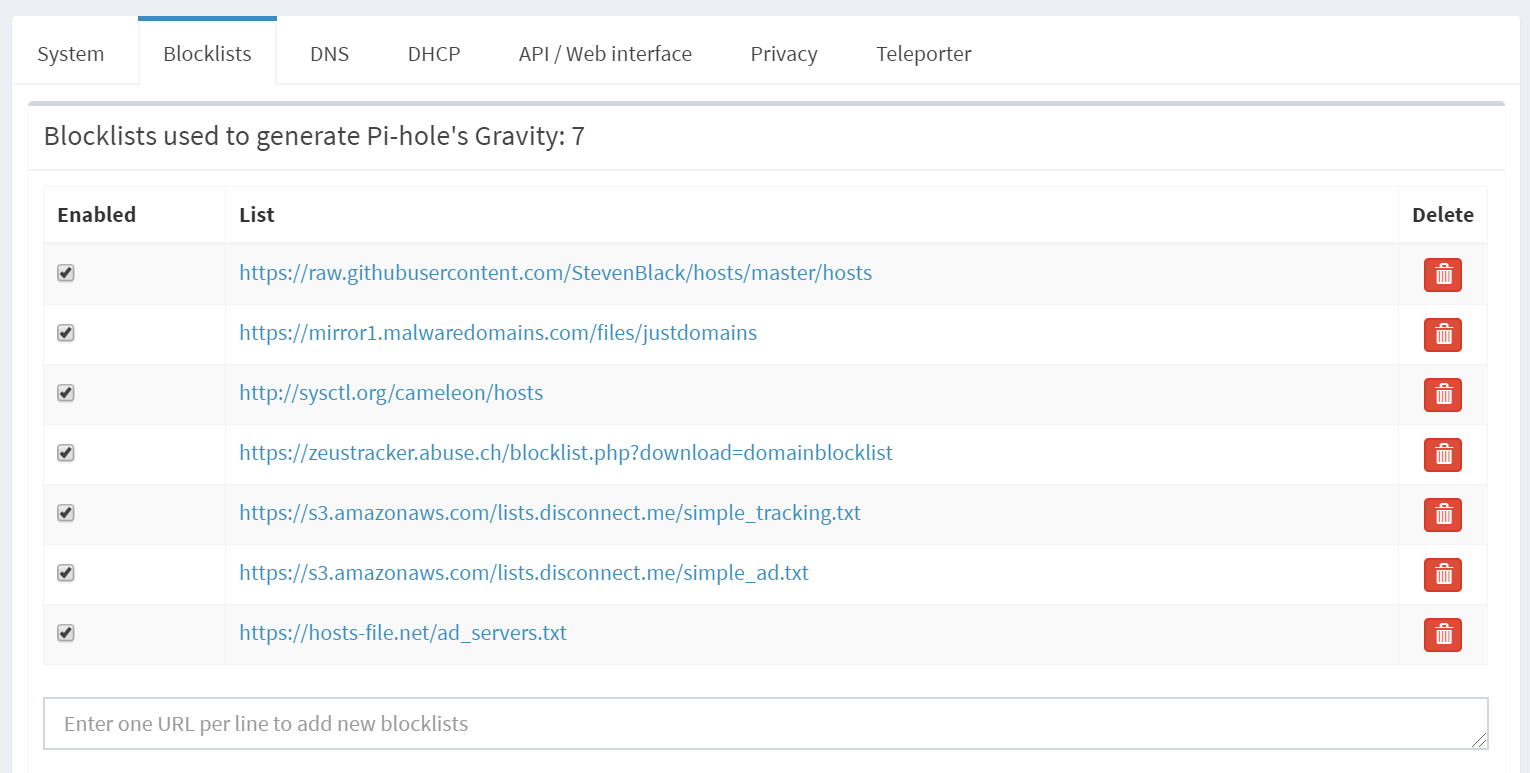
Pi-Hole functions as a DNS sinkhole. When any device on a network configured to use Pi-Hole requests to resolve a domain name (e.g., googleads.g.doubleclick.net), Pi-Hole intercepts this request. It then checks the requested domain against an extensive list of known ad and tracking domains. If a match is found, instead of returning the legitimate IP address of the ad server, Pi-Hole responds with a non-routable address (typically 0.0.0.0 or a local loopback address). This effectively prevents the device from ever connecting to the ad server, blocking the advertisement or tracker before it even begins to load.
Key Advantages of Pi-Hole:
- Network-Wide Protection: Unlike browser extensions that only protect the browser they are installed in, Pi-Hole protects every device connected to the home network. This includes smartphones, tablets, smart TVs, IoT devices, gaming consoles, and any other internet-connected gadget, regardless of its operating system or browser.
- Enhanced Performance: By blocking ad and tracking requests at the DNS level, Pi-Hole significantly reduces the amount of unnecessary data downloaded by devices. This translates to faster page load times, reduced bandwidth consumption, and a snappier overall internet experience for all users on the network.
- Improved Privacy: Preventing connections to ad and tracking servers drastically reduces the amount of personal data collected by third parties. This enhances user privacy by limiting the creation of detailed online profiles.
- Security Benefits: Pi-Hole can also block known malware and phishing domains, adding an extra layer of security to the home network.
- Simplicity (Post-Setup): Once configured, Pi-Hole operates silently in the background, requiring minimal ongoing maintenance. Users can often "set it and forget it," enjoying an ad-free experience without constantly managing browser extensions.
- Open-Source and Community-Driven: Being open-source, Pi-Hole benefits from a transparent development process and a vibrant community that contributes to its blacklists, features, and support forums.
- Caching DNS Server: In addition to blocking, Pi-Hole acts as a caching DNS server. This means that once a legitimate domain name is resolved, its IP address is stored locally. Subsequent requests for the same domain are serviced much faster from the local cache, further improving browsing speed.
Implementation and Requirements:
Setting up Pi-Hole typically involves a Raspberry Pi (any model with a wired Ethernet port is suitable, though models like the Raspberry Pi 3B+ or 4 offer better performance with native gigabit Ethernet). The process involves:
- Installing Pi-Hole software on the Raspberry Pi.
- Assigning a static IP address to the Raspberry Pi on the local network.
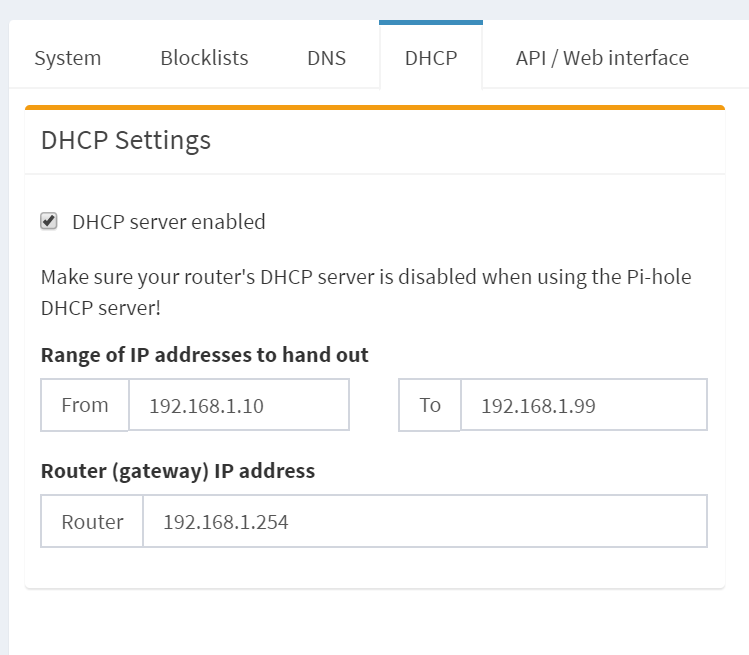
- Configuring the home router to use the Pi-Hole as the primary DNS server. This is often achieved by disabling the router’s internal DHCP server and enabling Pi-Hole’s DHCP server, allowing it to distribute its own IP address as the DNS server to all connected devices. Alternatively, some routers allow manually setting custom DNS servers.
The initial setup can take approximately an hour for those with basic technical proficiency. The project offers an intuitive web-based graphical user interface (GUI) for monitoring statistics, managing blacklists and whitelists, and configuring settings.
Considerations and Limitations:
While highly effective, Pi-Hole is not without considerations. It requires a dedicated, always-on device like a Raspberry Pi. While straightforward for tech-savvy individuals, the initial setup might present a learning curve for novice users. Furthermore, Pi-Hole primarily blocks ads that rely on DNS lookups. It may not block all ads, particularly those embedded directly within content from the same domain (e.g., some YouTube ads) or ads delivered through non-standard mechanisms in certain apps. Users might occasionally need to whitelist specific domains if a legitimate website’s functionality is inadvertently blocked.

Broader Implications and the Future of the Web
The escalating "web obesity crisis" and the cat-and-mouse game between ad-tech and ad blockers highlight a fundamental tension in the internet’s economic model. As browser developers like Google move to restrict ad-blocking capabilities, decentralized, network-level solutions like Pi-Hole become increasingly vital for users seeking to maintain control over their online experience and privacy.
The future of the web may see a bifurcation: a heavily monetized, ad-laden experience for those who do not actively block ads, and a cleaner, faster, more private experience for those who deploy solutions like Pi-Hole or alternative browsers. This trend could prompt content creators to explore new, less intrusive revenue models, such as subscriptions, direct donations, or micropayments, to sustain their operations without relying on the increasingly problematic ad-tech ecosystem. The ongoing debate surrounding web performance, privacy, and ad blocking will continue to shape the digital landscape for years to come, with user-empowering tools like Pi-Hole playing a crucial role in advocating for a more streamlined and respectful internet.
About the Author