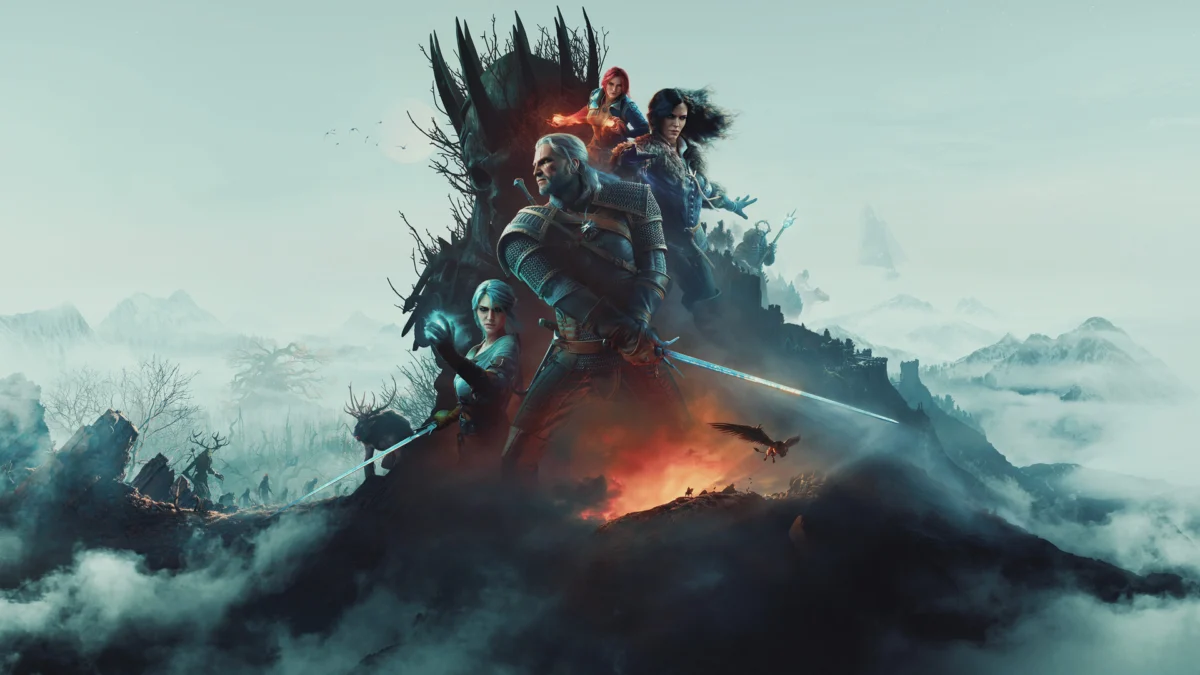
A significant new business partnership has been officially announced between two titans of the gaming industry, CD Projekt Red and Blizzard Entertainment, signaling a strategic alliance that begins with the highly anticipated launch of The Witcher 3: Wild Hunt – Remastered on Blizzard’s proprietary Battle.net platform next month. This collaboration, unveiled yesterday through concurrent statements from both companies, marks a notable convergence of distinct gaming philosophies and expansive player bases, promising a fresh landscape for fans of both studios. The remastered rendition of the critically acclaimed role-playing game is set to debut on Battle.net on September 29, 2024, and will be followed by its ambitious new expansion, Songs of the Past, slated for release in the subsequent year.
The Genesis of a Strategic Alliance: Unpacking the Initial Offerings
The immediate fruits of this partnership are centered around CD Projekt Red’s seminal work, The Witcher 3: Wild Hunt. Originally released in 2015, The Witcher 3 garnered widespread critical acclaim, securing numerous Game of the Year awards and cementing its place as one of the most influential RPGs of all time. Its arrival on Battle.net in a remastered format is not merely a port but an enhanced experience designed to leverage modern hardware capabilities, offering improved graphics, performance, and potentially new quality-of-life features. This move extends the game’s reach to Blizzard’s vast PC player ecosystem, which has historically been exclusive to Blizzard’s own franchises.
Accompanying the remastered base game will be Songs of the Past, an upcoming expansion that promises to delve deeper into the rich lore and complex character narratives that define The Witcher universe. While details regarding Songs of the Past remain scarce, its confirmation as part of the initial Battle.net rollout underscores CD Projekt Red’s commitment to further developing and expanding its most cherished intellectual property, even as it ventures into new distribution channels. This expansion signifies that the partnership is not just about re-releasing existing content but also about bringing fresh, new experiences to a broader audience.
On the reciprocal side of this collaboration, Blizzard Entertainment is set to integrate elements of The Witcher into its own flagship title, Diablo IV. Players who purchase The Witcher 3: Wild Hunt – Remastered expansion via Blizzard’s store will be rewarded with an exclusive themed cosmetic skin inspired by Geralt of Rivia, the iconic protagonist of The Witcher series. This cross-promotional initiative is a clear indicator of the symbiotic nature of the partnership, leveraging the distinct appeal of each franchise to enhance the value proposition for their respective communities. Such in-game cosmetic incentives have proven highly effective in driving engagement and sales across the gaming industry, fostering a sense of interconnectedness between seemingly disparate gaming worlds.
CD Projekt Red’s Evolving Trajectory: A Return to Roots Amidst New Horizons
This strategic partnership arrives at a pivotal moment for CD Projekt Red. For several years, the Polish developer had largely shifted its primary focus towards Cyberpunk 2077, its ambitious dystopian RPG. Cyberpunk 2077, launched in December 2020, experienced a tumultuous debut marred by technical issues and performance shortcomings, particularly on last-generation consoles. However, through persistent post-launch support, numerous patches, and the critically acclaimed Phantom Liberty expansion, the game has undergone a significant redemption arc. This dedication ultimately paid off, with Cyberpunk 2077 having sold an impressive 40 million copies worldwide since its release, a testament to the company’s resilience and commitment to its titles.
Despite this commercial milestone, CD Projekt Red has recently navigated internal restructuring. Earlier this month, the company laid off nine developers who were actively working on Project Sirius, a multiplayer spin-off set in The Witcher universe. While another nine developers from the same project were invited to apply for roles on different internal projects, these layoffs highlight the ongoing strategic recalibrations within the studio as it streamlines its ambitious development roadmap. The decision to bring The Witcher 3 back into the limelight, coupled with the new Songs of the Past expansion, suggests a renewed emphasis on its established, highly successful fantasy franchise, potentially consolidating resources and focusing efforts on proven assets while exploring new avenues for distribution and engagement. This partnership could be seen as part of a broader strategy to diversify revenue streams and expand market penetration for its core IPs.
CD Projekt Red’s long-term strategy, as previously outlined, includes multiple ambitious projects across its key franchises: Project Polaris (the next main Witcher saga), Project Orion (the Cyberpunk 2077 sequel), and Project Hadar (a completely new IP). The recent shifts, including the Project Sirius layoffs and this new Blizzard partnership, indicate a dynamic approach to resource allocation and market strategy, aiming to maximize the potential of its beloved franchises while carefully managing development risks.
Blizzard Entertainment’s Platform Strategy and Corporate Context
For Blizzard Entertainment, this partnership represents a significant expansion of its Battle.net platform. Historically, Battle.net has served as the exclusive digital storefront and launcher for Blizzard’s own critically acclaimed franchises, including Warcraft, StarCraft, Diablo, and Overwatch. By welcoming a third-party title of The Witcher 3‘s caliber, Blizzard is signaling a potential evolution of Battle.net into a more open, competitive digital distribution platform, challenging the dominance of platforms like Steam and Epic Games Store. This move could attract a new segment of PC gamers to Battle.net, increasing its user base and potentially driving engagement with Blizzard’s own ecosystem.
Blizzard itself has undergone substantial corporate changes in recent years. The company, alongside its parent Activision Blizzard, was recently acquired by Microsoft in a monumental deal valued at nearly $69 billion. This acquisition has placed Blizzard under the Xbox Game Studios umbrella, opening new avenues for strategic partnerships and cross-platform initiatives. Prior to the acquisition, Blizzard also faced considerable internal challenges, including workplace controversies and shifts in leadership. The launch of Diablo IV in 2023, while commercially successful, also navigated post-launch feedback regarding seasonal content and monetization strategies. Embracing a highly acclaimed third-party title like The Witcher 3 could bolster Battle.net’s reputation as a premium gaming destination and demonstrate a forward-looking strategy under its new ownership.
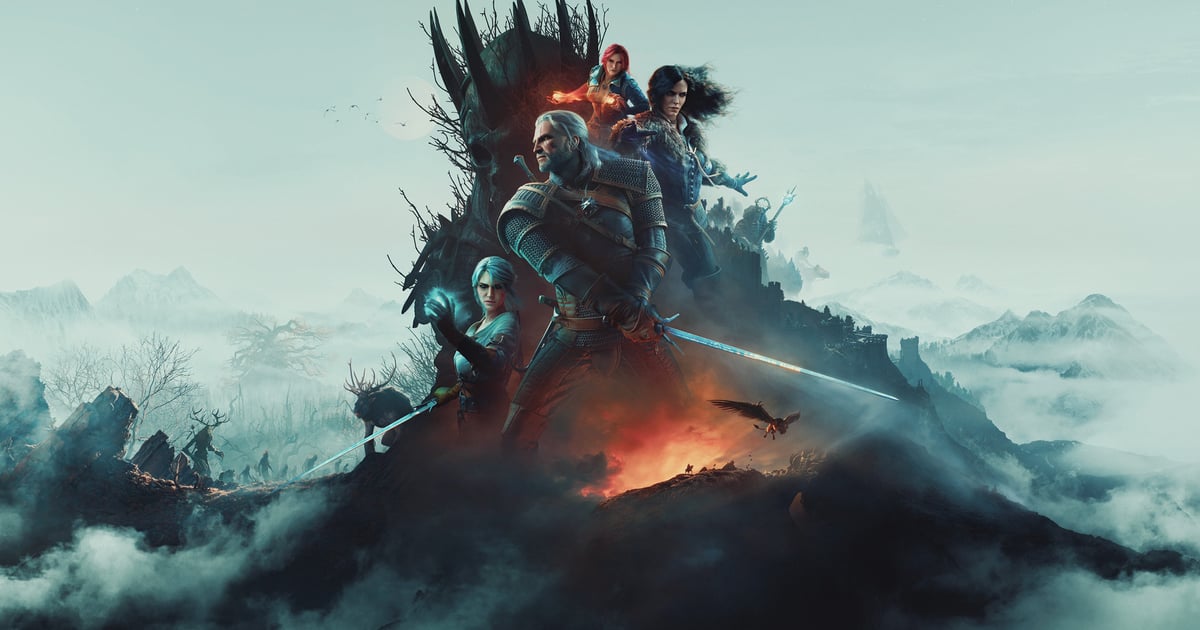
The decision to feature a Diablo IV cosmetic skin for Geralt of Rivia is a clever cross-promotional tactic. Diablo IV, a dark fantasy action RPG, shares thematic similarities with The Witcher 3‘s gritty, morally complex world, making the crossover feel natural and appealing to fans of both genres. This kind of integration fosters a sense of community between the two companies’ player bases, potentially encouraging players to explore titles they might not have considered before.
Industry Implications and Market Dynamics
This partnership holds significant implications for the broader video game industry, particularly in the realm of digital distribution and cross-publisher collaboration. In an increasingly competitive market, publishers are constantly seeking innovative ways to reach new audiences and differentiate their platforms.
-
Digital Storefront Competition: Battle.net’s expansion to include a major third-party title like The Witcher 3 could intensify competition among PC digital storefronts. While Steam remains the undisputed market leader, and Epic Games Store continues to challenge with aggressive exclusivity deals, Battle.net’s move could carve out a unique niche, leveraging its established user base and the brand recognition of Blizzard. This could lead to other platform holders considering similar strategies, blurring the lines between proprietary launchers and broader digital marketplaces.
-
Cross-Promotion and IP Synergy: The immediate cross-promotional efforts with Diablo IV set a precedent for future collaborations. The gaming community is abuzz with speculation about the potential for further crossovers, such as Warcraft-themed content in The Witcher universe or Cyberpunk 2077 elements appearing in Blizzard titles. Such synergies can create immense value for players, offering unique content and strengthening the appeal of both brands.
-
Publisher Collaboration Model: This alliance could inspire other major publishers to explore similar partnerships outside traditional console-specific or general PC platforms. In an era of consolidation and ecosystem building, such collaborations can expand market reach without the complexities of full mergers or acquisitions, offering a flexible model for growth. It signals a willingness from major players to work together to enhance player experience and market presence.
-
Player Experience: For players, this partnership offers greater accessibility to The Witcher 3: Wild Hunt – Remastered and its upcoming expansion. The convenience of having it available on a platform many Blizzard fans already use could lower barriers to entry, potentially introducing the beloved RPG to millions of new players. The exclusive Diablo IV cosmetic is a tangible benefit that rewards early adopters and fosters loyalty.
Looking Ahead: The Road to BlizzCon 2026
The official announcements from both CD Projekt Red and Blizzard Entertainment explicitly state that "Bringing these games to Battle.net is just the beginning of our partnership with Blizzard." This declaration fuels significant anticipation for what lies beyond the initial release of The Witcher 3 content.
Crucially, neither company has yet confirmed whether this partnership will extend to their highly anticipated future projects, specifically The Witcher IV (codenamed Project Polaris) and the sequel to Cyberpunk 2077 (codenamed Project Orion), both of which are currently deep in development. The potential for these tentpole titles to launch on Battle.net in the future represents a massive opportunity for Blizzard and a strategic distribution decision for CD Projekt Red.
The full scope and long-term vision of this newfound partnership are set to be unveiled at BlizzCon 2026. Announcing such a significant update nearly two years in advance underscores the strategic importance both companies place on this collaboration and suggests that the plans being formulated are substantial and far-reaching. BlizzCon, traditionally a celebration of Blizzard’s own franchises, will serve as a global stage for what could be a transformative reveal, potentially outlining a multi-year strategy that integrates CD Projekt Red’s future releases more deeply into the Battle.net ecosystem. This extended timeline allows both companies ample time to develop and refine their joint initiatives, building anticipation within the global gaming community.
In conclusion, the partnership between CD Projekt Red and Blizzard Entertainment represents more than just a simple game port. It is a strategic alignment between two prominent developers, each with a storied history and dedicated fan base, aimed at expanding their reach, diversifying their offerings, and potentially reshaping the landscape of digital game distribution. As The Witcher 3: Wild Hunt – Remastered prepares for its Battle.net debut, the gaming world watches with keen interest for the future revelations promised at BlizzCon 2026, anticipating a new era of collaboration and cross-franchise synergy.
About the Author