The independent game development platform itch.io has recently rolled out a suite of significant updates, enhancing its ecosystem for both creators and consumers. These improvements, detailed in a recent changelog, span critical areas including game discovery during sales, collaborative project management, game jam organization, and creator monetization, underscoring itch.io’s continuous commitment to fostering a robust and supportive environment for indie developers. Unlike traditional, large-scale announcements, these updates have been incrementally deployed and refined, reflecting itch.io’s agile development philosophy, often first appearing in their dedicated Developer Updates forum before being consolidated in a broader blog post. The cumulative impact of these changes aims to streamline workflows for developers and enrich the browsing and purchasing experience for players, solidifying itch.io’s unique position in the digital distribution landscape.
Revolutionizing Discovery: The Sale Explorer
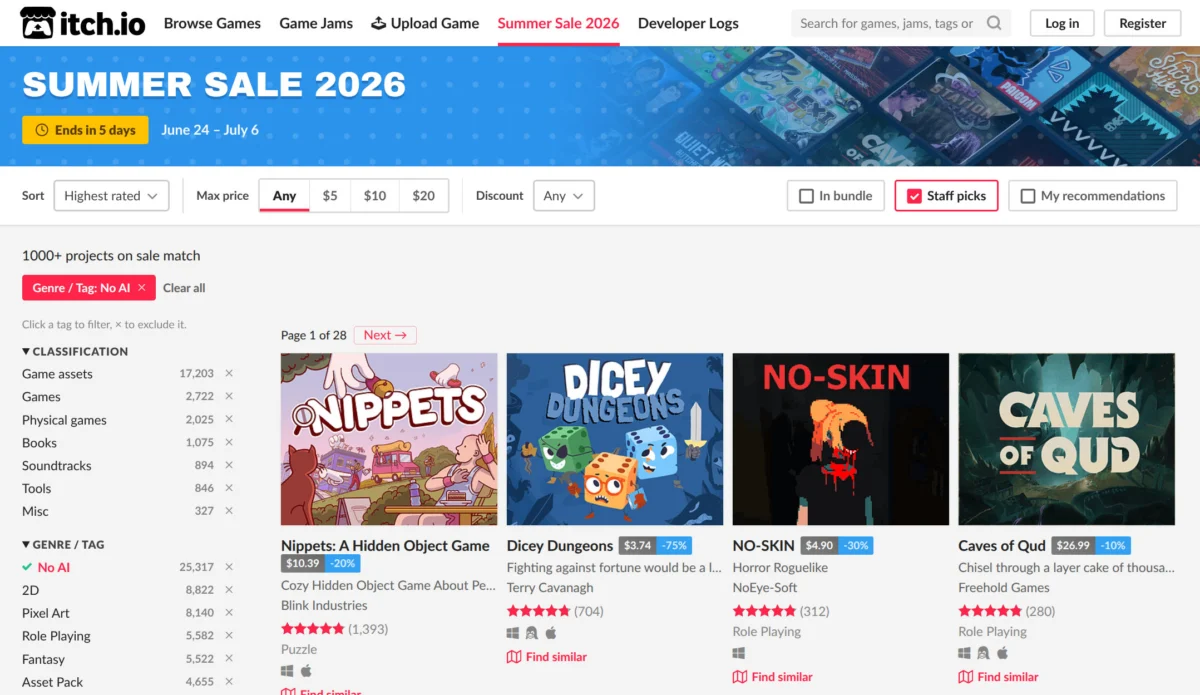
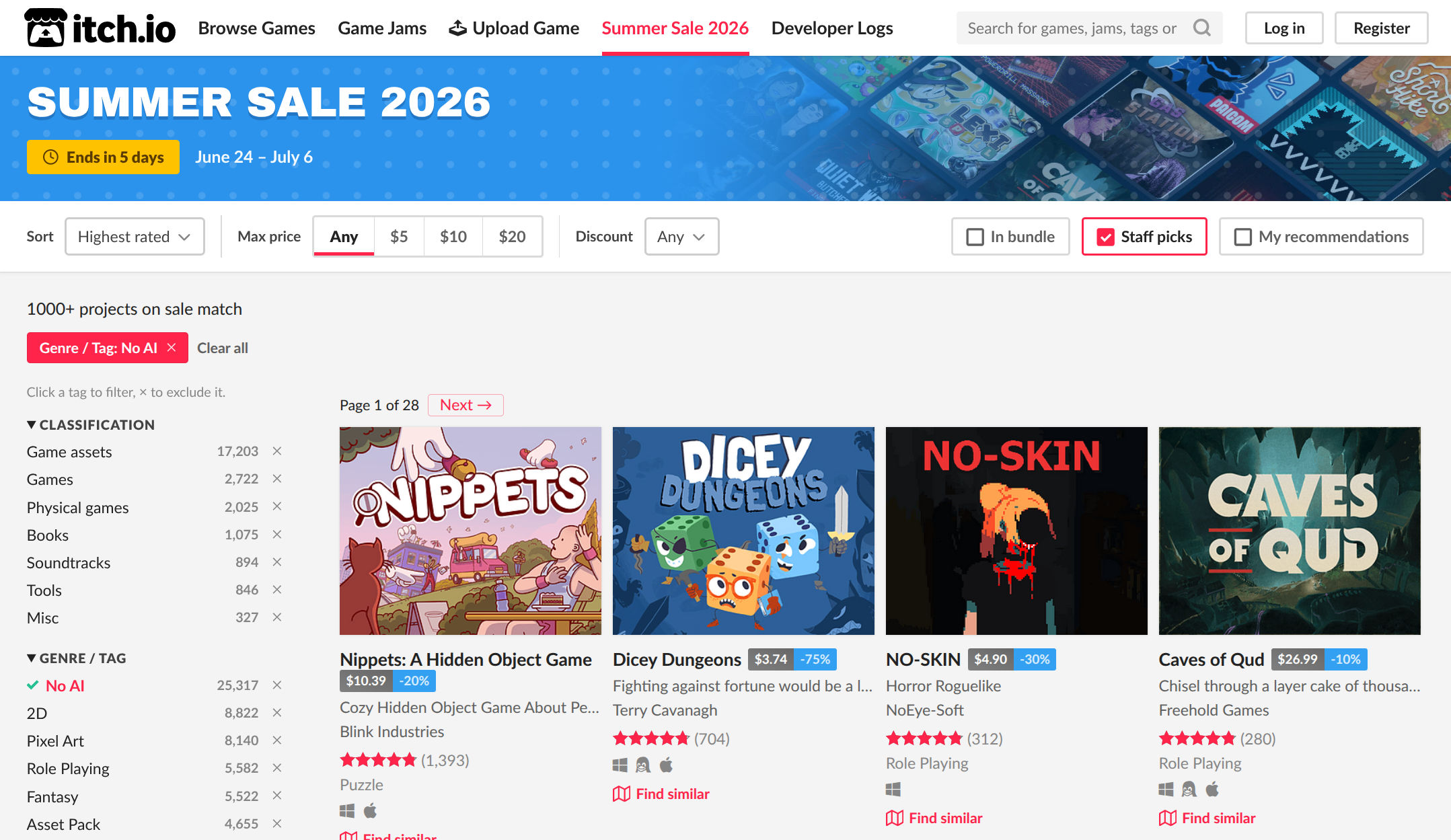
One of the most immediate and impactful additions is the Sale Explorer, a brand-new browsing interface designed to navigate the often-overwhelming landscape of large-scale promotional events. Launched in conjunction with the ongoing Summer Sale 2026, which features an impressive catalog of over 30,000 discounted projects running through July 6th, the Sale Explorer addresses a long-standing challenge in digital storefronts: discoverability amidst a deluge of content. Historically, browsing through thousands of discounted titles could be a daunting and time-consuming task for users, often leading to missed gems and reduced visibility for many developers.
The Sale Explorer is not merely a cosmetic refresh; it introduces powerful filtering and recommendation capabilities. While specific features were not exhaustively listed in the original announcement, community reactions highlight key functionalities such as the ability to "exclude genres" and receive "find similar" recommendations. These features are critical for personalization, allowing users to quickly narrow down vast selections based on their preferences, avoiding categories they dislike (such as, for some users, "AI-assisted" content, as noted in community feedback), and discovering new titles that align with their interests. This targeted approach significantly enhances the user experience, transforming what could be a chore into an engaging exploration.
For developers, the implications are equally significant. In a marketplace where hundreds of thousands of games are available, ensuring a project stands out, especially during high-traffic sales, is paramount. By providing advanced discovery tools, itch.io aims to distribute visibility more equitably, ensuring that quality games across various genres and styles have a better chance of being seen by interested players, rather than being buried under top sellers. This move aligns with itch.io’s core philosophy of empowering independent creators by giving them the tools to reach their audience directly and effectively. The platform has indicated that many of the enhancements introduced with the Sale Explorer are slated for integration into its standard browse pages in the future, promising a more refined and intuitive discovery experience across the entire site.
Streamlining Collaboration: The Bundle Hosting Revamp
The hosting system for bundles on itch.io has undergone a comprehensive overhaul, marking a significant upgrade to a feature that has been a cornerstone of the platform for over a decade. Bundles—collections of games and assets sold together, often at a substantial discount—are vital for various initiatives on itch.io, ranging from charity drives and community-led events to developer collaborations. These bundles frequently involve dozens, if not hundreds, of participating creators, each contributing their projects and often requiring complex revenue distribution models.
The previous bundle system, while functional, presented increasing challenges as the scale and complexity of collaborative projects grew. Organizing a large bundle could be an arduous administrative task, involving extensive coordination, manual tracking, and potential difficulties in managing participation and revenue splits efficiently. The revamp specifically targets these pain points, making it considerably easier for organizers to set up, manage, and execute large-scale collaborative bundles. While the announcement does not enumerate all specific new features, the emphasis on "a complete overhaul" for "large collaborative bundles" suggests improvements in areas such as:
- Streamlined Project Submission: Easier for developers to contribute their games.
- Enhanced Organizer Tools: Better dashboards for managing participants, setting contribution tiers, and tracking progress.
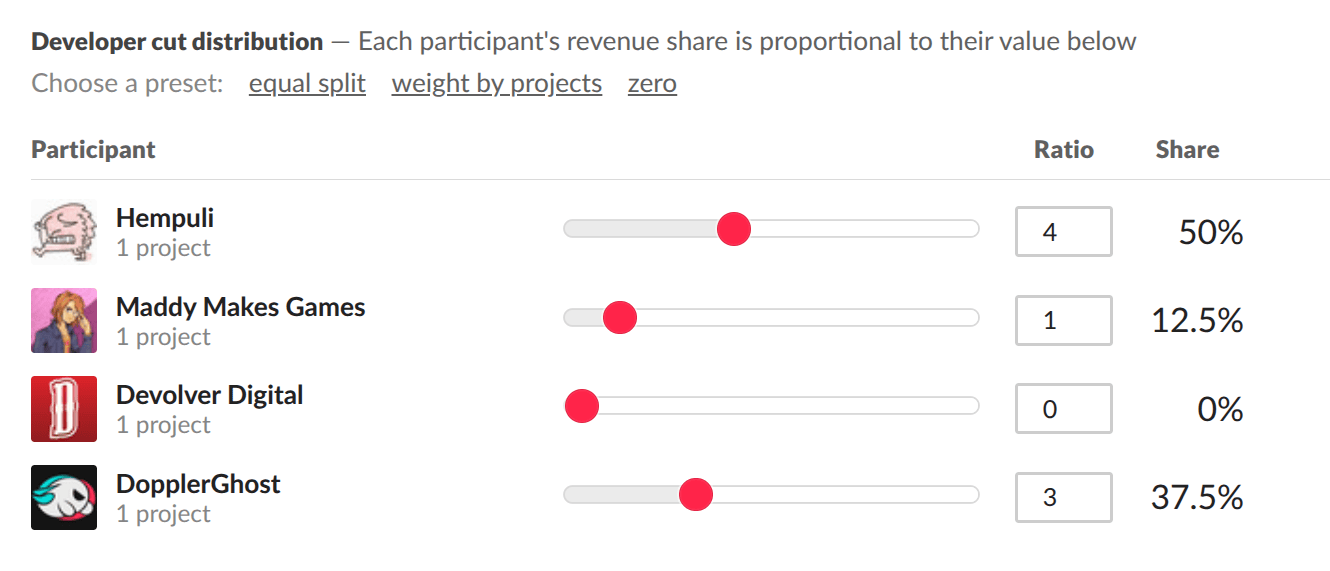
- Flexible Revenue Distribution: More robust options for splitting proceeds among developers, charities, and organizers.
- Improved Communication: Tools to facilitate interaction between organizers and participants.
This modernization is particularly timely given the growing popularity of digital bundles as a fundraising mechanism and a way to introduce diverse collections of indie titles to new audiences. High-profile bundles on itch.io have historically raised millions for various causes, demonstrating the power of collective action on the platform. The ability to manage these initiatives more effectively will likely encourage more ambitious and impactful collaborations, further cementing itch.io’s role as a platform for community-driven initiatives. Existing bundles that are still pending participation can benefit from these new features by resetting their participation, ensuring that even ongoing projects can leverage the improved infrastructure. A notable community request, as seen in the comments, is for the advanced revenue split features to be applicable per project outside of bundles, indicating a broader desire for more flexible creator-to-creator payment solutions. Leafo, a key developer at itch.io, acknowledged this, stating it’s "something I want to work on at some point," suggesting future evolutions in this area.
Empowering Event Organizers: The Jam Theme Editor Revamp
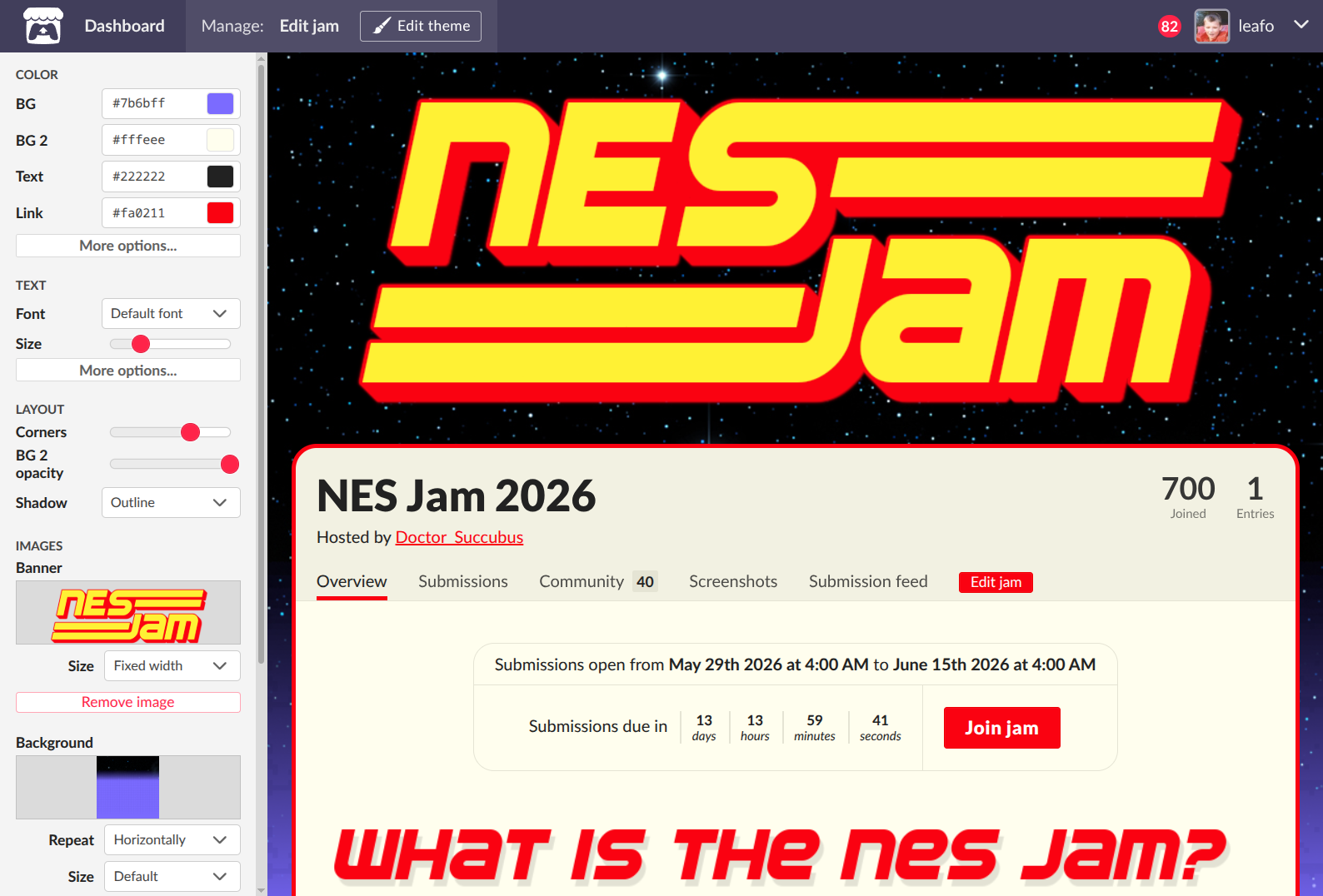
Game jams are a vibrant and integral part of the indie game development community, serving as incubators for creativity, skill-building, and networking. Thousands of game jams are hosted annually on itch.io, ranging from small, informal gatherings to major events attracting thousands of participants. The presentation and branding of a game jam page are crucial for attracting participants and conveying the event’s theme and spirit. Recognizing this, itch.io has modernized its jam theme editor, providing hosts with more powerful and intuitive customization options.
The revamp migrates the jam theme editor to the same robust UI framework used for other theme editors across the site. This standardization ensures a more consistent and user-friendly experience for organizers familiar with other parts of itch.io’s customization tools. Crucially, the update was implemented with careful consideration for backward compatibility, preserving existing custom CSS on jam pages. This thoughtful approach prevents disruption for organizers who have invested time in meticulously crafting unique designs for their recurring jams.
The modernized editor offers "a bunch of new customization options," likely including:
- Expanded Color Palettes and Typography Controls: Greater freedom to match the jam’s aesthetic.
- Layout and Section Management: More flexible arrangement of content blocks on the page.
- Responsive Design Tools: Ensuring jam pages look great across various devices.
- Simplified Custom CSS Integration: While preserving old CSS, new tools might make it easier to add and manage custom styles.
These enhancements empower jam hosts to create more visually appealing and informative event pages, which in turn can lead to higher participant engagement and a more professional presentation of their events. The ability to easily brand a jam page contributes to a stronger sense of community and identity for each event, enhancing the overall jam experience for both organizers and participants. The announcement post for this specific update also provides full details about markup changes for those deeply involved in writing custom CSS, ensuring a smooth transition for advanced users.
Strengthening Creator Support: Enhanced Patreon Integration
The relationship between creators and their patrons is a cornerstone of the modern creator economy, and itch.io has significantly enhanced its Patreon integration to better serve developers leveraging this model. Rebuilt on Patreon’s more robust V2 API, the updated integration addresses long-standing issues that previously hindered creators, particularly those with a global audience. The most critical improvement is the shift from pledge amount-based access grants to membership tier-based access.
Previously, granting access to projects based on a specific pledge amount could be problematic due to currency conversion rates. A patron pledging the equivalent of $5 in one currency might not meet the exact dollar threshold if their local currency fluctuated, leading to inconsistencies and administrative headaches for creators. By moving to tier-based grants, creators can now specify which Patreon tiers grant access to which itch.io projects, providing a much clearer, more reliable, and globally equitable system. This change simplifies management for developers and ensures patrons receive the access they expect, regardless of their local currency.
The new integration offers creators three primary ways to grant access:
- Grant access based on a specific Patreon tier: The most flexible and recommended method.
- Grant access based on any pledge above a certain amount: Retains an option similar to the old system for specific use cases, but improved.
- Grant access to all patrons: A simple option for broad access.
Furthermore, the rebuilt system is designed to handle complex scenarios that the old integration struggled with, such as patrons changing their pledge amounts or tiers, or issues arising from specific payment statuses. The stability and reliability of the V2 API mean fewer errors and a smoother experience for both creators and patrons. Importantly, itch.io maintains its policy that once a patron claims access to a project through Patreon, they retain that access indefinitely, even if their Patreon membership changes or lapses. Membership is checked at the initial grant time, ensuring a fair and consistent policy that values past support. This enhancement is a crucial step in strengthening the synergy between itch.io and Patreon, enabling developers to more effectively manage their recurring revenue streams and reward their most dedicated supporters. Community members have expressed significant appreciation for this update, recognizing its value in streamlining their monetization efforts.
A Holistic Approach to Platform Evolution
These four major updates, while distinct in their functionalities, collectively represent a cohesive strategy by itch.io to enhance the platform’s core services. The Sale Explorer improves user discovery, driving sales and visibility for developers. The Bundle Hosting revamp streamlines collaborative efforts, fostering community and enabling larger fundraising initiatives. The Jam Theme Editor modernization empowers event organizers, making game jams more attractive and manageable. Finally, the Enhanced Patreon Integration strengthens creator monetization pathways, providing crucial support for sustainable indie development.
Itch.io has consistently positioned itself as a creator-first platform, offering unparalleled flexibility, high revenue shares for developers (often allowing creators to set their own revenue split, starting at 10% for itch.io), and a strong emphasis on community. These updates are a testament to that philosophy, demonstrating an ongoing commitment to investing in tools and features that directly benefit its diverse user base. The platform’s iterative development process, often incorporating direct feedback from its community forums, ensures that new features are not only technologically sound but also genuinely address the needs of developers and players.
The broader implications of these updates extend to the health and vitality of the indie game ecosystem. By providing more robust tools for sales, collaboration, event management, and monetization, itch.io helps lower the barriers to entry for aspiring developers, provides better support for established creators, and enriches the experience for players seeking unique and independent games. As the digital landscape continues to evolve, itch.io’s proactive approach to platform development ensures it remains a crucial and competitive player, distinct in its dedication to the independent spirit of game creation. The ongoing dialogue between itch.io’s development team and its community, as evidenced by responses to feedback in the comments section, further highlights this collaborative spirit, promising continued evolution and refinement based on real-world user needs. As always, itch.io encourages users to provide feedback and report issues through its community forums and support channels, reinforcing its commitment to a user-centric development path.
About the Author