The recent conclusion of Ludum Dare 56 on October 7th, 2024, marked another significant milestone in the global game development calendar, challenging creators worldwide to craft compelling interactive experiences under the evocative theme of "Tiny Creatures." Within a tight window of either 48 or 72 hours, depending on participation category, developers leveraged their ingenuity to interpret the theme in myriad ways. The aftermath has seen an impressive proliferation of over 800 games tagged Ludum Dare 56 on itch.io alone, underscoring the event’s enduring appeal and the vibrant productivity of its participants. In recognition of this extraordinary output, itch.io, a leading platform for independent games, has released a second curated selection of recommendations, highlighting some of the most innovative and engaging titles to emerge from the jam.
The Enduring Legacy of Ludum Dare: A Catalyst for Indie Innovation
Ludum Dare, Latin for "to make a game," stands as one of the longest-running and most influential game jams in the world. Initiated in April 2002 by Geoff Howland, it has grown from a niche gathering of developers to a massive global phenomenon, attracting thousands of participants from diverse backgrounds and skill levels. The core premise remains simple yet profoundly effective: create a game from scratch within a highly compressed timeframe, adhering to a pre-announced theme. This intense pressure cooker environment is celebrated for fostering creativity, rapid prototyping, and community building.
The event typically runs in two primary formats: the "Compo" (Composition) and the "Jam." The Compo is the more stringent challenge, requiring solo developers to create all assets themselves within 48 hours. The Jam, on the other hand, allows teams and a more relaxed 72-hour timeline, often serving as an entry point for newcomers or those wishing to collaborate. Both formats culminate in a voting period where participants play and rate each other’s games, providing valuable feedback and fostering a supportive ecosystem.
Over its two-decade history, Ludum Dare has been instrumental in launching countless independent game development careers and has served as a proving ground for innovative mechanics and artistic styles. Many games that originated in Ludum Dare have gone on to become full commercial releases, demonstrating the potential for these rapid prototypes to evolve into polished products. The event’s impact extends beyond individual games; it consistently pushes the boundaries of what can be achieved in short development cycles, inspiring a culture of experimentation and resilience within the broader game development community.

Ludum Dare 56: Embracing the "Tiny Creatures" Challenge
Ludum Dare 56 officially commenced on October 4th, 2024, and concluded with the submission deadline on October 7th. The theme, "Tiny Creatures," was announced at the outset, providing a broad canvas for interpretation. This theme proved particularly fertile, eliciting a wide array of responses from developers. Some took it literally, featuring insects, microscopic organisms, or diminutive fantastical beasts. Others explored the concept more abstractly, focusing on small-scale actions, miniature worlds, or the power dynamics between the small and the large.
The sheer volume of submissions—over 800 games uploaded to itch.io alone, with many more across other platforms—is a testament to the theme’s versatility and the dedication of the participants. This high engagement reflects the continued vitality of the indie game scene and the appeal of Ludum Dare as a platform for expression and skill development. For many, Ludum Dare is not just a competition but a personal challenge, an opportunity to learn new tools, test new ideas, or simply complete a game within a finite period. The collaborative spirit, particularly within the Jam category, also highlights the strong sense of community that underpins these events.

Itch.io’s Curated Showcase: A Second Wave of Recommendations
As a premier platform for independent game developers, itch.io plays a crucial role in hosting and promoting Ludum Dare submissions. Its robust tagging system allows for easy discovery of jam games, and its editorial team frequently highlights standout titles. Following an initial wave of recommendations, itch.io’s commitment to showcasing the breadth of talent from Ludum Dare 56 led to this second compilation, diving deeper into the vast pool of "Tiny Creatures" interpretations. These selections collectively offer a snapshot of the creative diversity and technical prowess present within the community.
Featured Games Analysis:
Each game selected by itch.io for this spotlight offers a unique perspective on the "Tiny Creatures" theme, demonstrating the innovative thinking that thrives under time constraints.
-
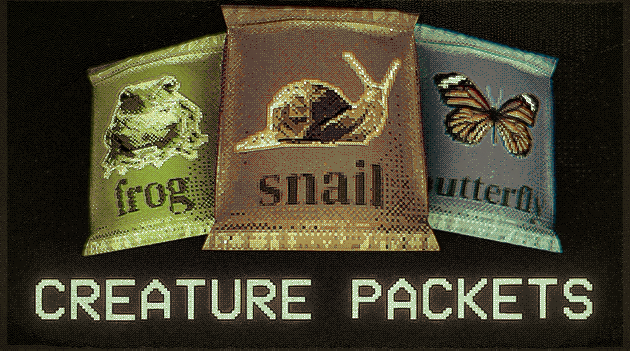
Creature Packets by Kenforest: This PS1-styled game ventures into the bizarre with its premise of cooking tiny creatures. Players engage in a peculiar culinary process, using a microwave to animate creatures from packets and a blender to discover new ingredients for further experimentation. The low-poly aesthetic evokes a nostalgic charm while the gameplay offers a darkly humorous twist on the theme. The game’s availability for Windows suggests a focus on desktop users, offering a distinct visual and interactive experience that stands out. The inferred challenge for the developer would be balancing the unsettling premise with engaging gameplay loops within the jam’s strict timeframe.
-
Build The Sun by Punkcake: A "god game" at its core, Build The Sun tasks players with nurturing a miniature world from an initial flame to a celestial body. It combines elements of exploration, settlement, and expansion, as players gather resources to upgrade their "fire" into a powerful sun. The pixel-art aesthetic is both charming and functional, allowing for clear visual progression in the tiny world. Available across Windows, macOS, and Linux, it aims for broad accessibility, suggesting the developer prioritized reaching a wide audience. This game exemplifies the abstract interpretation of "tiny" – starting small and growing exponentially.
-
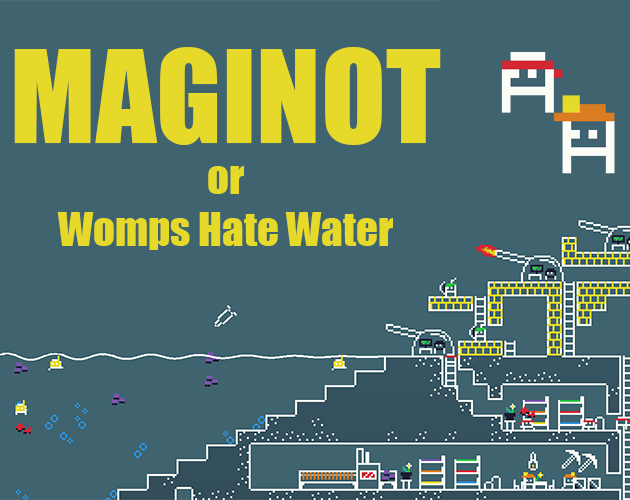
Maginot by Vfqd: This incremental colony builder delves into themes of perseverance and environmental mastery. Players are tasked with digging deep for minerals, constructing a thriving colony, and attracting new inhabitants called "Womps," all while battling the encroaching sea. The "tiny creatures" aspect here could refer to the Womps themselves or the incremental nature of the colony’s growth. Its browser-based accessibility makes it instantly playable for a global audience, eliminating platform barriers. The challenge lies in creating a compelling "idle" or incremental loop that remains engaging over time.
-
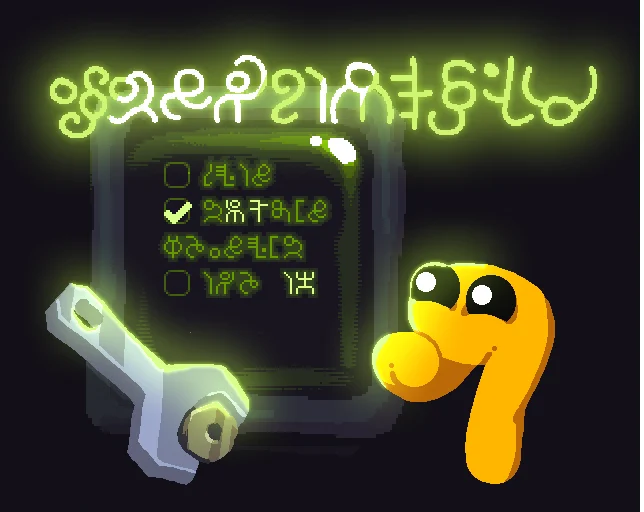
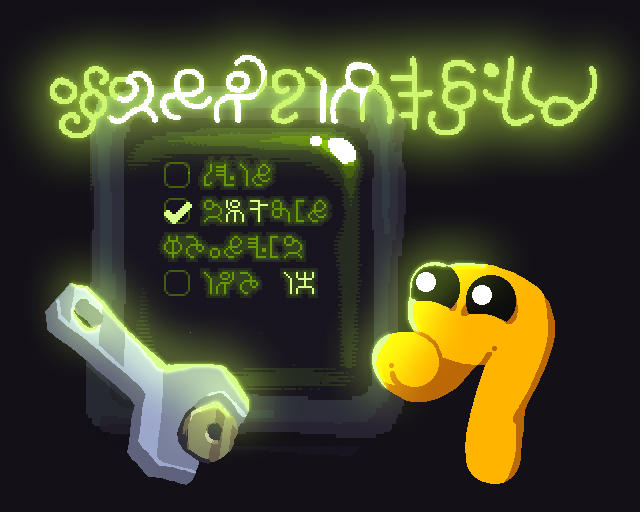
Headquarters by Yogurtthehorse: A mysterious point-and-click simulation game, Headquarters challenges players to decipher an alien alphabet. The minimalistic description hints at a puzzle-driven experience where observation and logical deduction are key. The "tiny creatures" theme could be interpreted through the intricate nature of the symbols or the microscopic details players must observe. Its availability across multiple platforms (browser, Windows, Linux, macOS) ensures maximum reach, highlighting the developer’s ambition for widespread playtesting and feedback. The game’s strength likely lies in its unique premise and intellectual challenge.
-
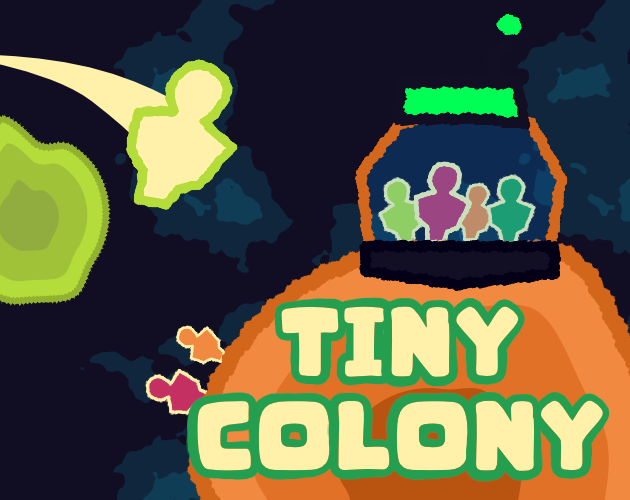
Tiny Colony by Mreliptik: This game directly embraces the "tiny" aspect by having players colonize planets using an interplanetary slingshot system. Players must master gravity mechanics to launch their small creatures across the void of space, avoiding obstacles and the infinite emptiness. The blend of physics-based gameplay with a colonization objective offers a dynamic challenge. Its availability on browser, Windows, Linux, and Android further broadens its appeal, making it accessible on both desktop and mobile devices. This demonstrates a strategic choice to reach players across various gaming habits.
-
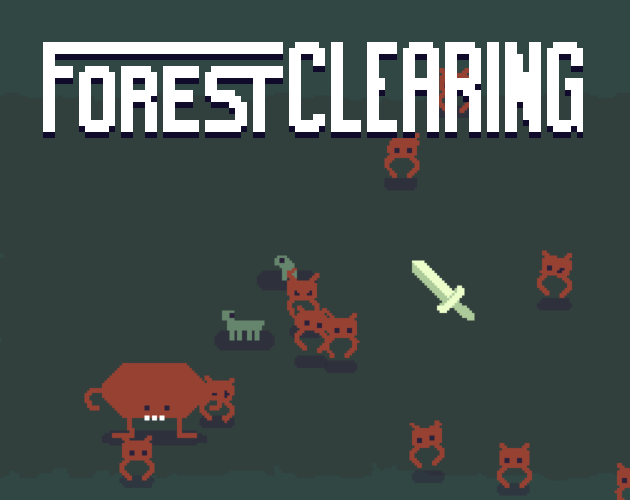
FOREST CLEARING by Jefvel: A game with a morally ambiguous twist, FOREST CLEARING puts players in a position of power over their "small friends." They can choose to protect them with a sword or harvest them for meat, which can then be used to purchase upgrades after inevitable deaths. This dark survival-management loop offers a unique take on the "tiny creatures" theme, where the creatures are both assets and potential sacrifices. Its browser and Windows compatibility ensures ease of access. The developer likely grappled with balancing the upgrade system and the ethical choices presented to the player within the jam constraints.
-
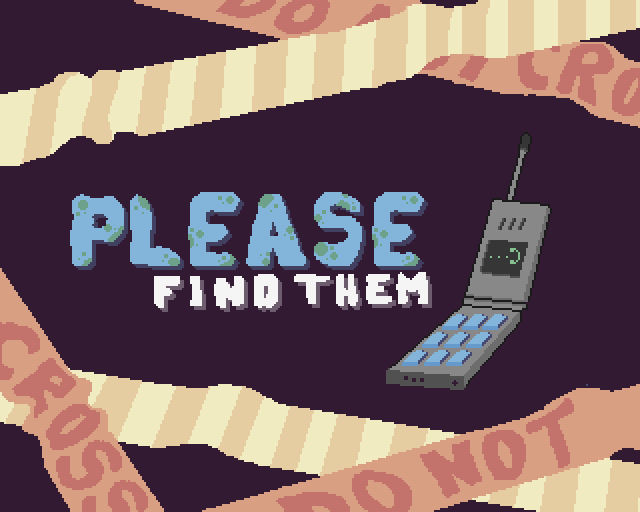
Please Find Them by Adamlenglen: A classic hidden object game with a narrative twist, Please Find Them casts players as an exterminator tasked with locating miniaturized creatures within various houses. This game directly interprets "tiny creatures" as objects to be discovered within larger environments. The hidden object genre is a natural fit for the theme, emphasizing meticulous observation. Its browser-based availability makes it a quick and accessible experience for casual players. The challenge for the developer would be designing intricate and engaging scenes that offer sufficient replayability.
-
Fear of the Ungnome by Scottts: This first-person exploration and puzzle game sends players on a quest to find a Great Aunt’s elusive gnome, featuring procedurally generated elements. The "ungnome" concept humorously plays on the "tiny creature" theme, focusing on the absence or hidden nature of such a being. Procedural generation adds a layer of replayability and unpredictability, which is a significant technical feat for a game jam. Available on browser and Windows, it offers an immersive experience, leveraging environmental puzzles and exploration.
-
Mini Beasts by Cassowary: A straightforward yet engaging puzzle game, Mini Beasts challenges players to rearrange critters to match their colors. This title perfectly embodies the "tiny creatures" theme through its adorable, small protagonists and its focus on logical arrangement. Puzzle games are a popular choice for game jams due as they can be conceptually strong with relatively simple mechanics. Its browser-based platform ensures universal accessibility, making it an ideal pick-up-and-play experience. The developer’s focus would have been on designing satisfying puzzle mechanics and a clear visual language.
-
Vox Regis by Sheepolution: This medieval strategy game offers a truly innovative mechanic: players, acting as the king, must use their voice to create chaos and manipulate factions, keeping rebellious groups small. The "tiny creatures" theme is interpreted through the manipulation of small, localized rebellions to maintain overall control. The voice-controlled mechanic is a bold choice for a game jam, pushing the boundaries of input methods. Available on browser, Windows, macOS, and Linux, it demonstrates a commitment to broad platform support for its unique gameplay. The technical hurdle of implementing reliable voice recognition within the jam’s timeframe would have been substantial.
Beyond the Jam: Impact and Future Prospects
The games showcased by itch.io from Ludum Dare 56 are more than just ephemeral jam entries; they represent the raw potential and innovative spirit of the independent game development community. Events like Ludum Dare are crucial for several reasons:
- Skill Development: They serve as intensive training grounds, allowing developers to rapidly prototype ideas, learn new tools, and hone their skills under pressure.
- Innovation Hotbed: The constrained environment often forces developers to think outside the box, leading to novel mechanics, unique artistic styles, and unexpected interpretations of themes.
- Community Building: The collaborative and competitive aspects foster strong bonds within the developer community, encouraging peer feedback, mentorship, and future collaborations.
- Discovery Platform: Platforms like itch.io amplify these creations, providing visibility to games that might otherwise go unnoticed, and connecting developers with players and potential publishers.
- Commercial Potential: While many jam games remain prototypes, a significant number evolve into full-fledged commercial titles, demonstrating the value of these initial rapid iterations. The "Tiny Creatures" theme, in particular, has shown a remarkable capacity to inspire diverse genres, from quirky cooking sims to complex strategy games, hinting at the potential for these concepts to be expanded.
The success of Ludum Dare 56, evidenced by the sheer volume and quality of submissions, reaffirms its position as a cornerstone event in the indie game development world. The diverse interpretations of "Tiny Creatures" highlight the boundless creativity of developers when presented with a focused challenge. As the voting period continues and the community delves deeper into these creations, the implications of this jam will undoubtedly reverberate through the independent gaming landscape, potentially sparking new trends, inspiring future projects, and bringing fresh voices to the forefront of interactive entertainment. The constant influx of new ideas from events like Ludum Dare ensures a dynamic and ever-evolving future for video games.
About the Author