Jeff Atwood, the influential voice behind the "Coding Horror" blog and co-founder of Stack Overflow, recently unveiled his latest personal computer build, drawing significant attention to the burgeoning trend of small form factor (SFF) PCs. His upgrade, a meticulous process spanning several years since his last major overhaul in 2015 and retaining a PC case from 2011, underscores a broader industry shift: as traditional PC upgrades become increasingly incremental, innovation is now gravitating towards miniaturization and efficient power delivery within constrained physical dimensions. Atwood’s observations reflect a sentiment that the "PC is over" in its traditional, bulky tower form, giving way to powerful, compact systems that challenge conventional notions of desktop computing.

The Evolving Desktop Landscape: Beyond Raw Speed

For over a decade, the desktop PC market has witnessed a gradual evolution, moving away from an sole emphasis on raw processing speed towards a more holistic appreciation of efficiency, aesthetics, and footprint. Atwood’s 13-year journey documented through his PC build blog series highlights this transition. While raw performance gains remain a factor, especially for demanding tasks like gaming, video editing, or complex computations, the primary driver for innovation in the 2020s and beyond appears to be the ability to pack maximum power into minimum size. This trend is a direct response to shrinking living spaces, a desire for cleaner desk setups, and the increasing integration of PCs into home entertainment systems.
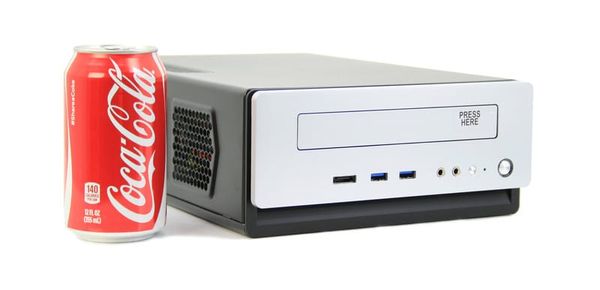
Industry data from firms like Gartner and IDC indicates a steady decline in traditional desktop PC sales over the past decade, as consumers shifted towards more portable laptops, tablets, and smartphones for everyday computing. However, a niche but growing market for high-performance SFF PCs has emerged, catering to enthusiasts who demand uncompromised power without the bulk. This segment represents a revitalization for the desktop, proving that while the general-purpose PC might be losing ground to mobile devices, specialized, high-performance desktops still hold significant appeal when designed thoughtfully.
The Allure of Compact Power: Key SFF Cases
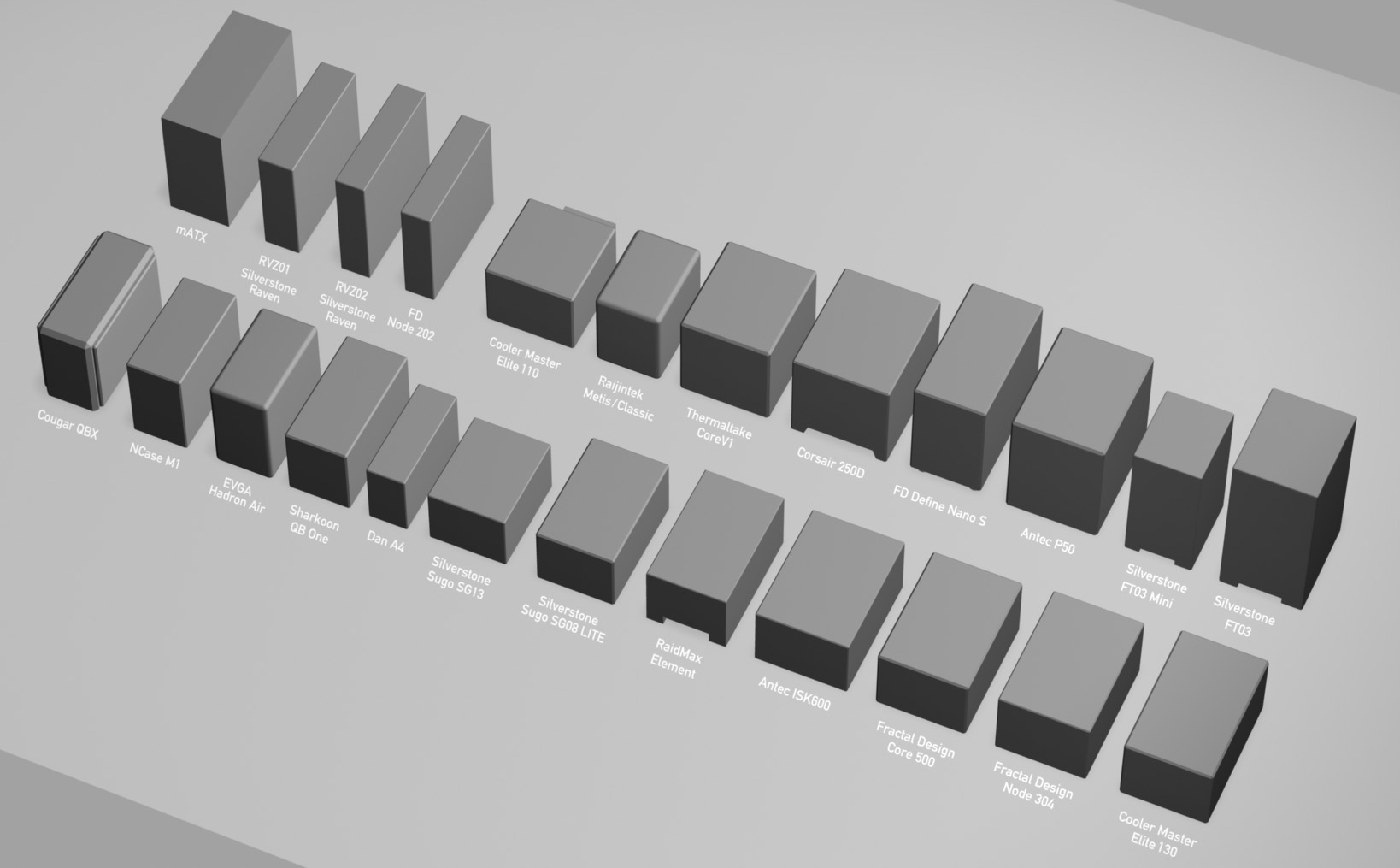
Atwood’s deep dive into SFF cases highlights several prominent contenders in this specialized market. His exploration centered on cases renowned for their ability to house high-end components within remarkably small volumes. These include:
- Dan A4 SFX: A benchmark in extreme miniaturization, measuring a mere 200mm × 115mm × 317mm, resulting in an ultra-compact 7.3 liters. Its design focuses on efficient component stacking, often requiring specialized cooling solutions.
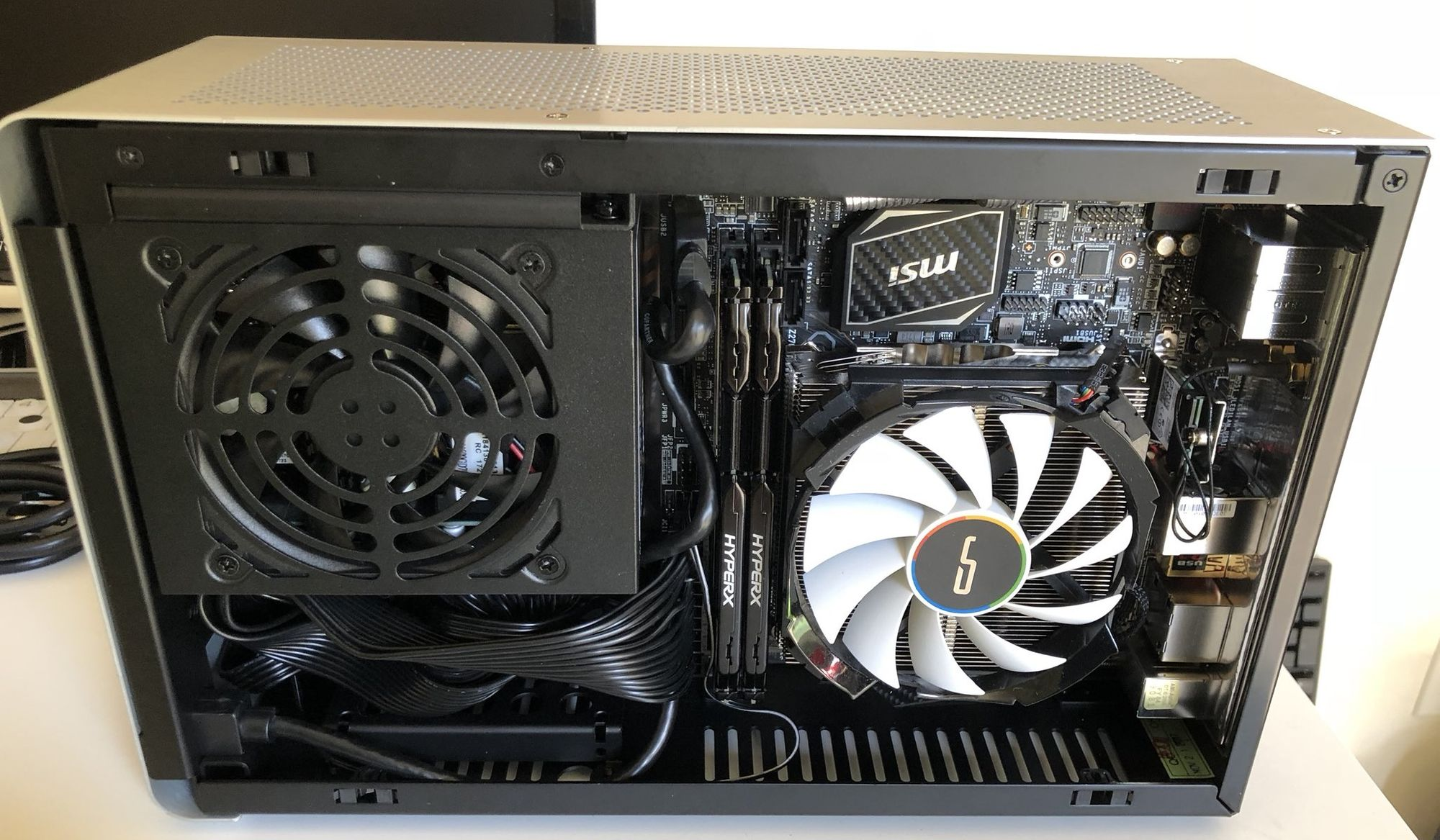
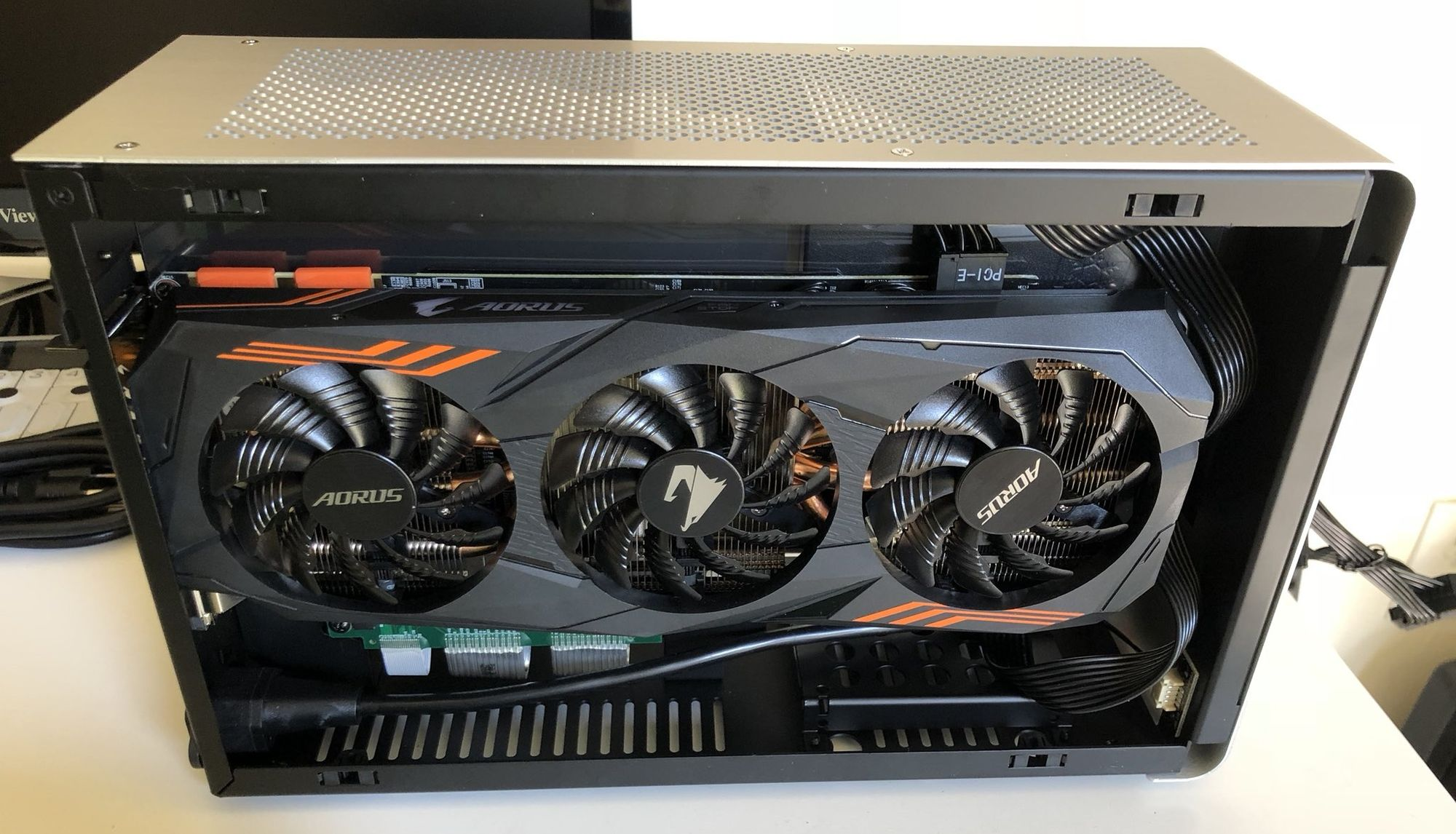
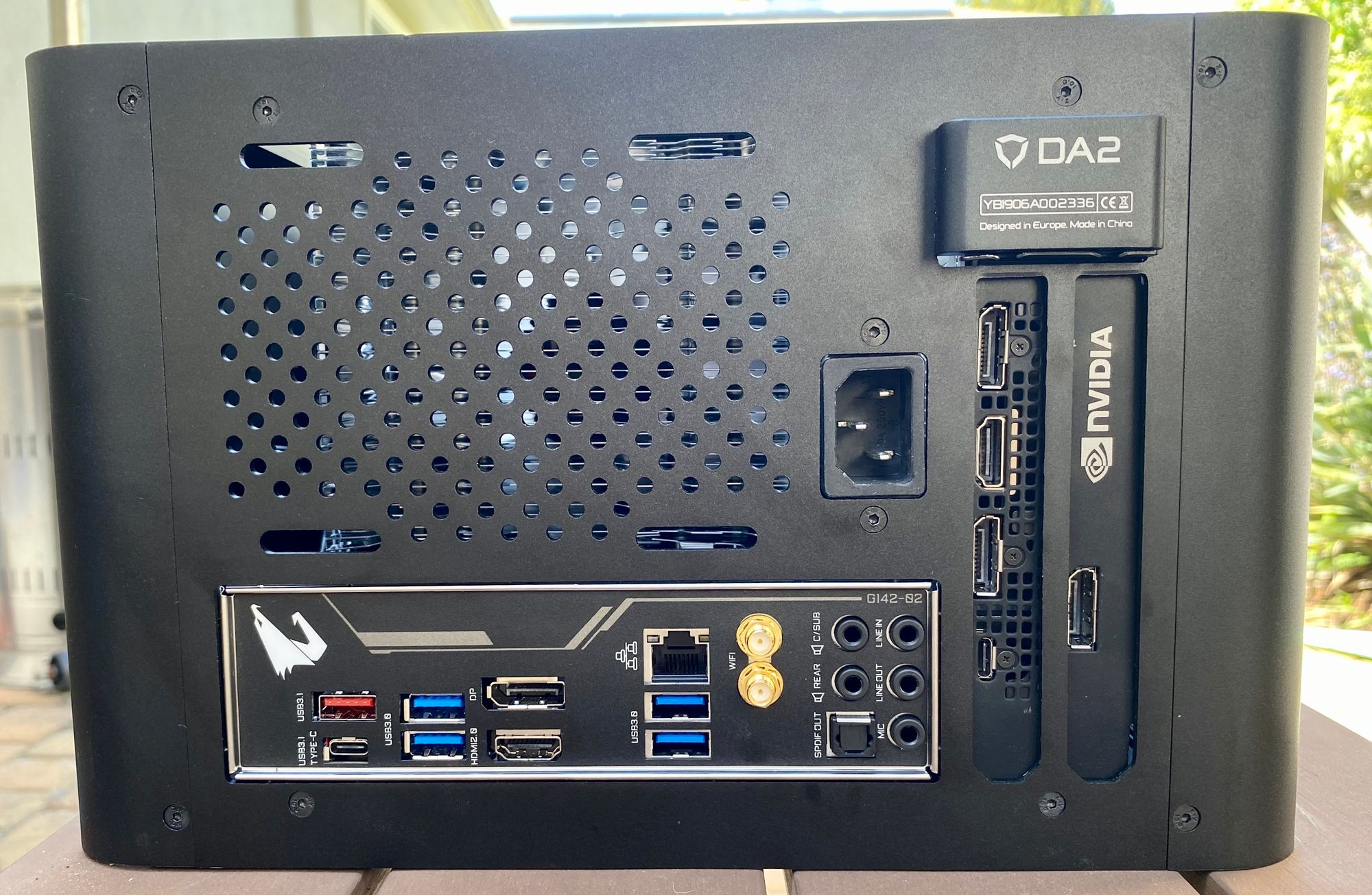
- Streacom DA2: Atwood’s personal choice, offering a slightly larger but still compact footprint at 180mm × 286mm × 340mm, totaling 17.5 liters. This case provides more internal flexibility, particularly for CPU cooling and additional fans.
- Silverstone RVZ02 / ML08: Known for their console-like form factor, these cases come in at 380mm × 87mm × 370mm, occupying 12.2 liters. They are popular for HTPC (Home Theater PC) builds due to their slim profiles.
- nCase M1: A long-standing favorite among SFF enthusiasts, with dimensions of 240mm × 160mm × 328mm, for a total of 12.6 liters. It strikes a balance between size and component compatibility.
To put these volumes into perspective, modern gaming consoles like the PlayStation 4 Pro occupy 5.3 liters, and the Xbox One S is 4.3 liters. Atwood notes that achieving significantly more than double the power of these consoles within only about 50% more volume (as seen with the 7.3-liter Dan A4 SFX) represents a remarkable engineering feat and an excellent value proposition for performance enthusiasts.
Atwood’s Chosen Build: The Streacom DA2 Advantage
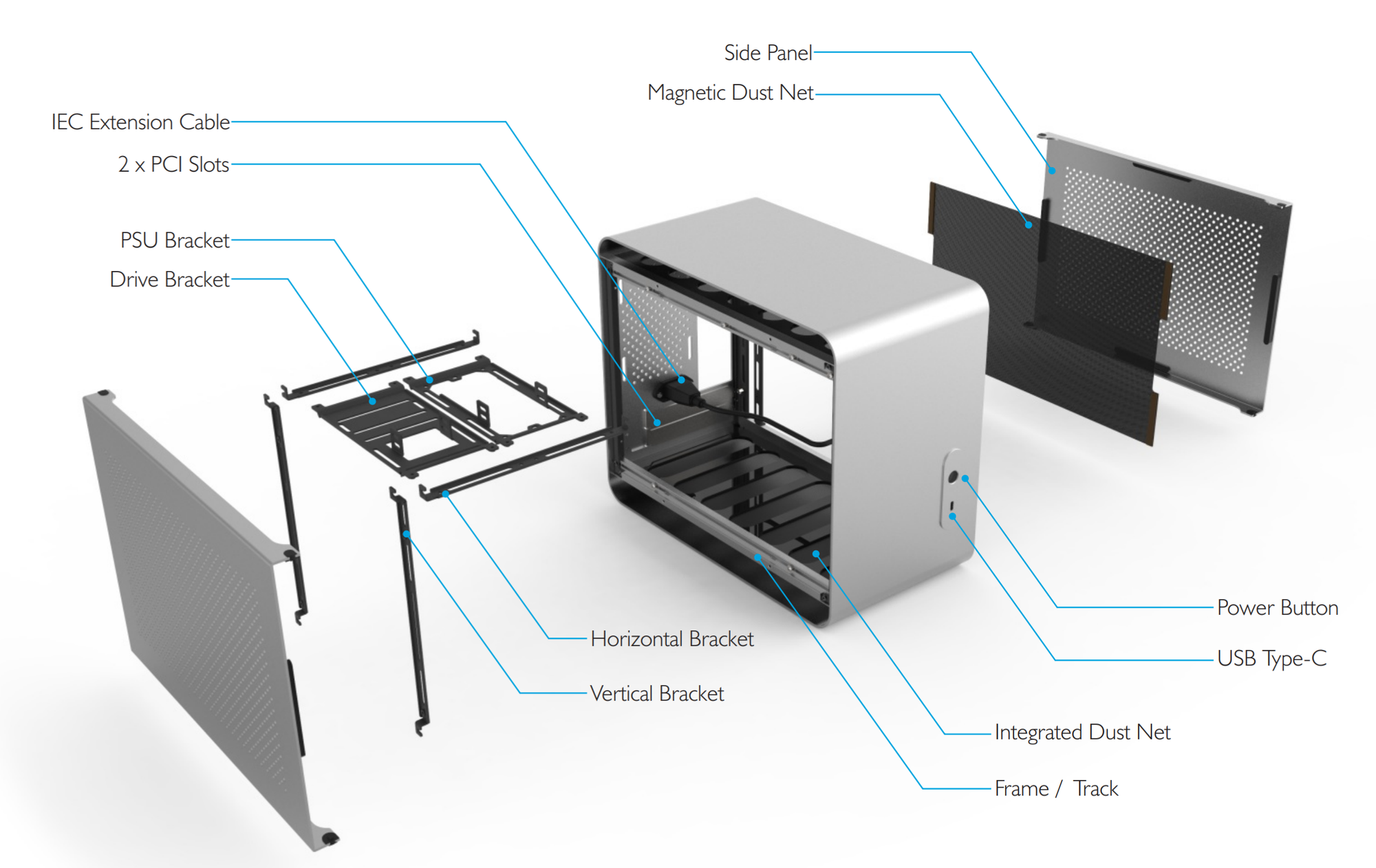
While the Dan A4 SFX represents the pinnacle of compact design, Atwood opted for the Streacom DA2 for his personal system. This decision was driven by the practical realization that "you need more room to deal with extremely powerful CPUs and GPUs in this form factor." The DA2, despite being larger than the A4 SFX, offers crucial additional space for robust cooling solutions, a critical factor when pushing high-performance components.
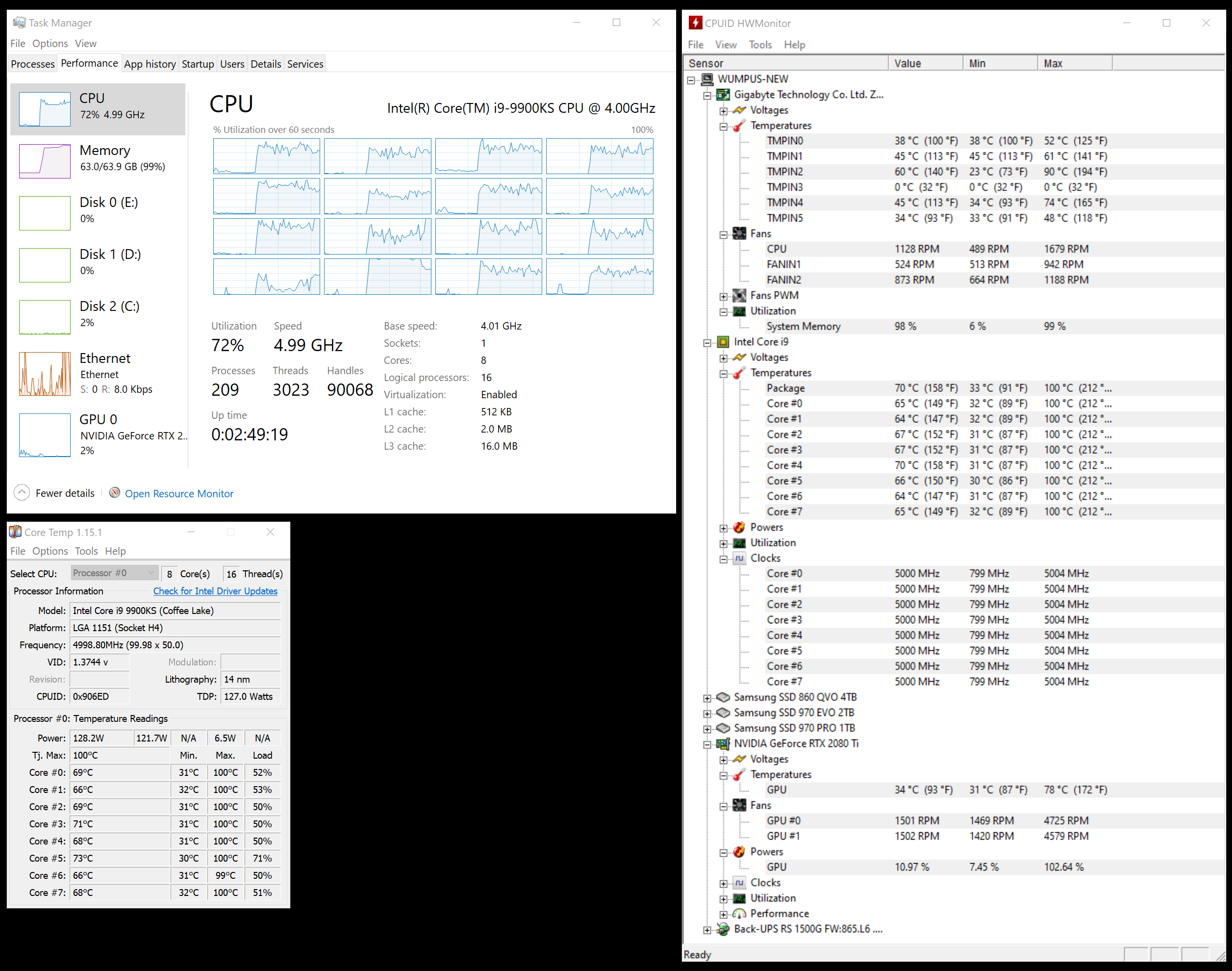
Compared to his previous 2015-2017 system, which featured a slightly overclocked Intel i7-7700k, Atwood’s new build represents a substantial leap in capability. While specific component details for the new CPU and GPU were not explicitly listed in the initial announcement, the upgrade promises "2× the cores (and faster cores, both in clock rate and IPC), 2× the memory, and 2× the M.2 slots (two versus one)." This indicates a move to a modern, multi-core processor (likely a high-end Intel or AMD Ryzen CPU from recent generations) and a contemporary graphics card, reflecting the increasing demands of modern software and gaming. The doubling of memory and M.2 slots also points to a system designed for intensive multitasking, large datasets, and rapid storage access, crucial for content creators and power users.
Innovative Design and Thermal Management in SFF
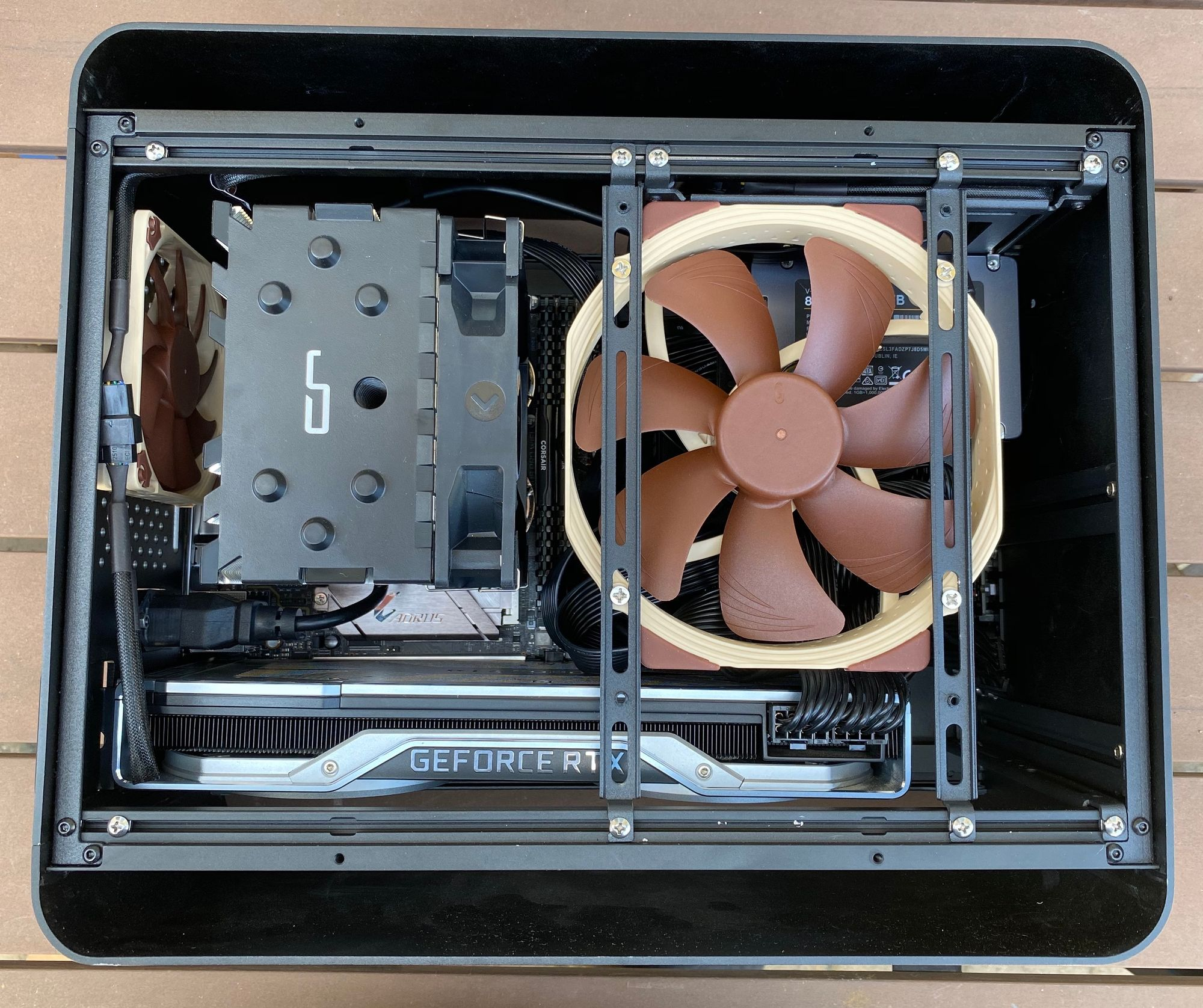
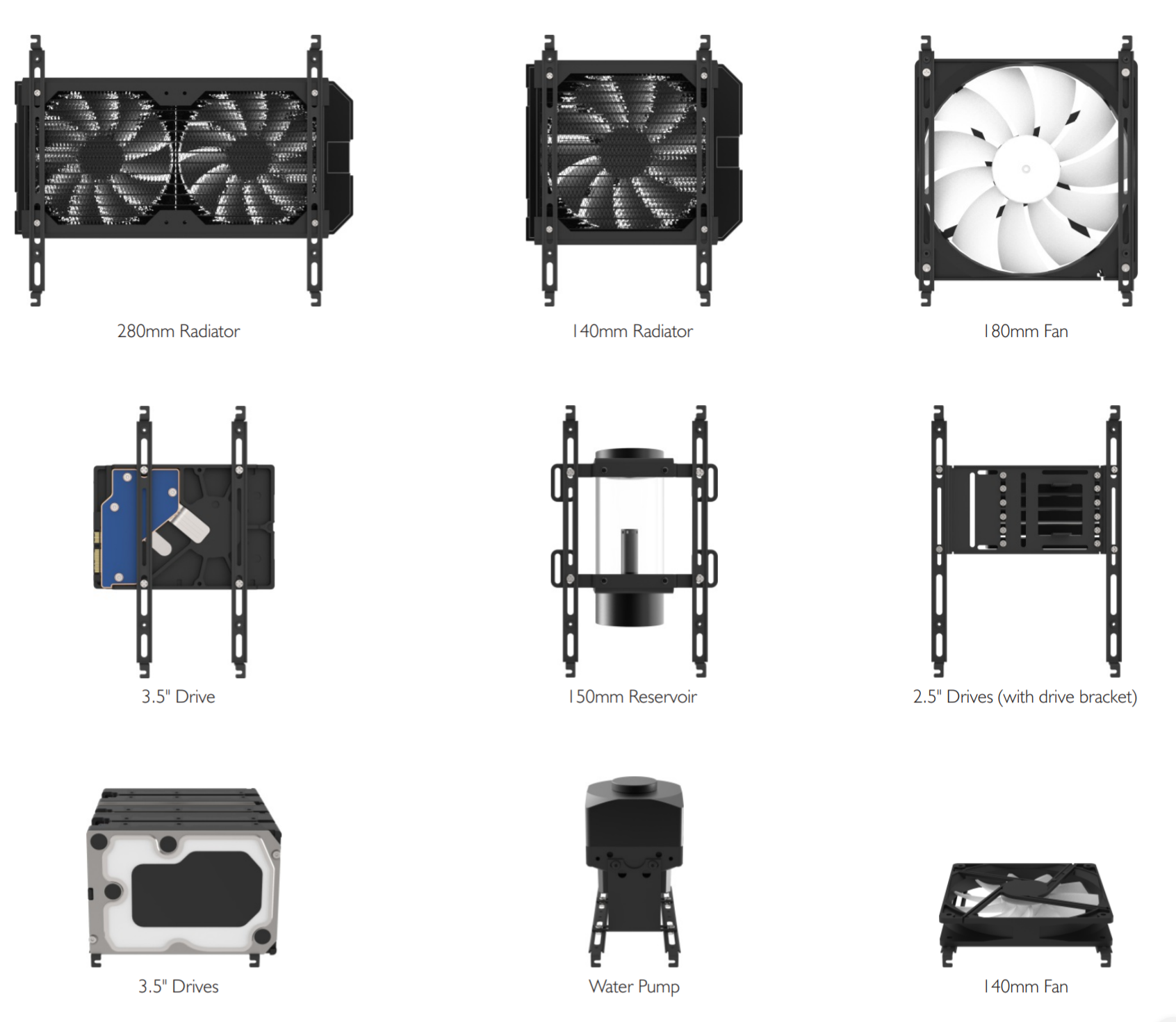
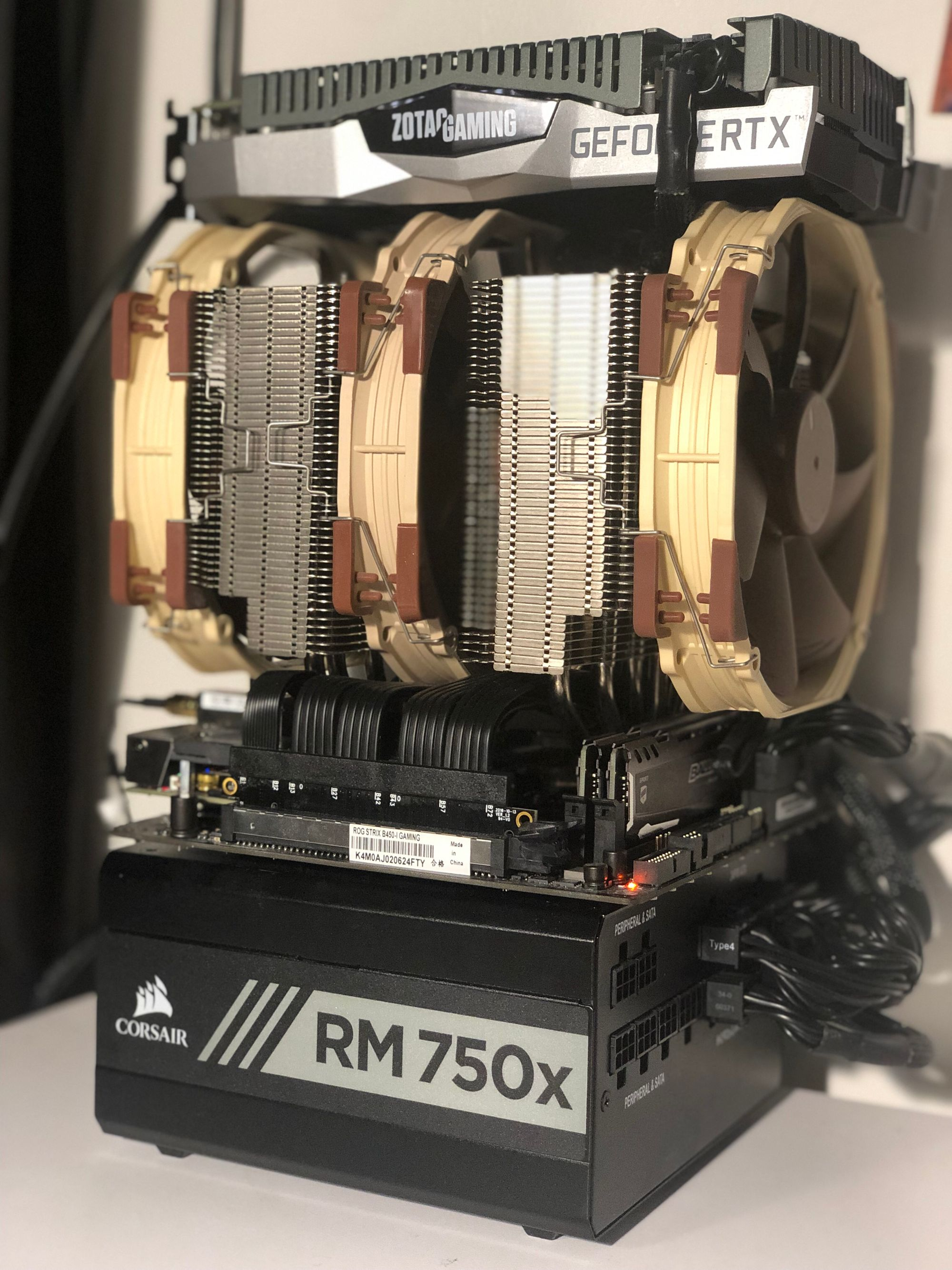
The Streacom DA2’s design contributes significantly to its appeal. Its "hybrid open-air design" on the top and bottom, coupled with a versatile horizontal and vertical bracket system, allows for exceptional configurability. The internal bracket system, described as "incredibly versatile" and easy to manipulate, enables users to customize component placement for optimal airflow and space utilization.
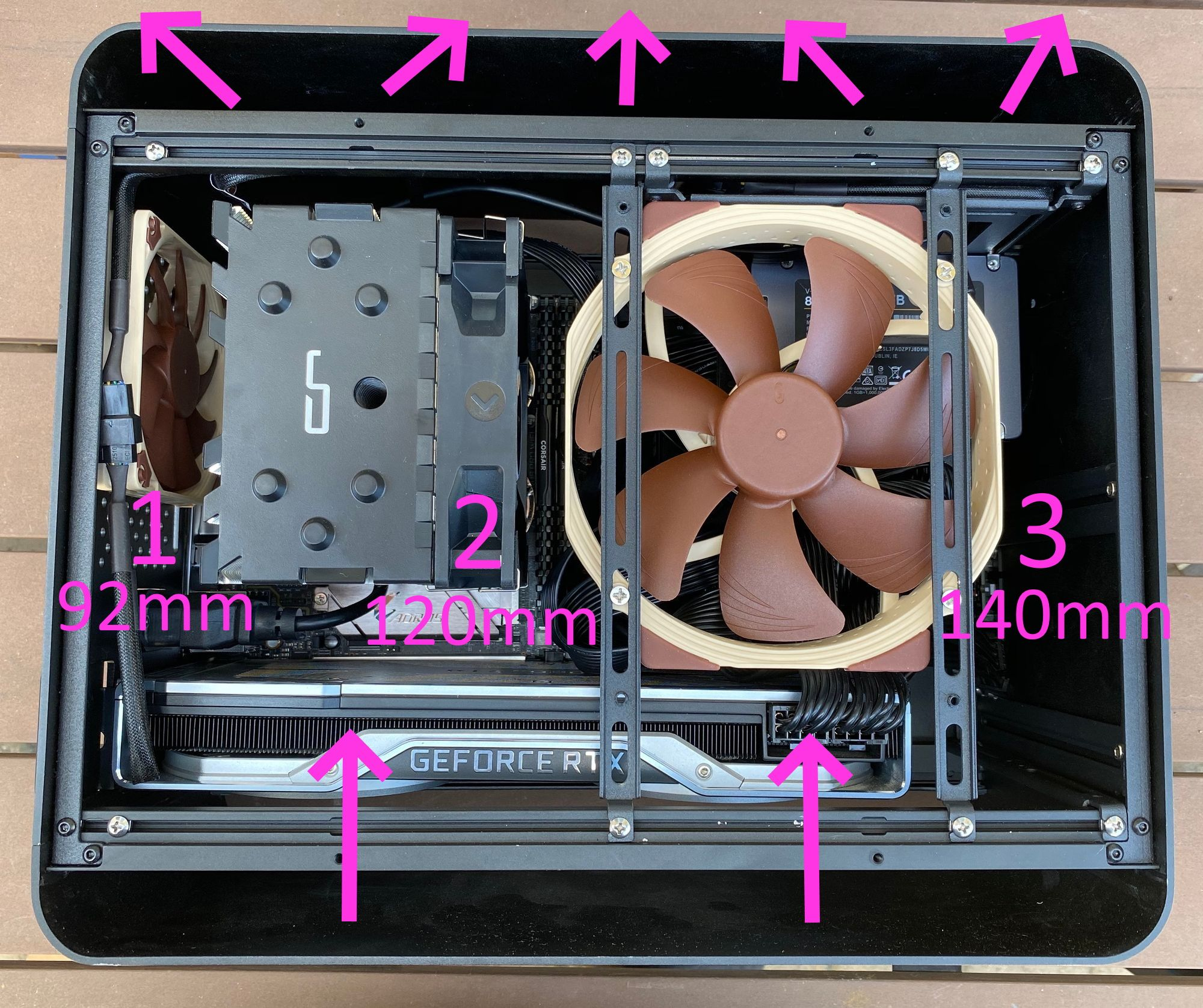
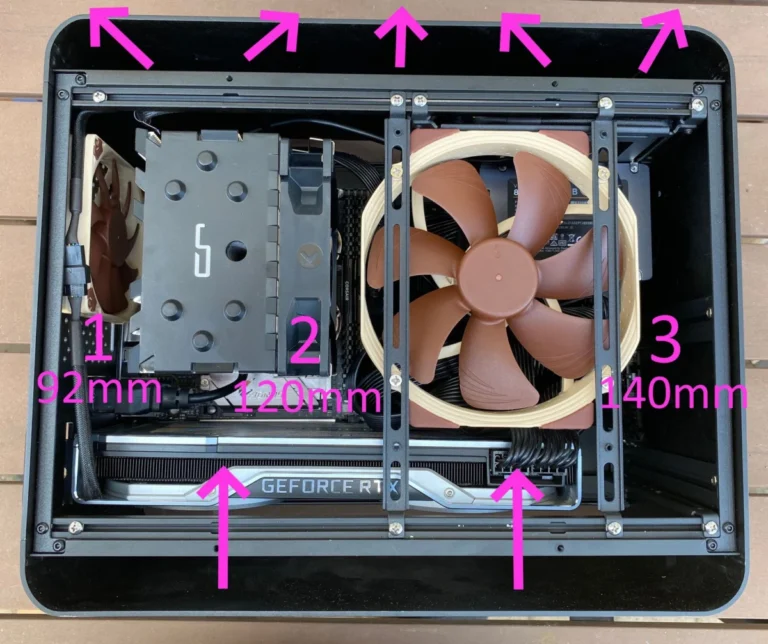
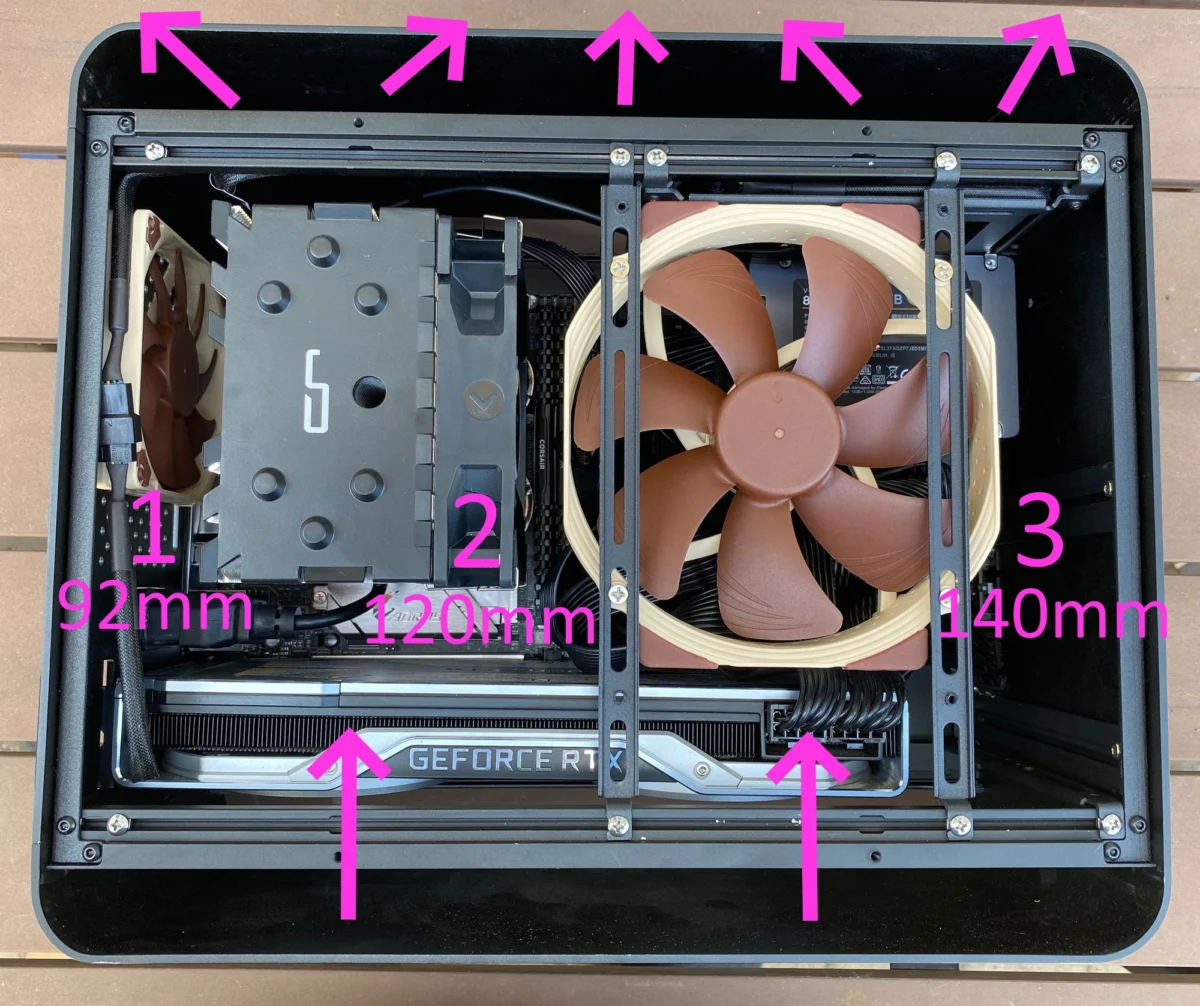
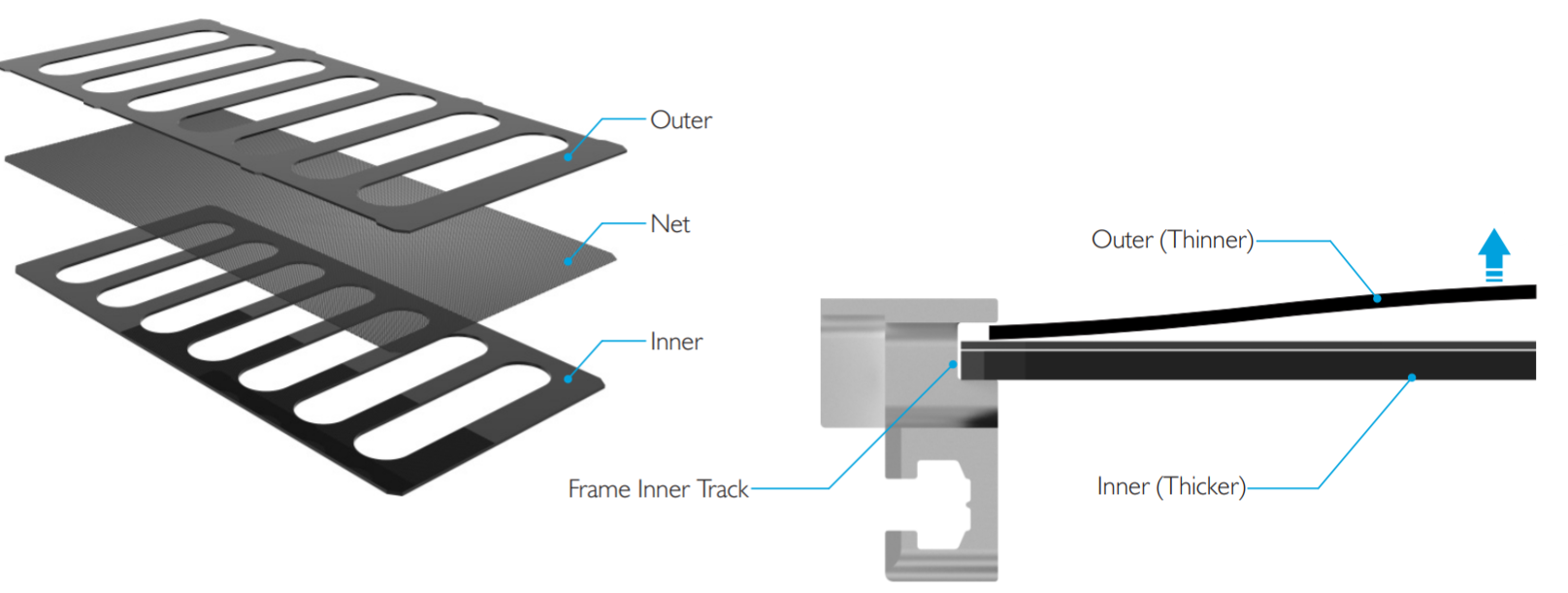
A critical recommendation from Atwood for DA2 users is to remove the top and bottom acrylic pieces, which conceal mesh dust filters. This modification "dramatically better temperatures" by allowing the case to "fully breathe." Given the solid front panel of the DA2, maximizing airflow through the top and bottom panels is essential for cooling high-TDP (Thermal Design Power) components. Atwood specifically recommends a configuration with three fans: one 140mm fan drawing cool air into the bottom, and two 120mm fans exhausting hot air from the top, creating an efficient positive pressure airflow.
Cooling Challenges and Stability Testing
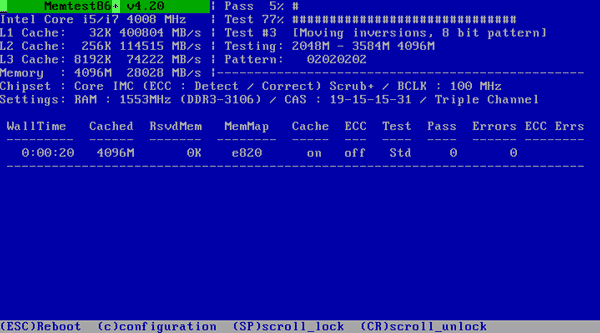
Despite the design innovations, SFF builds inherently present thermal challenges. Atwood notes that while his system passed rigorous "burn-in testing," users expecting sustained full CPU and GPU loads might need to consider liquid cooling due to space constraints. This underscores a critical trade-off in SFF: achieving maximum performance in minimal space often requires careful component selection and advanced cooling strategies. For those averse to the complexities and potential risks of liquid cooling (a sentiment Atwood himself echoes, referencing "traumatic cooling fluid leaks in the early 2000s"), opting for slightly less powerful, more thermally efficient components might be a pragmatic choice.
The Simplified Art of PC Building
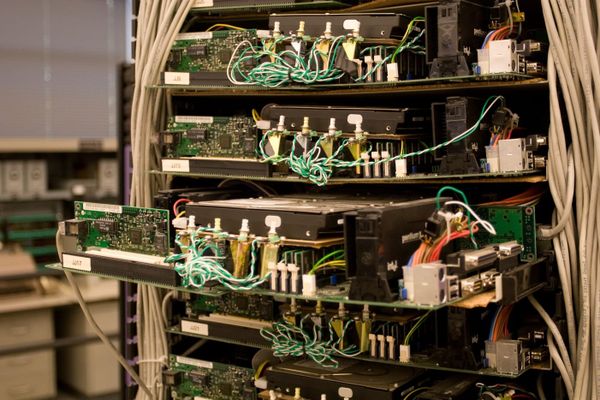
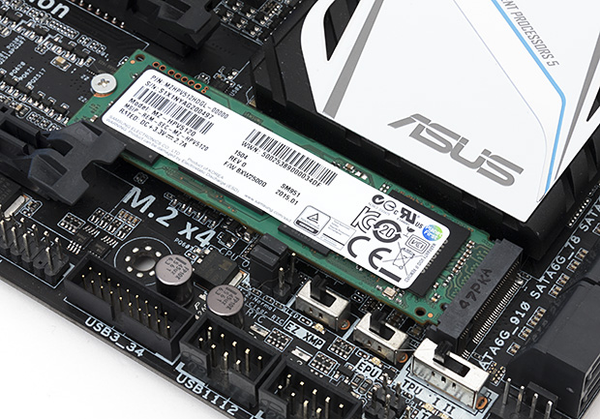
One encouraging observation from Atwood is the increasing ease of PC assembly. Modern components, with their higher integration and simplified interfaces, streamline the building process significantly. With M.2 drives directly plugging into motherboards, CPUs dropping into easily secured sockets, and memory modules snapping into place, a substantial portion of the build is completed on the motherboard itself before it even enters the case. This accessibility potentially lowers the barrier to entry for new builders, making custom SFF PCs more attainable for a wider audience.
Broader Implications and Future Outlook

Atwood’s latest build and his detailed analysis offer a window into the future of desktop computing. The emphasis on SFF points to several key implications:

- Design-Centric Computing: PCs are increasingly viewed not just as tools but as aesthetic objects integrated into modern living spaces. SFF cases cater to this demand for sleek, unobtrusive designs.
- Component Miniaturization: The drive for SFF pushes manufacturers to develop more compact and power-efficient components, from motherboards and power supplies to coolers and graphics cards.
- Thermal Engineering Innovation: As components become more powerful, managing heat in confined spaces becomes paramount, spurring innovations in airflow, heatsink design, and liquid cooling solutions tailored for SFF.
- Niche Market Growth: While traditional desktop sales may stagnate, the SFF segment is likely to continue growing, attracting enthusiasts who prioritize a balance of performance, size, and aesthetics.
The trend championed by Jeff Atwood suggests that the desktop PC, far from being "over," is undergoing a significant metamorphosis. The primary innovation for 2020 and beyond lies in "packing all that power into less than 20 liters of space," offering a compelling vision for powerful, elegant, and space-efficient computing that meets the evolving demands of modern users.
About the Author