The bi-annual Ludum Dare game jam, a globally recognized event challenging developers to create a game from scratch within a tight 48 or 72-hour window, concluded its 56th iteration from October 4th to October 7th. This latest installment captivated thousands of developers worldwide with its intriguing theme: "Tiny Creatures." Following the intense development period and the subsequent community judging phase, the independent game marketplace itch.io has curated a selection of standout entries, offering a glimpse into the diverse and innovative interpretations of the theme. This showcase not only highlights the exceptional talent within the indie game community but also underscores the vital role platforms like itch.io play in fostering discovery and innovation in game development.
Understanding Ludum Dare: A Crucible for Creativity
Ludum Dare, often abbreviated as "LD," stands as one of the longest-running and most influential game jams in the world. Initiated in 2002 by Geoff Howland, the event has grown from a niche gathering of passionate developers into a massive, biannual online festival of creativity. Its core premise is deceptively simple yet profoundly challenging: participants are given a theme and a strict time limit (48 hours for the solo "Compo" category or 72 hours for the "Jam" category, which allows teams and pre-made assets) to design, develop, and submit a complete, playable game. This intense pressure cooker environment forces rapid prototyping, innovative problem-solving, and often leads to surprisingly polished and original concepts.
The significance of Ludum Dare extends beyond merely creating games; it serves as a crucial incubator for talent, a testing ground for new ideas, and a powerful community builder. For aspiring developers, it offers an invaluable opportunity to gain hands-on experience, build a portfolio, and receive constructive feedback from peers. For seasoned professionals, it provides a refreshing break from commercial pressures, allowing them to experiment with unconventional mechanics or art styles. The event typically attracts tens of thousands of participants globally, with thousands of games submitted each cycle, all of which are then played and rated by fellow jammers, fostering a collaborative and supportive ecosystem. The "Tiny Creatures" theme for Ludum Dare 56, announced just before the development period began, set the stage for a wide array of imaginative interpretations, from microscopic organisms navigating vast worlds to diminutive heroes embarking on epic quests.
The "Tiny Creatures" Theme: A Microcosm of Design Potential
The selection of "Tiny Creatures" as the theme for Ludum Dare 56 presented a fascinating design challenge, pushing developers to think creatively about scale, perspective, and interaction. The theme inherently encouraged exploration of various gameplay mechanics:
- Perspective Shift: How does the world change when viewed through the eyes of a minuscule being? This could lead to environmental puzzles where everyday objects become monumental obstacles or tools.
- Resource Management: Tiny creatures often have limited resources or face magnified threats. Games could focus on survival, foraging, or avoiding predators in an oversized environment.
- Swarm/Colony Dynamics: The theme could inspire games where players control multiple small entities, exploring emergent behaviors and collective intelligence.
- Stealth and Agility: Being small often means being vulnerable, prompting gameplay centered around evasion, clever navigation, or utilizing small spaces.
- Narrative Potential: Stories of the underdog, the overlooked, or the beauty of the miniature world could flourish, allowing for emotionally resonant experiences.
The constraints of the game jam—limited time and resources—further amplified these design considerations. Developers had to condense complex ideas into digestible, playable experiences, often relying on evocative visuals and intuitive mechanics to convey the sense of "tininess." The resulting submissions demonstrate a remarkable breadth of creativity, showcasing how a seemingly simple theme can be interpreted in countless innovative ways, from strategic battles to introspective narratives.
itch.io’s Integral Role in Indie Game Discovery
itch.io has long established itself as a vibrant and indispensable platform for independent game developers, distinguishing itself through its open approach, developer-centric policies, and strong community focus. Unlike larger, more curated storefronts, itch.io provides an accessible space for creators of all experience levels to publish their work, from experimental prototypes to full commercial releases. This philosophy makes it a natural home for game jam submissions, including the thousands of entries from Ludum Dare.
The platform’s commitment to showcasing emerging talent is evident in its regular blog posts, curated collections, and developer spotlights. These editorial efforts are crucial for discoverability in an increasingly crowded digital landscape. By spotlighting specific Ludum Dare entries, itch.io not only provides valuable exposure to the featured developers but also guides players through the vast ocean of submissions, helping them uncover hidden gems that might otherwise go unnoticed. This symbiotic relationship—developers finding a platform, players finding unique games, and itch.io fostering the ecosystem—reinforces the platform’s position as a cornerstone of the indie game community. An itch.io spokesperson, reflecting on such curation efforts, might emphasize the platform’s dedication to "celebrating the raw creativity and diverse voices that emerge from game jams like Ludum Dare, providing a launching pad for innovative ideas and a gateway for players to experience truly unique interactive art."
Spotlight on Innovation: itch.io’s Ludum Dare 56 Picks

Among the thousands of submissions to Ludum Dare 56, itch.io has highlighted a selection of games that particularly excelled in their interpretation of the "Tiny Creatures" theme, demonstrating ingenuity in gameplay, art, and narrative.
TINY PACK
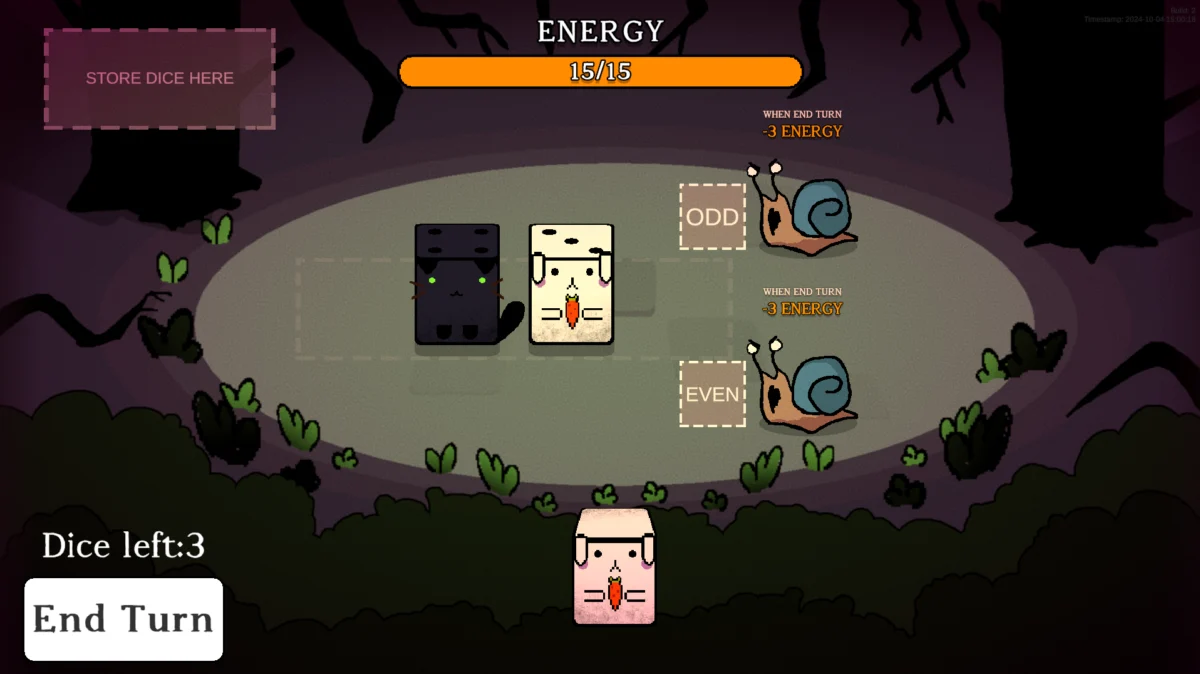
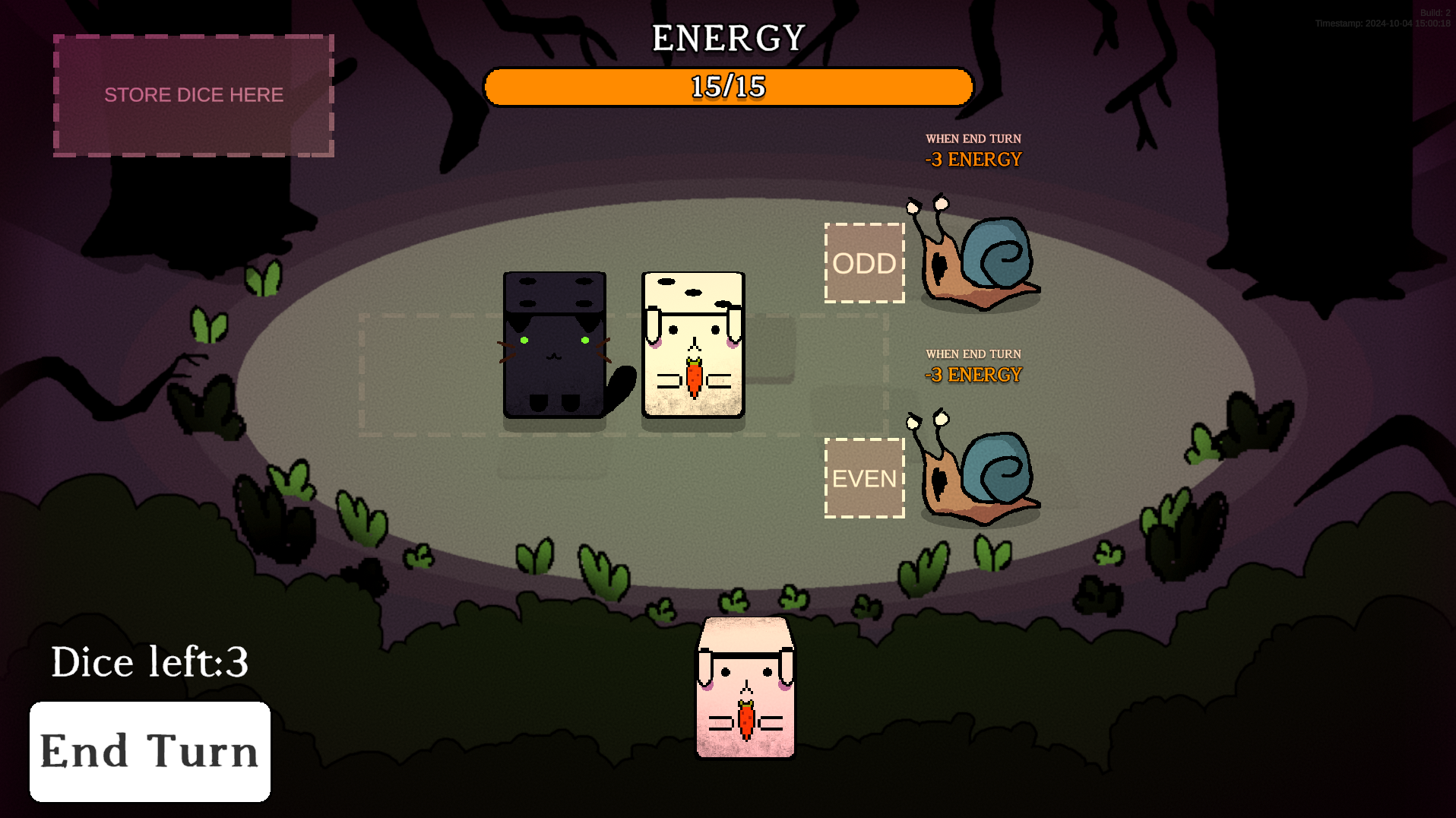
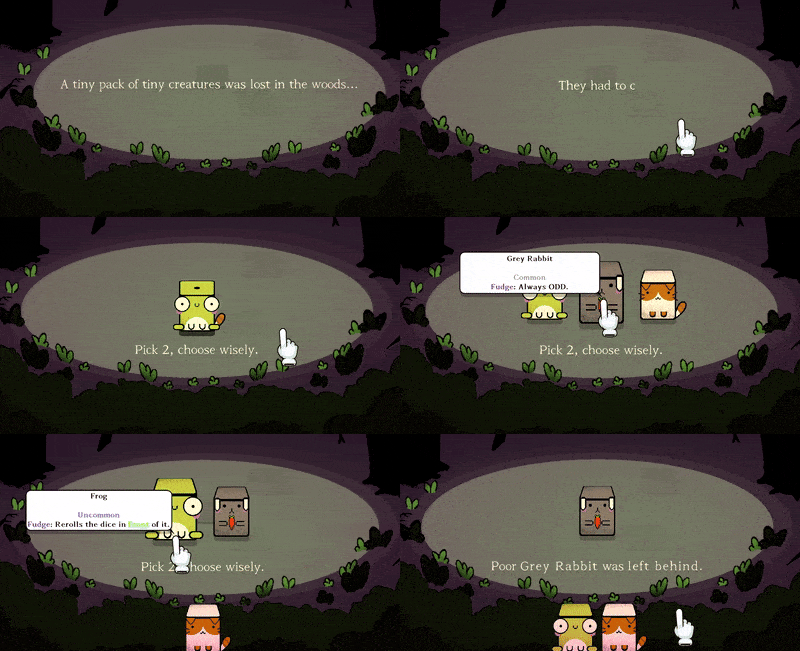
TINY PACK offers a compelling blend of roguelike adventure, deck-building, and turn-based strategy, all set within a vibrant pixel-art forest inhabited by tiny creatures. Players assume the role of a leader guiding a pack of these diminutive beings through challenging woodland environments. The core mechanic revolves around dice abilities, which are used to overcome obstacles, engage in strategic combat, and navigate the procedurally generated levels. The integration of deck-building elements allows players to customize their pack’s abilities over time, adding a layer of strategic depth as they collect and refine their arsenal of actions. Each creature within the pack likely possesses unique attributes or dice modifiers, encouraging players to think critically about team composition and synergistic abilities. The turn-based combat system ensures thoughtful decision-making, while the roguelike structure guarantees high replayability through varied encounters and permanent consequences. The pixel art style beautifully conveys the scale, making the forest feel vast and perilous from the perspective of the tiny protagonists. Playable directly in browser, TINY PACK exemplifies how complex mechanics can be elegantly condensed into a jam-game format.
Butterjar
A charming and concise puzzle-platformer, Butterjar tasks players with the delicate mission of guiding a butterfly into a jar. This seemingly simple premise unfolds across 13 meticulously designed levels, each presenting a unique environmental puzzle. The game’s appeal lies in its straightforward yet engaging mechanics, requiring players to understand the butterfly’s movement patterns and interact with the environment to create a safe path. The limited completion time of approximately 10 minutes makes Butterjar an ideal example of a perfectly scoped game jam entry—delivering a complete, satisfying experience without overstaying its welcome. The design likely focuses on clever level layouts that incrementally introduce new puzzle elements, challenging players’ spatial reasoning and timing. Its browser-based accessibility further enhances its pick-up-and-play appeal.
GO BLO
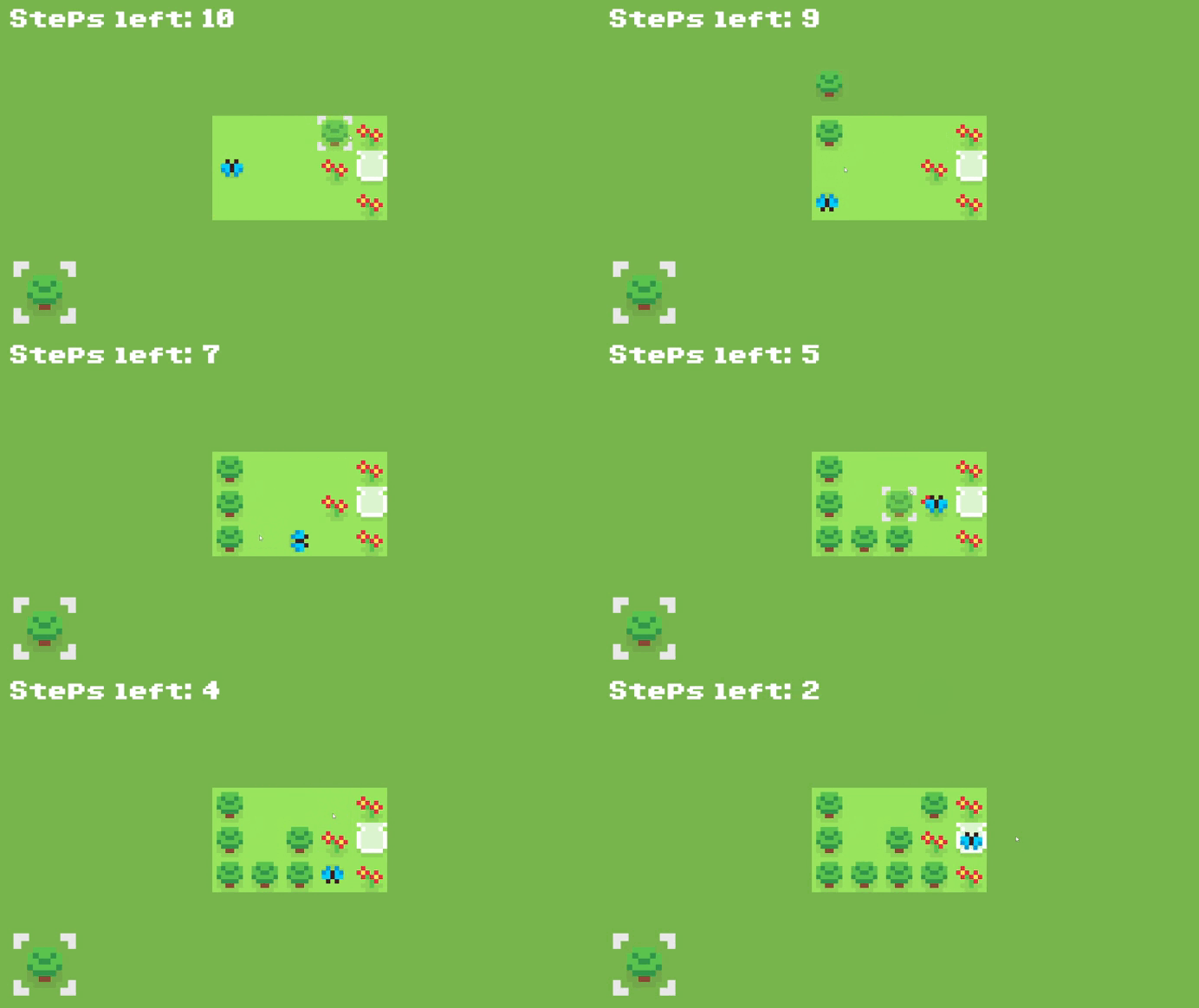
GO BLO introduces an intriguing puzzle concept centered around crowd mechanics. Players lead a troop of small, blue-hued characters, the "BLOs," through various levels. The primary objective is to gather an increasingly larger crowd of followers to solve environmental puzzles. This might involve numerical challenges, such as needing a certain number of BLOs to activate a pressure plate, or weight-based puzzles, where a collective mass is required to open a path. The game likely combines elements of pathfinding and resource management (in this case, managing the number of followers). The visual style, though unstated, would likely be clean and functional to clearly delineate the BLOs and their interactions with the environment. The challenge lies in strategically navigating levels, deciding when to split the crowd or when to consolidate, and ensuring enough BLOs survive to complete the objective. Playable in browser, GO BLO demonstrates an innovative approach to the "Tiny Creatures" theme through the lens of collective action.
Slimeow Game
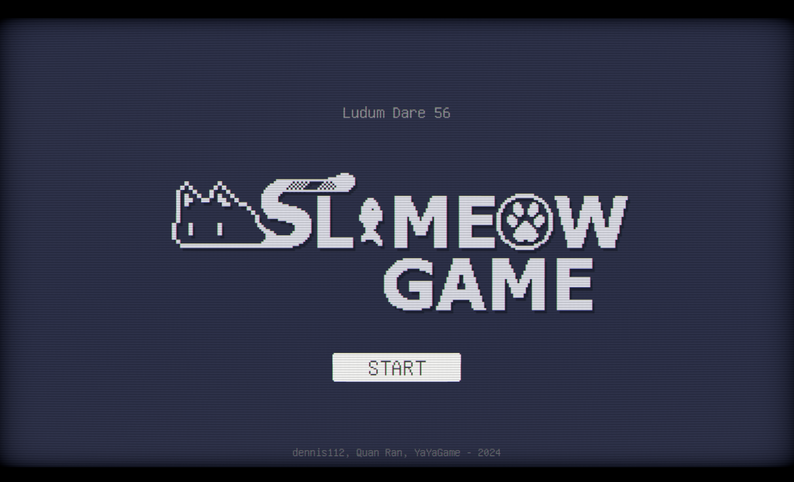
Fusing the popular genres of tower defense and incremental gameplay, Slimeow Game presents a unique take on the "Tiny Creatures" theme. Players manage a thriving colony of "slimeows," adorable slime creatures, with a dual objective: collecting fish to breed more slimeows and defending their pond from invading "bobtails." The incremental mechanics likely involve passive resource generation and upgrades, allowing the slimeow population to grow and become more formidable over time. The tower defense aspect comes into play as players strategically position their slimeows—perhaps with different abilities or attack types—to repel waves of bobtail invaders. This combination demands both long-term strategic planning for colony growth and real-time tactical decisions during defense phases. The screenshot reveals a charming, cartoonish aesthetic, making the struggle of the slimeows against the bobtails visually engaging. Slimeow Game offers a deep yet accessible experience for a game jam entry, available in browser.
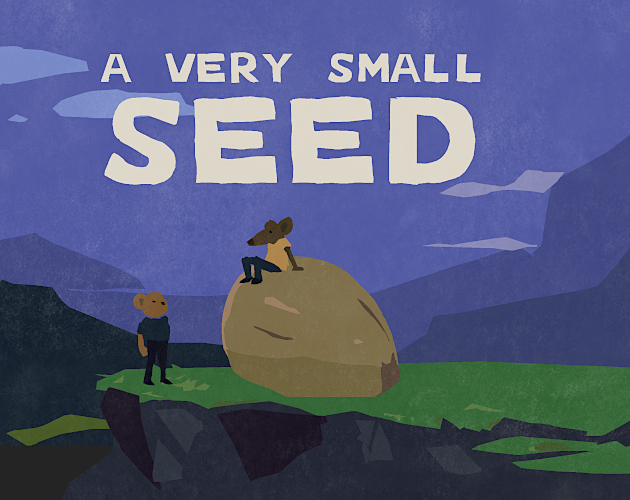
A very small seed
A very small seed stands out for its hand-drawn art style and narrative-driven approach. This interactive experience follows two tiny creatures on a poignant journey to bring a small seed home. The game likely prioritizes atmosphere and storytelling over complex mechanics, drawing players into a miniature world filled with simple yet meaningful obstacles. The hand-drawn visuals contribute significantly to its unique charm and emotional resonance, making the journey of these small protagonists feel intimate and personal. As a "short interactive experience," it probably focuses on environmental storytelling and light puzzle-solving, guiding players through a narrative arc that explores themes of perseverance, companionship, and the significance of even the smallest endeavors. Playable in browser, it showcases the power of art and narrative in game jam creations.
Critter Switcher
Combining pixel-art aesthetics with roguelike gameplay, Critter Switcher invites players to guide a mouse through a bustling garden environment. The objective is to "find your posse," suggesting a mechanic where players gather or switch between different critter companions, each perhaps possessing unique abilities crucial for navigation or combat. The roguelike elements imply procedural generation of the garden, permadeath, and iterative progression, ensuring that each playthrough offers a fresh challenge. From the perspective of a mouse, the garden transforms into a vast, perilous landscape filled with both hidden dangers and helpful allies. The pixel art style is well-suited to conveying the charm and detail of a miniature world, allowing for clear visual cues despite the small scale of the protagonists.
Candyween
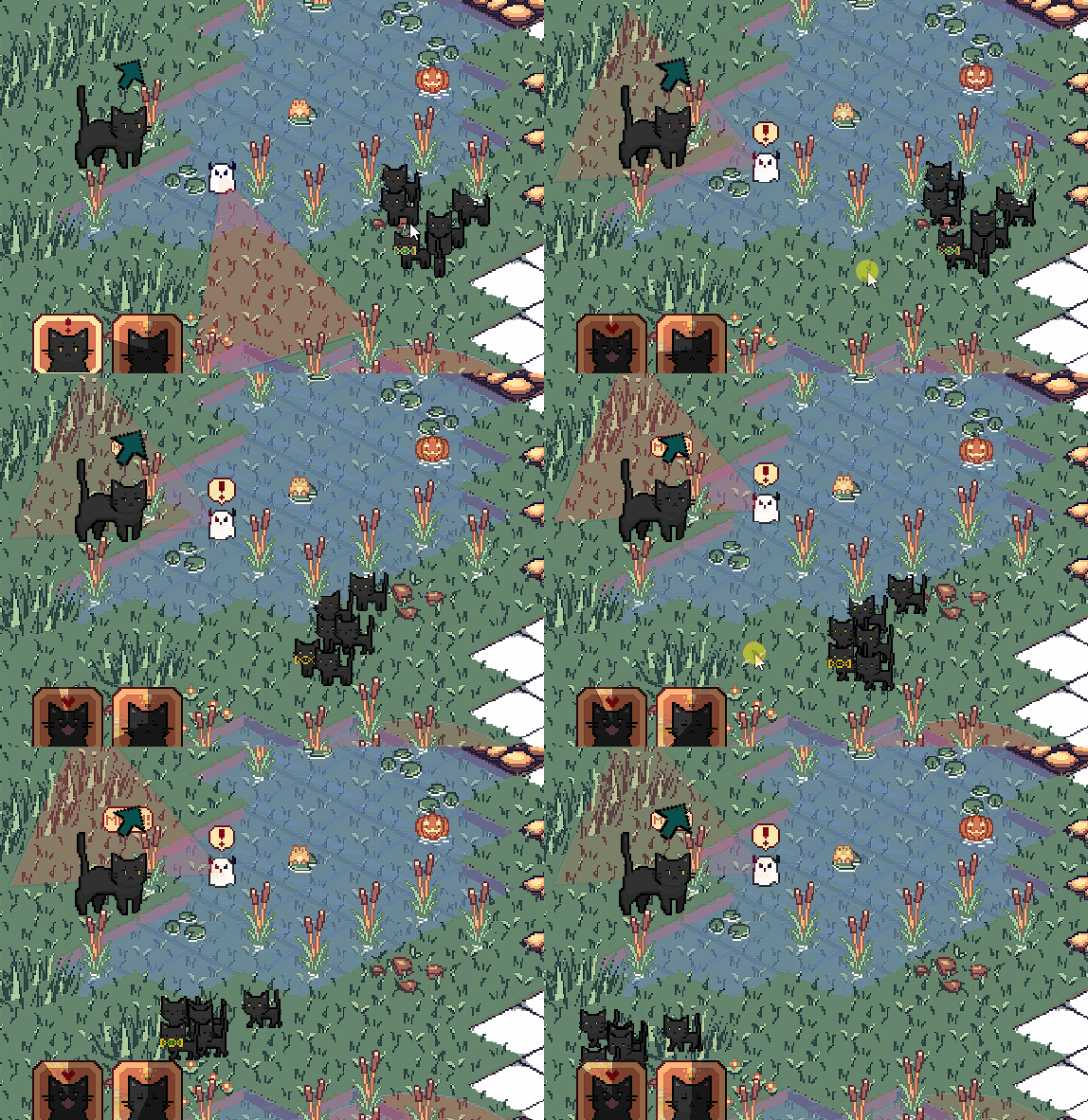
Perfectly timed for the Halloween season, Candyween is a festive puzzle-platformer featuring isometric pixel art. Players control a cat tasked with helping a witch recover her scattered candies. The game’s levels are cleverly designed, requiring players to navigate around various obstacles, including mischievous ghosts and watchful dogs, to collect all the sweets. The isometric perspective adds a unique visual flair and influences the puzzle design, often requiring players to think in three dimensions. The Halloween theme is woven throughout the visuals and level design, creating an engaging and seasonally appropriate experience. The blend of puzzle-solving, platforming, and a charming aesthetic makes Candyween a delightful example of thematic integration in a game jam context.
Tiny Apple
Tiny Apple offers a minimalist yet engaging idle simulation experience. Players generate "love" in a city through simple, one-button gameplay. The game’s premise suggests a focus on growth and accumulation, characteristic of idle games, but with a unique twist of fostering positive emotions within a tiny urban environment. The one-button interface ensures extreme accessibility, allowing players to jump in effortlessly. The concept of generating "love" in a city of tiny inhabitants could imply subtle narrative elements or a focus on community well-being. This game demonstrates how complex themes can be distilled into straightforward, addictive mechanics, making it an excellent example of a jam game that prioritizes simplicity and immediate gratification. Playable in browser, Tiny Apple provides a serene and incremental experience.
Combo Critters
Combo Critters is a strategic card battling game that fully embraces the "Tiny Creatures" theme through its combat system. Players build teams of critters, each endowed with unique abilities, to engage in tactical card-based battles. The core of the gameplay lies in discovering and executing powerful "combinations" between critter abilities, allowing for devastating attacks or strategic defensive maneuvers. This emphasis on synergy and strategic deck construction adds significant depth, challenging players to optimize their teams and anticipate opponent moves. The game’s mechanics suggest a focus on turn-based strategy, resource management (e.g., energy for playing cards), and understanding the strengths and weaknesses of different critter types. Available free for Windows, Combo Critters showcases how the "Tiny Creatures" theme can be translated into a competitive and engaging strategy game.
Would You Still Love Me?
Taking a deeply narrative approach, Would You Still Love Me? explores a unique and emotionally resonant premise: what happens if your partner unexpectedly transforms into a tiny creature? This adventure game delves into themes of love, acceptance, change, and the challenges faced when relationships are tested by extraordinary circumstances. The gameplay likely involves dialogue choices, environmental interaction, and perhaps light puzzle-solving, all serving to advance a compelling storyline. The focus on narrative and emotional exploration distinguishes it from more mechanics-driven entries. The game’s strength lies in its ability to evoke empathy and provoke thought, demonstrating that game jams can be platforms for profound storytelling. Playable in browser, Would You Still Love Me? is a testament to the power of narrative in interactive media.
The Broader Impact of Game Jams and Curated Showcases
The sheer volume and quality of submissions to Ludum Dare 56, particularly those highlighted by itch.io, underscore the enduring vitality of the game jam phenomenon. These events are not just creative sprints; they are crucial innovation hubs for the entire game development industry. Many successful commercial indie games, such as Baba Is You, Cult of the Lamb, and Superhot, began as game jam prototypes, demonstrating the potential for these intense development cycles to spark groundbreaking ideas.
Platforms like itch.io, through their proactive curation and community engagement, play an indispensable role in translating this raw creativity into tangible opportunities. By providing visibility, feedback, and a pathway to further development, they empower independent developers to refine their concepts and potentially bring them to a wider audience. The "Tiny Creatures" theme for Ludum Dare 56, with its diverse interpretations, further proves that creative constraints can often lead to the most inventive solutions. The insights gleaned from these jam games—from novel mechanics to evocative art styles—often ripple through the broader industry, influencing future design trends and fostering a culture of continuous experimentation.
As the global game development community continues to evolve, game jams like Ludum Dare will remain essential laboratories for new ideas, and platforms like itch.io will continue to be their most ardent champions, ensuring that the next generation of innovative "tiny creatures" finds its way into the hands of eager players. For those keen to explore more, the full breadth of Ludum Dare 56 submissions, along with countless other game jam entries, can be found by navigating the dedicated tags on itch.io, inviting players and developers alike to delve into a world of burgeoning creativity.
About the Author