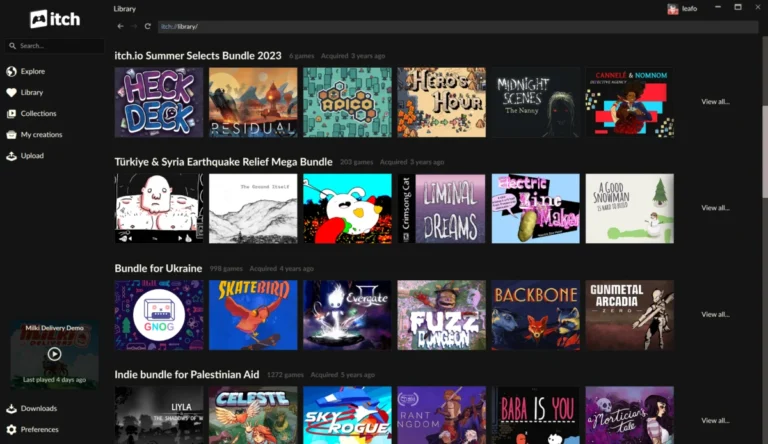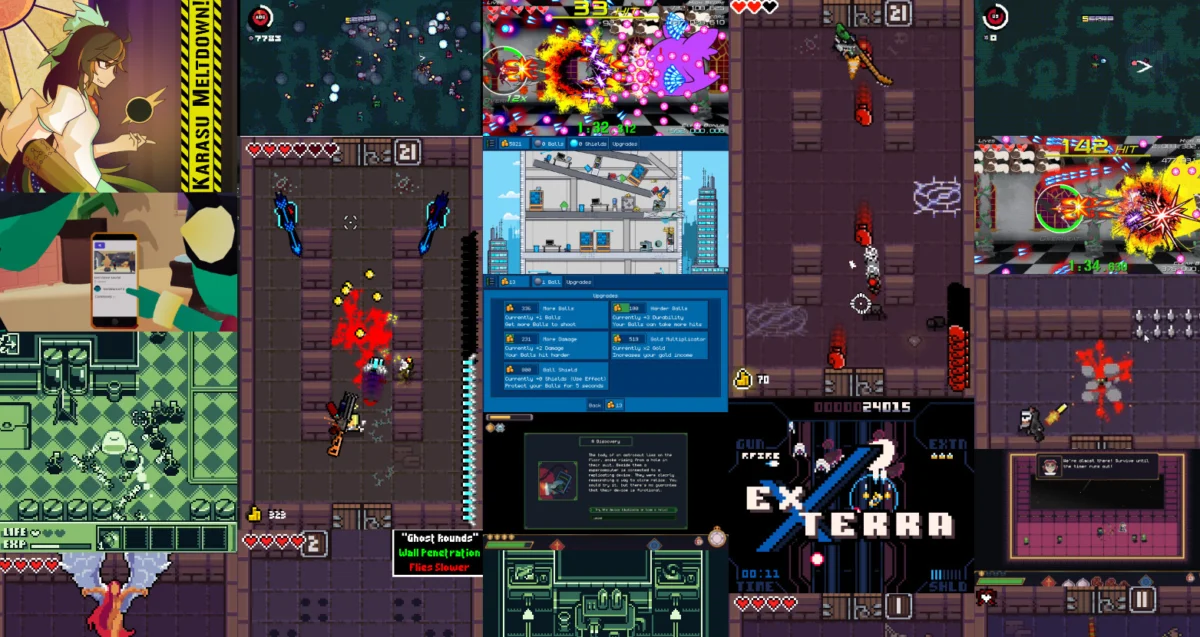
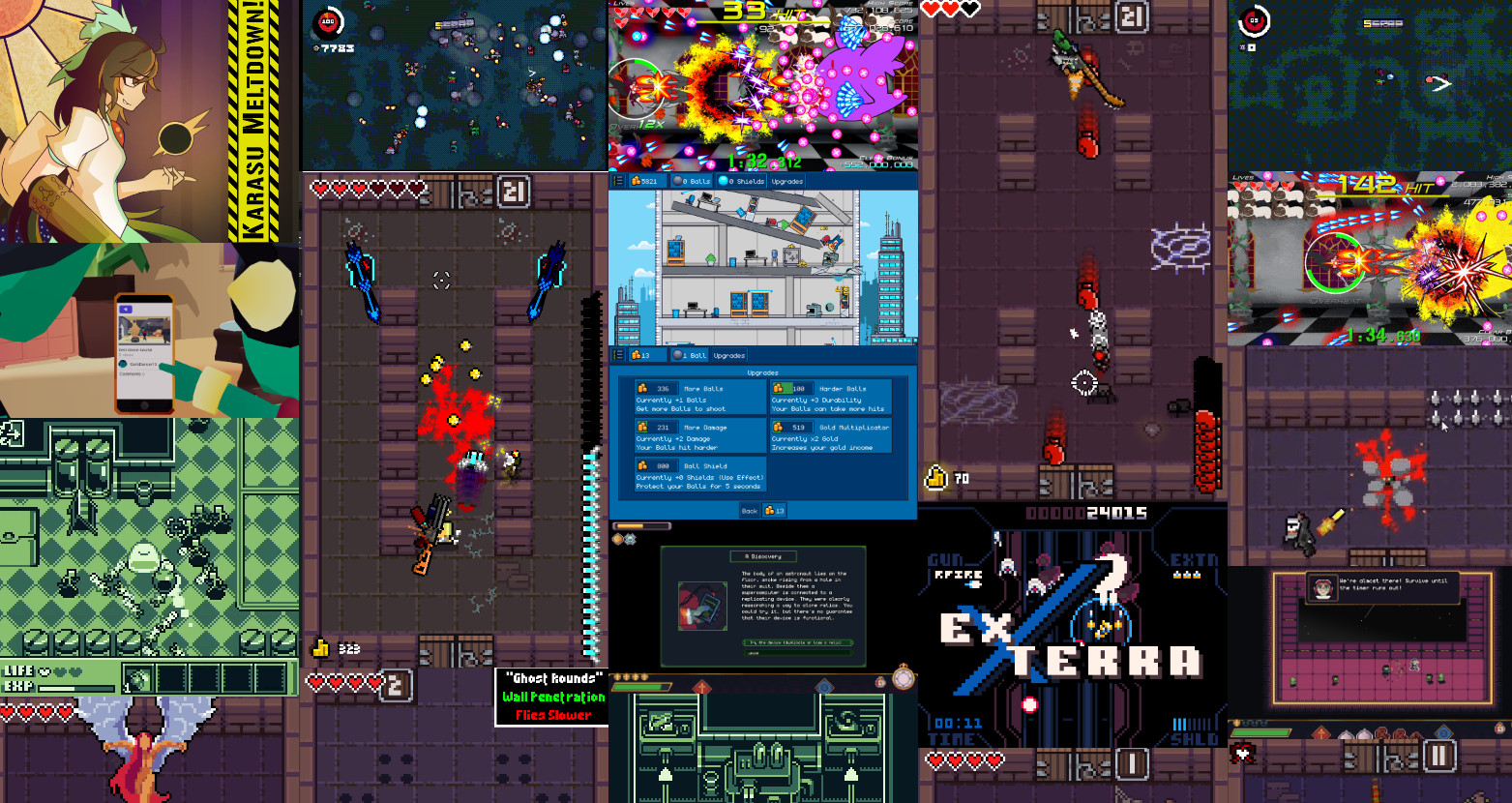
Itch.io, a prominent digital storefront and community for independent video games, has recently curated a selection of fresh browser-based action games, emphasizing immediate playability without the need for downloads or installations. This initiative underscores the platform’s commitment to showcasing indie talent and catering to a growing segment of players seeking accessible, high-quality gaming experiences. The featured titles span a broad spectrum of action subgenres, from challenging roguelites and intense bullet hells to physics-driven racers and innovative shoot ’em ups, demonstrating the creative vitality within the browser gaming ecosystem. This strategic spotlight not only provides exposure for individual developers but also reinforces the enduring relevance of web-based gaming in the modern digital landscape.
The Resurgence of Browser Gaming: A Historical Perspective
Browser gaming has undergone a significant evolution, transforming from its early days dominated by simple Flash animations and Java applets into a robust platform capable of hosting complex and graphically sophisticated titles. The early 2000s saw a boom in Flash games, which provided a low barrier to entry for both developers and players, fostering a vibrant scene of casual and experimental game design. Websites like Newgrounds and Kongregate became synonymous with this era, offering instant access to thousands of games ranging from arcade classics to narrative-driven experiences. However, the decline of Flash Player and the rise of mobile gaming presented new challenges and opportunities.
The subsequent shift towards open web standards like HTML5, WebGL, and more recently WebAssembly has revitalized browser gaming. These technologies enable developers to create games with advanced graphics, complex physics, and sophisticated gameplay mechanics that run directly within a web browser, often rivalling the performance of native desktop applications. This technological leap has been pivotal in attracting a new generation of indie developers who seek to leverage the unparalleled accessibility of the web. Players benefit from cross-platform compatibility, requiring only a modern web browser to engage with titles, regardless of their operating system. This ease of access significantly broadens the potential audience for independent creators, allowing their projects to reach users who might otherwise be deterred by download sizes, installation processes, or specific hardware requirements. The current selection by itch.io is a testament to this ongoing technological and creative renaissance, showcasing how modern browser games are pushing the boundaries of what is possible within a web environment.
Itch.io: A Hub for Indie Innovation and Discovery

Itch.io distinguishes itself in the digital distribution landscape through its developer-centric philosophy and open approach to content curation. Founded in 2013, the platform has cultivated a reputation as a welcoming space for independent game developers, offering flexible monetization options, including "pay-what-you-want" models, direct developer-to-player communication tools, and a transparent revenue sharing structure. Unlike more traditional storefronts, itch.io operates with a minimal gatekeeping approach, allowing a vast array of projects—from ambitious full-scale titles to experimental game jam entries—to find an audience.
This openness has made itch.io a fertile ground for innovation, particularly in the realm of browser games. Developers are drawn to the platform’s ability to host web-playable versions of their creations, facilitating rapid prototyping, direct feedback loops, and broad distribution. The platform’s community features, such as forums, developer logs, and game jam hosting capabilities, further foster a collaborative environment where creators can connect, share insights, and refine their craft. The regular curated lists and blog posts, like the recent action game showcase, serve a dual purpose: they highlight exceptional titles to the community and also educate players about the diversity and quality available on the platform. This editorial guidance helps navigate the extensive library, bringing deserved attention to games that might otherwise be overlooked in a crowded marketplace. Itch.io’s model thus supports a continuous cycle of creativity, discovery, and community engagement, positioning it as a vital nexus for the independent game development scene.
Featured Action Games: A Deep Dive into Diverse Genres
The latest collection from itch.io presents a compelling cross-section of action-oriented browser games, each demonstrating unique mechanics and artistic styles. These titles collectively illustrate the versatility and depth achievable within web-based gaming.
Roguelites and Survival-Likes: The Allure of Procedural Challenge
A significant portion of the featured games lean into the popular roguelite genre, characterized by procedural generation, permanent progression elements between runs, and challenging, often unforgiving gameplay.
- Gun Knight exemplifies this trend, casting players as a knight wielding "GUN MAGIC" to navigate a pixel-art dungeon. Starting with a basic pistol, players modify their weapon through a myriad of discoverable gun parts, introducing strategic depth to each run. The game’s availability on Windows and in-browser highlights the increasing parity between web and desktop experiences for such titles.
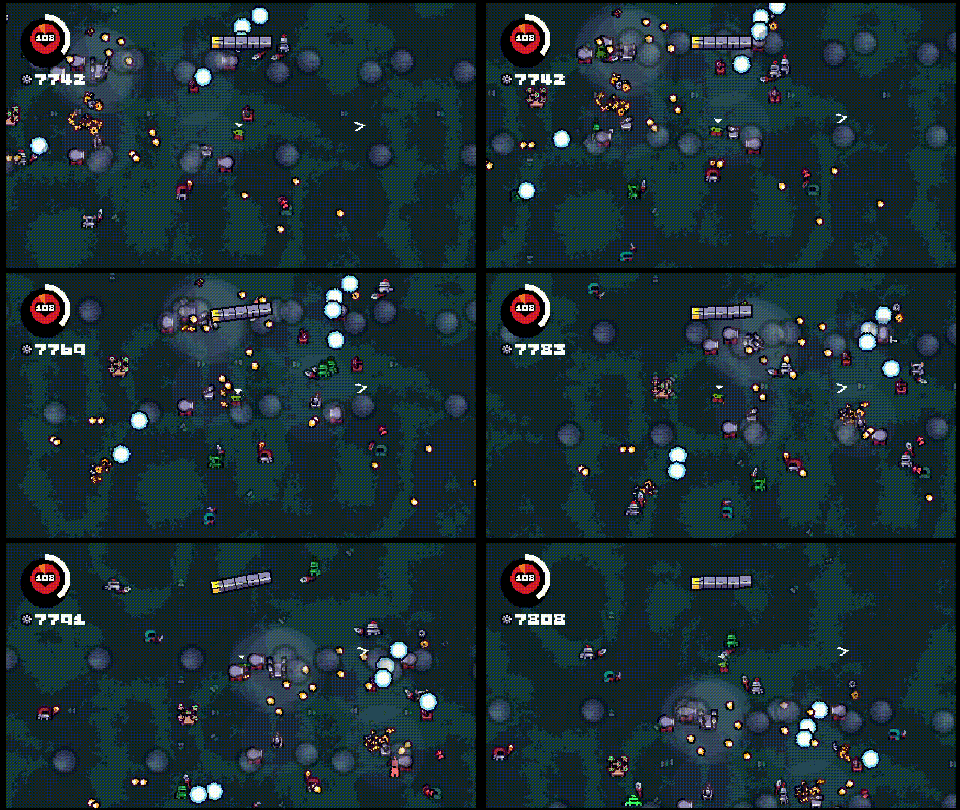
- Groblin Survivors merges horde survival with tower defense mechanics, a hybrid approach gaining significant traction. Players construct defenses and dodge enemy attacks while benefiting from roguelite progression, building upon a popular subgenre often referred to as "survivor-likes." Its chunky pixel art contributes to a distinct visual identity, appealing to fans of retro aesthetics.
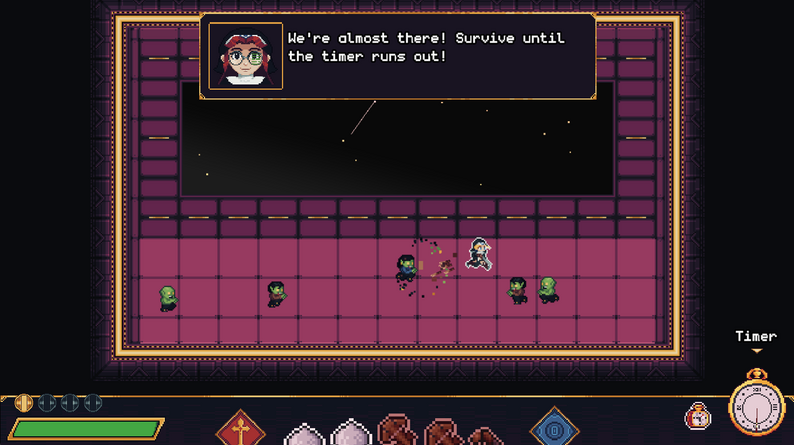
- Moon Watch further innovates within the roguelite survival framework by introducing a unique time-stop mechanic. Players battle vampires on the moon, manipulating time to set up devastating combos and overcome escalating challenges. Developed for the Post Jam “Jam” #9, it incorporates deck-building elements with various cards and relics, showcasing how complex systems can be integrated into browser-first experiences.
- Slime 3k: Demake (Slime 2.99k) offers a nostalgic twist, reimagining a modern concept with Game Boy-inspired graphics. Players control a sentient goo blob rebelling against an evil AI in a roguelite format. This "demake" trend celebrates retro hardware limitations while delivering contemporary gameplay loops, demonstrating a vibrant creative approach to game design.
These roguelite and survival-like games underscore a prevailing design philosophy focused on replayability, emergent gameplay, and continuous player engagement, all while maintaining the instant accessibility of browser platforms.
Shoot ‘Em Ups and Bullet Hells: Precision and Intensity on the Web
The classic shoot ’em up (shmup) genre and its more intense cousin, the bullet hell, are well-represented, proving that high-octane action can thrive in a browser environment.

- EX TERRA, a PICO-8 caravan shmup, challenges players to defend Earth by reaching a core. It emphasizes close-quarters combat and high-scoring, featuring a lock-on system, multiple weapon types, and a shield mechanic. The use of PICO-8, a fantasy console, speaks to a broader movement within indie development to embrace retro constraints for creative expression, often resulting in highly polished and focused experiences.
- KARASU MELTDOWN! is a full-fledged bullet hell caravan shmup, placing players in control of the hell raven Utsuho Reiuji. Developed within three weeks for the Gunner Parade ‘22 Winter League game jam, it intricately ties bomb mechanics into both survival and scoring, demanding precise movement and strategic resource management. These titles demonstrate that the technical capabilities of modern browsers are sufficient to handle the demanding visual and input requirements of such twitch-based genres.
Unique Mechanics and Genre Blends: Pushing Creative Boundaries
Beyond established genres, some games showcase novel mechanics and unexpected genre fusions, highlighting the experimental spirit of indie development.
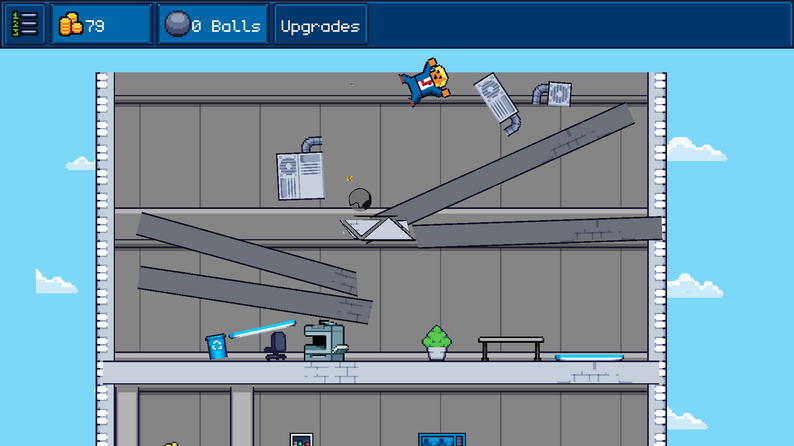
- Plummet Panic is a physics-based racing game developed for the Godot Wild Jam #73. Players race to the bottom, destroying floors and collecting money to upgrade their character. Its incremental progression keeps players engaged through multiple rounds, demonstrating how rapid development cycles, such as those found in game jams, can yield surprisingly deep and addictive experiences. The use of the Godot engine, an open-source alternative gaining significant traction, further emphasizes the accessible nature of modern game development.
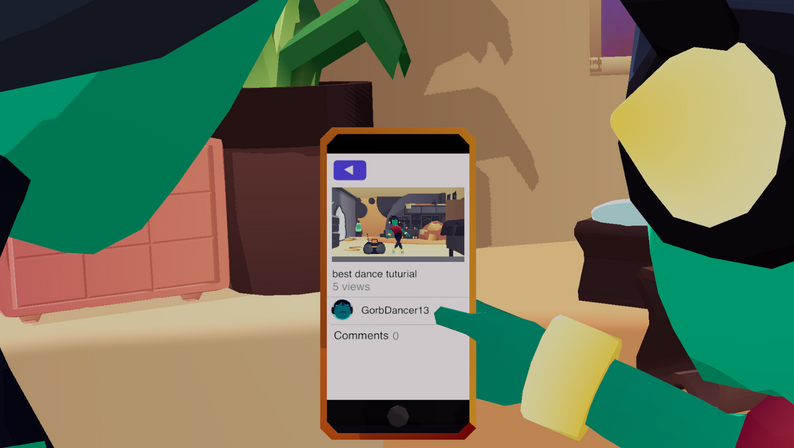
- Portal to the Cosmobeat offers a lighter, more casual action experience focused on rhythm and narrative. Players assist Gorb in becoming the galaxy’s best dancer, challenging rivals across the cosmos. With 3D visuals and a lighthearted story, it expands the definition of "action" to include rhythmic challenges, proving that browser games can cater to a wide range of player preferences and graphical styles.
These diverse examples underscore the vibrant creative landscape supported by itch.io, offering instant gratification through varied gameplay loops and artistic directions.
The Economic and Creative Landscape of Web Games
The ecosystem surrounding browser games, particularly on platforms like itch.io, reflects broader trends in the independent game development sector. The global market for casual games, which heavily overlaps with browser-based titles, continues to expand, driven by increasing internet penetration and demand for accessible entertainment. While precise market segmentation for "browser-only" games can be elusive, the general indie game market is valued in the billions, with platforms like itch.io playing a crucial role in providing a launchpad for emerging creators.
Many of the games featured, such as Plummet Panic, Moon Watch, and KARASU MELTDOWN!, originated from game jams. These intense, time-limited development sprints are vital incubators for talent and innovation. They provide developers with opportunities to experiment with new ideas, hone their skills, and produce playable prototypes that can later be expanded into full releases. The "free in browser" model, prevalent among itch.io’s selection, lowers the barrier to entry for players, encouraging higher engagement and broader feedback, which is invaluable for iterative development. While some titles, like EX TERRA, offer a paid download option alongside a free browser version, this flexible monetization strategy allows developers to cater to different player preferences while still generating revenue. The pay-what-you-want model further empowers players to support developers directly, fostering a more direct and appreciative relationship between creators and their audience. This economic model, combined with the technical accessibility of browser deployment, makes web gaming an attractive and sustainable path for many indie developers.
Implications and Future Trajectories for Browser-Based Gaming
The continued prominence of browser-based games, particularly as championed by platforms like itch.io, carries significant implications for the future of game development and consumption. For developers, the web offers an unparalleled distribution channel, reducing the friction associated with platform-specific builds, lengthy certification processes, and high storefront fees often found on traditional console or PC ecosystems. This empowers smaller teams and solo developers to bring their creative visions to life and reach a global audience with minimal overhead. The "instant play" nature also makes browser games ideal for viral sharing and quick discovery, crucial elements in a crowded media landscape.
From a player perspective, browser games represent the pinnacle of accessibility. They democratize gaming, making it available to individuals with older hardware, limited storage, or simply a preference for casual, commitment-free play. The technological advancements, particularly in WebAssembly and WebGL, promise even more sophisticated experiences, bridging the gap between browser and native applications. As internet speeds increase and web technologies mature, the distinction between a "web game" and a "desktop game" may continue to blur, offering developers greater freedom in how and where their creations are experienced.

Itch.io’s role in this evolving landscape is critical. By actively curating and promoting high-quality browser titles, the platform not only provides a valuable service to its community but also helps shape perceptions of what browser games can achieve. This ongoing commitment to indie creators and accessible gaming ensures that the web remains a vibrant and innovative frontier for interactive entertainment, continuously pushing the boundaries of creativity and technology.
The latest showcase of action games on itch.io is a clear indicator of the robust health and innovative spirit present in the browser gaming sector. Offering diverse gameplay, from challenging roguelites to intense bullet hells, these titles underscore the accessibility and creative freedom that web-based platforms provide. As technology continues to advance, browser games are poised to become an even more integral part of the global gaming landscape, driven by platforms like itch.io that champion independent development and seamless player experiences.
About the Author