Renowned entrepreneur and co-founder of Stack Overflow, Jeff Atwood, has announced a transformative philanthropic commitment of $50 million, half of his remaining personal wealth, to address systemic poverty across America. This substantial pledge is central to the newly launched Rural Guaranteed Minimum Income Initiative (RGMII), a pioneering effort designed to provide direct financial assistance to families in deep need within overlooked rural communities. The announcement follows a year-long introspection and an initial pledge to "Share the American Dream," marking a significant pivot for Atwood from technology innovation to large-scale social impact.
The Genesis of a Philanthropic Vision
Atwood’s journey into large-scale philanthropy began in earnest after the significant acquisition of Stack Overflow by Prosus for a reported $1.8 billion in 2021. This financial milestone prompted a profound personal inquiry into the concept of "enough" and the responsibility that accompanies substantial wealth. In January 2025, Atwood, through his popular blog Coding Horror, issued a public "pledge to Share the American Dream," inviting fellow Americans to support effective charities addressing immediate needs and to contribute to longer-term efforts aimed at ensuring the American Dream remains attainable for future generations.
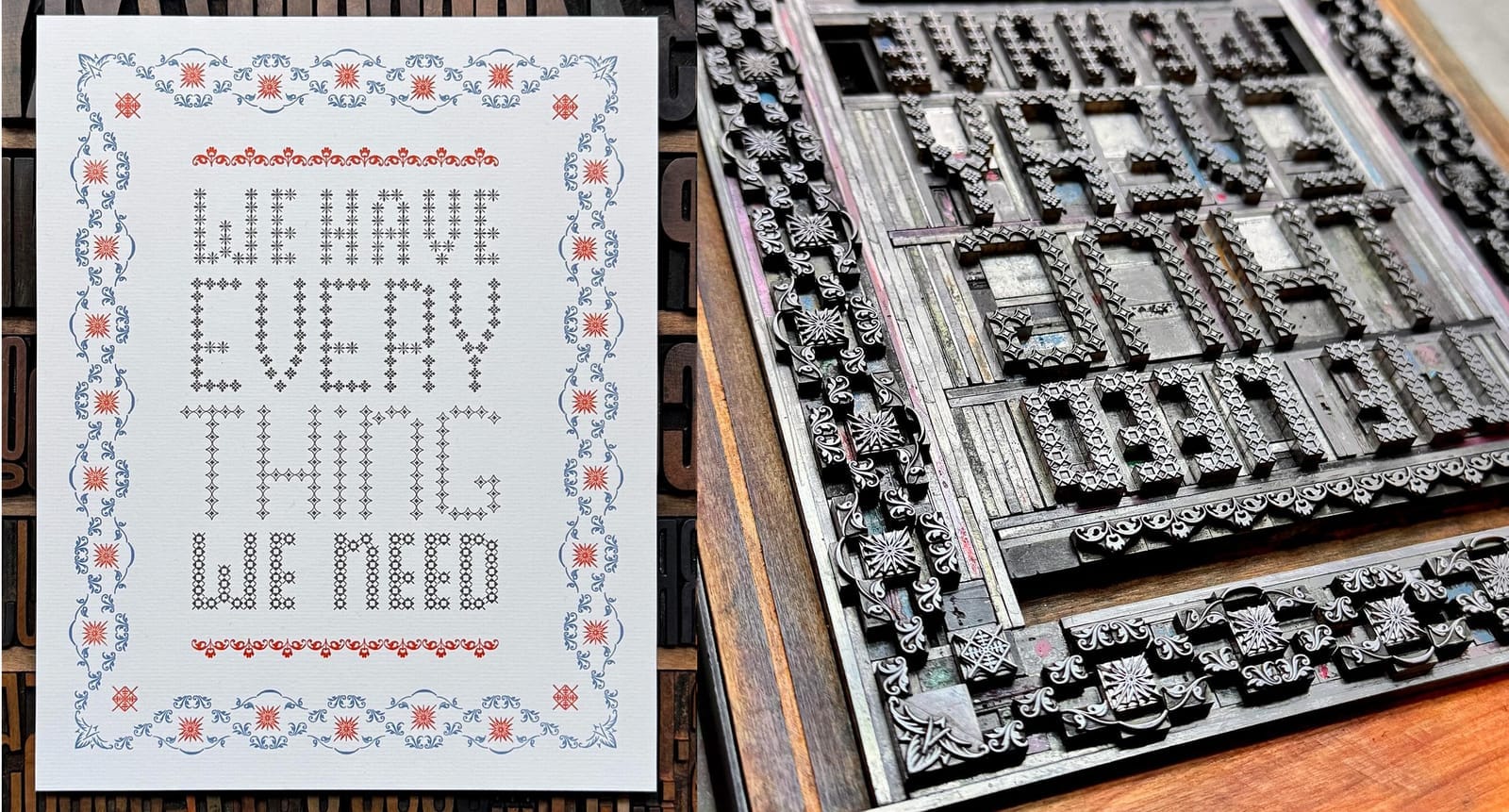
This initiative is deeply rooted in a philosophy articulated by Mary Gates: "From those to whom much is given, much is expected." Atwood’s partner, Betsy Atwood, further elaborated on this ethos in a recent podcast, stating, "We have everything we need; how do we make sure everybody has what they need?" This question became the guiding principle for their family’s philanthropic strategy. The initial phase of their commitment saw immediate action, with $1 million distributed to eight nonprofit charities in January 2025. Recognizing the escalating urgency of societal needs, this figure quickly expanded by an additional $13 million within months, bringing the total for immediate relief to $21 million.
However, Atwood emphasized that addressing immediate crises, while crucial, is akin to "firefighting" without tackling root causes. A more sustainable approach, he argued, requires "fire abatement" – improving underlying conditions to prevent future crises. This realization led to the commitment of the $50 million for longer-term, systemic change. Initially, Atwood had contemplated founding a new organization modeled after the RAND Corporation or Lever for Change, empowering experts to forge a realistic path toward preserving the American Dream. By March 2025, a consensus emerged: the most impactful "road not taken" was the implementation of a Guaranteed Minimum Income (GMI).

From Vision to Action: The Rise of Guaranteed Minimum Income (GMI)
The decision to champion Guaranteed Minimum Income (GMI) as the primary vehicle for systemic change was not arbitrary. GMI is presented as an evolved and targeted version of Universal Basic Income (UBI). While UBI typically involves providing a regular, unconditional cash payment to all citizens, GMI focuses on directing funds specifically to individuals and families who are most in need, particularly those experiencing generational poverty. This targeted approach aims to maximize the impact of every dollar by ensuring it reaches the households where it can make the most significant difference in alleviating hardship and fostering stability.
The shift towards GMI reflects a growing body of evidence and a nuanced understanding of poverty alleviation strategies. Unlike broad-based UBI, GMI is designed to be more fiscally efficient and politically palatable, as it directly addresses the critical needs of vulnerable populations without distributing funds to those who may not require them. The underlying premise is that direct cash transfers empower recipients to make the best decisions for their own lives, whether it’s covering basic necessities like food and housing, investing in education, addressing unexpected emergencies, or even starting small businesses.
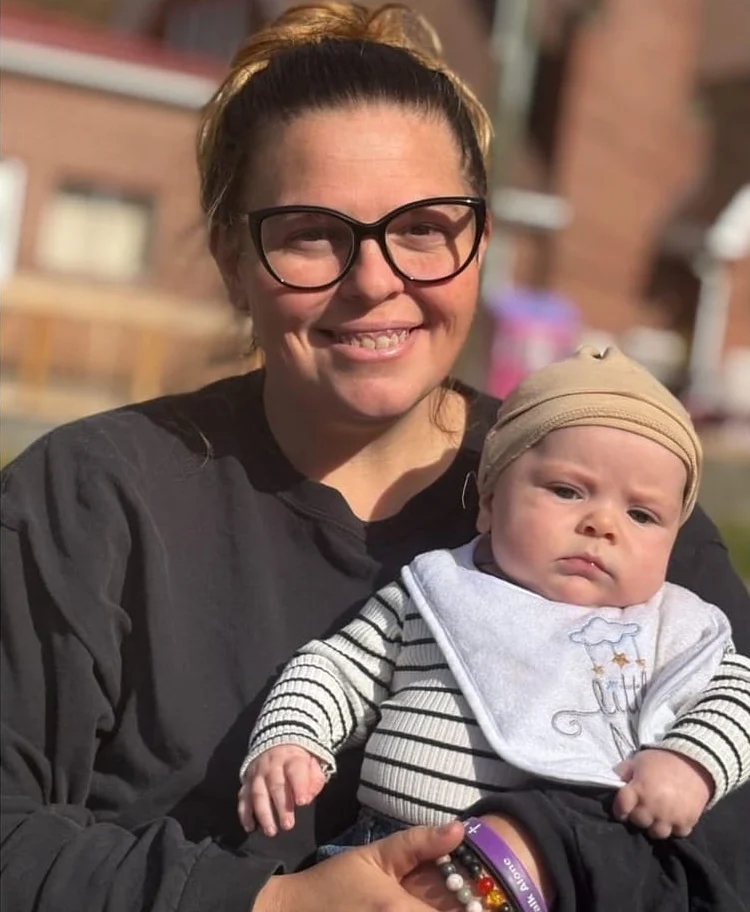
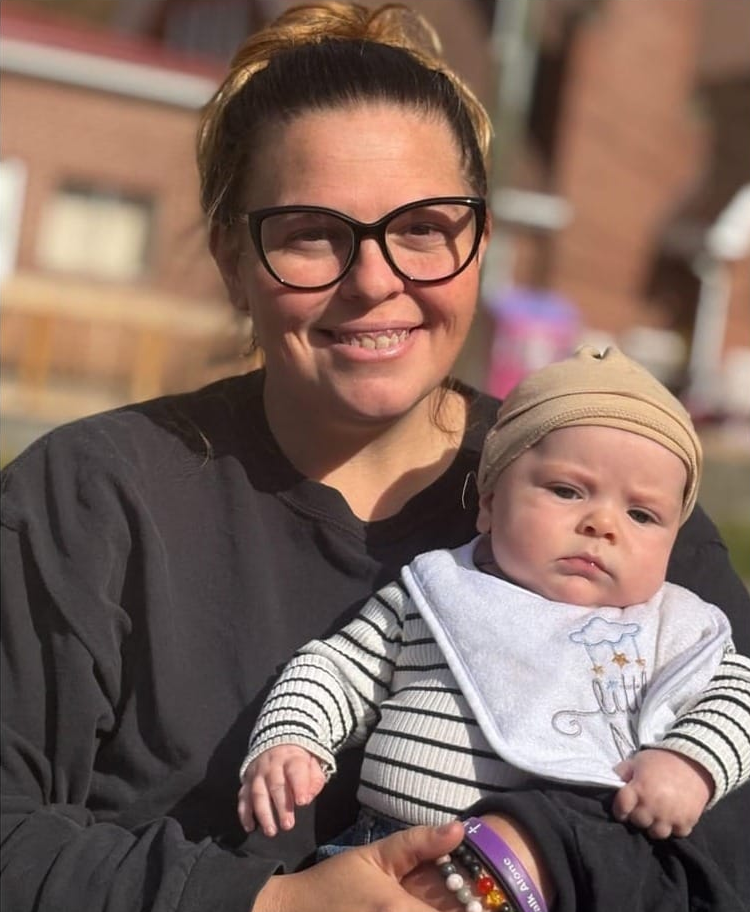
A poignant example of the immediate and profound impact of GMI comes from Stacy D., a recipient in West Virginia participating in one of the RGMII-funded programs. Stacy, a mother of five who had recently stopped working due to a high-risk pregnancy and subsequently faced a broken-down vehicle—her family’s only transport—eloquently described her predicament: "I have nobody up here [to ask for help]… So, if me and my husband don’t figure it out, it don’t get figured out." She explained how the GMI support would enable her to repair her car, access essential services like grocery shopping and medical appointments for her baby, and alleviate the immense stress of daily survival. Her testimony underscores the critical role GMI plays in providing a safety net for families facing unforeseen challenges, restoring dignity, and offering a pathway out of immediate crisis.
Understanding Guaranteed Minimum Income: A Historical and Evidential Perspective
The concept of providing a basic income to citizens is not new; its roots can be traced back centuries. Sir Thomas More’s Utopia (1516) envisioned a society where everyone had what they needed. In the 20th century, prominent figures like Martin Luther King Jr. advocated for a guaranteed income, proposing it as a solution to poverty and racial inequality. Even President Richard Nixon, in the late 1960s, proposed the Family Assistance Plan, a form of guaranteed income that passed the House of Representatives but ultimately stalled in the Senate. These historical attempts highlight a long-standing recognition of the need for a fundamental economic safety net.

In recent decades, interest in basic income programs, both universal and guaranteed, has surged, fueled by concerns over automation, income inequality, and persistent poverty. Numerous pilot programs globally and within the United States have offered crucial insights into their effectiveness. For instance, the Stockton Economic Empowerment Demonstration (SEED) in California, launched in 2019, provided $500 a month to 125 residents for two years. The results were compelling: recipients experienced improved financial stability, reduced income volatility, enhanced mental health, and were more likely to secure full-time employment. Critically, there was no significant reduction in work hours among recipients, directly refuting a common concern that basic income disincentivizes work. Similarly, programs in Jackson, Mississippi, and various international studies have consistently shown that direct cash transfers lead to better health outcomes, increased educational attainment, reduced crime rates, and stimulated local economies. Recipients often use the funds for essential needs such as food, rent, utilities, and healthcare, demonstrating responsible financial stewardship. The data overwhelmingly suggests that providing a predictable income floor offers individuals the stability needed to invest in their futures and escape the cycle of poverty.
Targeting the Overlooked: The Rural GMI Initiative (RGMII)
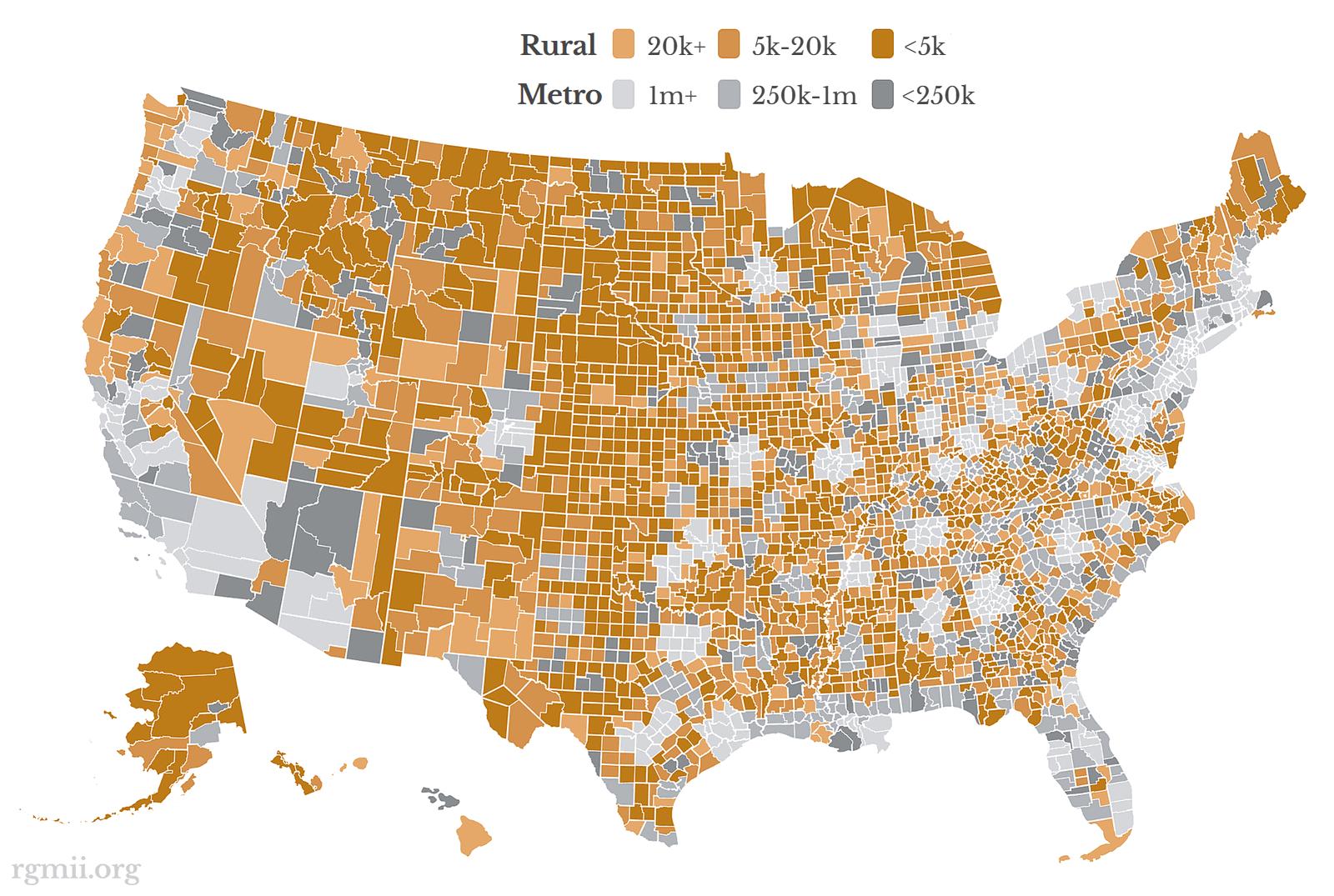
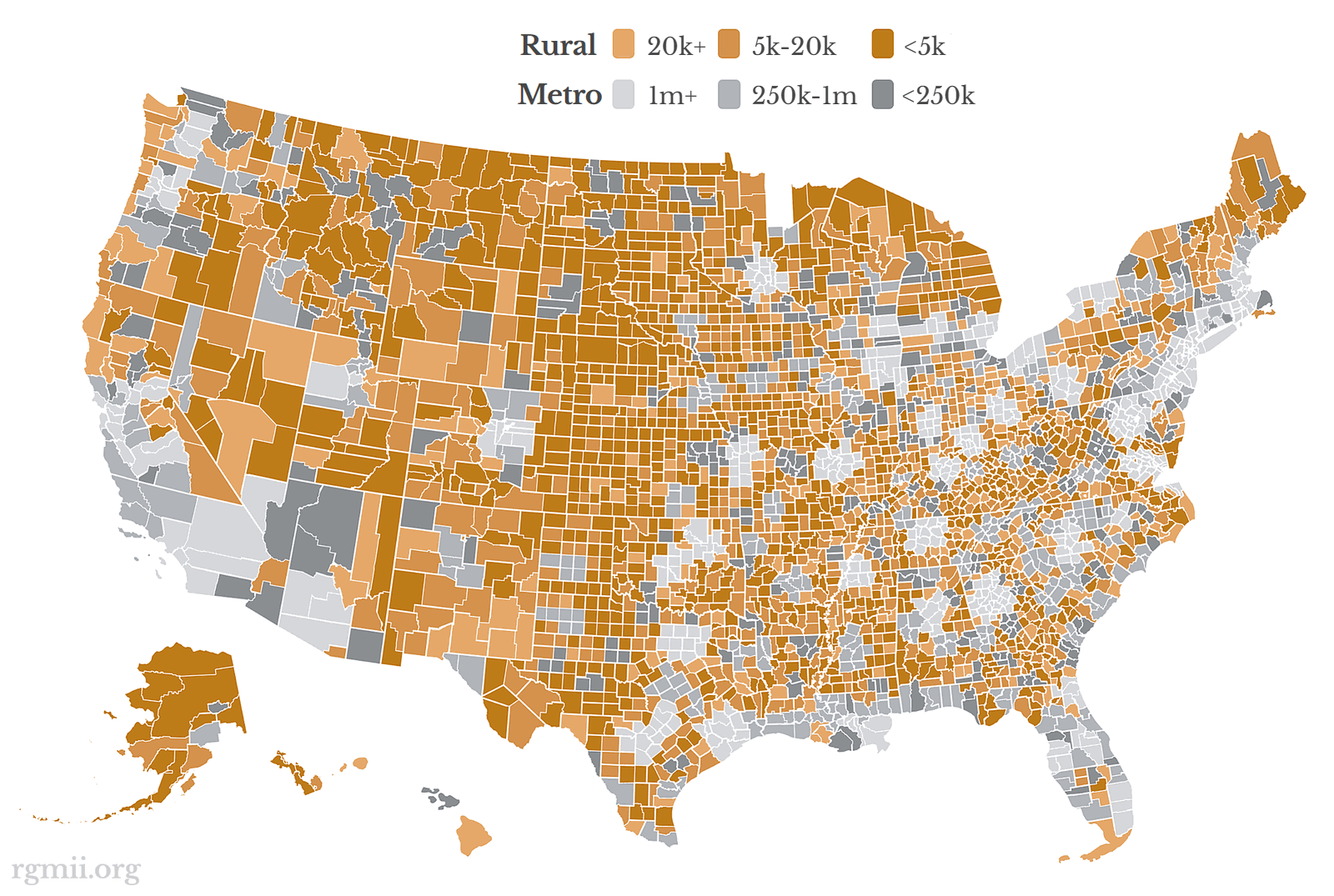
Atwood’s Rural Guaranteed Minimum Income Initiative (RGMII) strategically focuses on rural counties, a choice informed by several critical factors. Rural America, often overlooked in national policy discussions and philanthropic endeavors, disproportionately suffers from higher rates of poverty compared to urban and suburban areas. According to the U.S. Department of Agriculture, poverty rates in non-metro areas have historically been higher than in metropolitan areas, with rural communities facing challenges such as limited access to healthcare, education, and economic opportunities, alongside declining industries and outward migration of younger populations.

The decision to target rural counties is also pragmatic. In these areas, the purchasing power of a dollar stretches further, meaning that a given investment can have a more substantial impact on individual and community well-being. Furthermore, the smaller population sizes in many rural counties facilitate tighter, more controlled studies, allowing RGMII to gather robust data on the effectiveness of GMI interventions. This data is crucial for advocating for broader policy changes and demonstrating the efficacy of direct cash transfers.
Atwood’s personal connection to rural America further underpins this focus. Having grown up in a rural setting, he understands the unique challenges and untapped potential within these communities. He views rural residents not just as recipients of aid but as individuals with "incredible untapped talent" who, given the right support, can thrive.
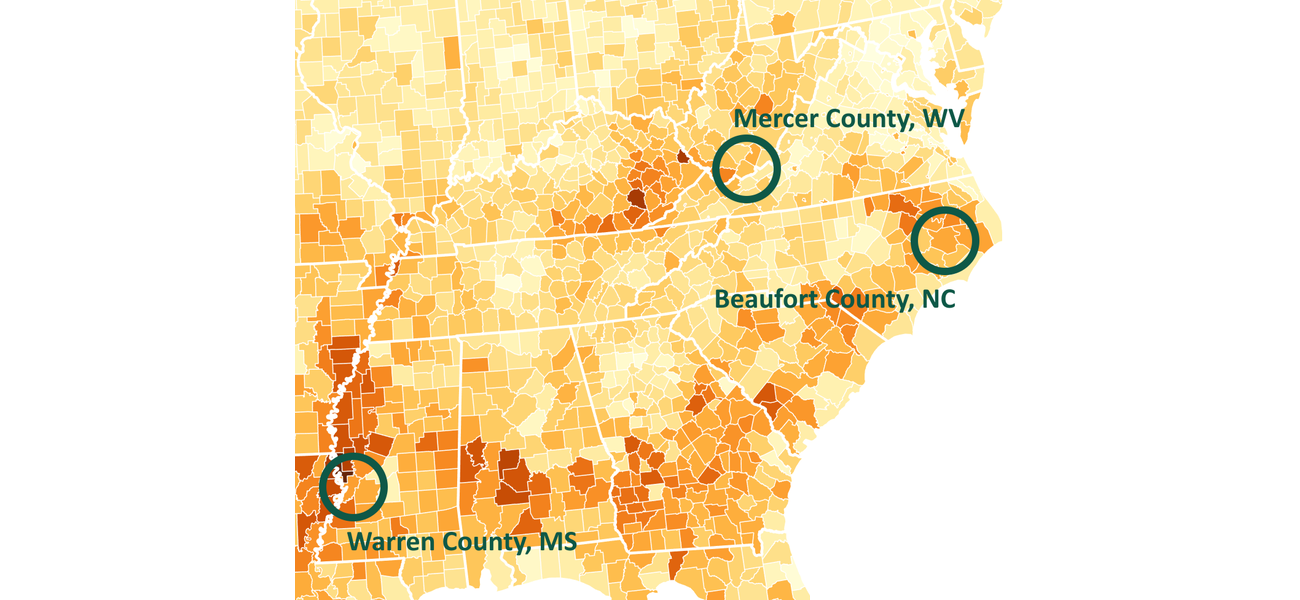
The RGMII has already launched three pioneering county-level programs. These initiatives are underway in Mercer County, West Virginia; Beaufort County, North Carolina; and Warren County, Mississippi. These counties represent diverse geographical and socio-economic landscapes within rural America, offering valuable insights into the adaptability and effectiveness of GMI across different contexts. In each of these pilot programs, RGMII aims to lift thousands of individuals out of poverty over a 16-month period, providing a stable income stream that enables them to meet basic needs and pursue opportunities for long-term self-sufficiency. The progress and outcomes of these initial studies will be meticulously documented and shared with the world, contributing to the global understanding of GMI’s potential.
Operationalizing the Initiative: Data, Transparency, and Expansion
The RGMII operates on principles of transparency and data-driven impact. The initiative is committed to rigorously collecting and openly sharing data and results from its county-level programs. This commitment to "doing science" means that the RGMII will contribute to the broader academic and policy discourse on poverty alleviation, providing empirical evidence to support or refine the understanding of GMI’s effects. Such open data is vital for policymakers, researchers, and other philanthropic organizations to evaluate the model and consider its replication.
Atwood’s stated approach to scaling, to "go that way, really fast," underscores an ambition to rapidly expand the initiative’s reach. While the initial three counties are a significant start, the long-term vision for RGMII is to establish GMI studies in all 50 states over time. This ambitious goal reflects a belief in the universal applicability of direct cash transfers as a poverty reduction tool and a desire to demonstrate its efficacy across the diverse socio-economic landscapes of the United States.
To achieve this expansive vision, RGMII is actively seeking collaboration and additional funding partners. The initiative extends an open invitation to "everyone… to help," whether by sharing study results, educating others about the history and mechanics of GMI, engaging with political representatives, or simply spreading awareness. For individuals or organizations "to whom much is given," RGMII offers a direct pathway to sponsor county-scale GMI studies, thereby accelerating the expansion of the initiative and contributing to the goal of reaching all 50 states. This collaborative model aims to amplify the impact of individual contributions and build a broad coalition dedicated to advancing the concept of direct cash transfer.
Broader Implications and Future Outlook
Jeff Atwood’s commitment to the Rural Guaranteed Minimum Income Initiative carries significant implications for poverty reduction, philanthropic models, and national policy discussions. By focusing on rural counties, RGMII addresses a critical gap in social welfare efforts, potentially revitalizing communities often left behind by economic progress. The success of these pilot programs could serve as a powerful model for other states and federal agencies, demonstrating a cost-effective and empowering approach to poverty alleviation.
This initiative also represents a notable evolution in high-impact philanthropy. Rather than establishing a traditional "Atwood Foundation," the explicit goal is to "advance the concept of direct cash transfer." This strategic focus on a specific, evidence-backed intervention distinguishes RGMII from broader charitable giving, aligning it more closely with the principles of effective altruism. It emphasizes that simply giving money to those most in need, while seemingly radical, is supported by a growing body of data as an incredibly effective means of providing dignity, fostering stability, and unlocking human potential.
For Atwood, this endeavor is deeply personal and represents his "third and final startup," signaling a profound, long-term commitment that transcends his previous entrepreneurial ventures. He describes it as a "lifetime of work," driven by the conviction that the "path of love is the only survivable path." This moral imperative suggests that the ultimate value of wealth lies not in accumulation but in its capacity to foster shared prosperity and rebuild a more equitable American Dream.
The RGMII’s efforts to gather and disseminate robust data will be crucial in shaping public opinion and informing policy debates. As more evidence emerges about the positive impacts of GMI on health, education, employment, and overall well-being, it could influence discussions around federal social safety nets, potentially leading to the integration of GMI principles into broader governmental programs. By tackling the systemic issues that prevent millions of Americans from achieving basic financial security, the initiative seeks to prove that "dreams, like happiness, are only real when shared." The RGMII stands as a bold testament to the belief that direct investment in people can unlock a more stable and prosperous future for all Americans, beginning with those in the nation’s most overlooked rural corners.
About the Author