The digital landscape is undergoing a profound transformation, driven by innovations that promise to redefine how we conduct transactions, manage data, and interact with the online world. Among these, blockchain technology stands out as a cornerstone of this revolution, offering a decentralized, secure, and transparent framework for a myriad of applications beyond its initial association with cryptocurrencies. This comprehensive exploration delves into the genesis of blockchain, its intricate workings, its diverse applications, and its far-reaching implications for various industries and society at large.
The Genesis of a Decentralized Revolution: From Cryptography to Digital Ledgers
The conceptual seeds of blockchain technology were sown long before the advent of Bitcoin. In 1991, mathematicians Stuart Haber and W. Scot Stornetta published a paper outlining a system designed to secure digital documents by ensuring that their timestamps could not be tampered with. Their work laid the groundwork for a cryptographically secured chain of blocks, a fundamental principle that would later underpin blockchain.
Years later, in 1998, software developer Nick Szabo conceptualized "Bit Gold," a precursor to digital currencies that proposed a similar distributed ledger system. While Szabo’s innovation did not gain widespread adoption at the time, it foreshadowed the potential for decentralized digital payment systems.
The true public awakening to blockchain’s potential arrived with the pseudonymous Satoshi Nakamoto’s white paper in 2008, "Bitcoin: A Peer-to-Peer Electronic Cash System." Nakamoto’s groundbreaking work integrated cryptographic principles with a distributed ledger to create Bitcoin, the first decentralized cryptocurrency. This marked a pivotal moment, demonstrating a practical and scalable implementation of blockchain technology that captured global attention. The subsequent launch of the Bitcoin network in 2009 ushered in the era of cryptocurrencies and, by extension, the widespread awareness of the underlying blockchain technology.
Unpacking the Blockchain: A Distributed Ledger Explained
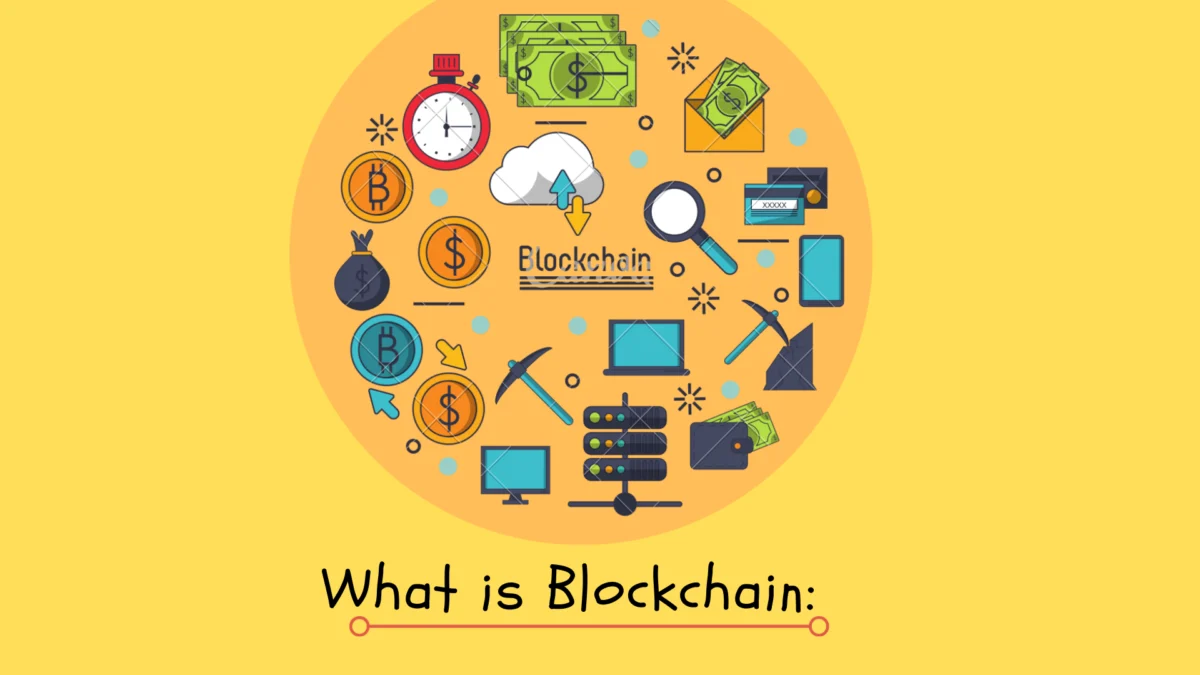
At its core, a blockchain is a distributed, immutable ledger that records transactions across a network of computers. Unlike traditional databases, which are typically centralized and controlled by a single entity, a blockchain’s data is shared and synchronized across numerous nodes (computers) participating in the network. This distributed nature is a key differentiator, enhancing security and resilience.
Each "block" in the chain contains a batch of validated transactions, a timestamp, and a cryptographic hash of the preceding block. This hash acts as a unique digital fingerprint, linking each block securely to the one before it. If any data within a block is altered, its hash would change, immediately invalidating the subsequent block and alerting the network to the attempted manipulation. This interconnectedness creates a transparent and tamper-evident record.
The process of adding new transactions to the blockchain generally involves several steps:
- Transaction Initiation: A user initiates a transaction, which is then broadcast to the network.
- Verification: A network of participants, often referred to as miners or validators, verifies the transaction’s legitimacy using predefined consensus mechanisms.
- Block Creation: Verified transactions are bundled together into a new block.
- Chaining: This new block is then cryptographically linked to the previous block in the chain.
- Distribution: The updated blockchain is distributed across all nodes in the network, ensuring that everyone has an identical and up-to-date copy of the ledger.
This intricate process, while conceptually complex, is executed with remarkable speed by modern computing power, often within minutes. The rapid advancements in technology suggest that these processes will become even more efficient in the near future.
Beyond Cryptocurrencies: The Expanding Universe of Blockchain Applications
While blockchain technology gained initial prominence as the backbone of cryptocurrencies like Bitcoin and Ethereum, its utility extends far beyond digital currency. The inherent security, transparency, and immutability of blockchain make it an attractive solution for a wide range of industries and applications.
Enhancing Supply Chain Transparency and Efficiency
One of the most impactful real-world applications of blockchain is in supply chain management. Companies are leveraging this technology to create auditable and transparent records of a product’s journey from its origin to the consumer. For instance, IBM’s Food Trust platform utilizes blockchain to track food items, providing consumers and stakeholders with detailed information about provenance, handling, and safety.
This level of traceability is crucial in industries where product integrity and safety are paramount. In the wake of foodborne illness outbreaks caused by contaminants like E. coli or Salmonella, or accidental introductions of allergens, rapid identification of the source is critical. Blockchain technology significantly reduces the time and effort required to trace contaminated products, allowing for faster recalls and preventing further spread of illness. Major corporations like Walmart, AIG, Siemens, Pfizer, and Unilever are actively exploring or implementing blockchain solutions in their operations.
Revolutionizing Financial Services
The financial sector is a natural fit for blockchain technology. Beyond facilitating cryptocurrencies, blockchain can streamline cross-border payments, reduce transaction fees, and enhance the security of financial record-keeping. Decentralized Finance (DeFi) platforms, built on blockchain, are emerging to offer alternatives to traditional banking services, including lending, borrowing, and trading, without intermediaries.
Securing Digital Identities and Data Management
Blockchain’s ability to create secure, verifiable digital identities holds immense potential. Individuals could control their personal data, granting access to specific entities for limited periods, thereby mitigating the risks associated with centralized data breaches. This could transform how we manage online profiles, consent to data usage, and interact with digital services.
Empowering Healthcare Systems
In healthcare, blockchain can be used to securely store and share patient records, ensuring data integrity and patient privacy. It can also facilitate drug traceability, combatting counterfeit medications and improving the transparency of pharmaceutical supply chains. Clinical trial data can also be managed on a blockchain, enhancing its reliability and auditability.
Other Emerging Applications
The versatility of blockchain is continually being explored. It is being investigated for applications in:
- Voting Systems: Creating secure and transparent electronic voting platforms.
- Intellectual Property Management: Protecting copyrights and tracking the usage of creative works.
- Real Estate: Streamlining property transactions and record-keeping.
- Energy Trading: Enabling peer-to-peer energy markets.
The Power of Decentralization: Building Trust in a Distributed Network
A defining characteristic of blockchain technology is its decentralization. Instead of relying on a single point of authority, such as a bank or a government, blockchain distributes data across a network of interconnected computers. This distributed architecture offers several significant advantages:
Enhanced Security and Resilience
In a centralized system, a single point of failure can compromise the entire network. If a server is hacked or experiences an outage, all associated data can be lost or corrupted. Blockchain’s decentralized nature mitigates this risk. Information is replicated across numerous nodes. If one node is compromised or goes offline, the network continues to function, and the integrity of the data is maintained by the remaining nodes. This redundancy makes blockchain systems highly resilient to attacks and failures.
Immutability and Transparency
Once data is added to a blockchain and validated by the network, it becomes virtually impossible to alter or delete. This immutability ensures the integrity and authenticity of records, fostering trust among participants. Furthermore, in public blockchains, transactions are often transparent, allowing anyone to view the ledger, though the identities of the participants may be pseudonymous. This transparency can deter fraudulent activities and promote accountability.
Reduced Reliance on Intermediaries
Decentralization inherently reduces the need for trusted third parties to facilitate transactions or verify information. This can lead to lower transaction costs, faster processing times, and greater user autonomy. For example, in financial transactions, intermediaries like banks often add layers of fees and delays. Blockchain-based systems can bypass these intermediaries, offering a more direct and efficient exchange.
Navigating the Landscape: Advantages and Disadvantages of Blockchain Technology
Like any transformative technology, blockchain presents a spectrum of benefits and challenges.
Advantages:
- Enhanced Security: Cryptographic principles and decentralization make blockchain highly secure and resistant to tampering.
- Transparency: Public blockchains offer a transparent record of transactions, fostering trust and accountability.
- Immutability: Once recorded, data on a blockchain cannot be altered or deleted, ensuring data integrity.
- Efficiency: By removing intermediaries, blockchain can speed up transactions and reduce costs.
- Decentralization: Reduces reliance on single points of failure and central authorities.
- Traceability: Enables detailed tracking of assets and data across supply chains and other networks.
Disadvantages:
- Scalability Limitations: Some blockchain networks, particularly early ones like Bitcoin, face challenges in processing a high volume of transactions quickly.
- Energy Consumption: Proof-of-Work consensus mechanisms, used by some blockchains, can be energy-intensive. However, newer consensus mechanisms like Proof-of-Stake are significantly more energy-efficient.
- Complexity: Understanding and implementing blockchain technology can be complex, requiring specialized expertise.
- Regulatory Uncertainty: The regulatory landscape for blockchain and cryptocurrencies is still evolving in many jurisdictions, creating a degree of uncertainty.
- Irreversibility of Errors: While immutability is an advantage, it also means that errors entered onto the blockchain are difficult to correct.
Frequently Asked Questions About Blockchain
As blockchain technology gains wider adoption, common questions arise regarding its nature, relationship with cryptocurrencies, and security.
Is Blockchain a Cryptocurrency?
No, blockchain is not a cryptocurrency. It is the underlying technology that enables cryptocurrencies to function. Think of blockchain as the operating system, and cryptocurrencies as applications that run on that system. It’s a distributed ledger that securely records every transaction.
Is it Possible for Blockchain to be Hacked?
While blockchain is exceptionally secure due to its decentralized and cryptographic nature, it is theoretically not impossible to hack. However, achieving a successful hack on a widely adopted blockchain network would require an immense amount of computational power and coordination, making it practically infeasible for most malicious actors. The continuous oversight by a distributed network of users serves as a powerful deterrent.
What is the Most Prominent Blockchain Company?
Defining the "most prominent" blockchain company can be subjective, as prominence can be measured by market capitalization, technological innovation, or adoption rate. However, companies like Coinbase Global are significant players, offering robust infrastructure, services, and technology for the digital currency economy. Other major technology companies like IBM and Microsoft are also heavily involved in developing and implementing blockchain solutions.
Who Owns Blockchain?
Blockchain, as a decentralized technology, is not owned by any single entity. It is a distributed ledger connected by nodes, where each node can be any electronic device. The ownership and control are distributed among the network participants, embodying its core principle of decentralization.
What is the Difference Between Bitcoin and Blockchain Technology?
Bitcoin is a cryptocurrency that was created using blockchain technology. Blockchain is the foundational distributed ledger system that records all Bitcoin transactions. Therefore, Bitcoin is an application of blockchain, not the technology itself.
What is the Difference Between Blockchain and a Database?
While both blockchain and traditional databases store information, their fundamental architectures and functionalities differ significantly. A traditional database is typically centralized, stored on a server, and can be easily modified or deleted by authorized administrators. Databases often employ a client-server network architecture. In contrast, a blockchain is a distributed ledger, where data is replicated across multiple nodes. Each block is cryptographically linked to the previous one, and modification of data is extremely difficult due to the consensus mechanisms and the distributed nature of the ledger. This inherent design of blockchain allows for decentralized control and eliminates the risks of data modification by other parties.
The Road Ahead: Blockchain’s Enduring Impact
Blockchain technology stands at the precipice of widespread integration across numerous industries. Over the next five to ten years, its transformative potential is expected to be realized in sectors ranging from finance and healthcare to logistics and governance. As familiarity and understanding of blockchain grow, its adoption will likely accelerate, empowering businesses and individuals with more secure, transparent, and efficient ways to manage data and conduct transactions. The initial hesitations are gradually giving way to an understanding of its profound benefits, positioning blockchain as a key enabler of the next wave of digital innovation.
About the Author