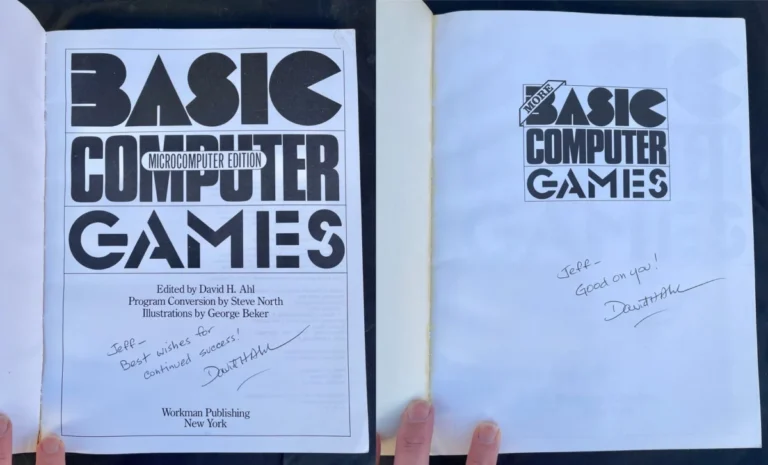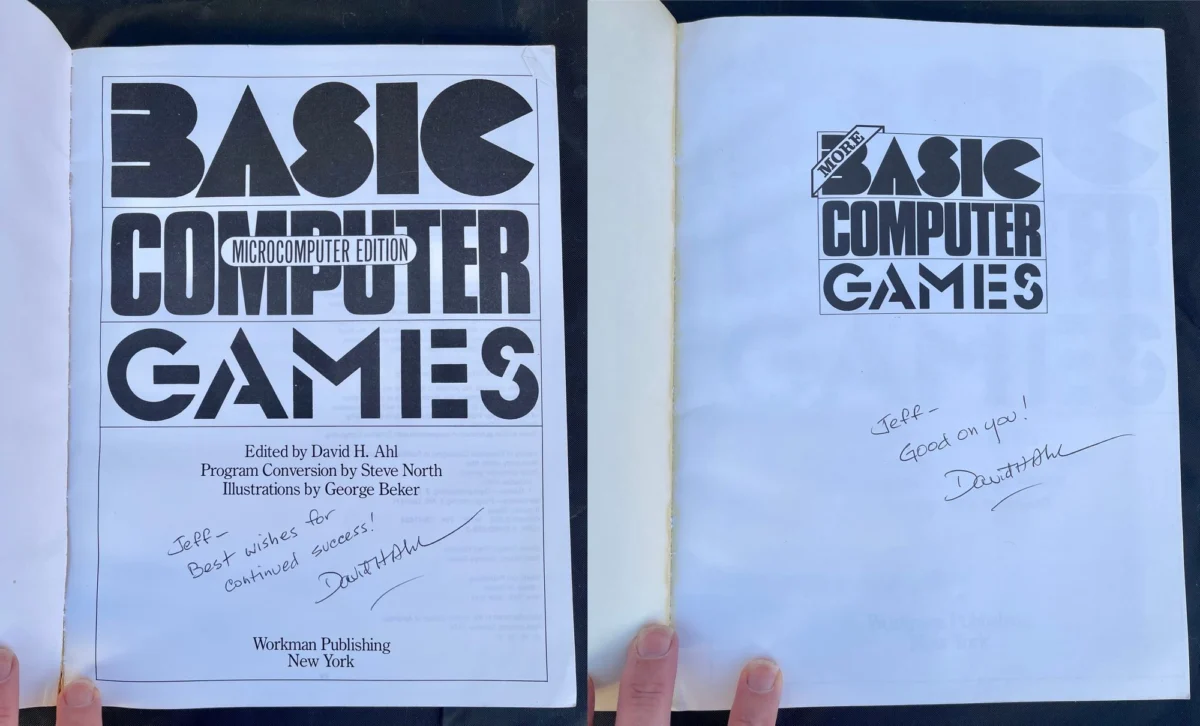
Jeff Atwood, creator of the widely acclaimed Coding Horror blog, has initiated a significant open-source project to meticulously modernize David H. Ahl’s seminal 1978 anthology, "101 BASIC Computer Games." This ambitious undertaking, hosted on GitHub, seeks to port the foundational programs that inspired an entire generation of computing enthusiasts into ten contemporary, memory-safe scripting languages. The initiative aims not only to preserve these "precious artifacts of early computing" but also to reintroduce them to a new generation of programmers, ensuring their educational and historical relevance while simultaneously supporting diversity in technology through donations to Girls Who Code.
The Genesis of a Modernization Effort
This project stems from a deeply personal connection for Atwood, who credits books like Ahl’s with profoundly shaping his professional career. He vividly recalls a computing landscape vastly different from today’s intuitive, graphical user interfaces. Early personal computers, particularly in the late 1970s and early 1980s, offered no "fancy schmancy desktop" or touch-screen applications. Instead, users were greeted by a stark, blinking cursor on a command-line interface. For many, the only way to make these nascent machines perform a task, beyond the most basic arithmetic, was to manually type in programs line by line from printed books. Cassette tape drives, while available, were often expensive add-ons, placing the burden of software creation directly on the user’s fingertips, transforming hours of meticulous typing into the primary interaction with the machine. This era predates the widespread availability of floppy disk drives, let alone internet downloads, making physical code transcription a commonplace and often frustrating activity.
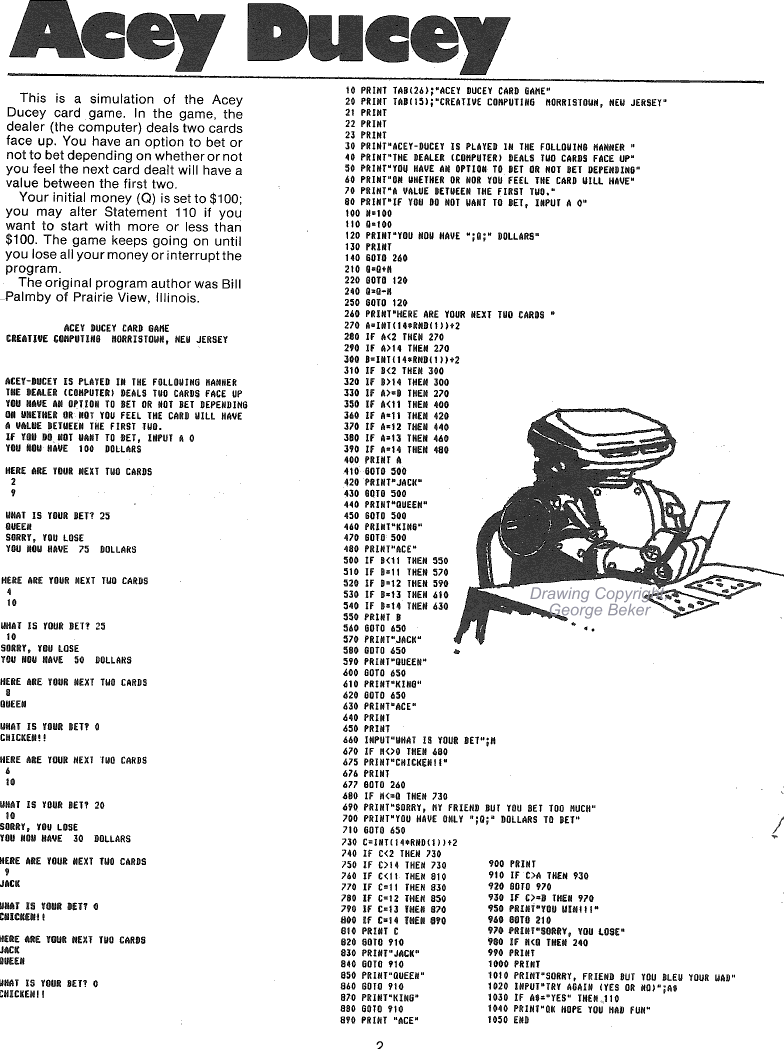
David H. Ahl’s "101 BASIC Computer Games" emerged from this landscape, a compilation of programming treasures originally featured in his groundbreaking Creative Computing Magazine. Launched in 1974, Creative Computing was itself a testament to Ahl’s entrepreneurial spirit and unwavering belief in the potential of personal computers. After leaving Digital Equipment Corporation (DEC), where he had already published an earlier, slightly different version of the games anthology in 1973, Ahl poured his "sweat equity" into the magazine. He edited articles, wrote content, handled typesetting, took photographs, and even manually laid out pages. Facing a modest initial subscriber base of just 600, Ahl famously took a calculated risk, printing 8,000 copies of the first issue by dividing his limited capital in half. He personally transported bundles of magazines, filling his basement and garage, then spent weeks hand-labeling and mailing unsolicited copies to libraries and schools across the nation. This act of sheer determination was critical in disseminating the idea of personal computing and programming before widespread hardware availability, cultivating a nascent community of enthusiasts.

A Look Back: The Enduring Legacy of "101 BASIC Computer Games"
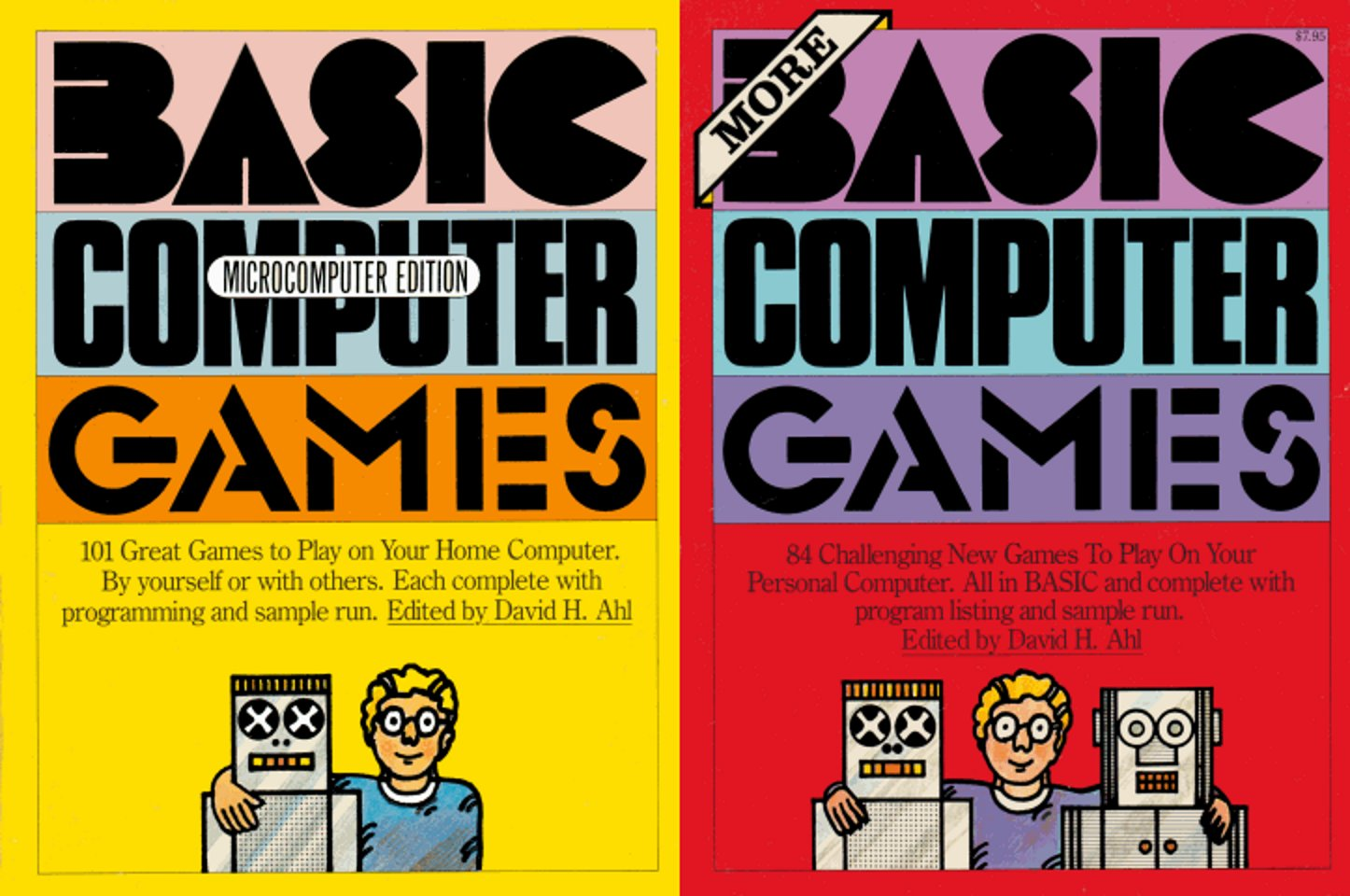
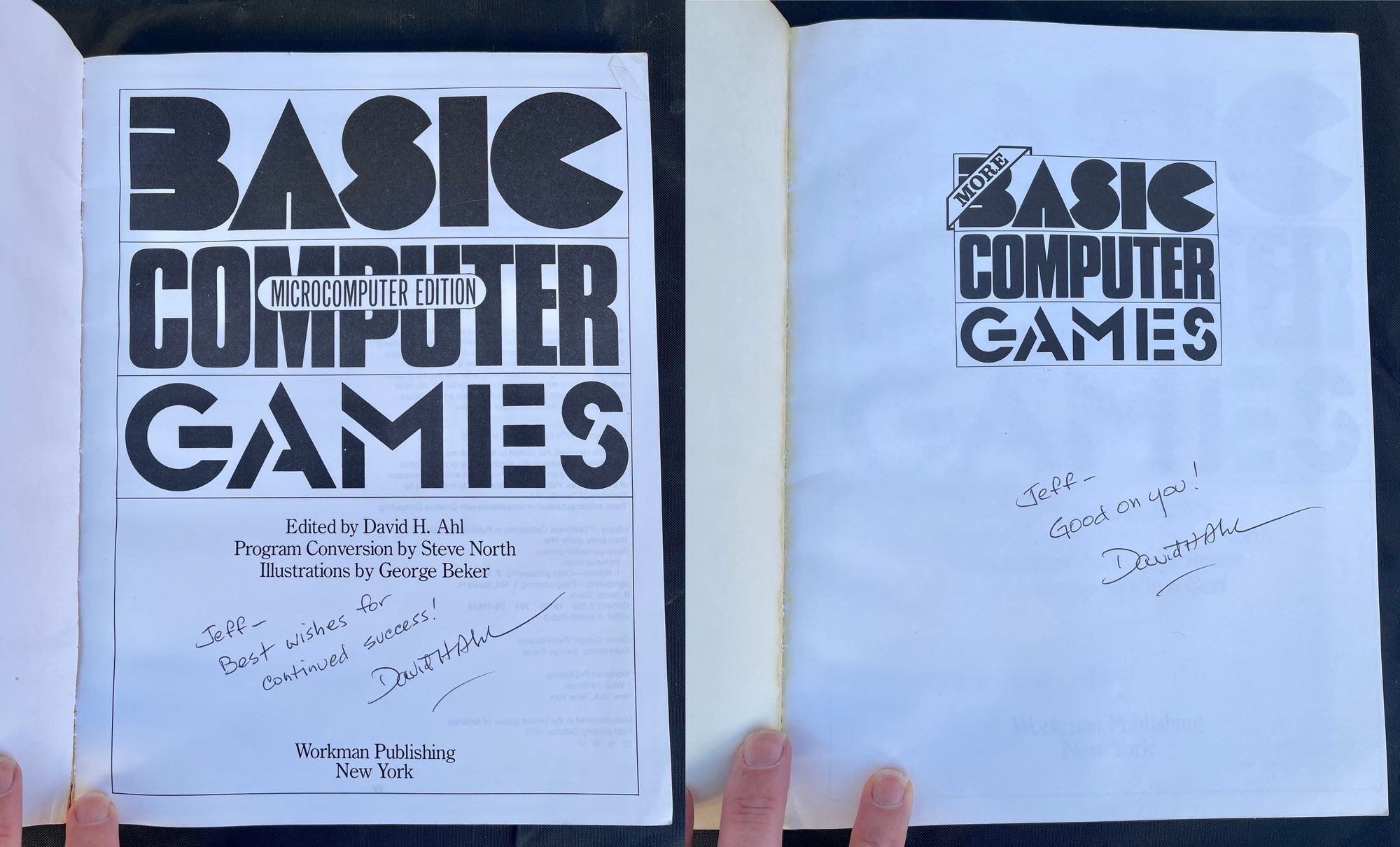
The impact of Ahl’s work cannot be overstated. "101 BASIC Computer Games" quickly transcended its humble origins to become a cultural phenomenon. Published initially by DEC in 1973 and later expanded and updated by Ahl through Creative Computing (with versions appearing through the early 1980s), the book achieved unprecedented sales figures. It was famously reported that at one point, more copies of this book were in print than there were personal computers available worldwide. This astonishing statistic underscores its role as a foundational text, a promise of what computing could be, even for those who hadn’t yet acquired a machine. The book went on to become the first computer book to sell over a million copies, cementing its status as a cornerstone of early computing literature and a powerful driver of computer literacy. Its popularity was fueled by the burgeoning interest in microcomputers, making it an indispensable companion for owners of early systems like the Apple II, Commodore PET, TRS-80, and later, the IBM PC.
For a generation, these pages were the gateway to understanding computational logic. The games, though primitive by today’s standards – ranging from simple numerical guessing games like "Guess the Number" to simulations such as "Civil War" and "Lunar Lander" – offered tangible, interactive results from lines of code. They demystified computing, transforming complex machines into tools for creative expression and entertainment. The book’s charm was further enhanced by the distinctive, whimsical illustrations of George Beker, whose artwork provided a visual identity that remains iconic for many early adopters. While the programs were designed for machines running the BASIC (Beginner’s All-purpose Symbolic Instruction Code) language, their underlying principles of conditional logic, loops, and input/output formed the bedrock of programming education. BASIC itself, developed in 1964 at Dartmouth College by John G. Kemeny and Thomas E. Kurtz, was specifically designed for simplicity and ease of use, making it the perfect entry point for non-technical users and students, thus playing a pivotal role in the democratization of computing and fostering a generation of digital pioneers.
The Imperative for Modernization: Bridging Decades of Code
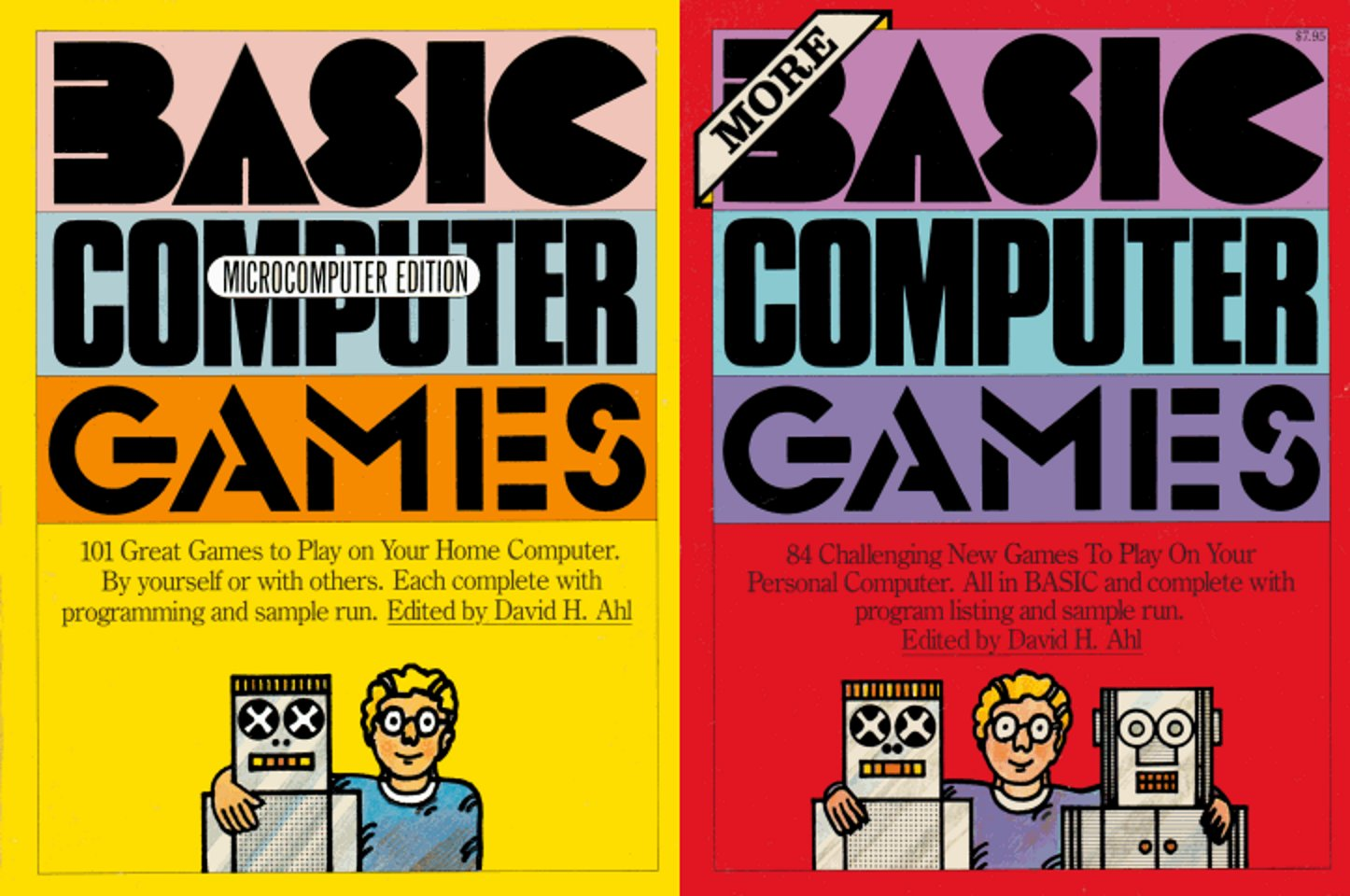
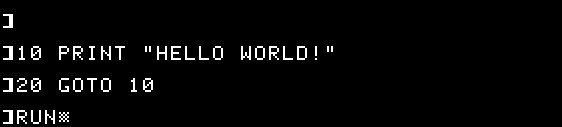
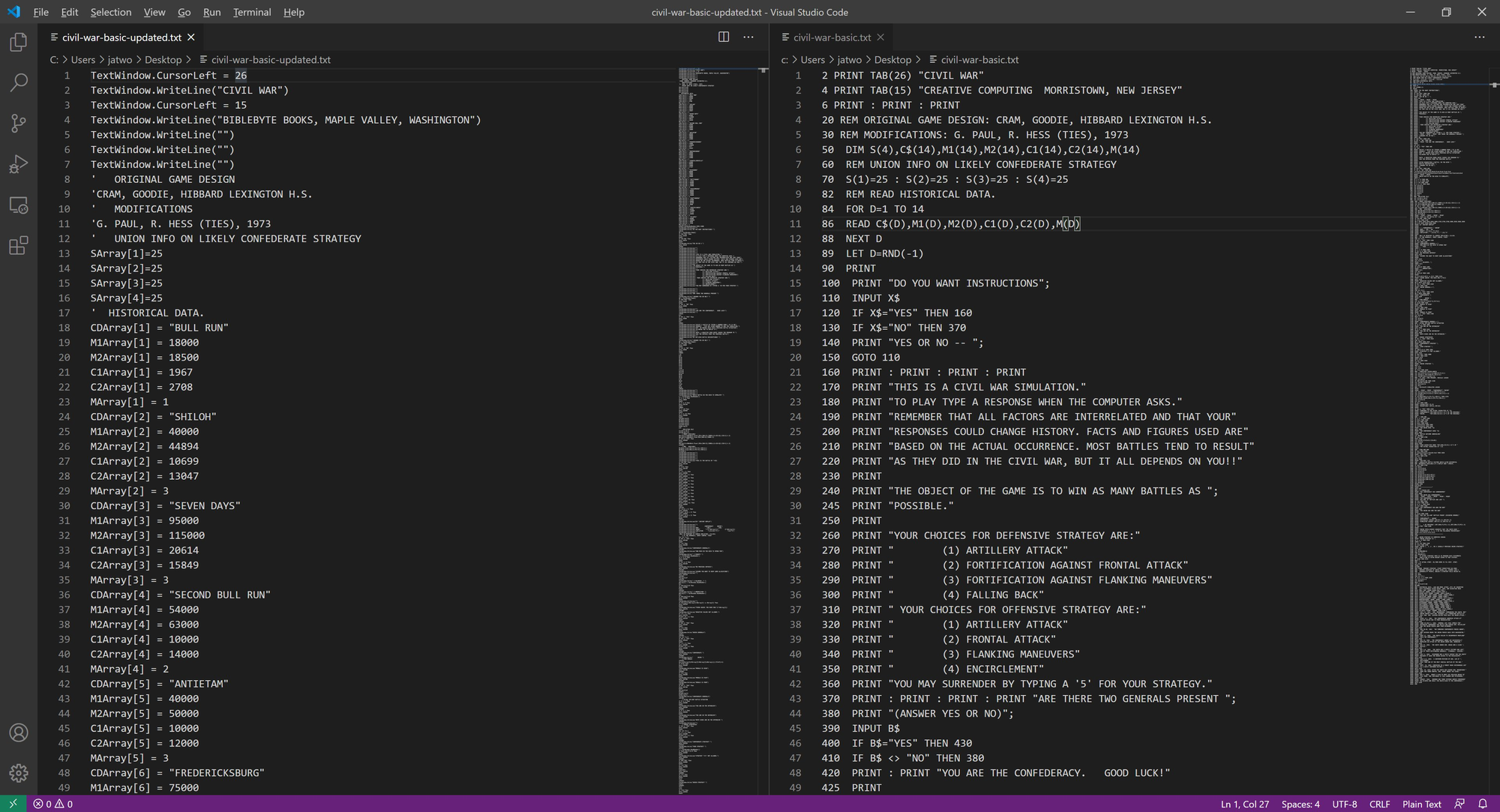
Despite its monumental legacy, the original BASIC code from the 1970s presents significant challenges for contemporary programmers. The syntax, heavily reliant on sequential line numbers and liberal use of GOTO statements, exemplified an unstructured programming style that has long been superseded by more robust and readable paradigms. This "spaghetti code" approach, while functional, makes programs difficult to maintain, debug, and understand as they grow in complexity. While some attempts have been made to update these programs – notably a 2010 effort to port them to SmallBasic – Atwood argues these revisions were often superficial. They frequently involved little more than removing line numbers, failing to introduce fundamental modern programming constructs like subroutines (or functions/methods in modern parlance), which Atwood describes as "merely the greatest invention in computer science" for their role in modularity, code reusability, and abstraction. The lack of these structures meant the SmallBasic ports, while runnable, did not genuinely reflect contemporary coding practices.
The new project aims for a more profound transformation, embracing the principles of structured programming and modern software engineering. This means not just syntactic translation but a conceptual refactoring to incorporate features like functions, classes (where appropriate for the language paradigm), and robust error handling, making the code both functional and exemplary of good practice. A critical criterion for the selected target languages is "memory safety," a feature increasingly vital in preventing common software vulnerabilities such as buffer overflows and null pointer dereferences, which can lead to security breaches and system instability. The chosen languages – Python, JavaScript, Ruby, C#, Go, Swift, PHP, TypeScript, Kotlin, Rust, and Lua – represent a diverse cross-section of today’s most popular and versatile programming environments. Python and JavaScript dominate web development, data science, and AI; Ruby is known for its elegant syntax and Rails framework; C# for enterprise applications and game development (Unity); Go for high-performance systems; Swift for iOS development; PHP for server-side scripting; TypeScript for scalable JavaScript development; Kotlin for Android and general-purpose use; Rust for systems programming with strong safety guarantees; and Lua for scripting and game development. Each offers a modern, high-level approach that aligns with the project’s goals of accessibility, best practices, and broad applicability, providing a stark contrast to the original, often monolithic, BASIC programs.
The Project’s Scope and Collaborative Vision
The modernization effort gained significant momentum after Jeff Atwood secured explicit permission from David H. Ahl himself, a crucial step that honors the intellectual property and historical significance of the original work. Ahl’s endorsement lends considerable weight to the project, bridging the gap between computing’s pioneering era and its collaborative present. The initiative is structured as a truly open-source endeavor, hosted on GitHub, inviting programmers globally to contribute. This collaborative model stands in stark contrast to the solitary experience of typing code from a book in the 1980s, transforming it into a shared, dynamic learning experience. Participants can now collectively identify errors, optimize code, and discuss implementations, reflecting the modern paradigm of software development.
The project outlines clear guidelines for contributions, emphasizing not just functional ports but also adherence to modern coding standards, readability, and the incorporation of structured programming principles. To further encourage participation and underscore a commitment to broader engagement in technology, Atwood has pledged a significant donation to Girls Who Code. For every functioning program submitted in each of the ten designated languages by the end of 2022, a $5 donation will be made to the non-profit organization dedicated to closing the gender gap in technology. This incentive could lead to a substantial contribution, potentially exceeding $5,000 if all 101 games are successfully ported across all ten languages, making a tangible impact on fostering future female technologists. This initiative also highlights a strategic alignment between preserving technological heritage and building a more inclusive future for the field. The project also actively seeks "project co-owners," individuals passionate about digital preservation and open-source collaboration, to help manage and organize this extensive effort, ensuring its long-term success and sustainability. This team-based approach reflects the evolution of software development from individual efforts to highly integrated, global collaborations.
Broader Implications: Education, Preservation, and the Future of Code
This ambitious undertaking carries multifaceted implications for the computing community, extending far beyond mere nostalgia. Firstly, its educational value is immense. For aspiring programmers, the project offers a unique opportunity to engage with historical code, understanding the fundamental algorithms and logic that predate complex frameworks and libraries. By refactoring these simple games into modern languages, participants can gain practical experience in code migration, understanding how to apply contemporary programming paradigms (like subroutines, functions, and modular design) to older, less structured codebases. This process serves as a practical lesson in software evolution, refactoring techniques, and the application of modern best practices, providing a hands-on understanding of how computing has progressed. Educators could also leverage this repository as a unique teaching tool, demonstrating core programming concepts through historical context.
Secondly, the project is a vital act of digital preservation. As technology rapidly advances, early software artifacts, which represent crucial milestones in computing history, risk being lost or rendered inaccessible due to obsolete hardware, operating systems, or programming languages. By translating these games into widely supported, memory-safe languages, the project ensures their longevity and playability on future platforms. It transforms them from static historical curiosities into living, interactive examples of computing’s past, complete with the original charm of George Beker’s artwork. This preservation effort is crucial for academic research, historical understanding, and inspiring future innovators by showcasing the foundations upon which modern computing was built. It allows future generations to experience a piece of computing history directly, fostering a deeper appreciation for the journey of technology.
Thirdly, it reinforces the power of open-source collaboration and community building. In an era where software development is increasingly collaborative, this project exemplifies how a shared passion can unite individuals across geographical boundaries. It fosters a sense of collective ownership over digital heritage and provides a platform for mentorship and learning, as experienced programmers guide newcomers through the process of refactoring and contributing. The social aspect, as Atwood notes, transforms the solitary act of coding into a global "typing party," a stark contrast to the isolation of early programming, creating a vibrant, interactive learning environment. This communal effort builds skills, strengthens networks, and contributes to the collective knowledge base of the developer community.
Finally, the explicit support for Girls Who Code highlights a crucial commitment to diversity and inclusion in the technology sector. By integrating philanthropic goals with technical achievement, the project sends a powerful message about the responsibility of the tech community to address systemic inequalities and encourage broader participation. It aligns the act of preserving computing history with the mission of shaping a more inclusive future for technology, encouraging girls and young women to explore programming and contribute to the next generation of innovations. This dual focus on heritage and future-building underscores a holistic vision for the computing field.
In essence, the "101 BASIC Computer Games" modernization project is more than just a code port; it is a bridge between computing’s past and its future. It honors the pioneers who made computing accessible, educates a new generation on foundational principles and modern practices, and champions a collaborative, inclusive vision for technological advancement. As a new year’s resolution for the global programming community, it stands as a testament to the enduring power of classic ideas revitalized for a new era, ensuring that the origins of personal computing continue to inspire.
About the Author