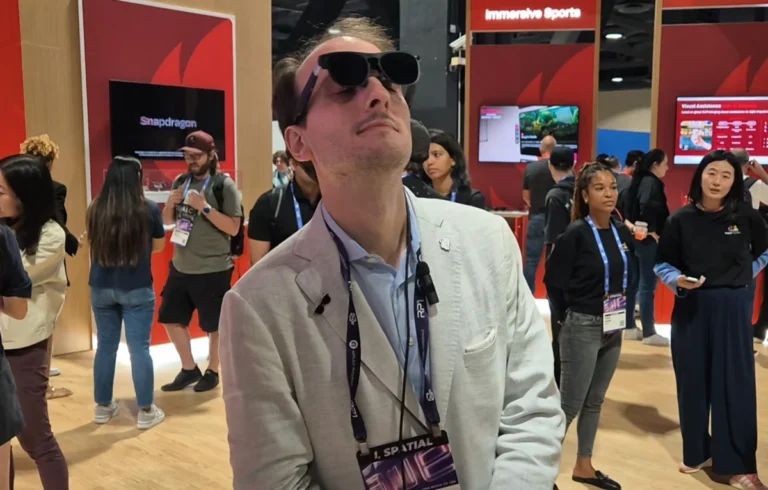
RayNeo, a specialized subsidiary of the global electronics conglomerate TCL, has officially expanded its wearable technology portfolio with the release of the RayNeo iO Smart Glasses. This new device represents a strategic pivot in the augmented reality (AR) and smart wearable market, prioritizing a "camera-free" design intended to address growing consumer concerns regarding digital privacy and social etiquette. By removing optical sensors, RayNeo aims to position the iO model as a discreet, all-day AI companion that integrates seamlessly into professional and social environments without the stigma often associated with head-mounted recording devices.

The launch follows a period of intense activity for RayNeo, which has previously released high-end AR hardware such as the RayNeo X3 Pro. While earlier models focused on high-fidelity displays and spatial computing, the iO Smart Glasses are designed for "glanceable" information and audio-based AI interaction. This puts the product in direct competition with emerging "minimalist" smart glasses, such as those from Even Realities, which prioritize lightweight frames and text-based overlays over immersive 3D graphics.

Technical Specifications and Hardware Architecture
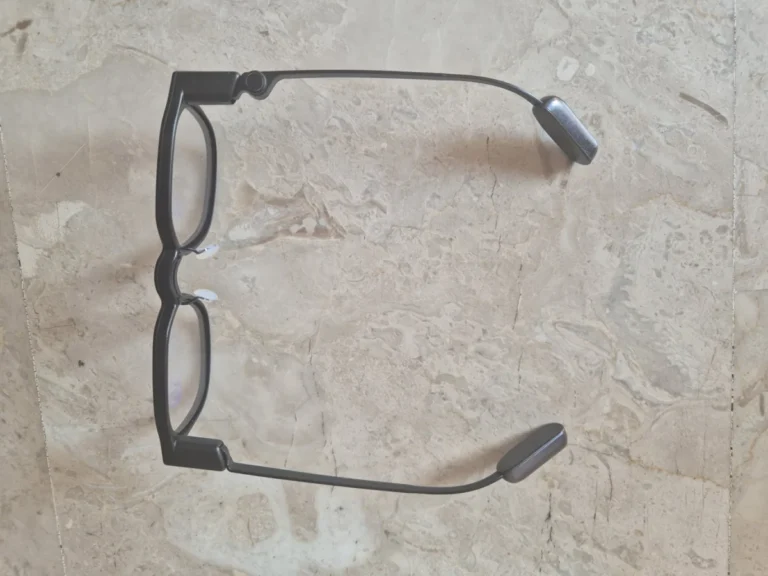
The RayNeo iO Smart Glasses are engineered for extreme portability, weighing approximately 33 grams. This weight profile is significantly lower than many competing AR headsets, which often exceed 70 or 80 grams, making the iO model comparable to traditional prescription eyewear. The device achieves this lightness by omitting heavy internal components like cameras and integrated speakers, focusing instead on a streamlined array of sensors and microphones.

At the core of the visual experience is a dual monochrome waveguide display. Despite the lack of full-color support, the display offers a peak brightness of 1,200 nits. This high luminosity is a critical technical requirement for outdoor visibility, allowing users to read notifications or prompts even in direct sunlight. The display provides a field of view (FOV) of approximately 23 degrees, which is sufficient for displaying several lines of text or simple icons.

Interaction with the glasses is handled through a multi-modal interface. The right temple features a rotating crown, a tactile control mechanism similar to those found on high-end smartwatches. This allows users to navigate menus and scroll through text without obscuring the lenses with their fingers. Additionally, the device supports voice commands and gesture-based "look-up" activation, where the display illuminates automatically when the user tilts their head upward.

A Chronology of RayNeo’s Market Evolution
The release of the iO Smart Glasses marks the latest chapter in RayNeo’s rapid development cycle.

- 2023 – Early 2024: RayNeo established its presence in the consumer AR market with the NXTWEAR series, primarily marketed as portable cinema screens for media consumption.
- Late 2024: The company introduced the X3 Pro, featuring full-color Micro-LED waveguides and integrated cameras, targeting early adopters and developers.
- 2025: RayNeo expanded into the audio-only segment, competing with the Ray-Ban Meta series by offering stylish frames with integrated speakers.
- Current Launch: The RayNeo iO identifies a "middle ground" in the market—offering the visual utility of a display without the privacy complications of a camera or the bulk of a multimedia headset.
This trajectory suggests that RayNeo is pursuing a "fragmented" product strategy, offering specialized hardware for different user needs rather than a single "one-size-fits-all" device.

Software Integration and AI Capabilities
The iO Smart Glasses rely heavily on the RayNeo AI companion app, which serves as the processing hub for the device’s smart features. By offloading complex computations to a connected smartphone via Bluetooth, the glasses maintain their slim profile and extended battery life.

The software suite includes several productivity-focused applications:

- AI Translation: Real-time transcription and translation of spoken dialogue, displayed as text overlays on the lenses.
- Teleprompter: A tool for public speakers or content creators that scrolls pre-loaded scripts within the user’s line of sight.
- Smart Cues: An experimental feature that uses the integrated microphones to detect environmental context—such as someone asking the user a question—and provides relevant information or reminders.
- Life Log: An audio-based journaling tool that utilizes AI to summarize conversations and daily events, creating a searchable record of the user’s day.
Early technical feedback on these features indicates a "hit-or-miss" performance in linguistically diverse or noisy environments. While English and Chinese translations have shown high accuracy, performance in other languages remains in the optimization phase.

Privacy and Ethical Considerations in Design
The decision to omit a camera is the primary selling point for the RayNeo iO, particularly for users who work in secure facilities or social settings where recording is prohibited. However, the inclusion of a "Life Log" feature, which requires the microphones to remain active for extended periods, introduces new privacy nuances.

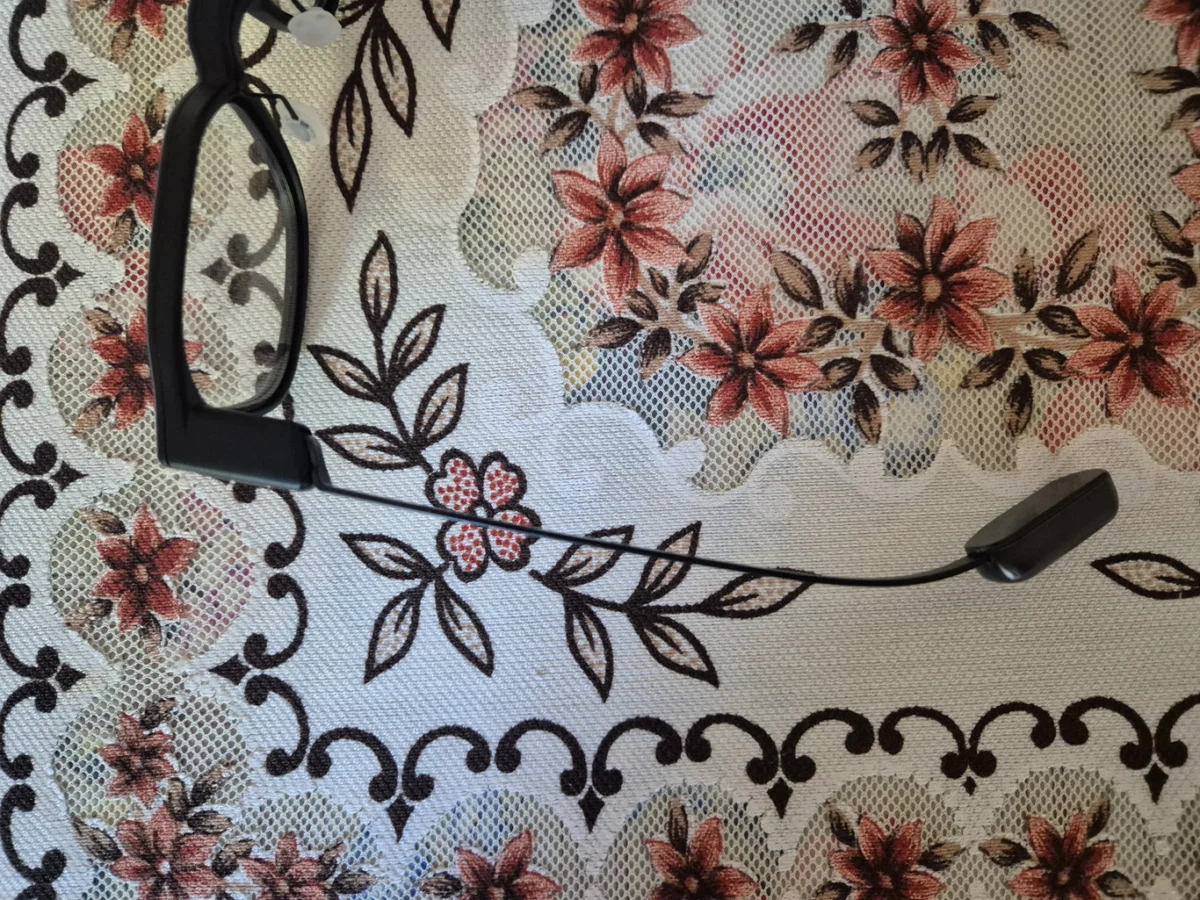
To mitigate these concerns, RayNeo has implemented a physical privacy LED located on the interior of the frame’s leg. This light activates whenever the microphones are recording or processing audio. While this provides a visual indicator for the user, critics have noted that the LED’s position near the ear makes it virtually invisible to third parties, potentially leading to situations where bystanders are unaware their audio is being processed by an AI model. RayNeo maintains that the device is fully compliant with international data protection standards, including GDPR, and that audio data is processed with high levels of encryption.

Market Analysis and Competitive Landscape
The RayNeo iO enters a market that is increasingly divided between "heavy" AR (Apple Vision Pro, Meta Quest 3) and "light" smart glasses (Meta Ray-Ban, Xreal). At a retail price of $499, the iO is positioned as a premium productivity tool.

Industry analysts suggest that the success of camera-free smart glasses will depend on the "utility-to-comfort ratio." While the 33-gram weight is a feat of engineering, early user reports suggest that ergonomic challenges remain. Specifically, the thick tips of the frame legs, designed to house batteries and maintain balance, can exert pressure on the skull during prolonged use. Furthermore, the high placement of the display—while keeping the central vision clear—can lead to eye strain if the user is required to look upward for extended periods to read long documents.

Broader Impact and Future Outlook
The launch of the RayNeo iO Smart Glasses signals a broader trend in the tech industry: the decoupling of "smart" features from "capture" features. For years, the industry assumed that smart glasses must include cameras to be useful. RayNeo is testing the hypothesis that a significant segment of the population wants the benefits of AI—such as instant translation and hands-free notifications—without the social and battery costs of a camera.

If successful, the iO model could pave the way for a new category of "enterprise-safe" wearables. These devices could find a home in medical settings, legal offices, and high-security manufacturing plants where visual recording is strictly forbidden but real-time data access is highly valued.

RayNeo has confirmed that the iO Smart Glasses are available for purchase globally starting today. The standard package is priced at $499, with a premium version featuring a specialized charging case available for $549. As the company continues to refine its AI algorithms via firmware updates, the industry will be watching closely to see if "audio-first, text-overlay" wearables can capture the mainstream market where more complex AR headsets have struggled.
About the Author