The year 2026 marked a significant and profoundly disruptive turning point for countless individuals who had dedicated their lives to the cultivation of artistic, aesthetic, and creative skills. A new technological wave, driven by artificial intelligence, emerged with the capacity to automate a substantial portion of these hard-won abilities. This technology, itself a product of vast datasets often gathered without explicit consent, presented an unprecedented challenge to the established order of creative professions, prompting introspection and a search for meaning in a rapidly evolving digital ecosystem.
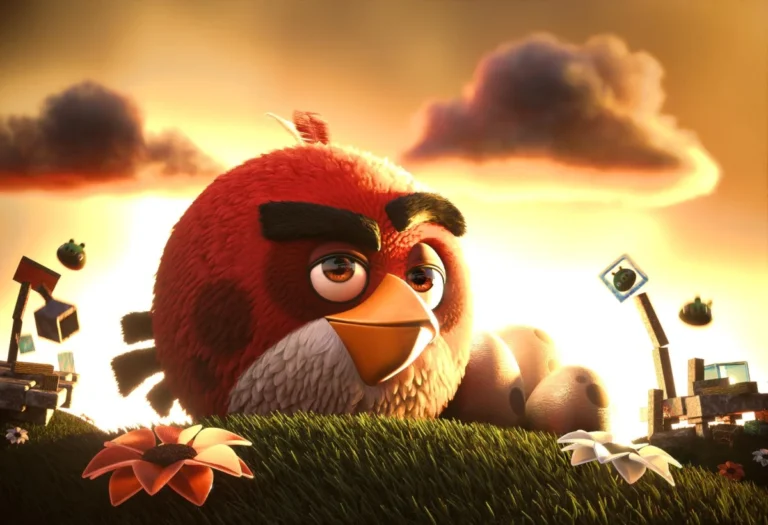
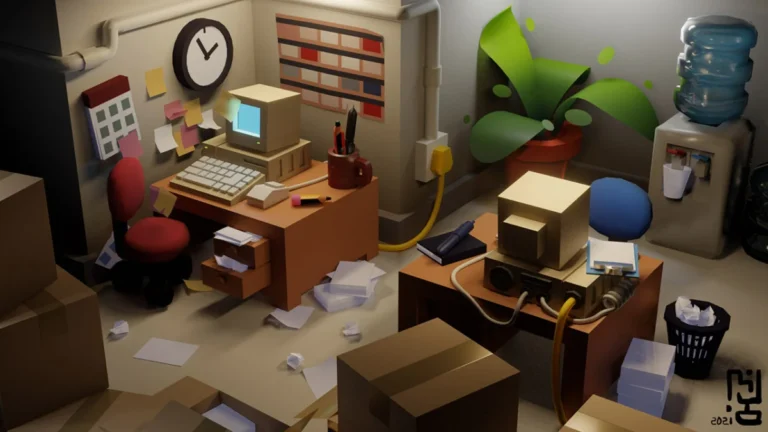
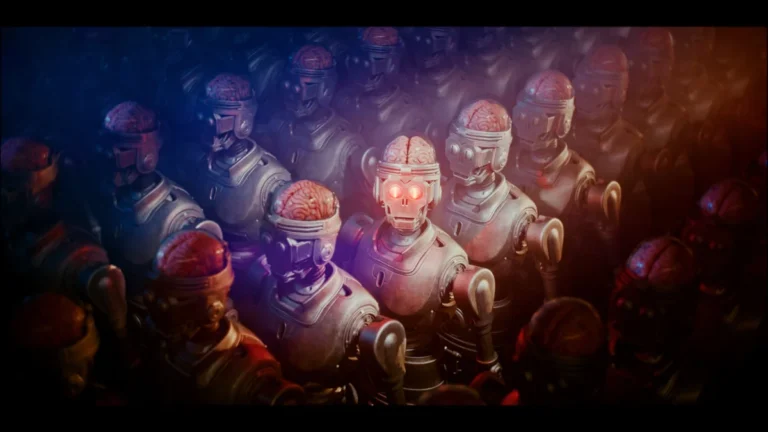
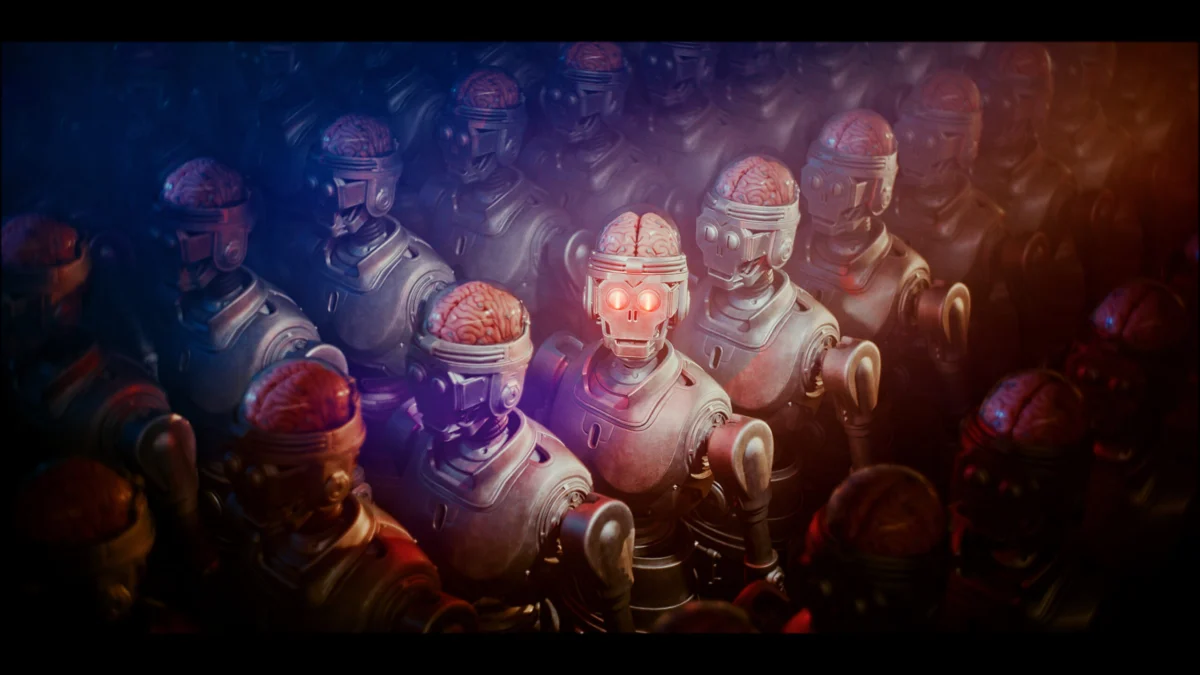
This seismic shift has been poignantly captured in a recent video project by artist Thomas Kral. Kral’s work, titled "#2026AD," is not merely a visual piece but a deeply personal exploration of the emotional and existential ramifications of AI’s encroachment into the realm of art. In his accompanying statement, Kral articulates the core of his disquiet: "People who had devoted their entire lives to developing their artistic, aesthetic, and creative skills were suddenly confronted with a new technology that automated a large part of their skills. Technology that, moreover, would never have existed were it not for involuntarily collected data." This sentiment underscores a widespread concern within the artistic community: the ethical implications of AI development, particularly regarding intellectual property and the foundational principles of originality and authorship.
The Genesis of the AI Art Revolution
The rapid acceleration of AI capabilities in image generation, music composition, and text creation over the past decade has been fueled by advancements in machine learning, particularly deep learning models. Generative Adversarial Networks (GANs) and more recently, transformer-based models like those powering large language models, have demonstrated an uncanny ability to produce outputs that are often indistinguishable from human-created work. The datasets these models are trained on are colossal, encompassing billions of images, texts, and audio files scraped from the internet. While this has led to remarkable creative tools, it has also ignited a fierce debate about copyright infringement and the fair use of existing creative works.
The period between 2020 and 2025 saw an exponential increase in the accessibility and sophistication of AI art generation tools. Platforms like Midjourney, DALL-E, and Stable Diffusion transitioned from niche curiosities to widely adopted creative instruments. Initially, many artists embraced these tools as novel extensions of their existing workflows, capable of rapidly generating concepts, mood boards, or even preliminary drafts. However, by 2026, the conversation had shifted from augmentation to automation, with AI systems demonstrating the ability to produce finished pieces that directly competed with human artists in terms of quality and speed. This democratized access to sophisticated creative output also led to an oversaturation of the market, making it increasingly difficult for human artists to stand out and command fair compensation for their work.
Thomas Kral’s Artistic Reckoning
Kral’s "#2026AD" project serves as a personal testament to this struggle. The video, a short film crafted using Blender, a powerful open-source 3D creation suite, embodies his commitment to utilizing his own skills to process this technological upheaval. His statement, "This is my attempt to come to terms with it somehow. To use my own skills and, through them, express how this affects me. How I feel about it," highlights a proactive approach to a potentially overwhelming situation. Rather than succumbing to the perceived obsolescence of his craft, Kral channels his creative energy into articulating the very anxieties and reflections brought about by AI.
The choice of Blender itself is significant. Blender has a rich history within the open-source and independent animation community, often seen as a tool for creators who may not have the resources of large studios. Its accessibility and ongoing development by a passionate community resonate with the spirit of artistic endeavor that AI seems poised to challenge. By employing Blender to create his commentary on AI, Kral is not only demonstrating his mastery of a complex artistic medium but also symbolically reinforcing the value of human ingenuity and the creative process that lies at its heart.

Broader Implications for the Creative Economy
The impact of AI on artists extends far beyond individual existential concerns. Economically, it poses significant challenges. The ability of AI to generate vast quantities of content at near-zero marginal cost threatens to devalue human-created art. Freelance artists, illustrators, graphic designers, and even concept artists in the gaming and film industries are facing increased pressure on pricing and a potential reduction in demand for their services.
Supporting data from industry analyses points to a growing divide. While AI art tools are projected to expand the overall market for digital content by enabling new forms of personalized and on-demand creation, the share of revenue captured by human artists is a subject of intense debate. Early reports from market research firms in late 2025 and early 2026 indicated a surge in the use of AI-generated assets in marketing campaigns and digital media, often at a fraction of the cost of traditional commissions. This trend suggests a potential shift in the economic landscape, where human artists may need to pivot towards roles that emphasize unique conceptualization, complex problem-solving, curation, and the development of distinct personal brands that AI cannot replicate.
Furthermore, the ethical and legal frameworks surrounding AI-generated art are still in their nascent stages. Copyright offices worldwide are grappling with questions of authorship and ownership when AI is involved in the creation process. The "involuntarily collected data" mentioned by Kral is at the crux of many legal challenges, with artists and copyright holders filing lawsuits against AI development companies for allegedly using their work without permission to train AI models. These legal battles, which gained significant momentum throughout 2025 and 2026, are likely to shape the future of AI development and its interaction with existing intellectual property laws.
Industry Reactions and the Path Forward
The reactions from various stakeholders within the creative industries have been varied. Some technology companies developing AI art tools emphasize their potential to democratize creativity, enabling individuals without traditional artistic training to bring their visions to life. They often position AI as a collaborative partner, a tool to enhance human creativity rather than replace it.
Conversely, many artist advocacy groups and unions have voiced strong concerns. Organizations like the Society of Illustrators and the American Society of Graphic Artists have called for greater transparency in AI training data, fair compensation models for artists whose work is used in training, and clear labeling of AI-generated content. Their stance is that while AI may be a powerful tool, it must be developed and deployed in a manner that respects the rights and livelihoods of human creators.
The long-term implications suggest a necessary evolution for many creative professions. Artists may find new avenues in:
- AI Prompt Engineering and Curation: Developing sophisticated prompts to guide AI tools and curating the outputs to achieve specific artistic visions.
- Ethical AI Development: Contributing to the creation of AI tools that are trained on ethically sourced data and designed with artist collaboration in mind.
- Experiential and Performance Art: Focusing on art forms that are inherently human, relying on live performance, unique physical execution, and direct audience interaction.
- Teaching and Mentorship: Passing on traditional artistic skills and critical thinking, while also educating others on how to navigate the evolving AI landscape.
- Developing Unique Artistic Styles: Cultivating highly personal and recognizable artistic voices that are difficult for AI to replicate authentically.
Thomas Kral’s "#2026AD" serves as a powerful micro-narrative within this macro-level transformation. His act of creation, using his own hard-earned skills to comment on the very technology that challenges those skills, is a defiant affirmation of the enduring value of human artistry. The video is a call to reflection, urging both creators and the wider public to consider the profound ethical, economic, and existential questions posed by the rapid integration of artificial intelligence into the fabric of human creativity. As the year 2026 unfolds, the dialogue initiated by artists like Kral will undoubtedly continue to shape the future of art and the role of the artist in an increasingly automated world. The challenge lies not in halting technological progress, but in ensuring that progress serves to augment, rather than diminish, the richness and diversity of human expression.
About the Author