
Bethesda Game Studios’ 2015 action role-playing title, Fallout 4, has solidified its position as a monumental entry in the post-apocalyptic genre, garnering both widespread critical acclaim and diverse player feedback since its release. Despite varied opinions among its player base, ranging from fervent praise for its expansive world and engaging mechanics to critiques concerning certain design choices, the game’s significant industry recognition stands as a testament to its impact. Fallout 4 proudly holds the distinction of being a winner of both the D.I.C.E. Award for Game of the Year and the BAFTA Game of the Year award, underscoring its profound influence and quality within the competitive gaming landscape. These accolades affirm its status as one of Bethesda Game Studios’ most celebrated RPG titles, distinguished by its robust offering of an immersive adventure experience. At the heart of this immersion is a richly detailed Commonwealth, brought to life through a diverse cast of characters whose extensive dialogue injects personality and depth into the desolate wasteland, creating a world that feels genuinely lived-in rather than merely populated.
The Fallout Legacy and Bethesda’s Vision
The Fallout series, a long-standing titan in the realm of post-apocalyptic role-playing games, has consistently challenged players with moral dilemmas, expansive exploration, and intricate world-building. Bethesda Game Studios, known for its expertise in crafting vast, open-world RPGs like The Elder Scrolls series, took the reins of the Fallout franchise with Fallout 3 in 2008, re-imagining it for a new generation while retaining its core essence. Fallout 4, released on November 10, 2015, followed this tradition, building upon established mechanics while introducing new features like a comprehensive settlement building system and enhanced weapon and armor crafting. The game’s development cycle, which reportedly began shortly after Fallout 3’s release, saw a significant investment in creating a dynamic and reactive world. The decision to set the game in the Commonwealth (post-apocalyptic Massachusetts) offered a fresh yet familiar backdrop for the series’ signature blend of retro-futurism and grim survival. Initial sales figures were robust, with Bethesda announcing shipments of 12 million units to retailers within 24 hours of launch, generating over $750 million in revenue, highlighting immense player anticipation and market success. Critical reception, as aggregated by Metacritic, typically placed the game in the high 80s, with reviewers often commending its vast world, engaging combat, and deep customization options, even while some pointed to a somewhat simplified dialogue system compared to previous entries.
Narrative Foundations: A Quest for Family and Future
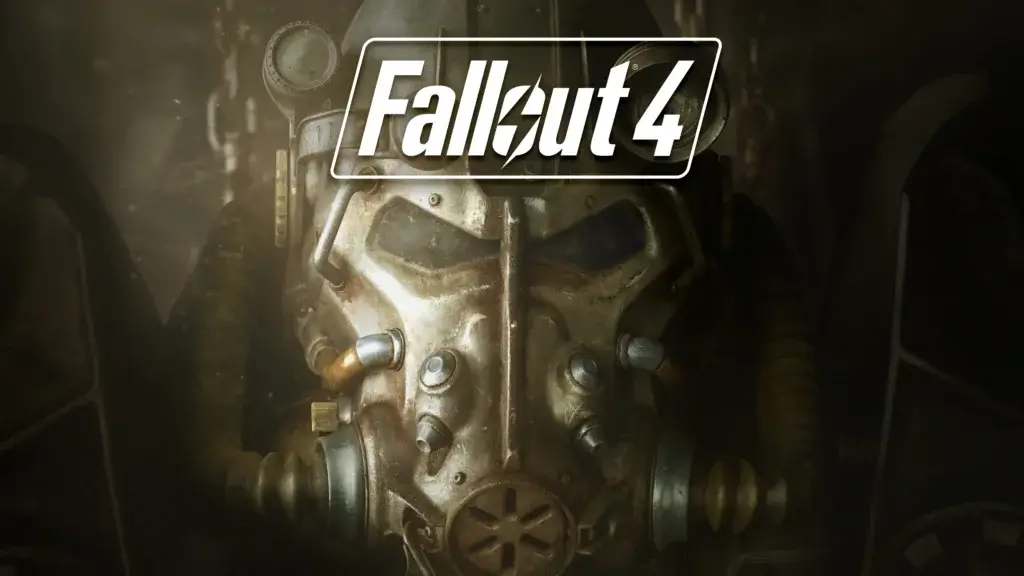
The overarching narrative of Fallout 4 begins with a stark and personal tragedy, setting a compelling emotional anchor for the player’s journey. The protagonist, known as the Sole Survivor (either Nora, a pre-war lawyer, or Nate, a decorated war veteran, depending on player choice), is introduced in a serene pre-war setting in Sanctuary Hills, just moments before the devastating Great War of 2077. This idyllic scene is shattered by the arrival of nuclear bombs, forcing the protagonist and their family—spouse and infant son, Shaun—into Vault 111, a cryogenic facility designed for long-term survival. The game fast-forwards 210 years, as the Sole Survivor awakens to witness the murder of their spouse and the kidnapping of Shaun by unknown assailants, before being re-frozen. Upon a second awakening, the Sole Survivor emerges into the irradiated ruins of the Commonwealth in 2287, a stranger in a broken world.
This initial premise immediately thrusts players into a desperate search for their missing child, providing a powerful, primal motivation that underpins the early hours of gameplay. The journey begins as a massive scavenger’s playground, where survival is paramount. Players are tasked with exploring the vast wasteland, scrounging for resources, building rudimentary settlements, and modding weapons to face increasingly dangerous threats. This blend of survival mechanics, resource management, and creative freedom in settlement building quickly engrosses many players, offering a sense of agency in rebuilding a shattered world. However, as the Sole Survivor delves deeper into the mysteries of the Commonwealth and the fate of their son, the narrative expands far beyond a simple rescue mission or an open-world exploration sandbox.
Evolving Morality and Factional Strife
The initial personal quest gradually transforms into a broader struggle for the soul of the Commonwealth. As the Sole Survivor uncovers clues about Shaun’s disappearance, they encounter various powerful factions, each with their own ideologies and visions for the future of post-nuclear society. The Minutemen, a militia dedicated to protecting settlers; the Brotherhood of Steel, a technologically advanced paramilitary organization focused on securing dangerous pre-war technology; the Railroad, a clandestine group aiding sentient synths (advanced androids) to escape their creators; and the Institute, a secretive scientific organization responsible for creating synths and operating from an underground stronghold, all vie for control and influence.
The game skillfully pushes players into ethical quandaries, forcing them to align with one or more of these factions and make hard decisions that have profound consequences for the inhabitants of the Commonwealth. The initial goal of finding Shaun becomes intertwined with the fate of an entire region. Players are confronted with choices that challenge their moral compass, questioning which future they would fight to protect and who they would be willing to sacrifice to secure it. This moral ambiguity is a hallmark of the Fallout series, but Fallout 4 brings it to a deeply personal level, especially given the protagonist’s direct familial connection to one of the central conflicts. The resolution of the main quest often involves choosing a side, leading to irreversible actions that permanently alter the political landscape of the Commonwealth and the fate of entire communities. This evolution from a singular rescue mission to a complex geopolitical struggle is where Fallout 4 truly distinguishes itself, elevating the importance of every dialogue choice and interaction.

The Power of Dialogue and Characterization
In a game where player choices dictate the fate of a broken society, dialogue becomes an exceptionally critical element. The writers at Bethesda Game Studios crafted a script that not only drives the plot forward but also imbues the many characters encountered with distinct personalities, motivations, and backstories. These interactions are fundamental to creating the "lived-in" feel of the Commonwealth.
The Sole Survivor: As the player’s avatar, the Sole Survivor’s dialogue, while often limited by a four-option wheel, carries the weight of their unique background. Whether Nora, the lawyer, or Nate, the soldier, their lines subtly reflect their pre-war professions and personalities. Nora might approach situations with a more analytical, questioning tone, while Nate might lean towards directness or strategic thinking. These minor differences in delivery and occasional references serve to personalize the player’s experience, connecting them more deeply to the character’s journey of grief, survival, and determination. Their lines often express shock, determination, or weary resignation, reflecting the harsh realities of their new world.
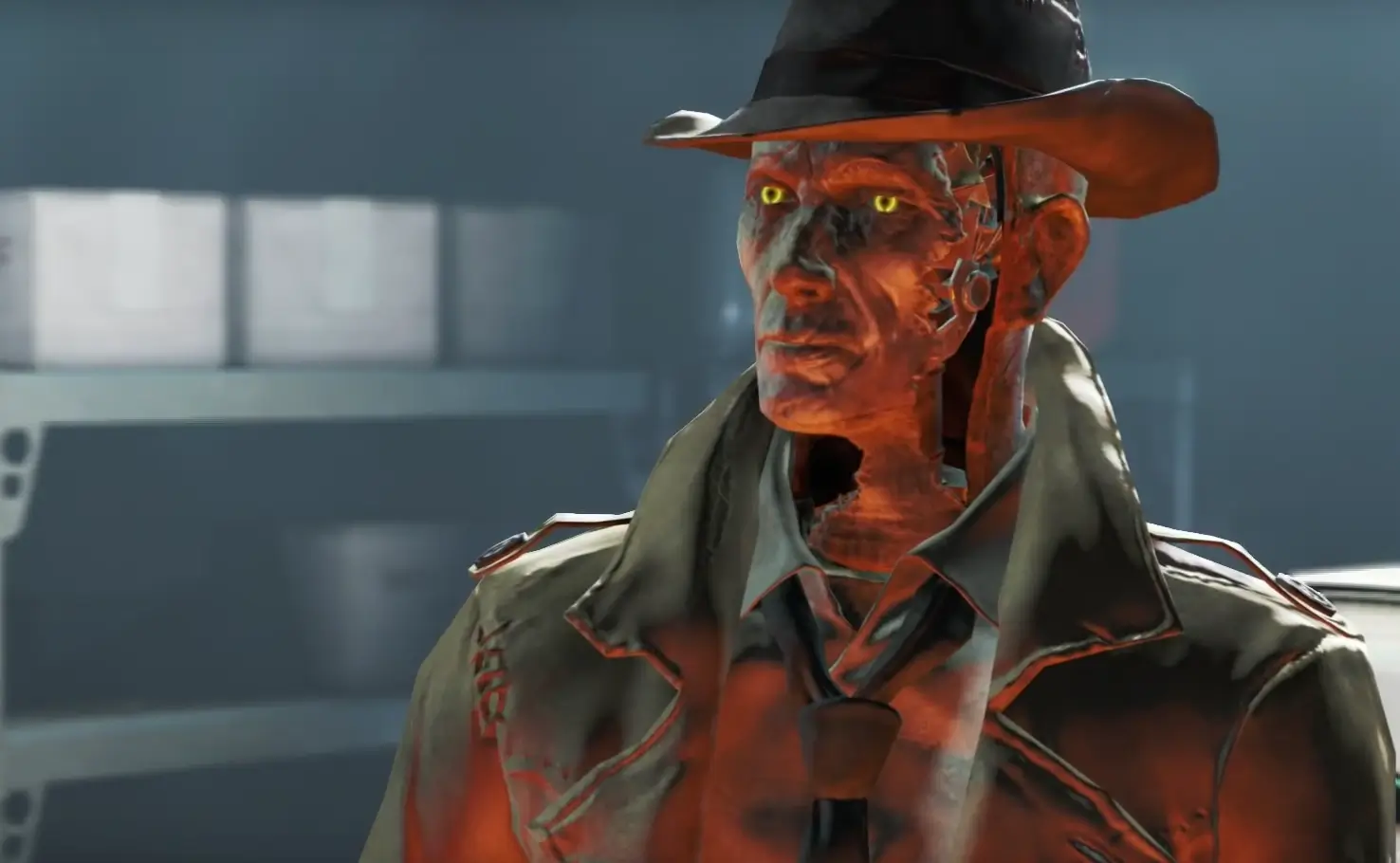
Nick Valentine: One of the most memorable companions, Nick Valentine, is a Generation 2 synth detective operating out of Diamond City. His character is a masterclass in blending noir tropes with science fiction elements. Nick is not merely a robotic companion; he carries the memories and personality engrams of a pre-war detective named Nick Valentine, making him a fascinating study in identity and artificial intelligence. His dialogue is sharp, cynical, yet often imbued with a surprising warmth and a strong moral compass. He serves as a crucial ally in the search for Shaun, offering detective insights and a unique perspective on the synth-human conflict. His lines often reflect his struggle with his own identity, his pursuit of justice, and his dry wit, making him a fan favorite.
Piper Wright: Another compelling companion, Piper Wright, is an intrepid reporter based in Diamond City, known for her publication, "Publick Occurrences." She embodies curiosity, outspokenness, and an unwavering commitment to uncovering the truth, often putting herself in danger to do so. Piper’s dialogue is characterized by her journalistic tenacity, her skepticism towards authority, and her genuine concern for the common people of the Commonwealth. She challenges perceptions and encourages the Sole Survivor to look beyond the surface, often serving as a moral anchor or a voice of reason. Her lines are often direct, sometimes confrontational, and always reflective of her pursuit of the ‘real story,’ making her a dynamic and engaging companion.
The Supporting Cast: Beyond the primary companions, Fallout 4 is populated by a rich tapestry of secondary characters, each contributing to the narrative’s depth. From the enigmatic Father, who represents a complex twist in the Sole Survivor’s personal quest, to faction leaders like Elder Maxson of the Brotherhood of Steel, Desdemona of the Railroad, and Preston Garvey of the Minutemen, their distinct voices and philosophical stances are critical. Their dialogue not only conveys exposition but also articulates the ideological clashes that define the Commonwealth, forcing players to truly understand the stakes of their choices. Even minor NPCs, from beleaguered settlers to crazed raiders, often deliver lines that add flavor, humor, or stark realism to the wasteland experience.
Lighter Moments Amidst the Desolation
While Fallout 4 often delves into grim themes of survival, loss, and moral compromise, it also masterfully incorporates moments of levity and dark humor. This juxtaposition of bleak post-apocalyptic survival with ridiculous, sometimes absurd, humor is one of the Fallout series’ most defining traits, and Fallout 4 embraces it fully. From the sarcastic quips of companions like Hancock the ghoul, to the quirky personalities encountered in various settlements, or the often-bizarre situations players stumble upon in exploration, these lighter moments provide essential relief from the game’s inherent darkness. They serve to humanize the experience, reminding players that even in a world ravaged by nuclear war, there is still room for absurdity, resilience, and unexpected joy. These comedic beats are often delivered through sharp dialogue, adding another layer of depth to the character interactions and making the overall experience more dynamic and memorable.
Conclusion: An Enduring Legacy
Fallout 4 stands as a monumental achievement in open-world RPG design, a testament to Bethesda Game Studios’ ability to craft vast, interactive worlds teeming with stories and choices. Its critical success, underscored by prestigious awards, firmly places it among the best RPG titles of its era. The game’s narrative, beginning with a personal tragedy and evolving into a grand struggle for the future of the Commonwealth, is enriched by its complex characters and their memorable dialogue. These interactions are not merely expositional; they are the heart of the game’s immersive experience, giving personality to a desolate landscape and compelling players to confront difficult ethical decisions. Love it or critique specific elements, Fallout 4’s blend of survival, exploration, factional conflict, and profound character interactions ensures its enduring legacy as a significant contribution to the post-apocalyptic genre and a benchmark for narrative-driven RPGs. The world of the Commonwealth, through its diverse voices, truly feels lived-in, not merely populated, inviting players to shape its destiny long after the credits roll.
About the Author