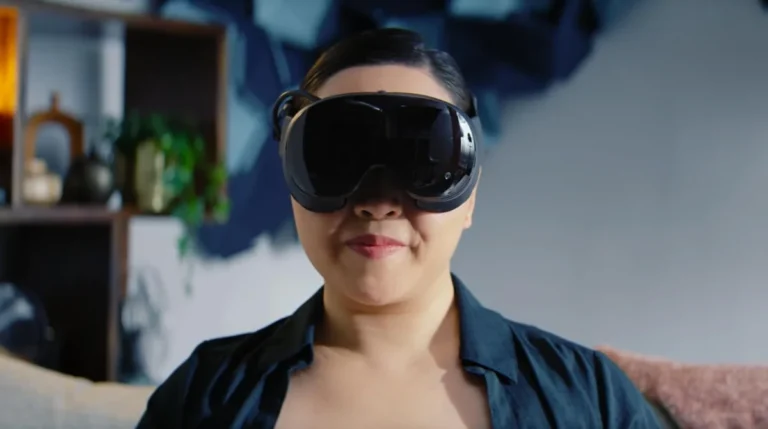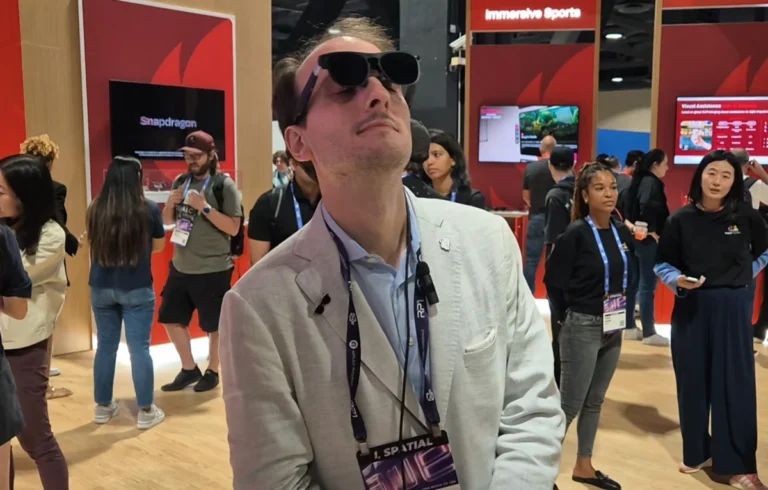
The extended reality (XR) industry is entering a pivotal transition period as major technology conglomerates prepare to unveil next-generation hardware and software solutions. Valve Corporation is widely expected to announce the official release of the Steam Frame this week, fulfilling a long-standing commitment to launch the device during the summer season. This anticipated debut coincides with a series of significant developments across the sector, including leaked visuals of Meta’s "Project Phoenix" headset, strategic delays at ByteDance-owned Pico, and a notable downturn in global headset shipments. These events underscore a shift in the market toward more compact form factors, integrated artificial intelligence, and a focus on standalone functionality.
The Launch of Valve’s Steam Frame and Technical Specifications
The Steam Frame represents Valve’s first major foray into the virtual reality (VR) hardware space since the 2019 release of the Valve Index. Following a series of strategic updates to the SteamVR platform, industry analysts have identified several indicators suggesting an imminent launch. The hardware, which has been the subject of intense speculation, was recently the focus of a premature unboxing video published by high-profile technology outlet Linus Tech Tips. Although the video was quickly removed, mirrored versions of the content suggest that the Steam Frame serves as a wireless, untethered successor to the Valve Index, maintaining high-fidelity performance without the requirement of a physical connection to a PC.
While official pricing has yet to be confirmed by Valve, market analysts estimate the device will retail in the range of $800 to $1,000. This positioning targets the high-end enthusiast market, bridging the gap between consumer-grade standalone devices and professional enterprise hardware. Technical leaks suggest the Steam Frame will leverage Valve’s existing ecosystem while introducing significant improvements in ergonomics and weight distribution. The launch is viewed as a critical move for Valve to maintain its dominance in the PC-VR ecosystem as competitors increasingly pivot toward standalone mobile architectures.

Meta’s Project Phoenix and the Connect 2026 Preview
Parallel to Valve’s activities, Meta is preparing for its annual Connect conference, scheduled for September 23. Ahead of the event, leaked images of a new device codenamed "Project Phoenix" have emerged, providing a first look at the company’s vision for the future of mixed reality (MR). The leaked visuals depict a significantly smaller and more lightweight form factor than the current Quest 3, characterized by a design that Meta reportedly refers to as "VR glasses."
Initial analysis of the Project Phoenix hardware indicates a focus on social presence and mobility. The device features visible tracking cameras, including specialized sensors oriented downward to facilitate high-precision hand tracking and potentially body-tracking capabilities. However, the compact design appears to necessitate trade-offs in field of view (FOV), with early estimates suggesting a diagonal FOV of approximately 90 degrees—narrower than the industry standard for immersive gaming but optimized for productivity and augmented reality (AR) overlays. This shift signals Meta’s intent to move beyond the traditional "goggles" aesthetic in favor of hardware that can be worn for extended periods in diverse environments.
Strategic AI Integration and Pico’s Market Pivot
ByteDance, the parent company of Pico, has reportedly delayed the launch of its highly anticipated Pico Space Pro headset until the fourth quarter of 2026. While initial speculation attributed the delay to hardware refinements, recent reports from Bloomberg suggest a more fundamental strategic shift. ByteDance is currently developing a sophisticated "world model" AI, based on its Seedance video generation architecture, which is intended to be a core feature of the Space Pro.
This AI model aims to rival technologies like Google Genie, allowing users to generate interactive, 360-degree spatial environments in real-time from simple text or image prompts. Technical specifications for this cloud-based model include the ability to stream on-demand video at 20 frames per second with a latency of roughly 0.05 seconds. The project is reportedly under the direct supervision of ByteDance founder Zhang Yiming, highlighting its importance to the company’s long-term roadmap. By integrating generative AI directly into the XR experience, Pico aims to differentiate itself from Meta and Apple by offering a "Holodeck-style" experience where users can create and interact with synthetic worlds dynamically.

Industry Downturn and the Closure of Polyarc Games
Despite the influx of new hardware, the broader XR market is facing significant economic headwinds. Data released by research firm Omdia indicates that global XR headset shipments in the first half of 2026 have declined by 39% compared to the same period in 2025. This contraction is attributed to a lack of mass-market "killer apps," the high cost of premium hardware such as the Apple Vision Pro, and a general cooling of consumer interest in traditional VR headsets.
The impact of this market volatility was felt acutely this week with the announcement that Polyarc Games, the award-winning studio behind the Moss franchise, has ceased operations. Despite the critical success of its flagship titles, the studio’s recent venture into the competitive multiplayer space with Glassbreakers: Champions of Moss failed to achieve the necessary commercial traction. The closure of such a prominent developer serves as a sobering reminder of the challenges facing content creators in a market where hardware adoption has not yet reached a sustainable plateau for independent studios.
Apple’s Hardware Teasers and Consumer Sentiment
Apple has also contributed to the week’s momentum, with CEO John Ternus sharing a cryptic 10-second teaser video on social media following the launch of the Apple Duo foldable phone. The video, which depicts a curved, light-refracting object, has sparked intense debate among analysts. While some suggest it hints at a more affordable version of the Vision Pro or a new pair of AR smart glasses, others believe it may relate to advanced camera optics for future mobile devices. Apple’s conservative approach to product reveals suggests that any new XR hardware would likely be positioned to address the ergonomic and pricing criticisms leveled at its first-generation spatial computer.
Conversely, public sentiment regarding wearable cameras remains a point of contention. In London, the appearance of "trash bins" specifically designated for the disposal of Ray-Ban Meta smart glasses near retail locations highlights ongoing privacy concerns. This localized pushback suggests that as AR and VR hardware becomes more integrated into daily life, manufacturers will face increasing pressure to address the social and ethical implications of always-on sensors and cameras in public spaces.

Chronology of Upcoming Events
The upcoming two-week period is expected to define the trajectory of the XR industry for the remainder of the decade. The timeline of key events is as follows:
- September 15-17: Expected official announcement and pre-order window for the Valve Steam Frame.
- September 16: Snap Inc. is scheduled to launch its next-generation Spectacles, focusing on AR developer tools.
- September 23: Meta Connect 2026, where "Project Phoenix" and new AI software features are expected to be the centerpiece.
- Q4 2026: Revised launch window for the Pico Space Pro and its integrated AI world model.
Analysis of Market Implications
The convergence of Valve’s high-end wireless hardware, Meta’s move toward "VR glasses," and ByteDance’s AI-driven environments indicates a diversification of the XR market. The industry is moving away from a one-size-fits-all approach, instead splitting into three distinct categories: enthusiast-grade PC-VR (Valve), lifestyle-integrated AR/MR (Meta and Snap), and AI-augmented spatial computing (Pico and Apple).
While the 39% drop in shipments reported by Omdia suggests a period of stagnation, the aggressive R&D spending by ByteDance and Meta confirms that the industry’s largest players remain committed to the long-term potential of the medium. The success of the Steam Frame and Project Phoenix will likely serve as a barometer for whether refined ergonomics and improved software ecosystems can reignite consumer demand in a cooling global economy.
About the Author