The landscape of personal computing is undergoing a subtle yet significant transformation, moving beyond the relentless pursuit of raw processing speed to embrace the elegant efficiency of miniaturization. A recent observation by veteran tech analyst Jeff Atwood, reflecting on his own PC upgrade cycle, highlights a broader industry shift: traditional PC upgrades, once characterized by dramatic performance leaps, have become increasingly incremental, leading to a perception that "the PC is over." However, this sentiment overlooks a vibrant sector where innovation thrives—the small form factor (SFF) PC market, which is redefining what a powerful desktop can be. This segment emphasizes packing maximum performance into minimal physical space, attracting enthusiasts and professionals alike.
The Evolving Landscape of PC Upgrades
For decades, the personal computer industry was driven by a clear narrative of ever-increasing power. Each new generation of CPUs and GPUs promised significant gains, making frequent upgrades a compelling proposition for users seeking the cutting edge. This era saw rapid advancements in clock speeds, core counts, and graphical fidelity, fostering a culture of continuous hardware evolution. Systems built in 2011 or 2015, for instance, represented substantial leaps over their predecessors, justifying the investment in new components.
However, in the latter half of the 2010s and into the 2020s, the pace of these generational improvements, particularly in single-core performance, began to moderate. While multi-core processing and specialized accelerators (like AI cores) continued to advance, the everyday user often found their existing systems perfectly adequate for common tasks. This phenomenon, often dubbed "the PC is over" by some, suggested a plateau in the perceived value of frequent, large-scale upgrades. For many, the initiative to undertake a full system overhaul, as noted by Atwood taking five years for his latest significant upgrade, reflects this diminishing urgency. The focus shifted from sheer speed at any cost to other considerations, such as energy efficiency, aesthetics, and increasingly, physical footprint.
The Rise of Small Form Factor (SFF) Computing

Amidst this evolving sentiment, the small form factor (SFF) PC market has emerged as a dynamic frontier for innovation. SFF computing is characterized by desktop systems built into chassis significantly smaller than traditional mid-towers, often leveraging mini-ITX motherboards and compact components. This movement is not merely about making computers smaller; it’s about optimizing space without compromising performance, a design philosophy that resonates deeply with modern lifestyles and workspace constraints.
The attraction to SFF lies in its promise of maximum power in minimum size. This is particularly appealing in urban environments where desk space is a premium, or for users who desire powerful systems that can be easily transported to LAN parties, creative studios, or home offices. The growth of the SFF market segment is supported by several factors:
- Technological Miniaturization: Advances in component density, power efficiency, and cooling solutions (e.g., efficient CPU coolers, compact power supplies like SFX PSUs) have made it possible to house high-performance hardware in smaller enclosures.
- Aesthetic Appeal: SFF cases often boast sleek, minimalist designs, moving away from the often bulky and utilitarian aesthetic of larger towers. They blend seamlessly into modern interiors.
- Niche Market Demand: A dedicated community of enthusiasts actively seeks out the challenge and satisfaction of building compact, high-performance machines. This community drives innovation in case design and component selection.
- Evolving User Priorities: As computing power becomes more ubiquitous, users increasingly value aspects like quiet operation, portability, and design alongside raw performance.
Industry reports suggest a steady growth in the SFF PC market, indicating a shift in consumer preference towards more compact and integrated computing solutions. While precise market share figures vary, the increasing availability of specialized SFF components and a wider range of SFF cases from both established and boutique manufacturers underscore this trend.
Pioneering SFF Chassis Designs
The heart of any SFF build is its chassis, and designers are continually pushing the boundaries of what’s possible within strict volumetric constraints. Two exemplary cases often cited in the SFF community for their innovative design and efficiency are the Dan A4 SFX and the Streacom DA2.
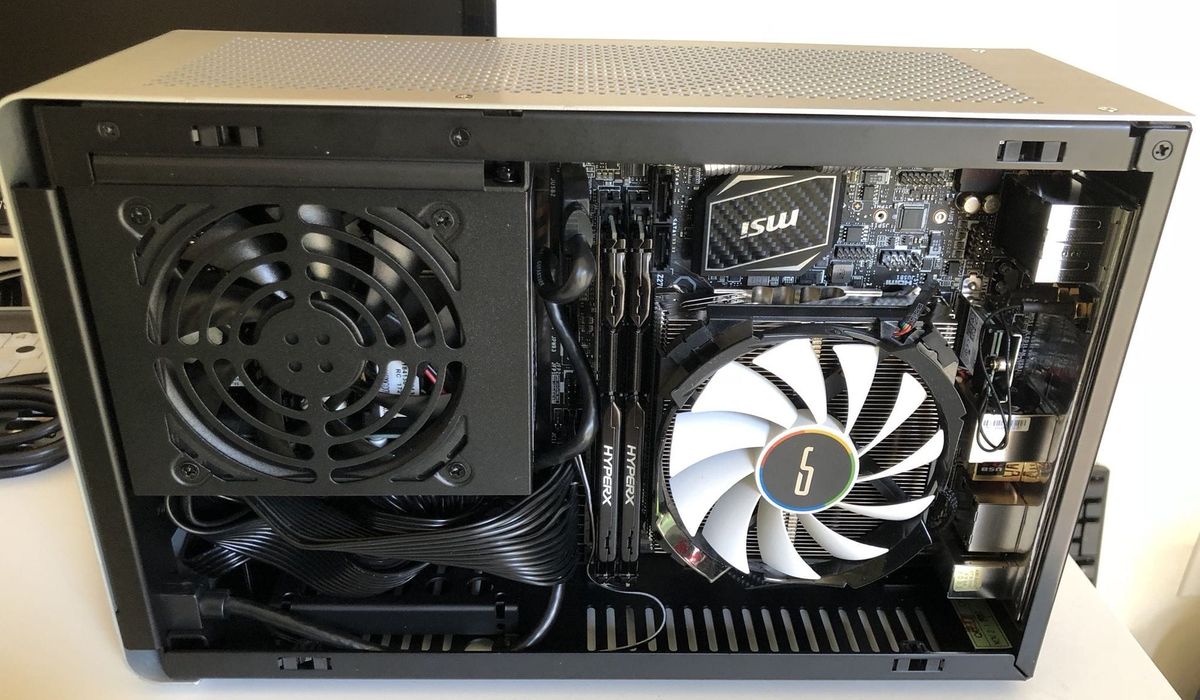
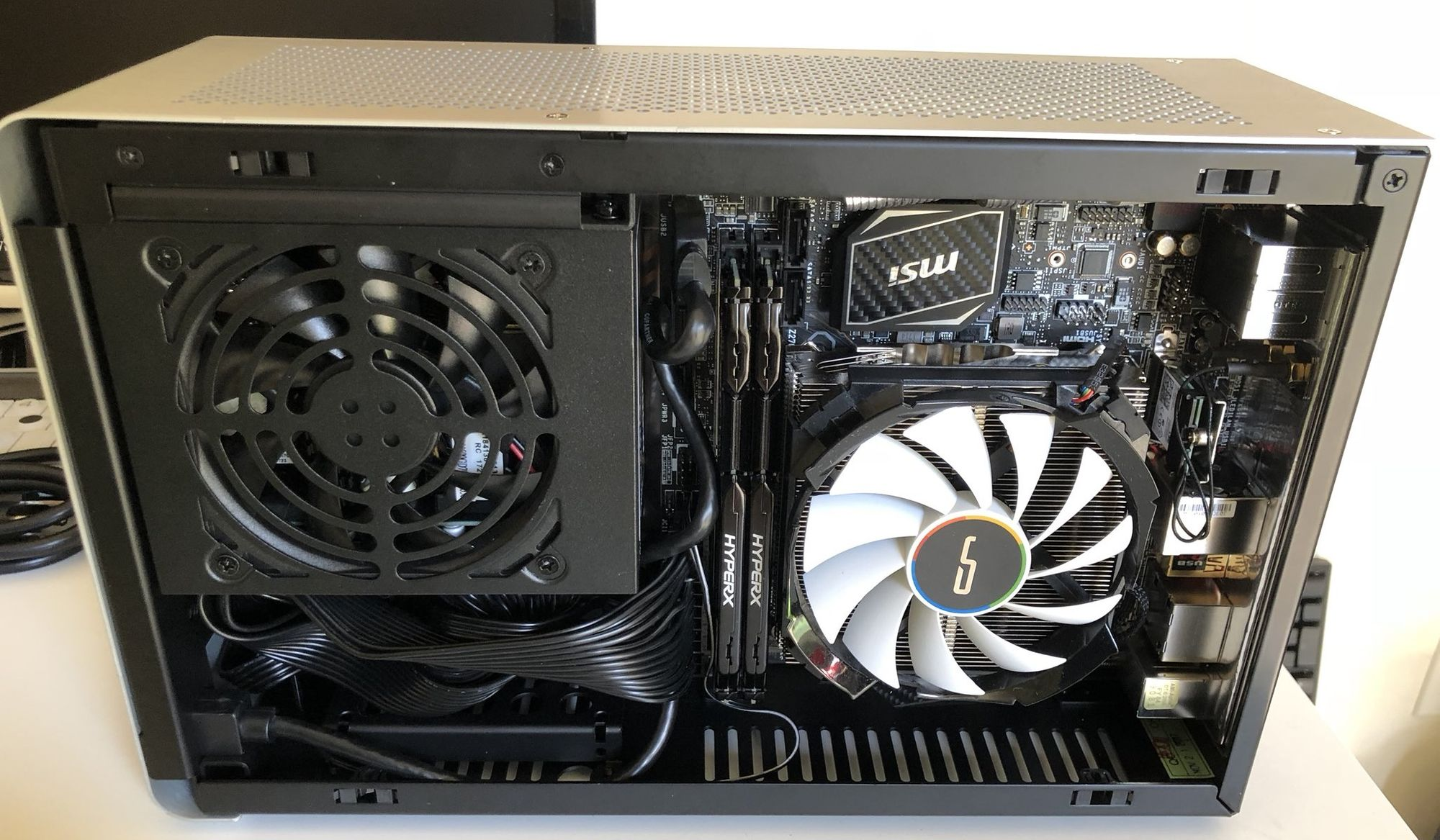
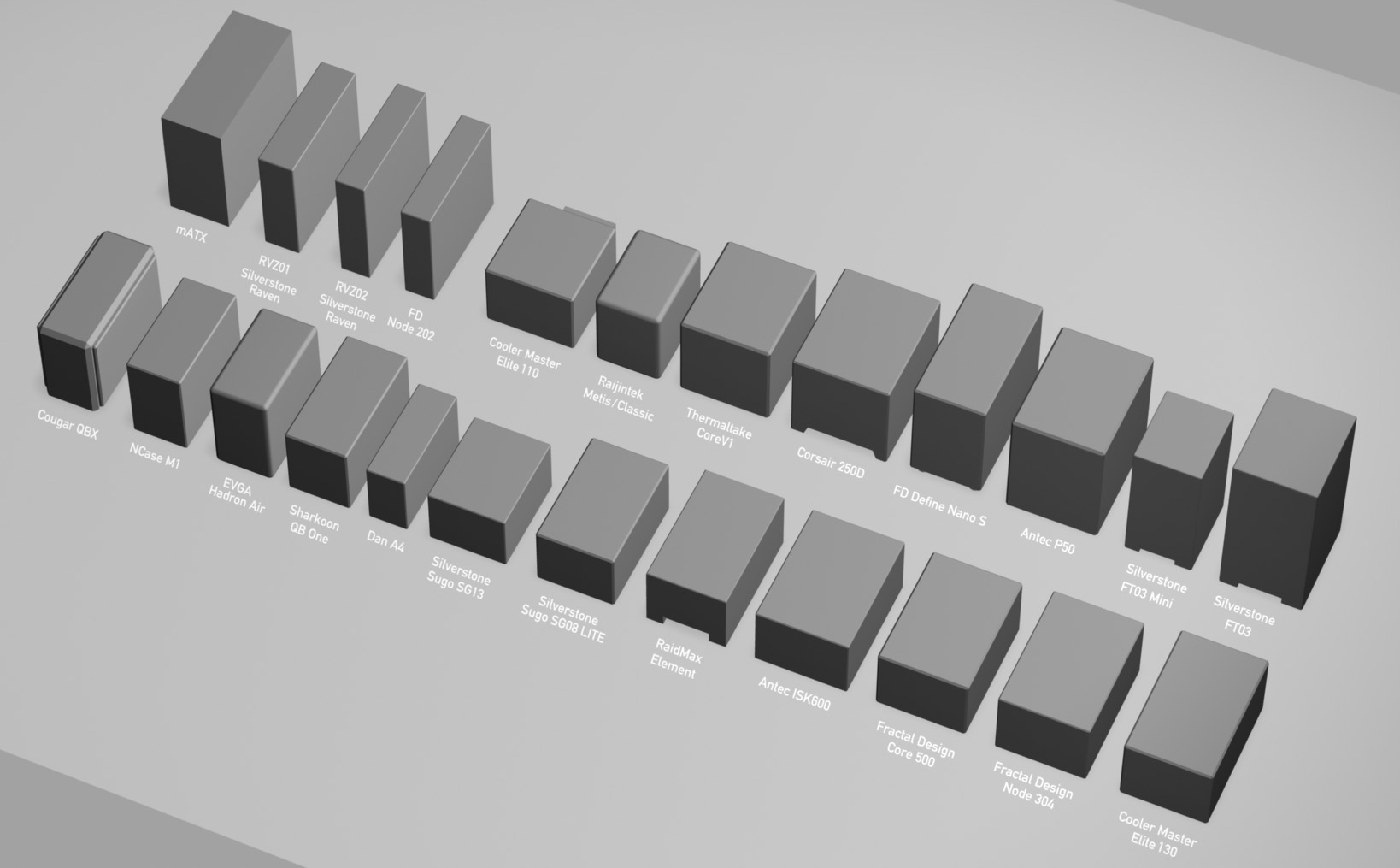
The Dan A4 SFX, a product of Dan-Cases, stands out for its ultra-compact design. With dimensions of approximately 200mm × 115mm × 317mm, it boasts an internal volume of just 7.3 liters. This makes it one of the smallest standard mini-ITX cases capable of accommodating a full-size graphics card. Its design philosophy is rooted in extreme efficiency, often requiring specialized components and careful cable management to maximize airflow in such a confined space. Achieving this level of compactness without resorting to custom-fabricated parts is a significant engineering feat. For context, this is only marginally larger than a PlayStation 4 Pro (5.3 liters) or an Xbox One S (4.3 liters), yet it offers considerably more than double the computational power, representing an impressive volumetric efficiency.
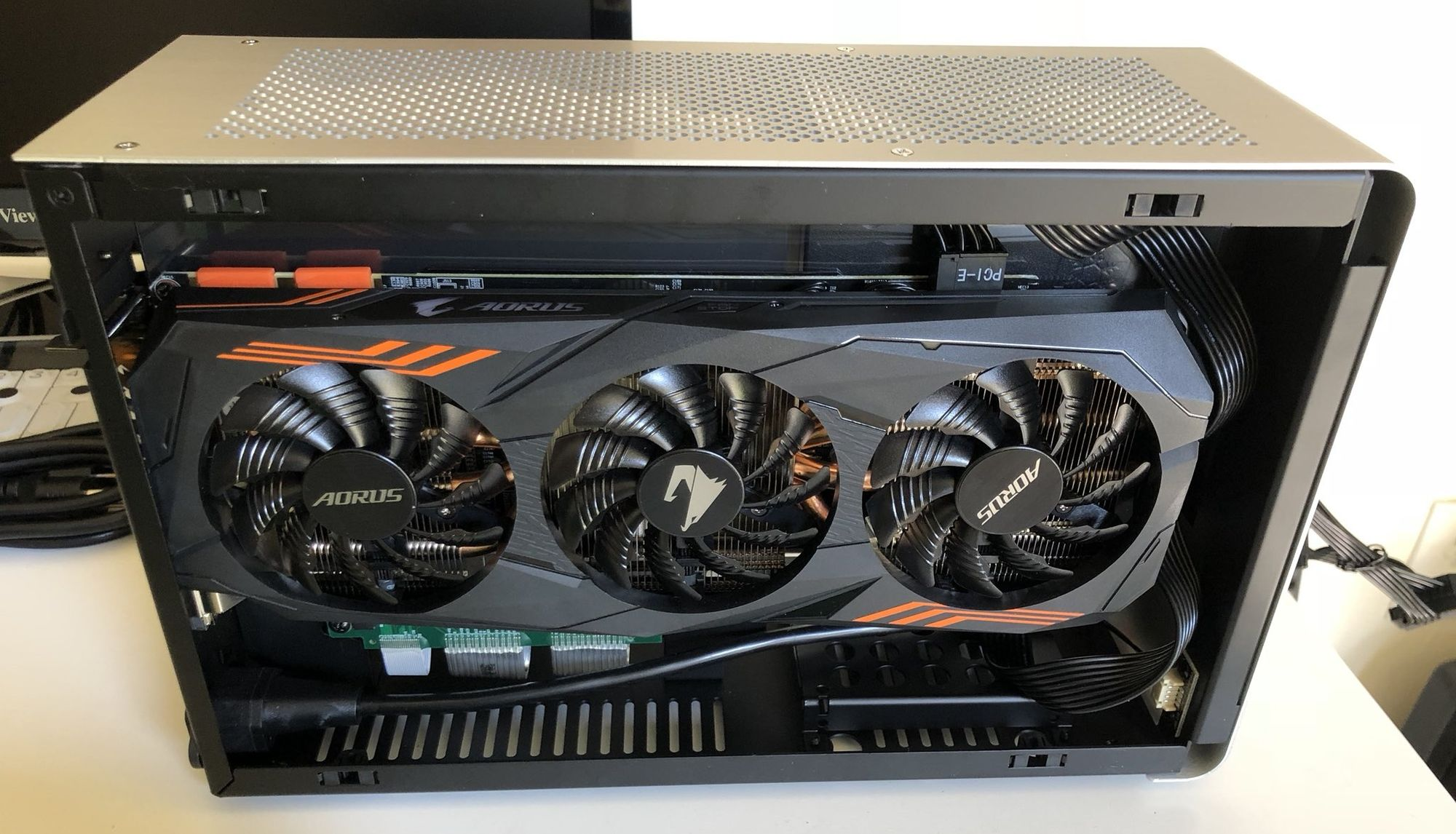
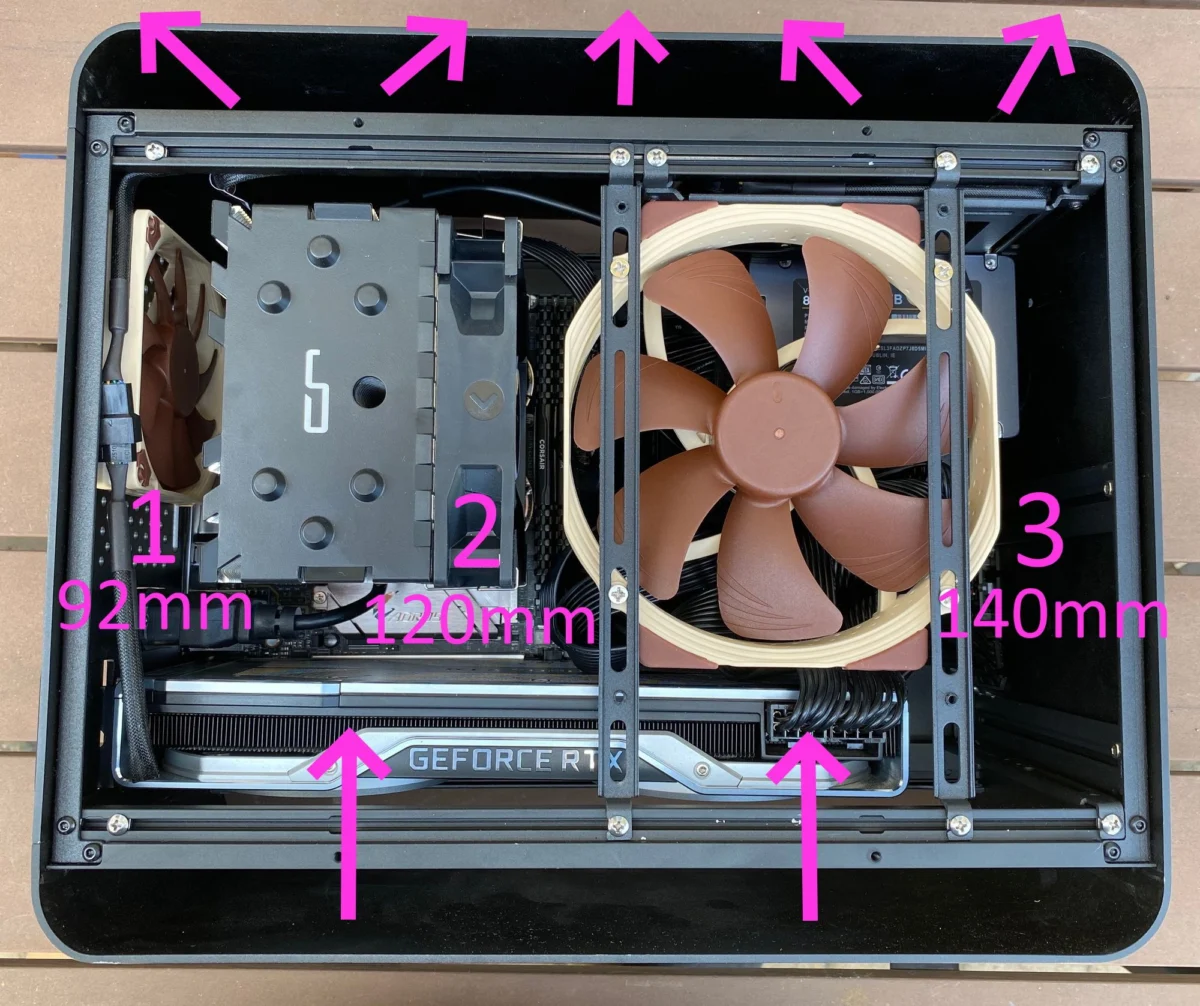
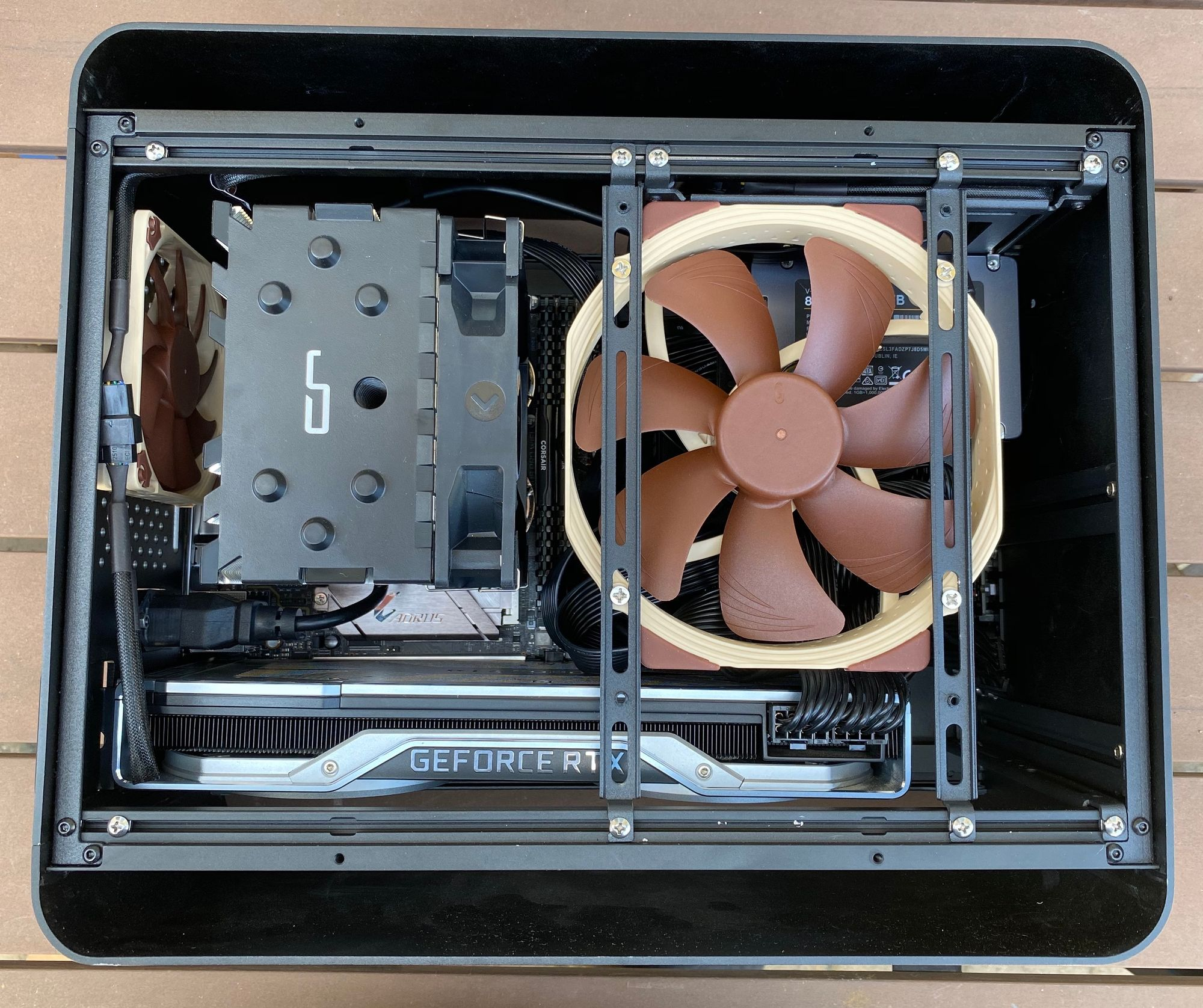
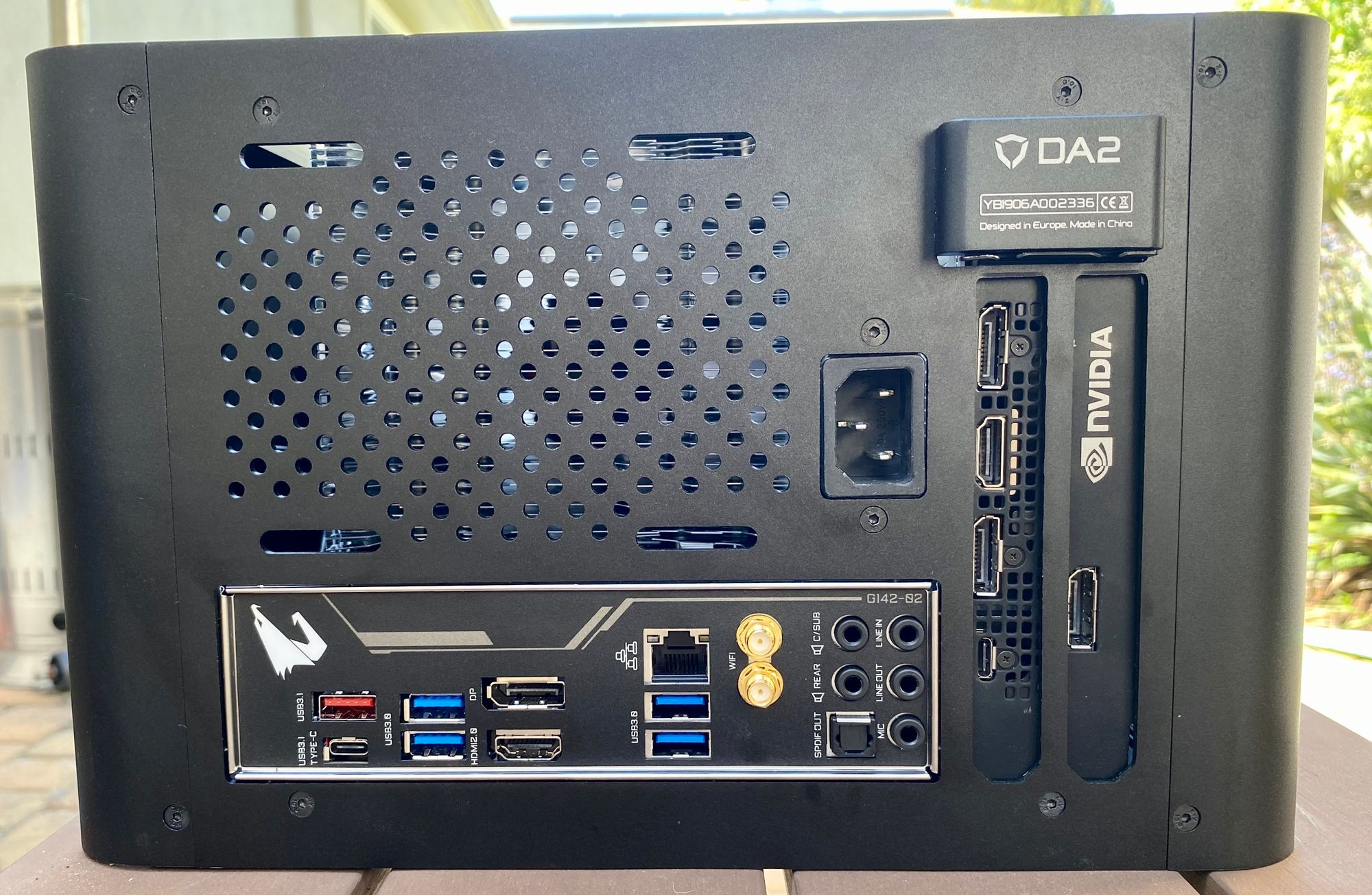
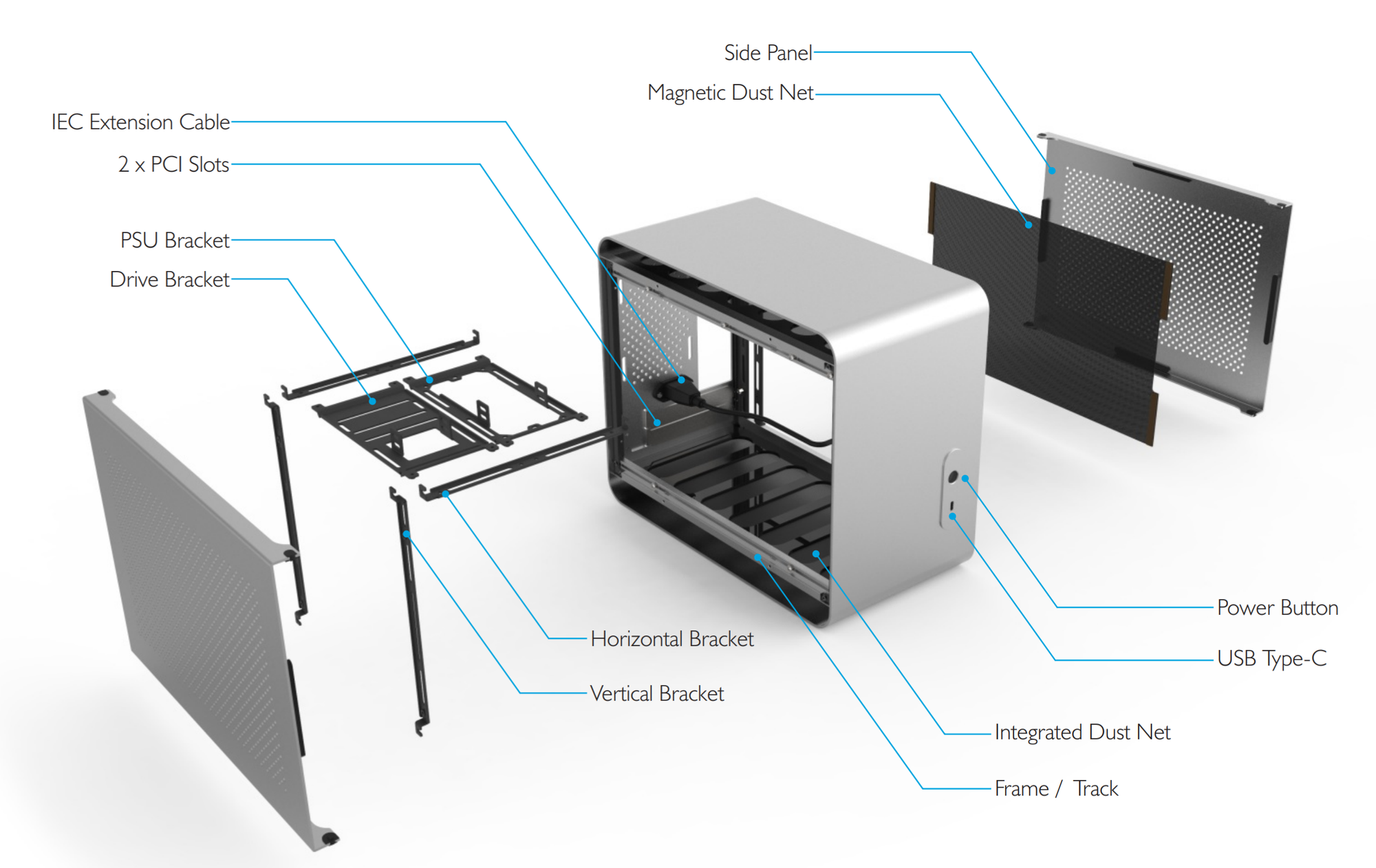
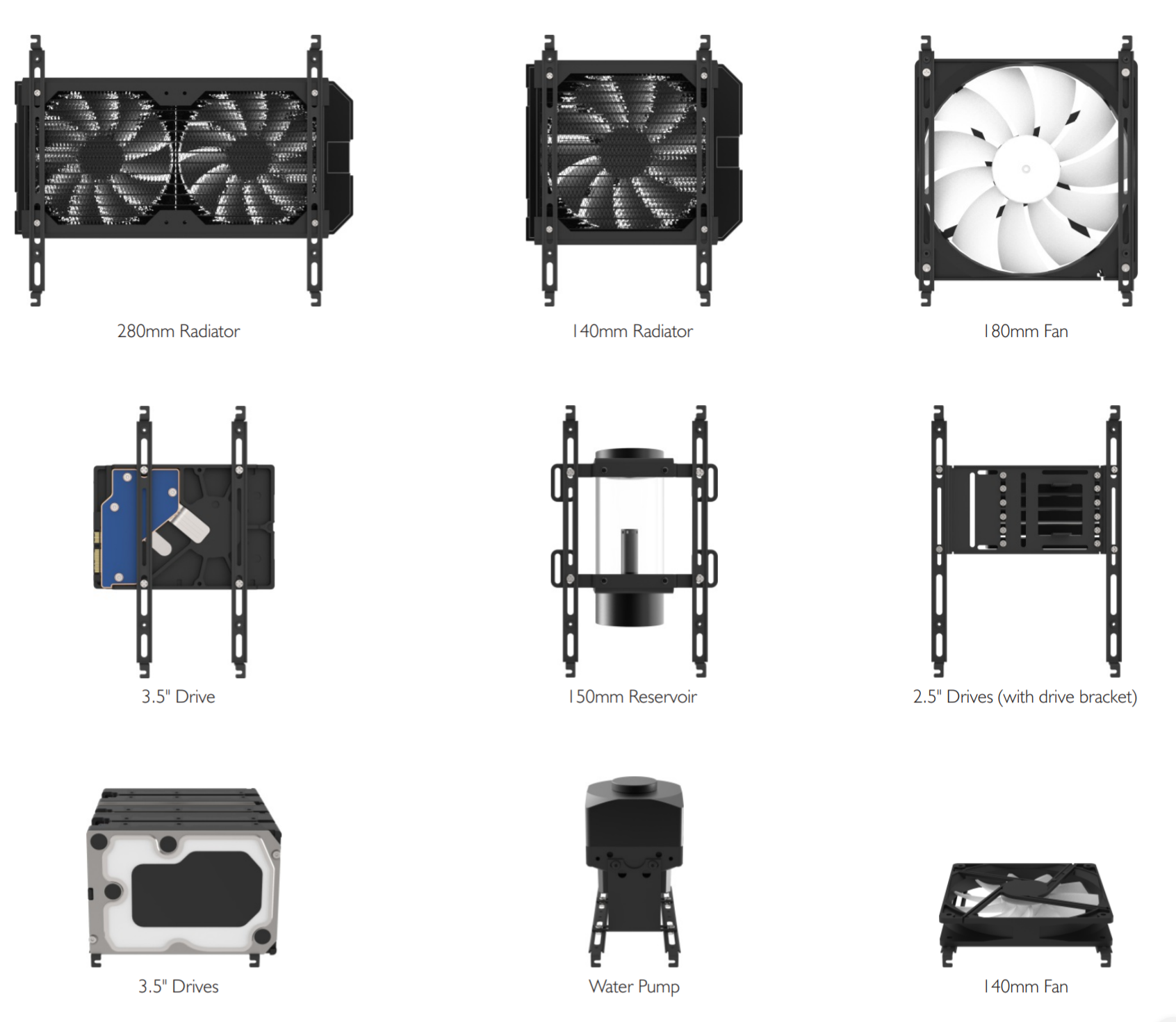
The Streacom DA2, while larger than the Dan A4 SFX at 180mm × 286mm × 340mm (17.5 liters), offers a different approach to SFF. Its larger volume provides substantially more flexibility for cooling solutions and fan configurations, making it a preferred choice for builders aiming for truly powerful systems that might generate more heat. The DA2’s unique internal structure features a highly versatile horizontal and vertical bracket system, allowing for extensive customization of component placement. This adaptability is crucial for accommodating a wide array of CPU coolers, GPUs, and power supplies, offering builders more freedom to optimize for thermal performance or specific hardware. The hybrid open-air design, particularly at the top and bottom, is critical for airflow, compensating for its solid front panel.
These cases represent a spectrum within the SFF philosophy: the Dan A4 SFX epitomizes extreme miniaturization, while the Streacom DA2 balances compact dimensions with enhanced thermal and component flexibility. Other notable SFF cases, such as the Silverstone RVZ02/ML08 (12.2 liters) and the nCase M1 (12.6 liters), also contribute to this diverse market, each offering unique compromises and advantages in size, component compatibility, and cooling potential.
Balancing Power and Portability: Component Selection
Building a high-performance SFF PC involves a meticulous selection of components that can deliver robust performance while adhering to strict size and thermal constraints. The choice of CPU, GPU, and storage devices is paramount.
For a powerful SFF build, modern high-core count CPUs, often paired with efficient architecture, are essential. An upgrade from an older, slightly overclocked i7-7700k (4 cores/8 threads) to a contemporary processor offers significant gains, typically providing double the core count, improved instruction per cycle (IPC), and higher clock rates. This translates into vastly superior multi-threaded performance, crucial for demanding applications like video editing, 3D rendering, and complex software development.
Graphics processing units (GPUs) are often the largest and most power-hungry components in a gaming or workstation PC. SFF cases necessitate careful consideration of GPU length and thickness. While many high-end GPUs are designed with multiple fans and large heatsinks, manufacturers are increasingly offering "mini" or "ITX" versions that fit into smaller chassis without sacrificing too much performance. The challenge lies in managing the heat generated by these powerful cards in a restricted environment.
Storage solutions have been a significant beneficiary of miniaturization. The widespread adoption of M.2 NVMe solid-state drives has dramatically reduced the physical footprint of high-speed storage. Modern mini-ITX motherboards often feature two or more M.2 slots, providing ample space for ultra-fast primary and secondary storage without the need for bulky 2.5-inch or 3.5-inch drives. This not only saves space but also reduces cable clutter, a critical factor in SFF builds. An upgrade from a system with a single M.2 slot to one supporting two or more represents a substantial improvement in storage flexibility and speed potential. Similarly, doubling the system memory (RAM) from 16GB to 32GB or more significantly enhances multitasking capabilities and performance in memory-intensive applications.
Thermal Management in Confined Spaces
One of the most critical challenges in SFF PC building is effective thermal management. Packing high-power components into a small volume inevitably leads to increased heat density. Proper airflow and cooling solutions are not merely about performance; they are essential for system stability and component longevity.
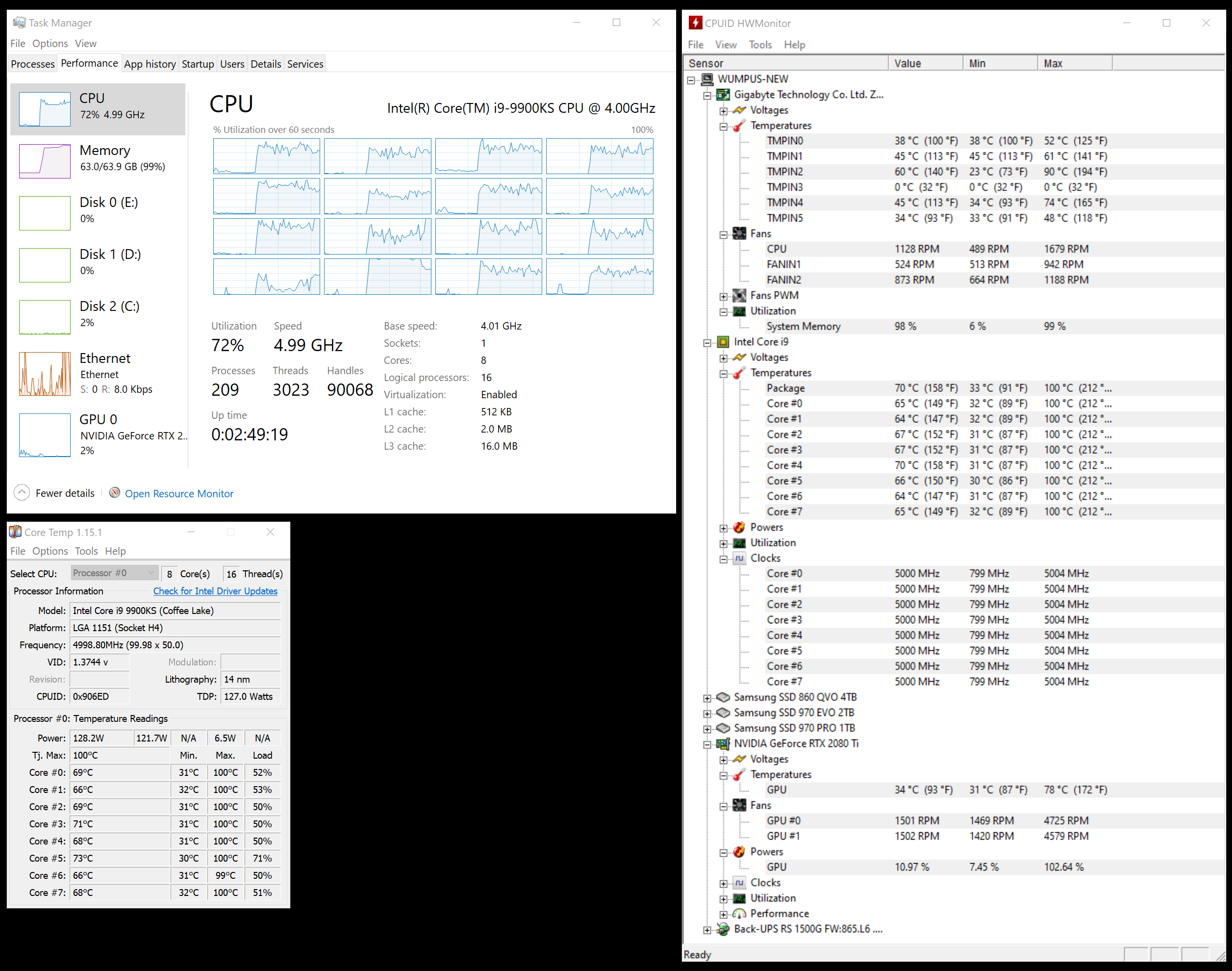
Air cooling remains a popular choice for many SFF builders due to its simplicity and reliability. However, it requires careful planning. Cases like the Streacom DA2, with its hybrid open-air design, benefit significantly from optimizing fan placement. The recommended configuration often involves strategically positioned intake and exhaust fans to create a clear path for air movement. For instance, using three fans—one for the CPU cooler, and two additional case fans (e.g., one 140mm intake, one 120mm exhaust)—can dramatically improve temperatures by ensuring constant air exchange. Removing restrictive dust filters or acrylic panels from the top and bottom of cases with partially open designs can also enhance airflow, as observed in builds within the DA2 chassis. The absence of front panel ventilation in some SFF cases makes top and bottom airflow paramount.
Liquid cooling, specifically all-in-one (AIO) liquid coolers, offers an alternative for managing extreme heat loads in SFF systems. While traditionally associated with larger cases, compact AIO units (e.g., 120mm or 140mm radiators) can fit into some SFF chassis, often occupying spaces designated for larger case fans. However, the decision to opt for liquid cooling is often weighed against potential risks, such as leaks, which can be catastrophic in a compact system. As noted by some builders, past experiences with cooling fluid leaks can deter enthusiasts from this path. Therefore, rigorous burn-in testing is crucial for any SFF build, regardless of the cooling method, to ensure stability under sustained full CPU and GPU loads. In scenarios where thermal limits are consistently pushed, builders might consider slightly less powerful components or accept the necessity of liquid cooling to maintain optimal operating temperatures.
Simplifying the Build Process
Despite the inherent challenges of working in confined spaces, the overall PC building process has become significantly more streamlined over the years. Modern component design and standardization have simplified assembly, making it more accessible to a wider audience.
Key advancements include:
- Modular Components: Power supplies, particularly SFX units designed for SFF, are often fully modular, allowing builders to connect only the necessary cables, reducing clutter.
- Integrated Storage: The rise of M.2 drives eliminates the need for separate data and power cables for storage devices, further simplifying wiring.
- User-Friendly Motherboards: Modern mini-ITX motherboards are designed with builder convenience in mind, often featuring clear headers and optimized layouts.
- Tool-less Designs: Many SFF cases incorporate tool-less or semi-tool-less features for installing drives or side panels, speeding up the assembly process.
The process often boils down to installing the CPU, memory, M.2 drives, and CPU cooler onto the motherboard outside the case, then installing this pre-assembled unit, followed by the GPU and power supply. While cable management in SFF still requires patience and foresight, the overall physical assembly is less daunting than in previous generations.
Implications for the Future of Desktop PCs
The burgeoning interest in small form factor PCs signifies a broader trend in personal computing: a move towards specialized, optimized solutions tailored to specific user needs rather than a one-size-fits-all approach. The innovation seen in SFF case design, component miniaturization, and thermal management strategies suggests that the desktop PC, far from being "over," is simply evolving.
The implications are multifaceted:
- Niche Market Growth: SFF PCs cater to a growing niche of users who prioritize aesthetics, portability, and space efficiency alongside high performance. This segment will likely continue to drive innovation in component design and chassis engineering.
- Design-Driven Innovation: The constraints of SFF building push manufacturers to innovate in areas like power delivery, cooling efficiency, and component layout. This benefits the entire PC ecosystem as these advancements often trickle down to larger form factors.
- Changing User Expectations: As SFF systems demonstrate that powerful computing doesn’t require a large footprint, user expectations for compact, elegant, and efficient designs will likely increase across all computing platforms.
- Sustainability: Smaller systems often imply less material usage in manufacturing and potentially more efficient power consumption, aligning with growing environmental consciousness.
The shift towards packing high computational power into volumes under 20 liters, and even significantly less, represents a compelling direction for the desktop PC. It demonstrates that the future of personal computing is not solely about raw horsepower, but increasingly about intelligent design, efficient engineering, and seamless integration into diverse user environments. As technology continues to miniaturize, the possibilities for compact, high-performance computing are only beginning to unfold.
About the Author