Naughty Dog’s Uncharted 4: A Thief’s End stands as a monumental achievement in the action-adventure genre, defying the common trend of franchise fatigue by concluding its main saga on an unprecedented high note. Released on May 10, 2016, for the PlayStation 4, the game garnered universal acclaim from both critics and players, solidifying its place as a benchmark for cinematic storytelling and character development in video games. Its success was not merely commercial, with over 16 million copies sold by 2019, but also critical, earning numerous accolades including the coveted Best Game award at the British Academy Games Awards (BAFTA) and the Outstanding Achievement in Video Game Writing from the Writers Guild of America. These awards underscore the game’s exceptional narrative depth and the profound impact of its character-driven dialogue, which allowed the cast to evolve beyond their established archetypes.
The Narrative Core: A Thief’s End’s Emotional Depths
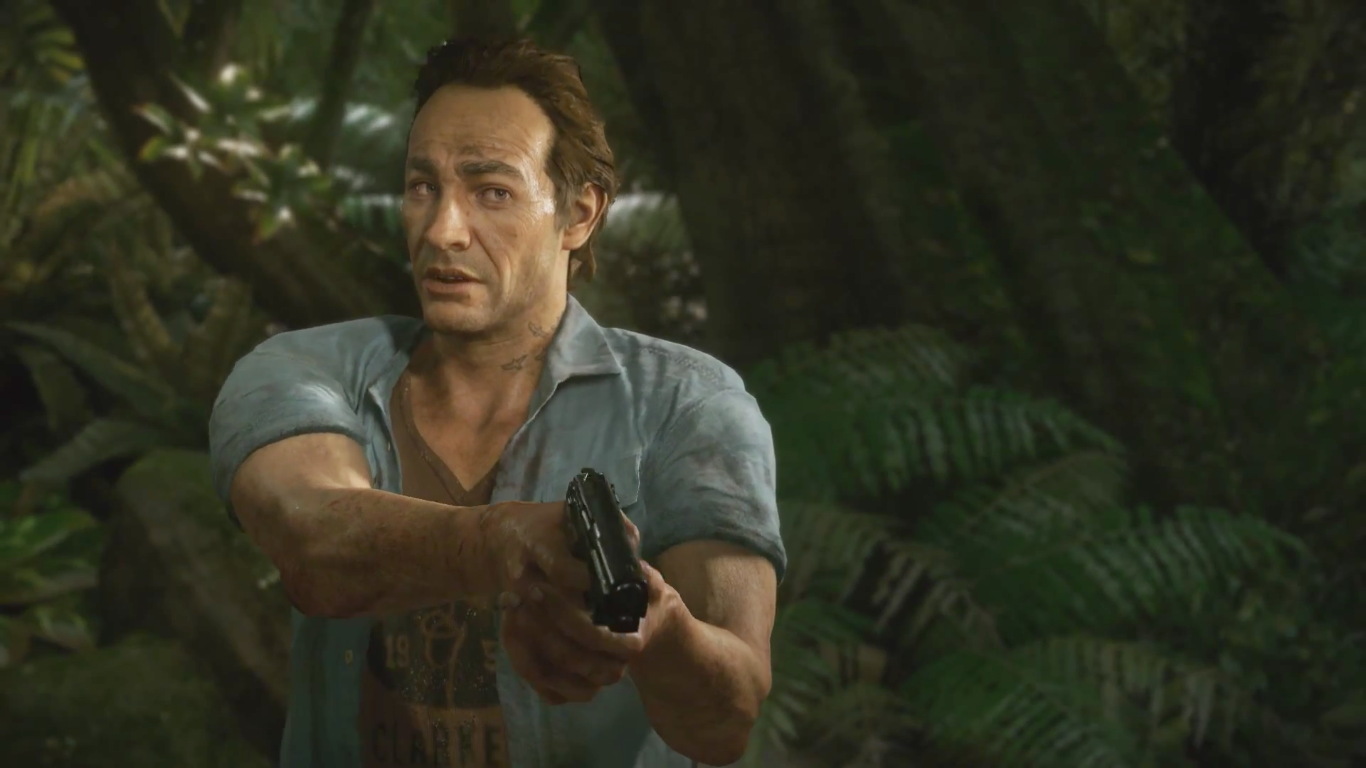
Uncharted 4: A Thief’s End picks up three years after the events of Uncharted 3: Drake’s Deception. Nathan Drake, the series’ iconic treasure hunter, has seemingly settled into a quieter, more domestic life with his wife, Elena Fisher. His days of daring escapades are replaced by a mundane job and late-night gaming sessions. This newfound tranquility is shattered with the sudden reappearance of his long-lost older brother, Sam Drake, who Nathan believed to be dead for fifteen years. Sam’s return is not a reunion of simple joy; he is entangled with a dangerous drug lord named Rafe Adler and desperately needs Nathan’s help to find the fabled treasure of pirate captain Henry Avery to pay off a life-threatening debt. This premise immediately plunges Nathan back into the world he had consciously chosen to leave behind, setting the stage for a narrative rich in internal conflict and high-stakes adventure.
The game quickly establishes the series’ signature blend of high-octane action, breathtaking set pieces, and exotic locales, from thrilling car chases through Madagascar to explorations of ancient pirate fortresses. However, beneath this spectacular facade, Uncharted 4 delves into profound themes that elevate it beyond a typical treasure hunt. At its heart, the story is a poignant exploration of family bonds, particularly the complex, often strained relationship between Nathan and Sam. It examines the powerful grip of obsession, contrasting Nathan’s ingrained passion for adventure with his commitment to the stable life he built with Elena. The narrative masterfully weaves in elements of truth and deception, as Sam’s initial lies about his predicament unravel, placing Nathan and Elena in increasing peril. This intricate web of relationships forces Nathan to confront difficult questions about his identity: Is he willing to settle for a normal life, or will his insatiable desire for discovery ultimately cost him everything? This emotional weight imbues every piece of dialogue with a significance rarely seen in action games.
Character Development Through Dialogue: The Soul of Uncharted 4
Naughty Dog’s masterful use of realistic, witty, and emotionally charged dialogue is central to Uncharted 4‘s success. The banter between characters feels natural, reflecting years of shared history and deep understanding. It’s through these exchanges that characters reveal their true motivations, fears, and affections, making them incredibly relatable and multidimensional.
Nathan Drake
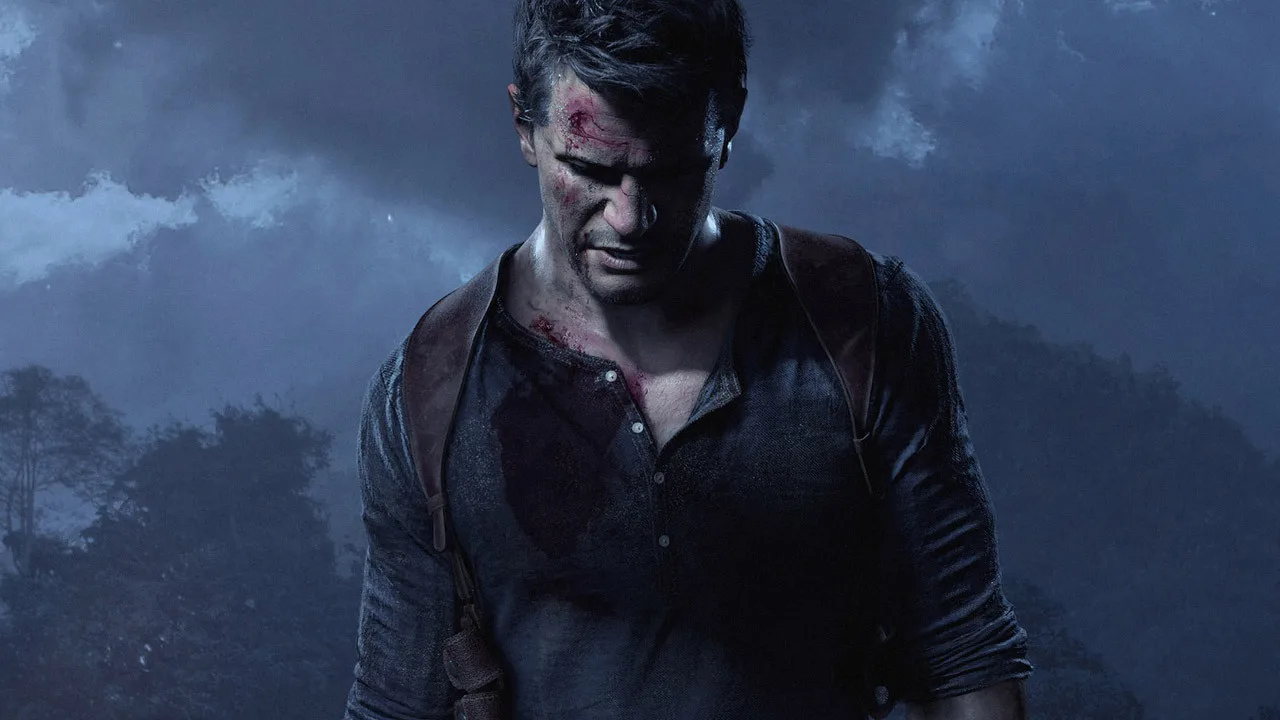
As the main playable protagonist, Nathan Drake undergoes significant evolution. While still possessing his signature sarcasm, quick thinking, and dry humor, A Thief’s End portrays a more mature, contemplative Nathan. He is caught between the thrill of his past and the responsibilities of his present, a conflict often expressed through his dialogue.
- "Sic parvis magna. Greatness from small beginnings. That’s what it means, right?" This line, Nathan’s personal motto, encapsulates his lifelong pursuit of adventure and his belief in his own destiny, even as he questions it in this installment.
- "I am a man of fortune, and I must seek my fortune." A direct quote from Henry Avery, spoken by Nathan, it highlights his deep connection to the historical figures he chases and the inherent drive within him.
- "I made a promise. And I’m going to keep it." This speaks to Nathan’s evolving sense of responsibility, particularly towards Elena, signifying a shift from self-interest to commitment.
Sam Drake
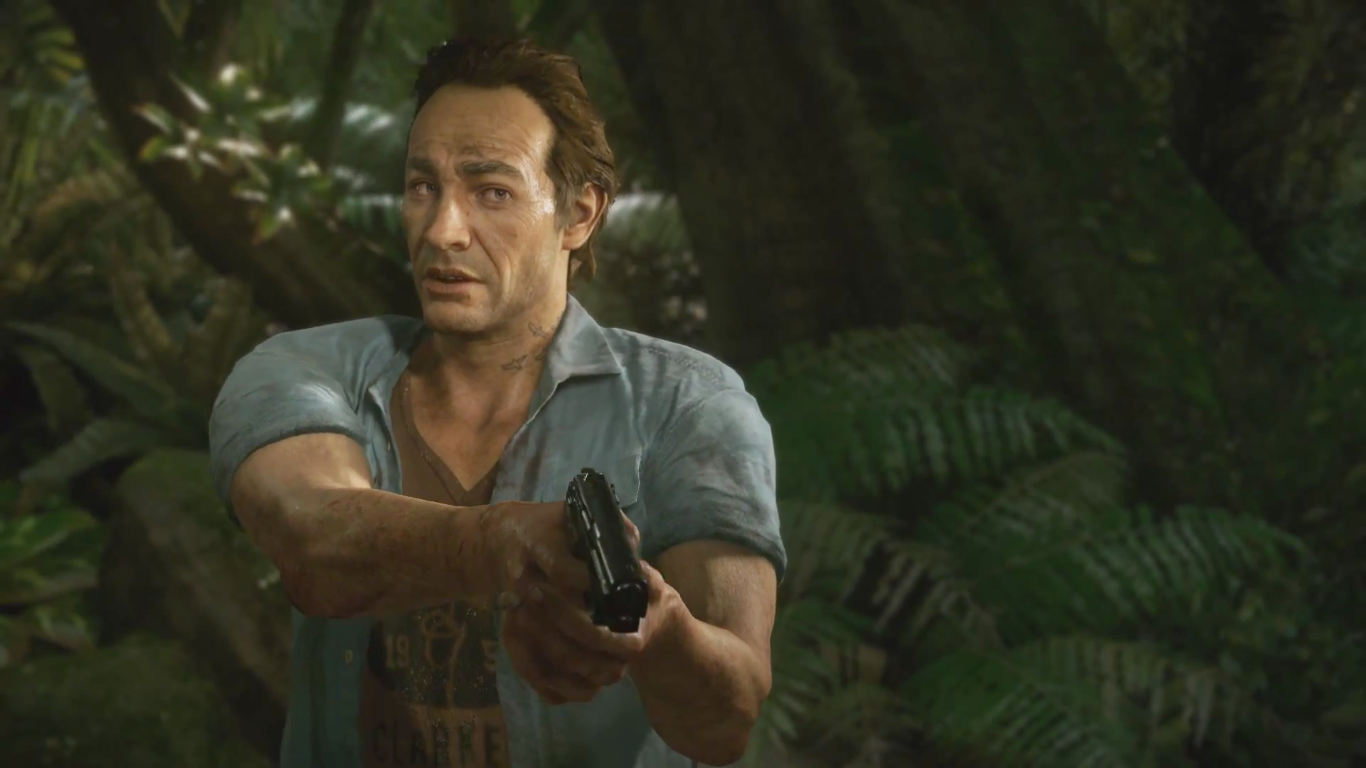
Nathan’s older brother, Sam, serves as the primary catalyst for the game’s events. Reckless and charismatic, Sam shares Nathan’s love for danger and witty repartee, but also carries a hidden burden of past trauma and manipulation. His dialogue often oscillates between casual bravado and genuine affection for his brother.
- "We were so close, Nate. This is it. Our big score." This line captures Sam’s persistent optimism and his lifelong dream of a grand treasure, which he projects onto Nathan.
- "We gotta go. You coming, or what?" This exemplifies Sam’s impulsive nature and his ability to pull Nathan into dangerous situations, despite the latter’s reluctance.
- "Some things are worth risking everything for." A core philosophy for Sam, highlighting his dedication to adventure and the perceived importance of their quest.
Elena Fisher
Elena Fisher, Nathan’s wife, is often described as his intellectual and emotional equal. A former journalist, she is intelligent, tenacious, optimistic, and possesses a sharp wit that rivals Nathan’s. She has known Nathan long enough to see through his deceptions, serving as his moral compass and the anchor to his "normal" life.
- "You are the most infuriating, stubborn, reckless man I have ever met." A classic line delivered with affection, it perfectly encapsulates Elena’s exasperation and enduring love for Nathan.
- "You know, for a guy who hates being lied to, you sure do it a lot." This cutting remark highlights Elena’s keen observational skills and her unwavering commitment to honesty within their relationship.
- "You don’t have to keep lying to me, Nate. I know you." This powerful statement emphasizes the depth of their bond and Elena’s understanding of Nathan’s inner turmoil, pushing him towards honesty.
Victor "Sully" Sullivan
The enduring mentor and surrogate father figure to Nathan, Sully provides comic relief, practical advice, and unwavering loyalty. His dialogue is often gruff but laced with affection and wisdom gleaned from years of experience.
- "Here we go again, huh? Just like old times." A nostalgic line that sets the tone for the return to adventure, acknowledging the cyclical nature of Nathan’s life.
- "Don’t push your luck, kid." A classic Sully warning, reflecting his concern for Nathan’s safety while acknowledging his inherent recklessness.
Rafe Adler
As the primary antagonist, Rafe Adler represents the dark side of treasure hunting – a privileged, ruthless individual driven by ego and a sense of entitlement. His dialogue reveals his arrogance and manipulative nature.
- "You think I’d let you just walk away with my treasure?" This line encapsulates Rafe’s possessive and entitled nature, viewing Avery’s treasure as his birthright rather than something earned.
The game also masterfully employs "lighter moments" and environmental dialogue. From casual conversations about mundane tasks to spontaneous observations during intense action sequences, these unscripted-feeling exchanges add a layer of authenticity and camaraderie that makes the characters feel alive. Whether it’s Nathan complaining about a sore back after a fall or Sam making a snarky comment about a broken mechanism, these small interactions contribute immensely to the game’s immersive world and character depth.
Production and Development Context
The development of Uncharted 4 was not without its challenges, yet Naughty Dog’s commitment to delivering a fitting conclusion remained steadfast. Initial development saw veteran creative director Amy Hennig at the helm, who had shaped the first three Uncharted games. Her departure in 2014 led to Neil Druckmann and Bruce Straley, known for their work on The Last of Us, taking over as creative directors. This transition brought a distinct narrative focus, emphasizing character depth and emotional resonance, which ultimately defined A Thief’s End.
The game benefited immensely from the PlayStation 4’s advanced hardware, allowing Naughty Dog to push boundaries in graphical fidelity, animation, and performance capture. The detailed environments, lifelike character models, and fluid animations contributed significantly to the cinematic quality of the storytelling. The team invested heavily in motion capture technology to translate nuanced performances from voice actors Nolan North (Nathan), Troy Baker (Sam), and Emily Rose (Elena) directly into the game, enhancing the emotional impact of their dialogue and interactions.
Timeline of Key Events:
- 2013: Uncharted 4 announced, initially under the working title "Uncharted for PlayStation 4."
- March 2014: Amy Hennig departs Naughty Dog; Neil Druckmann and Bruce Straley take over as creative directors.
- December 2014: First gameplay reveal at PlayStation Experience.
- June 2015: "A Thief’s End" subtitle officially revealed at E3.
- May 10, 2016: Uncharted 4: A Thief’s End is officially released worldwide.
- December 2016: Uncharted: The Lost Legacy (a standalone expansion featuring Chloe Frazer and Nadine Ross) is announced.
- August 2017: Uncharted: The Lost Legacy is released, further expanding the Uncharted universe.
Critical Reception and Industry Impact
Upon its release, Uncharted 4 was met with near-universal critical acclaim, achieving an aggregate score of 93/100 on Metacritic, making it one of the highest-rated games of its generation. Reviewers lauded virtually every aspect of the game. The narrative received particular praise for its maturity, emotional depth, and satisfying conclusion to Nathan Drake’s story. The character writing, particularly the complex relationships between Nathan, Sam, and Elena, was frequently highlighted as a standout feature. Critics also commended the stunning visual fidelity, detailed environments, and improved gameplay mechanics, which refined the series’ signature blend of combat, traversal, and puzzle-solving.
Commercially, the game was a resounding success, selling over 2.7 million copies in its first week and becoming the fastest-selling PlayStation 4 exclusive at the time. Its sustained sales performance cemented its status as a commercial juggernaut for Sony and Naughty Dog.
The game’s impact extended beyond its immediate success. Uncharted 4 raised the bar for cinematic action-adventure games, demonstrating how a compelling, character-driven narrative could be seamlessly integrated with blockbuster action. It solidified Naughty Dog’s reputation as a premier developer capable of delivering critically acclaimed and commercially successful titles with a strong emphasis on storytelling and emotional resonance. Its influence can be seen in subsequent titles across the industry that strive for similar levels of narrative ambition and character depth.
Legacy and Future Implications
Uncharted 4: A Thief’s End delivered a truly definitive conclusion for Nathan Drake, allowing players to witness his final, most personal adventure and ultimately find peace in a life beyond fortune hunting. The ending provided a sense of closure that few long-running franchises achieve, making the journey feel complete and meaningful.
While A Thief’s End marked Nathan Drake’s farewell, the Uncharted universe continued with the standalone expansion, Uncharted: The Lost Legacy. This critically acclaimed title featured fan-favorite characters Chloe Frazer and Nadine Ross, proving that the franchise’s spirit of adventure could thrive with new protagonists, further cementing the rich world Naughty Dog had created. The Uncharted legacy also expanded into other media, most notably with the 2022 film adaptation starring Tom Holland as a young Nathan Drake, introducing the iconic characters to an even broader audience.
Years after its release, Uncharted 4 continues to be celebrated for its enduring appeal, a testament to its timeless narrative, unforgettable characters, and groundbreaking technical achievements. Developers at Naughty Dog have frequently expressed immense pride in Uncharted 4‘s narrative achievements, particularly its ability to deliver a conclusive and emotionally resonant story for its beloved characters, emphasizing their commitment to character-driven experiences. The game remains a powerful example of how video games can evolve as a storytelling medium, offering complex narratives that resonate deeply with players and leave a lasting impression on the cultural landscape.
About the Author