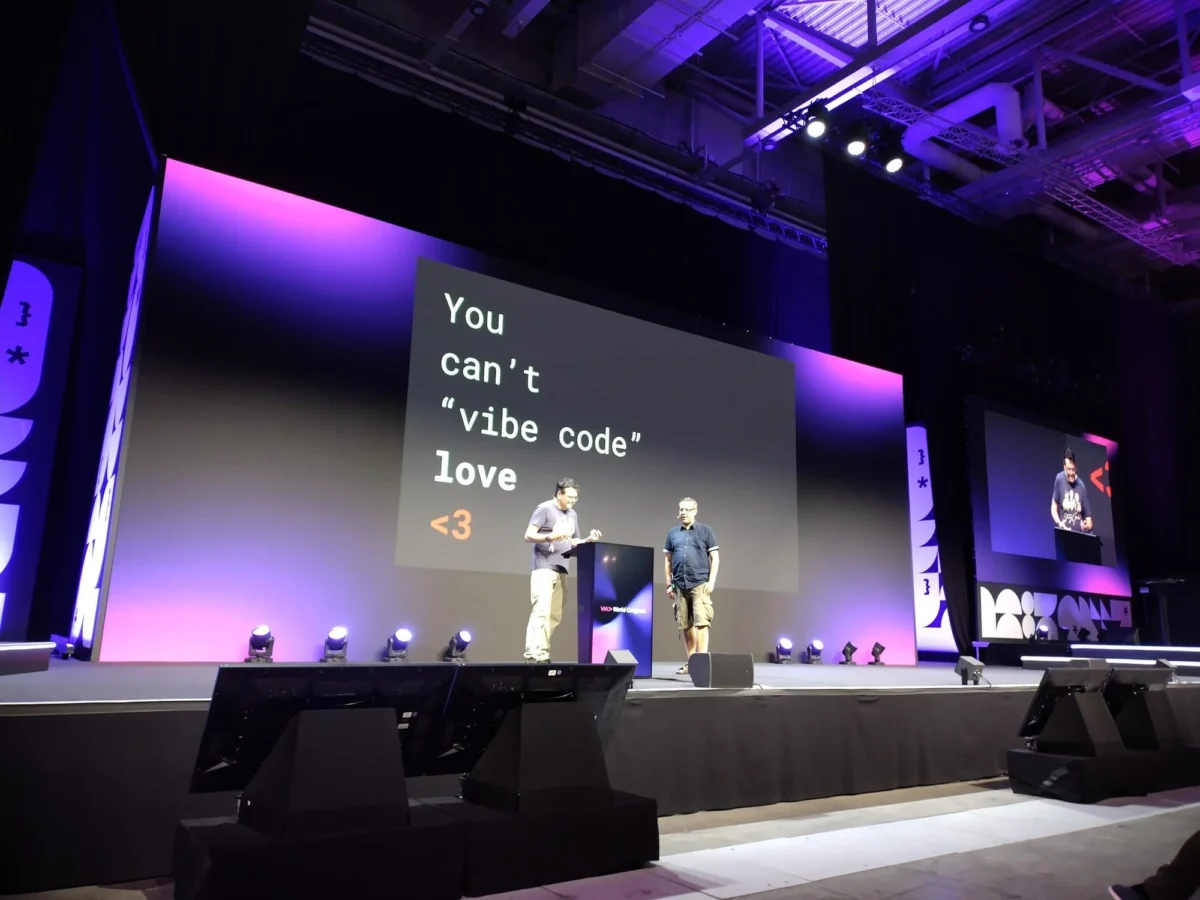
BERLIN – In a pivotal address at the WeAreDevelopers World Congress 2026 in Berlin, internet entrepreneur and Stack Overflow co-founder Jeff Atwood, alongside early Stack Overflow community pioneer Ben Dumke-von der Ehe, delivered a thought-provoking presentation that delved into the evolving landscape of digital knowledge sharing, the enduring power of community, and the transformative, yet challenging, impact of large language models (LLMs) on the developer ecosystem. The joint presentation, titled "None of Us Is As Dumb As All of Us: Community And Knowledge Go Hand In Hand," took place on Friday, July 10th, at the CityCube, serving as a critical reflection on the past, present, and future of collaborative learning in the age of artificial intelligence.
A Landmark Presentation at WeAreDevelopers 2026
The WeAreDevelopers World Congress, renowned as one of the largest global events for developers, annually convenes tens of thousands of professionals, thought leaders, and innovators to discuss the latest trends, technologies, and challenges facing the software development world. The 2026 edition in Berlin continued this tradition, providing a significant platform for discussions on cutting-edge topics, from AI and machine learning to cybersecurity and cloud computing. It was within this dynamic environment that Atwood, a figure synonymous with the genesis of modern developer communities, chose to make a rare international speaking appearance.
Atwood’s decision to accept the invitation, which arrived approximately a year prior to the event, was contingent on a specific condition: that he would share the stage with Ben Dumke-von der Ehe. Dumke-von der Ehe, based in Berlin, holds a unique place in Stack Overflow’s history as one of its earliest community hires. His journey, marked by initial involvement, departure, and a subsequent return before a second departure, underscores the deep personal connections forged within the platform’s early days. This collaboration was not merely a professional pairing but a narrative deeply rooted in shared experiences and mutual respect, with both individuals bringing distinct perspectives and opinions on the critical topic of community and knowledge.
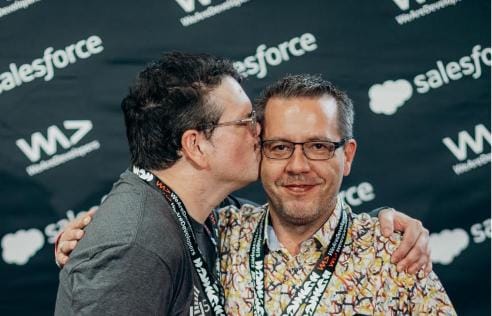
The presentation itself was anchored by the profound personal story of how Atwood and Dumke-von der Ehe’s lives intersected through Stack Overflow. Atwood candidly stated on stage, "The long version of this story is that we changed each others’ lives. The short version is: unicorns." This evocative metaphor highlighted the almost mythical synergy that defined their early collaboration and the profound impact of community on individual careers and personal growth. Dumke-von der Ehe’s own account of his journey, particularly how his passion for programming blossomed within the Stack Overflow environment and even led to his employment for "doing things he loved," stands as a powerful testament to the platform’s initial vision. Atwood openly acknowledged his immense gratitude, telling Dumke-von der Ehe, "I’m mostly doing this presentation because I owe you so much."
The Genesis and Ethos of Stack Overflow’s Commons
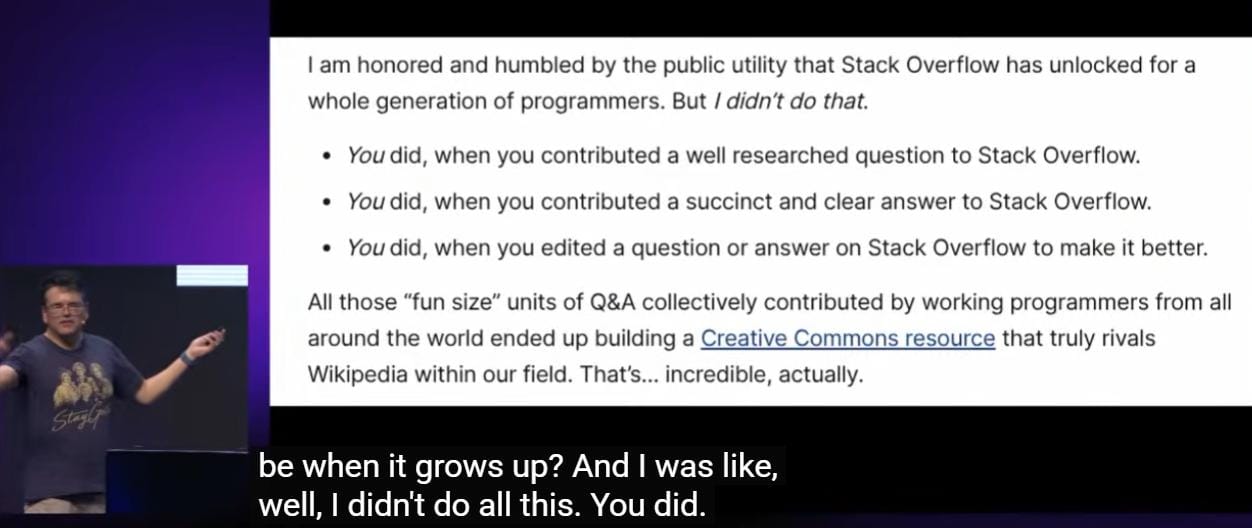
The gratitude extended beyond Dumke-von der Ehe to every individual who contributed to Stack Overflow. Atwood emphasized that the monumental success and influence of the platform were a collective achievement. "We did it together, under a bedrock Creative Commons license that respected the effort everyone put into their work to build this commons, this hugely influential Stack Overflow dataset," he stated. This Creative Commons license has been a cornerstone of Stack Overflow’s philosophy, ensuring that the vast repository of programming knowledge created by its global community remains openly accessible and attributable, fostering a true digital commons for developers worldwide.
Since its inception in 2008, Stack Overflow rapidly became an indispensable resource for programmers, evolving into the de facto Q&A site for coding problems. Its success was built on a model of community-driven content, peer review, and a reputation system that incentivized high-quality answers. The platform’s commitment to open access through its licensing model allowed its content to permeate search results, becoming the first port of call for countless developers encountering coding hurdles. This vision aligns perfectly with Atwood’s long-held "higher level goals of Stack Overflow," articulated in his "What Does Stack Overflow Want to Be When It Grows Up?" essay. He posited that the primary objective was for developers to passively find answers through search, ideally eliminating the need to ask new questions. "If Stack Overflow is working like it’s supposed to, 98% of programmers should get all the answers they need from reading search result pages and wouldn’t need to ask or answer a single question in their entire careers. This is a good thing! Great, even!" he reiterated, underscoring the platform’s role as an ultimate knowledge repository.
The AI Revolution and Its Double-Edged Sword

The emergence and rapid proliferation of Large Language Models (LLMs) like ChatGPT, GitHub Copilot, and others have introduced a new dynamic into this established ecosystem. Atwood acknowledged the significant benefits these AI tools bring, particularly in tackling a long-standing challenge for Q&A platforms: duplicate questions. He described the "gordian knot" of managing an ever-growing pool of questions, where finding a truly unique question becomes "mission almost impossible" as the database expands from millions to tens of millions of entries. The effort required for users to navigate this "vast, enormous field of prior art questions without stepping on any of the vaguely similar looking landmines" was immense.
LLMs, with their advanced natural language processing capabilities, offer a transformative solution. They can effectively map a user’s question, even if phrased entirely differently, to an existing answer within the vast knowledge base, thereby dramatically reducing the incidence of duplicates. This capability, Atwood argued, is "incredibly transformative, and a huge net positive. Less duplication. More answers, faster. That’s the point." For individual developers, this translates to immediate access to solutions, bypassing the need to formulate a question, wait for answers, or sift through potentially redundant information. The efficiency gains for developers globally are substantial, potentially freeing up countless hours previously spent on problem diagnosis and solution discovery.
However, the presentation quickly pivoted to the critical implications of this technological shift, posing a fundamental question that resonated deeply with the audience: "But what happens to the commons when everyone is privately whispering to LLMs?" This query highlights the core tension between individual efficiency and collective sustainability. If developers increasingly turn to AI assistants for immediate, private answers, the traditional public forums for knowledge exchange, like Stack Overflow, face a significant challenge.
Protecting the Digital Commons: A Call to Action
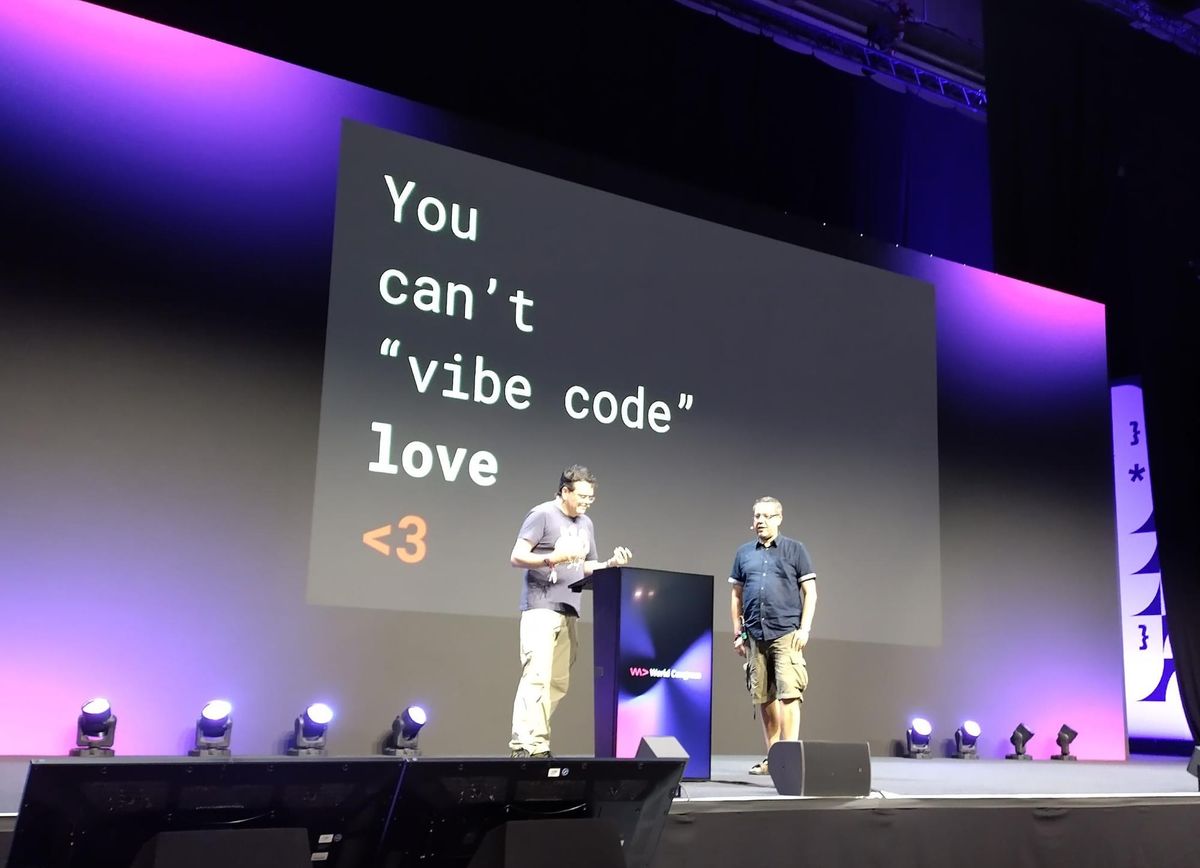
The concern articulated by Atwood and Dumke-von der Ehe centers on the potential erosion of the very communities that nurtured developers like Ben and built the foundational dataset for these LLMs. Dumke-von der Ehe’s experience of finding joy and professional opportunity through collaborative learning on Stack Overflow exemplifies the intrinsic value of these public commons. The act of asking, answering, and refining questions in a communal space fosters not just technical proficiency but also a sense of belonging, mentorship, and shared purpose – elements that AI, in its current form, cannot replicate. As Atwood succinctly put it, alluding to the human element of collaboration, "You can’t ‘vibe code’ love."
The implications extend far beyond sentiment. A critical question arises regarding the future supply of training data for LLMs. If the active contribution to public knowledge bases diminishes because individuals are privately consulting AI, where will the next generation of solutions, insights, and novel programming paradigms originate? The current generation of LLMs has been largely trained on vast datasets scraped from the open internet, including, significantly, the Creative Commons licensed content of Stack Overflow. If this wellspring of human-generated, peer-reviewed knowledge begins to dry up due to a shift towards private AI interactions, the long-term growth and evolution of AI itself could be jeopardized.
This creates a paradoxical situation: the very tools designed to enhance productivity by leveraging existing communal knowledge could inadvertently starve the future creation of that knowledge. The presentation served as a stark reminder that innovation is often a social process, born from public discourse, shared challenges, and collaborative problem-solving. The silent consultation of an AI, while efficient for individual tasks, bypasses the public vetting, debate, and emergent learning that characterizes thriving communities.
The Future of Collaborative Knowledge
The discussion at WeAreDevelopers 2026 underscored the urgent need for a renewed focus on nurturing and protecting these digital commons. It’s not merely about preserving legacy platforms but about safeguarding the mechanisms through which new knowledge is generated, validated, and disseminated in a way that benefits everyone. This involves rethinking how developer communities can adapt to an AI-augmented world, perhaps by integrating AI tools in ways that encourage public contribution rather than replacing it.
Atwood and Dumke-von der Ehe’s shared concern highlights a crucial inflection point for the tech industry. As AI becomes more ubiquitous, the industry must grapple with the ethical and practical questions surrounding data provenance, intellectual property, and the sustainability of knowledge creation. The Creative Commons license, which once guaranteed open access and attribution for Stack Overflow’s content, now faces new challenges in an era where data is ingested and transformed by algorithms, sometimes without clear attribution or reciprocal contribution.
The presentation concluded with a powerful call to action: to collectively build for and protect the commons. It emphasized that sharing knowledge, and indeed fostering a sense of camaraderie and "love" within the community, is paramount for continued innovation and human flourishing in the digital age. The question "How will we continue to share knowledge – and love – with each other?" serves as a guiding principle for navigating this complex future, urging developers and industry leaders alike to consider not just the immediate efficiency gains of AI, but the long-term health and vitality of the collaborative ecosystem that fuels technological progress. The message from Berlin was clear: while AI offers incredible promise, the human element of community and shared creation remains irreplaceable and essential for the future of knowledge.
About the Author