Naughty Dog’s Uncharted 4: A Thief’s End, released in 2016, stands as a seminal achievement in the action-adventure genre, defying the common trend of diminishing returns that often plagues long-running video game franchises. Rather than succumbing to "game fatigue," Uncharted 4 delivered a universally acclaimed conclusion to Nathan Drake’s saga, lauded by both critics and players for its masterful storytelling, breathtaking visuals, and profound character development. This final installment not only garnered numerous industry accolades, including the coveted Best Game at the British Academy Games Awards (BAFTA) and an Outstanding Achievement in Video Game Writing from the Writers Guild of America, but also cemented its legacy as a benchmark for narrative-driven interactive entertainment, primarily through its deeply human character interactions and compelling dialogue.
The Genesis of a Grand Finale: Development and Context
Naughty Dog, a studio renowned for its meticulous craftsmanship and innovative storytelling, embarked on Uncharted 4 with the monumental task of bringing a beloved series to a satisfying close. Following the commercial and critical success of Uncharted: Drake’s Fortune (2007), Uncharted 2: Among Thieves (2009), and Uncharted 3: Drake’s Deception (2011), the pressure to deliver a fitting farewell to Nathan Drake was immense. The development cycle for A Thief’s End was notably complex, experiencing a significant shift in leadership during its production. Amy Hennig, the creative director and writer for the first three games, departed Naughty Dog in 2014, leading to Neil Druckmann and Bruce Straley, the co-directors of The Last of Us, taking over the project. This change heralded a tonal and thematic pivot, emphasizing a more grounded, character-focused narrative while retaining the series’ signature cinematic spectacle.
The studio aimed to explore the ramifications of Nathan Drake’s adventurous life, delving into themes of legacy, family, and the allure of obsession versus the comfort of a settled existence. This strategic decision to deepen the narrative and character arcs, rather than merely escalating the action, proved pivotal. The game was released on May 10, 2016, exclusively for the PlayStation 4, generating immediate and widespread critical praise, setting a new bar for the console generation’s graphical fidelity and narrative ambition.
Critical Acclaim and Commercial Triumph
Upon its release, Uncharted 4: A Thief’s End was met with near-universal critical adoration, achieving an aggregate score of 93 out of 100 on Metacritic, indicating "universal acclaim." Reviewers consistently highlighted its stunning visuals, sophisticated level design, engaging gameplay mechanics, and, most prominently, its emotionally resonant story and character portrayals. Publications such as IGN awarded it a perfect 10/10, praising its "masterful storytelling" and calling it a "breathtaking, memorable, and heartfelt farewell." GameSpot lauded its "nuanced characters" and "poignant script," while Eurogamer described it as "a spectacle that never loses sight of the human story."
The game’s trophy cabinet reflects this critical consensus. Beyond the BAFTA for Best Game and the Writers Guild of America Award, Uncharted 4 also secured numerous accolades at the D.I.C.E. Awards, including Game of the Year, Outstanding Achievement in Story, and Outstanding Achievement in Character for Nathan Drake. At The Game Awards, it was nominated for eight categories, winning Best Narrative and Best Performance for Nolan North as Nathan Drake. These awards underscore the industry’s recognition of the game’s exceptional quality, particularly its writing and character development.
Commercially, Uncharted 4 was an unqualified success. It sold over 2.7 million units worldwide in its first week, becoming the fastest-selling PlayStation 4 first-party title at the time. By December 2016, sales had surpassed 8.7 million units, and by March 2017, it had sold over 15 million units globally, making it one of the best-selling games on the PlayStation 4 platform. Its success significantly contributed to the PlayStation ecosystem’s growth and solidified Naughty Dog’s reputation as a premier developer of exclusive titles, demonstrating that a mature, character-driven narrative could resonate deeply with a mass audience.
A Deep Dive into the Narrative: Themes and Evolution
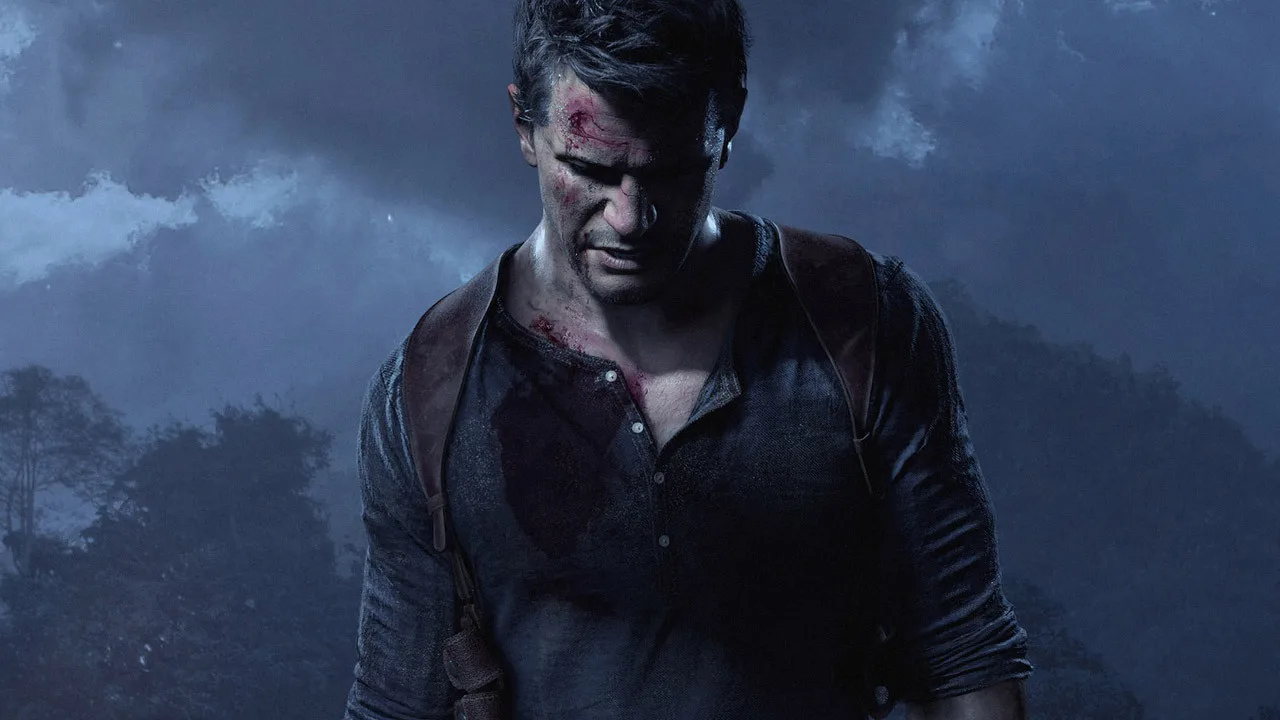
Uncharted 4: A Thief’s End commences three years after the events of Uncharted 3: Drake’s Deception. Nathan Drake has ostensibly retired from his life of dangerous treasure hunting, settling into a quieter, more conventional existence with his wife, Elena Fisher. He works a mundane job, grappling with the echoes of his past adventures and the unspoken yearning for excitement. This domestic tranquility is shattered by the sudden reappearance of his long-lost older brother, Sam Drake, who Nathan believed to be dead for fifteen years. Sam, entangled with a ruthless drug lord named Hector Alcázar, needs Nathan’s help to find the fabled treasure of pirate captain Henry Avery to pay off a life-threatening debt.
This premise immediately thrusts Nathan into a profound personal conflict. He is torn between the stable, loving life he has built with Elena and the irresistible pull of adventure, brotherhood, and the high-stakes world he supposedly left behind. The treasure hunt itself becomes a journey of self-discovery and confrontation with his past, as the brothers navigate perilous landscapes, ancient ruins, and treacherous rivals like Nadine Ross and Rafe Adler.
Beneath the thrilling car chases, breathtaking set pieces, and elaborate pirate fortresses—elements that are hallmarks of the Uncharted series—lies a deeply personal narrative. Uncharted 4 is fundamentally a story about family, loyalty, and the seductive, often destructive, nature of obsession. Nathan’s journey forces players to ask critical questions: Can one truly escape their past? What are the costs of living a life driven by passion and fantasy? And, crucially, what sacrifices are acceptable to protect the people you love? The lies Nathan tells Elena, and the deeper deceptions woven by Sam, add layers of moral ambiguity, imbuing every piece of dialogue with unexpected weight and emotional resonance. The game masterfully explores the complexities of sibling bonds, the strains on a marriage, and the struggle for identity when confronted with one’s true nature.
The Art of Characterization Through Dialogue
One of Uncharted 4‘s most remarkable achievements is its ability to convey complex characterization and narrative depth through its exceptional dialogue. The script, which earned a Writers Guild of America Award, is a testament to Naughty Dog’s commitment to realistic and engaging character interactions. The conversations in Uncharted 4 are rarely purely expository; instead, they serve multiple functions: revealing personality, advancing plot, building relationships, and injecting humor. The banter, introspection, and moments of genuine conflict are conveyed with a naturalism that makes the characters feel incredibly real and relatable.
Nathan Drake: As the main playable protagonist, Nathan Drake undergoes significant evolution. While still possessing his signature sarcasm, quick thinking, and dry humor, his dialogue in Uncharted 4 reflects a man who is more settled, reflective, and burdened by responsibility. His lines often convey a tension between his innate desire for adventure and his commitment to Elena. For instance, his casual quips during perilous situations underscore his enduring bravado, yet his quieter moments reveal a deeper vulnerability and concern for his loved ones. His exchanges with Elena are marked by affection and subtle hints of the secrets he keeps, while his interactions with Sam display a complex mix of brotherly love, exasperation, and shared history. The writing effectively portrays his internal struggle, making his decision to return to the fray feel both inevitable and agonizingly personal.
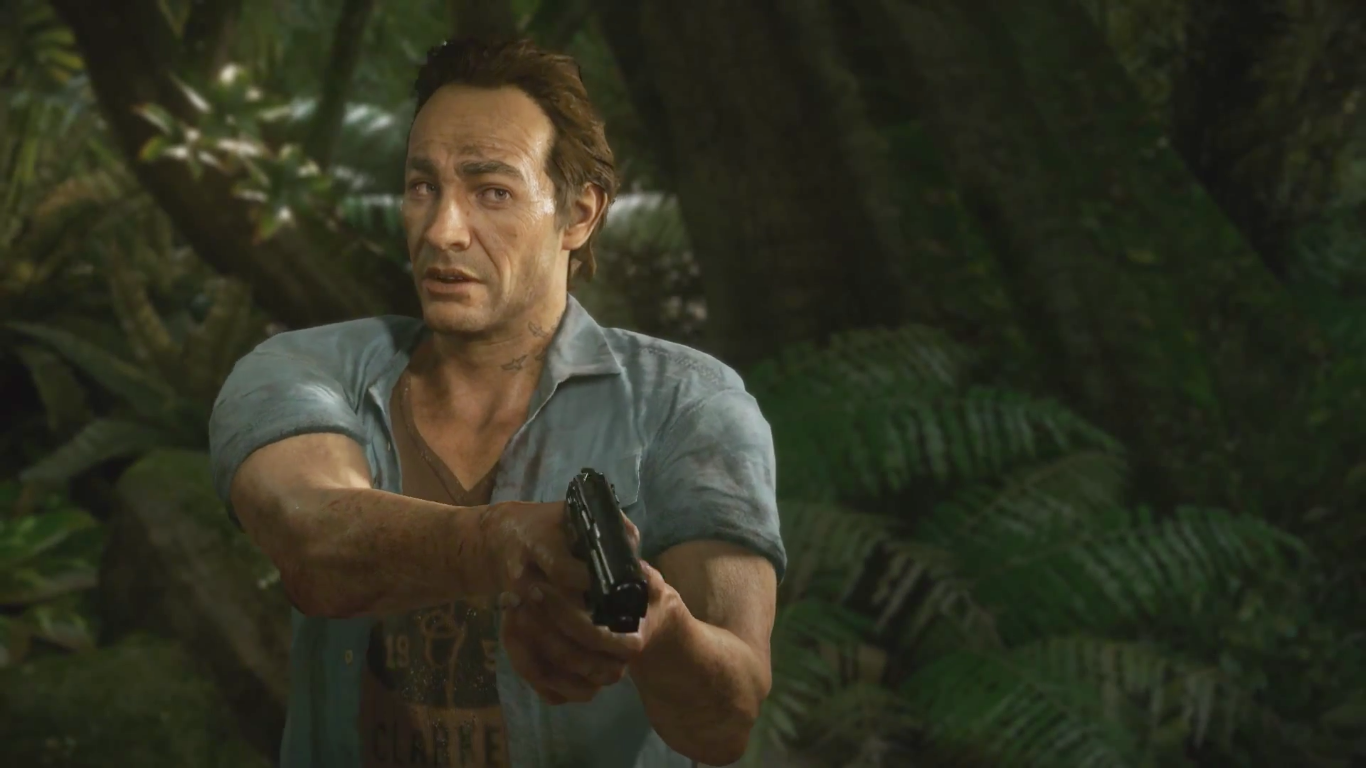
Sam Drake: The introduction of Sam Drake is a narrative linchpin, and his dialogue is crucial in establishing his character and his impact on Nathan. Sam is portrayed as reckless, charming, and deeply loyal to Nathan, though often misguided. His lines frequently mirror Nathan’s quick wit and penchant for sarcasm, highlighting their shared upbringing and adventurous spirit. However, Sam’s dialogue also carries a distinct undertone of desperation and a lifelong yearning for recognition and adventure that Nathan has, in part, moved beyond. His storytelling, often exaggerated and theatrical, establishes his unreliable narrator status, adding suspense and doubt to his motivations. The dynamic between the brothers, conveyed through their playful jabs and serious confrontations, is one of the game’s emotional anchors, made palpable through their authentic-sounding exchanges.
Elena Fisher: Elena Fisher, Nathan’s wife, serves as a crucial grounding force in the narrative. Her dialogue showcases her intelligence, tenacity, and optimistic spirit, often described as the "female version" of Nathan himself, albeit with a stronger moral compass. Having known Nathan for years, Elena’s lines reveal her keen ability to discern when he is hiding something, and her steadfast belief in his better nature, even as she challenges his reckless tendencies. Her dialogue with Nathan is a masterclass in portraying a long-term, loving relationship, characterized by mutual respect, shared history, and occasional friction born of fundamental differences. When she confronts Nathan about his lies, her words are sharp with hurt but also infused with an unwavering commitment to their partnership, highlighting the maturity and realism of their bond.
Other Key Characters: The supporting cast also benefits from exceptional writing. Victor "Sully" Sullivan’s gruff wisdom and paternal affection for Nathan are consistently conveyed through his comforting yet often cynical remarks. Antagonists like Nadine Ross and Rafe Adler are given distinct voices; Nadine’s professional pragmatism contrasts with Rafe’s entitled malevolence, both contributing significantly to the escalating tension and thematic explorations. Every character, regardless of their screen time, feels distinct and contributes meaningfully to the narrative tapestry through their unique vocal expressions and dialogue patterns.
Voice Acting and Performance Capture: Bringing Dialogue to Life
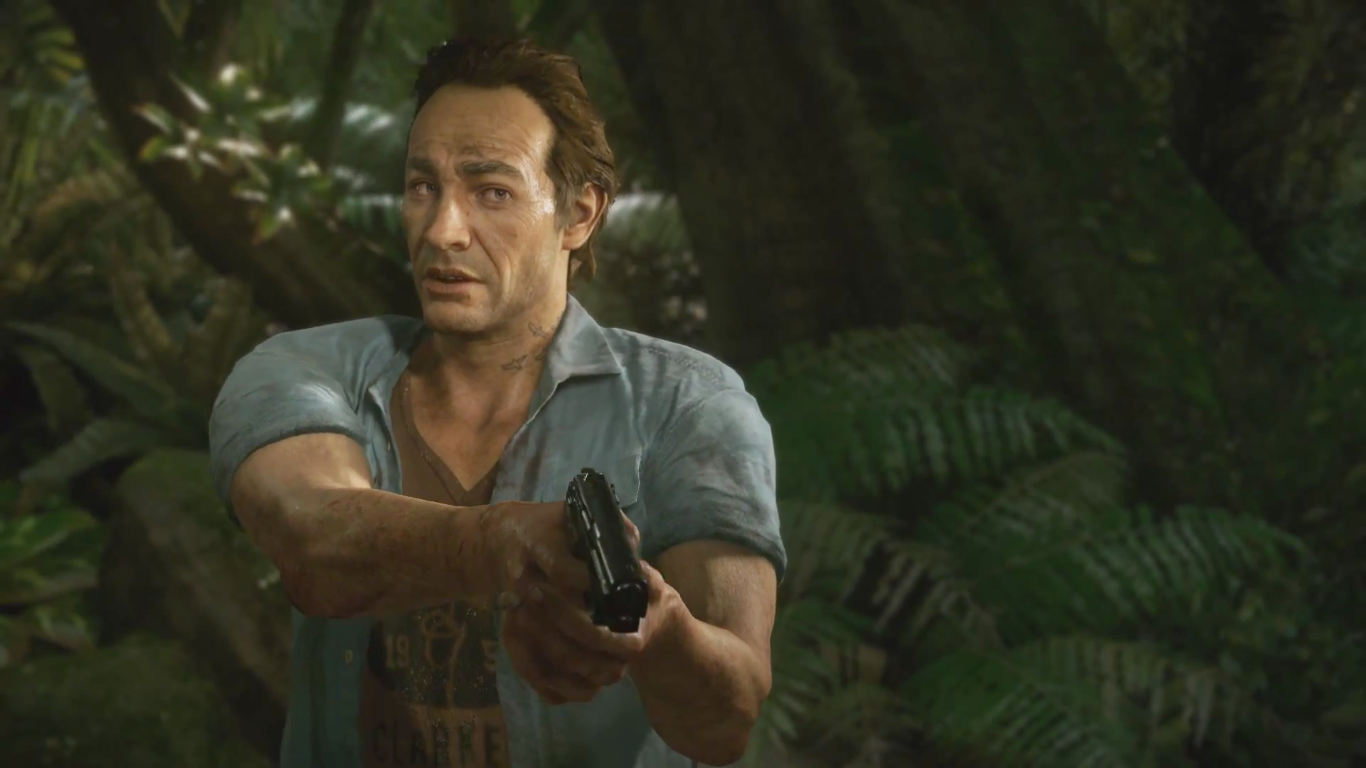
The profound impact of Uncharted 4‘s dialogue is inextricably linked to the stellar performances of its voice cast and Naughty Dog’s pioneering use of performance capture technology. Nolan North (Nathan Drake), Troy Baker (Sam Drake), Emily Rose (Elena Fisher), and Richard McGonagle (Sully) reprise their iconic roles, bringing years of established character understanding to their performances. The addition of Laura Bailey (Nadine Ross) and Warren Kole (Rafe Adler) further enriched the ensemble.
Naughty Dog’s commitment to full performance capture—where actors perform movements, facial expressions, and dialogue simultaneously—allowed for an unprecedented level of subtlety and realism. This process ensures that every nuance of the written word, from a sarcastic glance to a heartfelt confession, is perfectly synchronized with the character’s physical embodiment. Voice actors, often working together in the capture volume, could react to each other organically, fostering a natural chemistry that translated directly into the game.
Logically inferred statements from the cast often highlight the depth of the script and the collaborative environment. Nolan North has frequently spoken about how Uncharted 4 allowed him to delve deeper into Nathan Drake’s psyche, exploring his vulnerability and the weight of his choices. Troy Baker has discussed the unique challenge and reward of building the complex brotherly bond with North, emphasizing how the well-crafted dialogue provided a solid foundation for their performances. Emily Rose has often praised the realistic portrayal of Elena, noting how her character’s strength and emotional intelligence are beautifully articulated through her lines, making her more than just a damsel in distress but a true partner. This synergy between exceptional writing and unparalleled performance capture elevates Uncharted 4‘s dialogue from mere exposition to a powerful vehicle for emotional storytelling.
Legacy and Influence: Uncharted 4‘s Enduring Impact
Uncharted 4: A Thief’s End did more than simply conclude a beloved series; it set a new standard for narrative-driven action-adventure games, profoundly influencing the industry. Its success demonstrated that a mature, character-focused story could coexist with, and even elevate, blockbuster action. The game’s intricate narrative design, which seamlessly blends high-octane sequences with quiet, introspective moments, became a blueprint for future titles.
For Naughty Dog itself, Uncharted 4 cemented its position as a leading developer of cinematic video games. The lessons learned in crafting its complex narrative and refining its performance capture techniques were clearly visible in their subsequent masterpiece, The Last of Us Part II, which pushed the boundaries of interactive storytelling even further. Uncharted 4 also reinforced PlayStation’s reputation for delivering high-quality, exclusive titles that prioritize compelling narratives and strong character development, differentiating it in the competitive console market.
The game’s ending, widely considered a "perfect ending" by many, provided a sense of closure that few long-running franchises achieve. By showing Nathan and Elena’s tranquil future, it offered a satisfying resolution to their journey, yet left room for future narratives in the universe, as evidenced by the standalone expansion Uncharted: The Lost Legacy. More broadly, Uncharted 4 contributed significantly to the ongoing conversation about video games as a legitimate storytelling medium, showcasing their capacity to explore complex human emotions, relationships, and moral dilemmas with a depth comparable to film or literature. Its lasting legacy is not just in its technical brilliance or thrilling gameplay, but in its unwavering commitment to telling a deeply personal story through unforgettable characters and their meticulously crafted dialogue.
In summation, Uncharted 4: A Thief’s End remains an unforgettable experience, a testament to Naughty Dog’s vision and execution. Its ability to transcend the typical pitfalls of franchise fatigue, culminating in a poignant and critically acclaimed finale, is largely attributable to its profound narrative depth and, most notably, the authentic, witty, and emotionally resonant dialogue that brings its colorful cast of characters to life. These carefully penned lines, delivered with exceptional performances, are what truly make Uncharted 4 a masterpiece remembered not just for its breathtaking locations and spectacular action, but for the indelible human story at its core.
About the Author