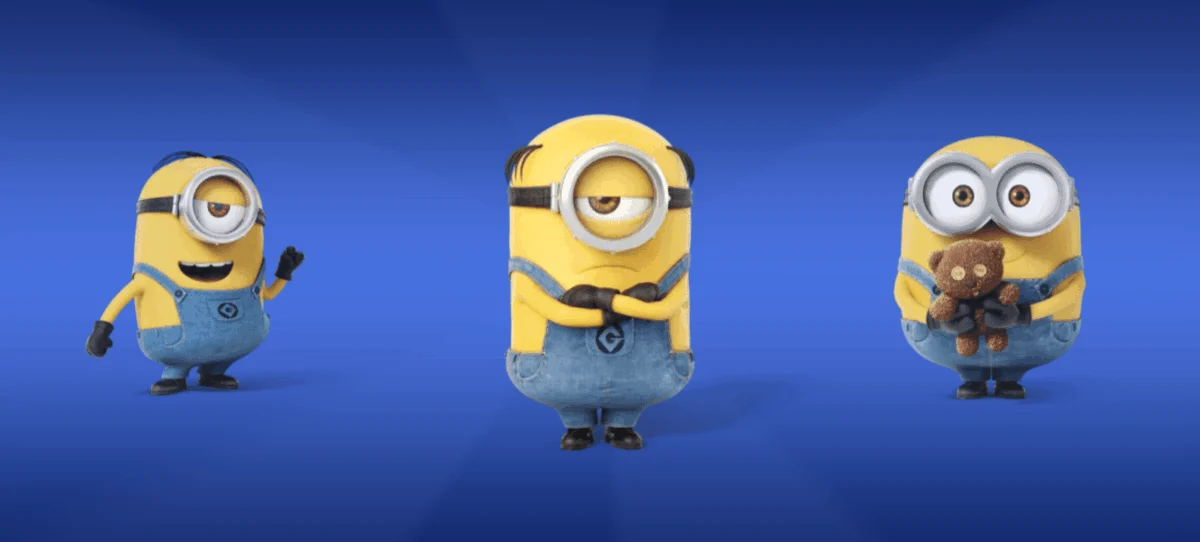
Gameloft, a global leader in the development and publishing of mobile games, has officially announced the beginning of the end for one of its most recognizable and enduring titles, Minion Rush. After more than 11 years of operation, the mobile endless runner based on Illumination’s Despicable Me franchise will begin a phased decommissioning process starting in late 2024 and concluding with a full server shutdown in early 2027. This decision marks the conclusion of a significant era in mobile gaming, as Minion Rush was once a cornerstone of the casual gaming market during the smartphone boom of the early 2010s.
According to the official decommissioning schedule released by Gameloft, the first major phase of the sunsetting process will occur on October 30, 2024. On this date, the game will be removed from major digital storefronts, including the Apple App Store and Google Play Store. Simultaneously, all in-app purchase (IAP) functionality will be disabled, preventing players from acquiring further premium currency or digital goods within the game environment. While the game will no longer be available for new downloads, existing players will retain the ability to access the title and its online features for a significant grace period.
The final cessation of online services is scheduled for January 29, 2027. Following this date, Gameloft will deactivate the game’s servers, effectively ending all cloud-based features, leaderboards, and synchronized content. However, the developer has confirmed that the title will remain playable in an offline capacity for those who have it installed on their devices. This "offline mode" will allow users to continue engaging with the core gameplay mechanics, though no new content updates, seasonal events, or technical patches will be issued after the transition.
A Legacy of Massive Reach and Commercial Success
Released in June 2013, Minion Rush arrived at the height of the "endless runner" craze, a genre popularized by titles like Temple Run and Subway Surfers. Leveraging the immense global popularity of the Despicable Me film franchise, the game quickly became a dominant force on mobile charts. Data provided by market intelligence firm AppMagic highlights the sheer scale of the game’s reach, estimating that Minion Rush has surpassed 500 million downloads across its lifetime.
Financially, the title has been a consistent performer for Gameloft. AppMagic estimates indicate that the game generated over $45.7 million in lifetime revenue solely through in-app purchases. It is important to note that this figure likely represents only a portion of the game’s total earnings, as casual titles of this nature often rely heavily on in-game advertising and brand partnerships which are not reflected in direct IAP data. Despite these impressive figures, the game’s revenue trajectory has naturally slowed as newer titles and different monetization models—such as the "Battle Pass" and "Gacha" systems—have come to define the modern mobile landscape.
The decision to wind down operations appears to be a strategic response to the evolving nature of the mobile market. In a statement provided via an official FAQ, the development team noted: "As the mobile gaming landscape continues to evolve, we have made the difficult decision to wind down our services on January 29, 2027." This suggests that the cost of maintaining the infrastructure and licensing for an 11-year-old title may no longer align with Gameloft’s long-term operational goals, particularly as the company shifts focus toward cross-platform experiences and more complex service-based games.
Chronology of the Sunsetting Process
The timeline for the retirement of Minion Rush is unusually extended compared to typical mobile game shutdowns, which often conclude within three to six months of an announcement. This elongated schedule appears designed to offer the dedicated community a chance to say goodbye while maximizing the remaining utility of the game’s assets.
- October 1, 2024 – October 30, 2024: Gameloft will host a "special farewell event." This period is intended to celebrate the game’s history, offering players a final opportunity to engage with seasonal content and earn rewards. The developers have indicated that certain in-game prices and reward structures may be adjusted during this window to ensure players can experience as much content as possible before the storefront removal.
- October 30, 2024: The game is officially delisted from the App Store, Google Play, and other platforms. In-app purchases are permanently disabled. No new players can join the ecosystem from this point forward.
- November 2024 – January 2027: The game enters a "maintenance phase." Existing players can continue to play online, access their profiles, and use their remaining currency. No new features or content updates will be developed during this two-year period.
- January 29, 2027: Servers are permanently deactivated. Online connectivity, including cloud saves and social features, will cease to function.
- Post-January 29, 2027: The game transitions to a permanent offline state. Users with the app installed can play locally, but the experience will be static.
The Evolution of Gameloft and the Mobile Industry
To understand the closure of Minion Rush, one must look at the broader shift in Gameloft’s corporate strategy and the mobile industry at large. Founded by Michel Guillemot, Gameloft was for years the primary purveyor of high-quality mobile clones of popular console franchises. However, following its acquisition by the French media conglomerate Vivendi in 2016, the company’s focus began to shift toward more sustainable, long-term live-service titles and licensed intellectual properties with broader demographic appeal.
In recent years, Gameloft has found massive success with titles like Disney Dreamlight Valley and Asphalt 9: Legends, which utilize more modern monetization and engagement strategies. These games are designed for cross-platform play, bridging the gap between mobile, PC, and consoles. Minion Rush, by contrast, is a relic of a mobile-first, single-platform era. Its codebase, originally developed over a decade ago, likely presents significant technical debt, making it increasingly difficult and expensive to optimize for the latest iterations of iOS and Android operating systems.
Furthermore, the licensing landscape has changed. Minion Rush was born out of a partnership between Gameloft, Universal Pictures, and Illumination. Licensing agreements for major Hollywood IPs are typically time-bound and require significant royalty payments. As the game’s active user base and IAP revenue decline, the financial viability of renewing such a high-profile license becomes harder to justify for a legacy title.
Analysis of Market Implications
The sunsetting of Minion Rush is a case study in the lifecycle of "mega-hit" casual games. In the early 2010s, the "Endless Runner" was the definitive mobile genre. It was perfectly suited for short-burst play sessions on resistive and early capacitive touchscreens. However, player preferences have moved toward "Hybrid-Casual" games—titles that combine simple mechanics with deep meta-progression—and "Mid-core" games like Genshin Impact or Roblox.
The 500 million download milestone achieved by Minion Rush puts it in a rare echelon of mobile history, alongside titles like Angry Birds and Fruit Ninja. Its departure from active service signifies a clearing of the boards for the next generation of licensed mobile content. For Universal and Illumination, the focus has likely shifted to newer integrations, such as Minion-themed content within metaverses like Roblox or Fortnite, where younger audiences are currently congregating.
Industry analysts suggest that the nearly three-year window until the final server shutdown is a tactical move to maintain goodwill with a loyal player base. By allowing the game to live on in an offline state, Gameloft avoids the "digital bonfire" criticism often leveled at publishers who completely erase a player’s investment (both time and money) upon a game’s closure. This approach preserves the game as a playable piece of digital history, even if it is no longer a "living" service.
Community and Official Responses
While Gameloft has not released a detailed breakdown of the internal metrics leading to this decision, the tone of their communications has been one of gratitude. The FAQ released alongside the announcement emphasized the "dedicated community" that has supported the game since 2013.
"Since its release in 2013, Minion Rush has been enjoyed by a dedicated community and we hope you had a lot of fun playing the game," the company stated. This sentiment is echoed in the planned farewell event, which serves as a structured conclusion to the narrative and gameplay loops that millions of children and adults have engaged with over the last decade.
Social media reactions from the gaming community have been a mix of nostalgia and pragmatism. For many, Minion Rush was one of the first games they played on a smartphone or tablet. For parents, it was a reliable, brand-safe entertainment option for children. The long lead time for the shutdown has mitigated some of the immediate frustration usually seen in these scenarios, as players feel they have ample time to "finish" their progress.
Conclusion: The End of a Running Streak
The sunsetting of Minion Rush represents more than just the closure of a single app; it is a milestone marking the maturation of the mobile gaming industry. As the sector moves away from the simplistic, ad-supported runners of the past and toward high-fidelity, cross-platform ecosystems, legacy titles must eventually give way.
Gameloft’s handling of the situation—providing a clear multi-year roadmap and an offline play option—sets a potential standard for how long-running mobile titles should be retired. Though the Minions will eventually stop running on Gameloft’s servers, their decade-long sprint has left an indelible mark on the history of mobile entertainment, proving the power of a well-executed license and the global appeal of casual, accessible gameplay. For now, the "special farewell event" in October remains the final major milestone for a game that defined an era of digital play.
About the Author