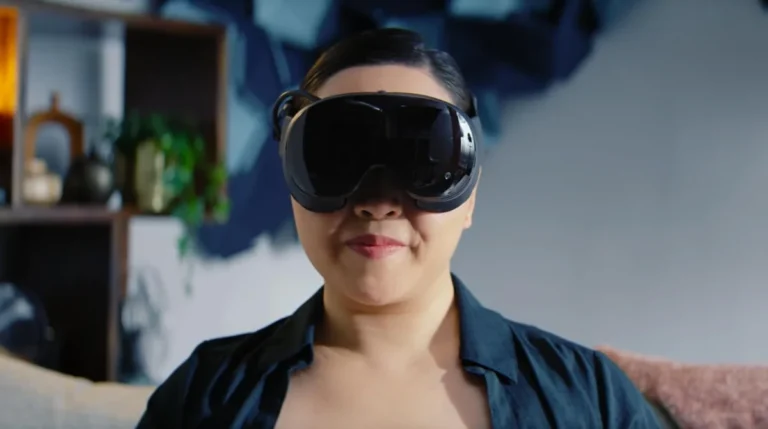
Meta Platforms Inc. is preparing for its annual Connect conference, an event that has historically served as the launchpad for the company’s most ambitious hardware and software initiatives. As the 2026 summit approaches, industry analysts and leaked internal roadmaps suggest a strategic pivot toward lightweight form factors and deeply integrated artificial intelligence. The centerpiece of this year’s anticipated announcements is "Project Phoenix," a high-end mixed reality (MR) headset designed to bridge the gap between traditional virtual reality goggles and everyday eyewear. This transition reflects Meta’s broader objective: moving beyond the gaming-centric "Quest" branding toward a more versatile ecosystem focused on productivity, media consumption, and pervasive AI assistance.
The Debut of Project Phoenix: A New Paradigm in Mixed Reality
The most significant hardware revelation expected at Meta Connect 2026 is the official unveiling of a lightweight MR headset, codenamed Phoenix. Leaked specifications indicate that Phoenix is not a direct successor to the Quest 3, but rather a new category of "VR glasses." The device is expected to feature a passthrough-first architecture, utilizing high-resolution sensors to provide a seamless view of the physical world overlaid with digital elements.
Technical data suggests the Phoenix headset will achieve a resolution of 2.5K per eye with a 90-degree field of view (FOV). To maintain a slim profile and reduce weight on the user’s face, Meta has reportedly opted for a "puck" design. In this configuration, the battery and primary computational units are housed in a separate module connected to the glasses via a cable or a high-bandwidth proprietary wireless link. This approach mirrors the design philosophy seen in contemporary reference designs like the Gravity XR, prioritizing long-term comfort for productivity and media viewing.

The device is rumored to be priced near $1,000, positioning it as a premium alternative to the entry-level Quest series and a direct competitor to Apple’s Vision Pro. Unlike previous Meta headsets, Phoenix is expected to rely primarily on eye and hand tracking for navigation, with traditional controllers offered as optional accessories for specific gaming or enterprise applications.
Evolution of Wearables: Smartglasses and the "Luna" Project
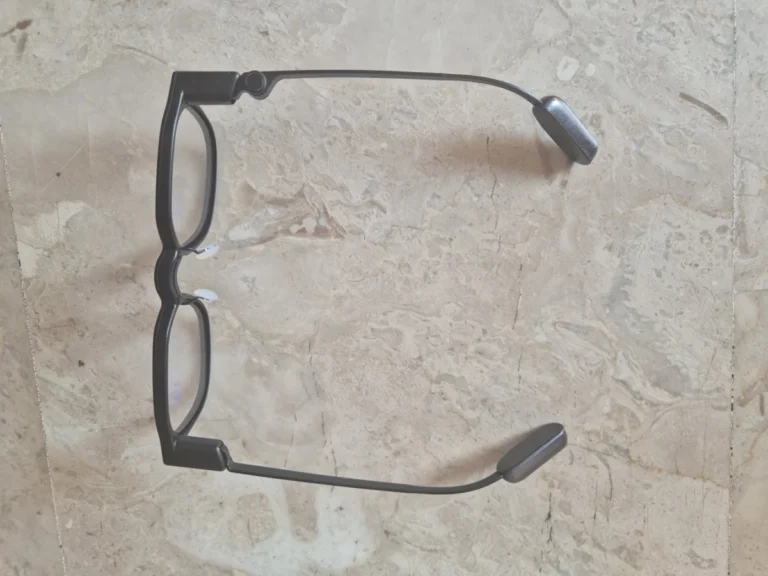
Meta’s wearable division has seen significant momentum following the success of the Ray-Ban Meta smartglasses. For the 2026 keynote, the company is expected to expand this lineup with a new model codenamed "Luna." According to industry reports, Luna represents a strategic response to growing privacy concerns and regulatory scrutiny regarding wearable cameras. These glasses are expected to be camera-less, focusing instead on audio-based AI interactions and perhaps basic heads-up display (HUD) functionality.
Furthermore, speculation remains high regarding an update to the core Ray-Ban Meta line. Potential enhancements include the introduction of stereoscopic displays and expanded international availability. By diversifying its eyewear portfolio, Meta aims to capture a broader demographic that may be hesitant to adopt camera-equipped devices but desires the convenience of an integrated AI assistant.
In tandem with eyewear, Meta may introduce a new smartwatch, codenamed Malibu 2. While the smartwatch market is highly saturated, Meta’s entry is expected to differentiate itself through electromyography (EMG) technology. This would allow the watch to function as a high-fidelity input device for the Phoenix headset or smartglasses, translating subtle wrist and finger movements into digital commands.

Software Overhaul: HorizonOS and the Muse AI Integration
The hardware advancements of 2026 are expected to be supported by a fundamental redesign of Meta’s software ecosystem. Following the recruitment of high-profile design talent—most notably figures associated with Apple’s aesthetic evolution—Meta is anticipated to showcase a new user experience (UX) for HorizonOS. The current interface has often been criticized for its complexity and lack of intuitive navigation. The redesign is expected to emphasize "spatial computing" principles, featuring more fluid window management and a cleaner, more professional aesthetic.
Central to this software evolution is "Muse," Meta’s next-generation AI assistant. Following the industry-wide trend of integrating Large Language Models (LLMs) into hardware, Muse is expected to be a proactive participant in the user experience. On the Phoenix headset and smartglasses, Muse will likely offer features such as real-time language translation, object recognition, and contextual reminders. By leveraging Meta’s Llama 4 or 5 architecture, Muse aims to compete directly with Apple’s Siri and Google’s Gemini in the burgeoning "AI-on-your-face" market.
High-Fidelity Social Presence: The Rollout of Codec Avatars
A long-standing research project at Meta Reality Labs, Codec Avatars, is expected to finally reach commercial viability during the 2026 event. Reports indicate that Mark Zuckerberg and Andrew Bosworth may demonstrate a "live" call using full-body, hyper-realistic avatars. Previously, the lack of eye-tracking hardware in consumer-grade Quest headsets prevented the wide deployment of this technology. However, with the eye-tracking capabilities integrated into the Phoenix headset, Meta can finally deliver the level of social presence it has promised since the company’s rebranding in 2021. This technology is intended to make remote collaboration feel indistinguishable from physical presence, a key selling point for the Phoenix device’s productivity angle.
Content Strategy and Ecosystem Support
As Meta adjusts its financial strategy, the 2026 Connect event is likely to signal a shift in how the company funds content. Recent years have seen a contraction in Meta’s direct investment in large-scale VR gaming studios. Instead, the company is expected to highlight high-quality media partnerships. A central feature of the keynote may involve a collaboration with filmmaker James Cameron, focusing on immersive cinematic experiences tailored for the Phoenix headset’s high-resolution displays.

Additionally, Meta is expected to announce new partnerships in the realm of immersive sports. Deals with organizations such as the NBA or FIFA could provide "courtside" virtual seating, leveraging the Phoenix headset as a primary device for live entertainment consumption. For developers, Meta is anticipated to announce new grant programs—potentially totaling millions of dollars—specifically targeted at creating utility-based applications for smartglasses, moving away from the gaming-first focus of previous years.
Chronology of Meta’s Hardware Strategy (2023–2026)
To understand the significance of the 2026 announcements, one must look at the progression of Meta’s hardware roadmap:
- 2023: Launch of Quest 3, establishing color passthrough as a consumer standard.
- 2024: Introduction of "Orion," the first true AR glasses prototype, and the budget-friendly Quest 3S.
- 2025: Refinement of the Ray-Ban Meta software ecosystem and expansion of AI capabilities.
- 2026 (Projected): The launch of Phoenix, marking the transition from "VR gaming" to "MR productivity" and the introduction of camera-less AI wearables (Luna).
Market Implications and Professional Analysis
The anticipated shift toward a $1,000 productivity-focused headset and camera-less smartglasses suggests that Meta is attempting to stabilize its Reality Labs division, which has seen billions in quarterly losses. By targeting the prosumer and media-enthusiast markets, Meta seeks to increase its Average Revenue Per User (ARPU).
However, the "Osborne Effect" remains a significant risk. If Meta provides too much detail regarding a future Quest 4 during the 2026 event, it could inadvertently cannibalize the sales of the current Quest 3 and 3S models. Consequently, analysts expect the company to remain vague about its future gaming hardware, focusing instead on the immediate launch of the Phoenix line.

The success of Meta Connect 2026 will ultimately be measured by the company’s ability to convince the public that MR is a tool for daily life rather than a niche hobby. With the integration of Muse AI and the sleek design of Project Phoenix, Meta is betting that the future of computing lies not on a desk or in a pocket, but directly in front of the user’s eyes.
About the Author