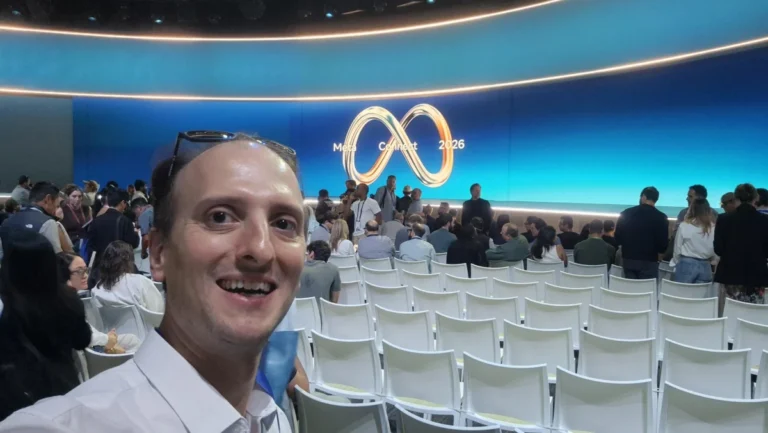
The launch of the Meta VR Glasses at the Meta Connect 2026 conference has sparked a significant rift within the extended reality (XR) industry, centering on the fundamental design philosophies of wearable technology. One week after the official unveiling, the device remains at the center of a heated debate involving hardware enthusiasts, prosumer demographics, and mainstream technology analysts. While the device represents a milestone in miniaturization, its arrival has prompted intense comparisons with the Apple Vision Pro and raised questions about whether the industry should prioritize immersion or portability.
Hardware Specifications and Design Philosophy
The Meta VR Glasses represent a departure from the traditional "all-in-one" headset design characterized by the Meta Quest series. Weighing approximately 100 grams, the device achieves its slim profile through an "all-in-two" architecture, which offloads processing and battery power to a tethered computational puck. This design choice allows the frames to remain lightweight and aesthetically similar to traditional eyewear, a feat Meta executives claim is essential for long-term social acceptance and daily wear.
Technical specifications revealed during the launch include high-resolution micro-OLED displays and integrated eye-tracking technology. However, to achieve the 100-gram weight target, Meta implemented a significantly narrower field of view (FOV) compared to contemporary headsets, reportedly hovering around 90 degrees. This limitation, alongside a price point of $1,300, positions the device as a specialized tool for productivity and media consumption rather than a high-performance gaming peripheral.
Chronology of the Meta VR Glasses Development
The trajectory of the Meta VR Glasses can be traced back to the industry-wide shift initiated by the 2024 launch of the Apple Vision Pro. While Apple prioritized high-fidelity spatial computing and "pass-through" mixed reality, the weight of the Vision Pro (exceeding 600 grams) remained a persistent point of criticism.

In late 2024 and throughout 2025, internal reports from Meta indicated a strategic pivot. Chief Technology Officer Andrew "Boz" Bosworth and CEO Mark Zuckerberg hinted at experiments with high-performance, heavy-duty headsets similar to Apple’s offering, but ultimately decided to prioritize the "glasses" form factor. This decision was solidified following the success of the Ray-Ban Meta smart glasses, which proved that consumer appetite for wearable tech was heavily contingent on comfort and style.
The timeline culminated on September 24, 2026, with the official launch at Meta Connect. This event served as a direct response to the market’s demand for a device that could bridge the gap between simple smart glasses and heavy VR headsets.
Comparative Market Analysis: Meta vs. Apple
The primary point of contention in the current discourse is the comparison between the Meta VR Glasses and the Apple Vision Pro. Analysts note that the two devices target different segments of the market despite overlapping in price.
| Feature | Meta VR Glasses (2026) | Apple Vision Pro (2024/25) |
|---|---|---|
| Weight | ~100g | ~600-650g |
| Form Factor | Glasses with external puck | Integrated Headset |
| Primary Use | Portability, Productivity | High-end Spatial Computing |
| Field of View | ~90 Degrees | ~100-110 Degrees |
| Price | $1,300 | $3,499 (at launch) |
Industry critics loyal to the Apple ecosystem argue that the Vision Pro remains the superior device due to its uncompromising graphical fidelity and sophisticated user interface. Conversely, Meta’s proponents argue that the Vision Pro’s weight makes it a "stationary" device, whereas the Meta VR Glasses are engineered for "mobile productivity," such as use during air travel or in public spaces.
Response from the Enthusiast Community
The reception among "hardcore" VR enthusiasts—a demographic that typically prioritizes maximum immersion—has been notably skeptical. This group cites three primary concerns regarding Meta’s new direction:

- Reduced Immersion: The lower FOV is seen as a regression for virtual reality, with some critics likening the experience to "looking through binoculars." This diminishes the sense of presence required for high-end gaming and 360-degree cinematic experiences.
- Stability Issues: The lightweight frames, while comfortable for sitting, are perceived as less stable than the strap systems used on the Quest 3 or Valve Index. Despite Meta announcing a specialized fitness strap, enthusiasts remain concerned about "wobble" during high-intensity movement.
- The Computational Puck: The requirement of a wired connection to a pocketed device is viewed by some as a design compromise that complicates the user experience. Critics argue that the "all-in-one" simplicity of the Quest series was a major driver of XR adoption.
Mainstream Reception and Social Acceptance
In contrast to the enthusiast community, mainstream media outlets and non-tech-centric consumers have responded positively to the device’s aesthetics. By branding the device as "VR Glasses" rather than a "headset," Meta has successfully tapped into a desire for less intrusive technology.
Preliminary feedback from non-expert user groups suggests that the "normal look" of the glasses is a decisive factor in their willingness to adopt the technology. For the general public, technical specifications like FOV and refresh rates often take a backseat to comfort and social friction. Meta’s strategy appears to be a calculated bet that the "mainstream" user—Zuckerberg’s target of one billion people in XR—will accept lower immersion in exchange for a device they are not embarrassed to wear in public.
Broader Industry Implications and Future Outlook
The launch of the Meta VR Glasses is expected to trigger a ripple effect across the global XR hardware market. Several key implications have been identified by industry analysts:
Competitive Pressure on Apple and Samsung:
The positive press surrounding Meta’s lightweight design is likely to accelerate Apple’s rumored development of a "Vision Air" or a lighter-weight wearable. Similarly, the Samsung/Google XR collaboration, which was reportedly delayed to match Vision Pro specs, may now see further adjustments to address the demand for portability.
Rise of the Chinese Reference Designs:
The Meta VR Glasses share a conceptual lineage with Chinese designs such as the Gravity XR and the RayNeo iO. The success of Meta’s device could validate these manufacturers’ efforts, leading to an influx of more affordable, lightweight "all-in-two" glasses from companies like XREAL, Viture, and DPVR.

Diversification of the Ecosystem:
The industry is moving toward a "segmented ecosystem" rather than a one-size-fits-all solution. In this future, users might own a high-immersion headset for gaming (e.g., Quest 4 or a PCVR system) and a pair of VR glasses for work and travel. This diversification is seen as a healthy sign of a maturing market.
The "Spatial" vs. "VR" Branding War:
Notably, Meta has doubled down on the term "VR" with this release, standing in stark contrast to Apple’s insistence on "Spatial Computing." This suggests a branding battle to define the medium’s identity for the next decade.
While the Meta VR Glasses may not achieve the mass-market sales volume of the Quest 2 or 3 due to their $1,300 price tag, their role as a "pathfinder" device is undeniable. They serve as a proof of concept for the engineering required to condense immersive technology into a frame that weighs less than a smartphone. Whether the mainstream consumer is ready to embrace a $1,300 accessory with a wired puck remains to be seen, but for the first time in the history of the medium, virtual reality has moved from the face-mask to the eyeglass.
About the Author