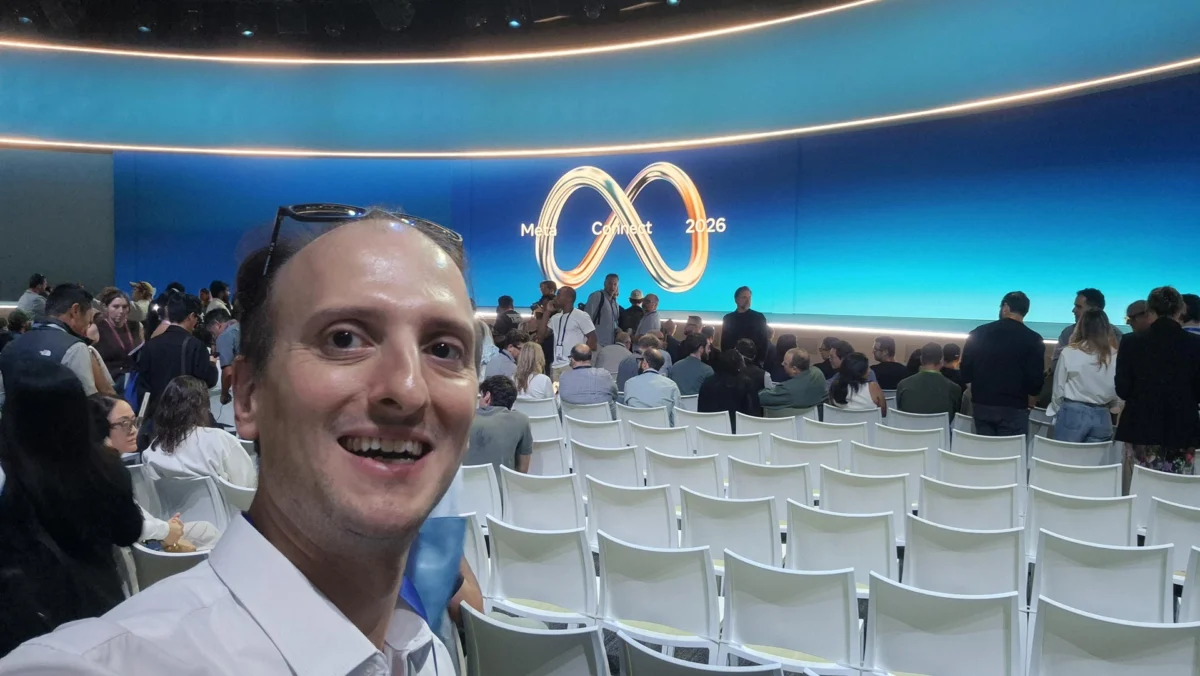
Meta Platforms Inc. concluded its annual Connect conference in Mountain View, California, signaling a pivotal shift in the extended reality (XR) landscape with the unveiling of the Meta VR Glasses, a high-end wearable device designed to bridge the gap between bulky headsets and everyday eyewear. The event, which serves as the primary stage for the company’s hardware and software roadmaps, focused heavily on the miniaturization of optics, the integration of advanced artificial intelligence (AI), and the expansion of the "holographic" avatar ecosystem. Among the primary highlights was the announcement that the Meta VR Glasses will officially launch in the spring of 2027 with a retail price of $1,300, positioning the device as a direct competitor to high-end spatial computing hardware while maintaining a significantly lighter form factor.
Hardware Innovation and the Meta VR Glasses Specification
The Meta VR Glasses represent the culmination of years of research into specialized optics and weight distribution. Weighing approximately 200 grams, the device is significantly lighter than the current Meta Quest 3 or the Apple Vision Pro. To achieve this weight reduction, Meta has adopted a distributed computing architecture, utilizing an external "puck" or compute unit to handle the bulk of the processing requirements. This design choice allows the frames to remain slim while housing high-resolution displays that industry analysts describe as offering exceptional color accuracy and brightness.
Technical specifications released during the keynote indicate that the glasses feature a 45-degree field of view (FOV). While this FOV is narrower than traditional VR headsets, which typically range from 90 to 110 degrees, Meta executives emphasized that the device is optimized for "spatial productivity" and media consumption rather than immersive gaming alone. The glasses utilize hand and eye-tracking as the primary interface, moving away from the necessity of physical controllers for standard navigation.

Chronology of the Meta Connect 2026 Keynote
The conference was structured into two distinct segments: a high-level consumer-facing keynote followed by a technical deep dive for developers.
On the opening day, Meta CEO Mark Zuckerberg introduced the Meta VR Glasses alongside the international rollout of the Meta Ray-Ban Display series. The Ray-Ban partnership continues to be a cornerstone of Meta’s wearable strategy, with the new models incorporating enhanced AI capabilities that allow the glasses to provide real-time audio feedback and visual recognition. Zuckerberg also debuted "Holograms," a refined version of the company’s long-researched Codec Avatars. These avatars utilize 2.5D stereoscopic billboard technology to project ultra-realistic representations of users during remote calls, though hands-on reports suggest the effect is currently limited to a fixed perspective.
The second day focused on the developer ecosystem. Meta’s Chief Technology Officer, Andrew Bosworth, addressed the developer community regarding the performance of the Quest hardware line. In a post-keynote briefing, Bosworth noted that the Quest 3S, the company’s entry-level offering, has seen steady adoption, though its sales figures have remained closely aligned with the more expensive Quest 3, suggesting a market preference for higher-tier specifications. Notably absent from the developer session was a detailed breakdown of Quest Store revenue or specific app-count milestones, leading industry observers to speculate on a stabilization or cooling of the standalone VR software market.
Competitive Landscape and Market Reactions
The announcement of the $1,300 Meta VR Glasses has reignited the rivalry between Meta and Apple. Industry data suggests that Meta is attempting to undercut the Apple Vision Pro on price while offering a form factor that is more socially acceptable for public use. Reports emerging from the conference indicate that Apple is currently testing four prototypes for a Vision Pro successor, with at least one design mirroring Meta’s approach by moving the battery and compute units to an external puck. However, analysts predict that Apple’s next iteration may not reach the consumer market until 2028 or 2029, giving Meta a potential two-year window to capture the "prosumer" glasses segment.

The reaction from the XR community has been cautiously optimistic. While the resolution and weight of the Meta VR Glasses have been praised, the 45-degree field of view remains a point of contention. Some critics argue that the limited FOV may hinder the "sense of presence" required for high-end gaming, though Meta countered this by announcing that over 70 titles will be optimized for the glasses at launch.
Content Ecosystem and Developer Incentives
To ensure a robust software lineup for the new hardware, Meta announced the "Meta Start" competition, a developer-centric initiative featuring a $1 million prize pool. The competition encourages the creation of applications that leverage the unique form factor of the VR Glasses, specifically focusing on hand-tracking and augmented reality (AR) overlays.
Key software announcements included:
- Beat Saber Flow: A specialized version of the popular rhythm game designed for controller-free play using advanced hand-tracking.
- Supernatural Health: An updated fitness suite enhanced for the lighter VR Glasses to improve user comfort during high-intensity workouts.
- H3VR 2 (Hot Dogs, Horseshoes & Hand Grenades 2): Confirmed for a November 12 launch on Quest 3, with a PC VR version scheduled for 2027.
- Gaming Partnerships: New titles such as Dragon Grove and Two Point Hospital: Mixed Reality Edition were showcased as flagship examples of the platform’s spatial computing capabilities.
Niche Market Developments and Third-Party Hardware
The conference also highlighted the diversification of the XR market beyond the major tech giants. Several third-party manufacturers announced specialized hardware during the week:

- Viture: Launched the "Vonder" glasses, an audio-only wearable priced at $299. The company emphasizes privacy and all-day wearability, targeting users who desire AI assistance without a visual display.
- AREX: Introduced the AREX ONE, an AR dive computer mask designed for underwater use. The project, which successfully raised over $500,000 on Kickstarter, represents the growing demand for XR in extreme environments and specialized hobbies.
- Engo3: Released the Engo3 Cyclist AR glasses, which provide real-time performance metrics for athletes via a heads-up display.
Broader Impact and Industry Implications
The shift toward "glasses" over "headsets" signifies a strategic pivot for the entire XR industry. By prioritizing weight reduction and social aesthetics, Meta is betting that consumers are more likely to adopt spatial computing if it resembles traditional eyewear. However, the high price point of $1,300 remains a significant barrier to mass-market adoption.
Furthermore, Meta’s heavy investment in "Holograms" and AI-driven audio suggests that the company views communication as the "killer app" for XR. The integration of AI into the Ray-Ban series serves as a bridge, acclimating users to wearable technology before they transition to the more advanced features of the VR Glasses.
As the industry moves toward 2027, the success of the Meta VR Glasses will likely depend on whether the developer community can produce "must-have" utility apps that justify the premium cost. With Apple’s roadmap stretching further into the decade and niche players filling specialized gaps, the next 24 months will be a critical period for Meta to prove that its vision of "glasses-first" computing is a viable evolution of the personal computer.
About the Author