
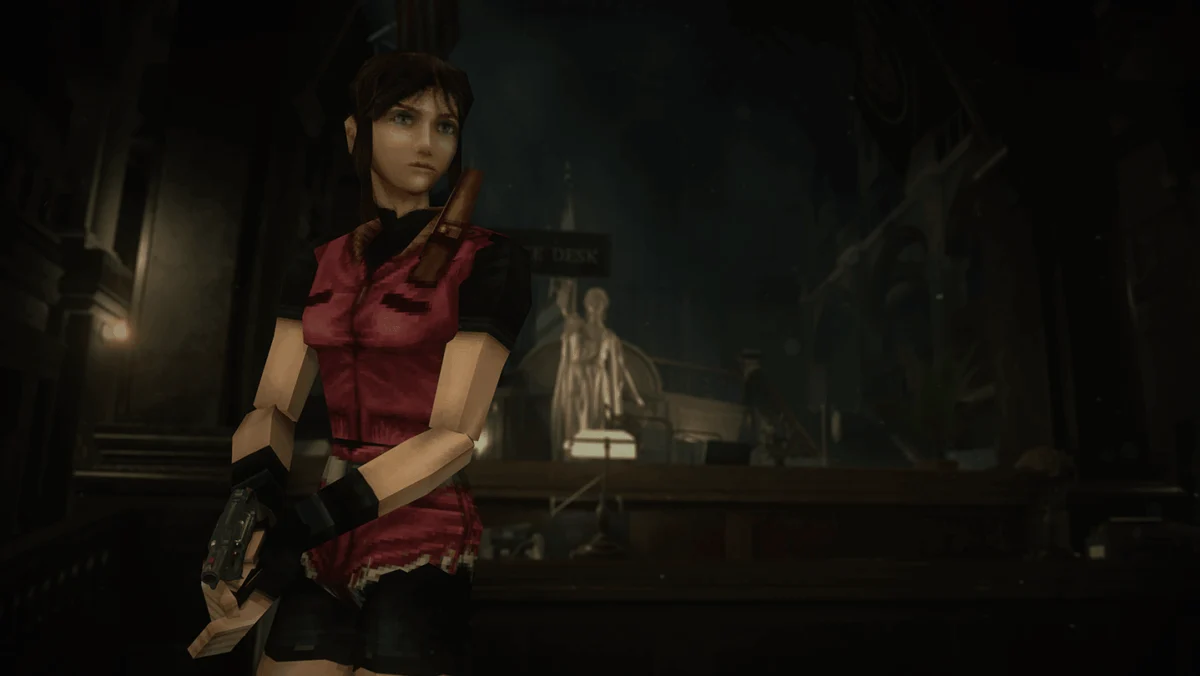
The release of a video game remake years, even decades, after its original debut often serves as a powerful testament to its initial quality and enduring cultural significance. The 2019 remake of Resident Evil 2, arriving over two decades after the 1998 original, stands as a prime example of this phenomenon, underscoring persistent fan demand and the title’s ability to resonate with both veteran players and a new generation of gamers. The original PlayStation title, a critical and commercial success, sold an impressive 4.96 million units globally, firmly establishing the burgeoning survival horror genre and cementing Capcom’s reputation. Its modern reimagining further amplified this success, selling over 13.9 million units as of Q1 2024, demonstrating the franchise’s sustained relevance.
While the 2019 remake introduced substantial graphical enhancements, refined gameplay mechanics, and a more cinematic presentation, the 1998 original remains indelible in the memories of players for a distinct set of reasons that forged its iconic status. Its innovative dual-protagonist structure, the claustrophobic terror of the zombie-infested Raccoon City Police Department, and the relentless onslaught of grotesque creatures all contributed to a groundbreaking survival horror experience. Beyond these elements, however, one of the most uniquely memorable aspects that distinguishes the original from its contemporary counterpart is its dialogue – often described as stiff, stilted, yet undeniably sincere. This raw, unpolished quality, far from being a detractor, contributed significantly to its charm and memorability, with many lines becoming cult classics quoted by fans decades later. This article explores the narrative, thematic depth, and the peculiar yet beloved dialogue that made the 1998 Resident Evil 2 a touchstone in gaming history.
The Genesis of a Nightmare: Raccoon City’s Fall
The narrative of Resident Evil 2 unfolds against the backdrop of the devastating T-virus outbreak, a bioweapon unleashed by the sinister Umbrella Corporation, which rapidly transforms the populace of Raccoon City into flesh-eating zombies and mutated horrors. The story introduces two protagonists: Leon S. Kennedy, a rookie police officer arriving for his first day on the force, and Claire Redfield, a college student desperately searching for her brother, Chris Redfield, a character from the first Resident Evil. Their arrival in the dying metropolis, driven by vastly different motivations, intertwines their fates in a shared nightmare. Both characters are thrust into a desperate race against time, navigating the ruined city and its monstrous inhabitants in a bid for survival.
Players experience the unfolding disaster through the game’s innovative "Zapping System," which offered interconnected scenarios for Leon and Claire. Actions taken in one character’s playthrough could subtly affect the other’s, enhancing replayability and providing a fuller understanding of the unfolding catastrophe. Players were challenged to solve intricate puzzles, meticulously conserve scarce ammunition, and evade formidable biological weapons like the relentless Tyrant. As the initial shock of the zombie outbreak subsides, the narrative gradually expands, revealing a deeper conspiracy involving corporate greed and institutional corruption at the highest levels of Umbrella, and the devastating societal impact that follows. This potent combination of visceral survival horror and intricate conspiracy gave the game’s dialogue an unusually dark, often bewildered, and occasionally stark tone, reflecting the bizarre and terrifying reality the characters faced.
A Look Back: Key Moments in Resident Evil 2’s Development and Release
Resident Evil 2 launched in January 1998 for the PlayStation, arriving two years after the groundbreaking success of the original Resident Evil. The development process for Resident Evil 2 was notably complex, including a highly publicized overhaul of an earlier version, famously dubbed "Resident Evil 1.5," which was nearly 70% complete before being scrapped. Developers, led by director Hideki Kamiya and producer Shinji Mikami, felt the initial version lacked sufficient horror, compelling narrative, and character depth. This decision to restart, though costly and time-consuming, ultimately paved the way for the polished and critically acclaimed game that was released.
Upon its release, Resident Evil 2 garnered widespread critical acclaim, lauded for its improved graphics, expanded narrative, enhanced gameplay, and heightened sense of dread. Critics praised its ability to build upon the foundations of its predecessor while introducing new elements that pushed the survival horror genre forward. The game’s success was instrumental in solidifying the PlayStation’s dominance in the late 1990s and cemented Resident Evil as a flagship franchise for Capcom. Its influence extended beyond its commercial performance, inspiring numerous horror games and influencing storytelling conventions within the medium. The 2019 remake, developed using Capcom’s RE Engine, was similarly met with universal praise, lauded for its faithful yet modern interpretation of the original’s core elements, proving the timeless appeal of its narrative and characters.
The Unforgettable Voice: Analyzing Resident Evil 2’s Dialogue
The dialogue in the 1998 Resident Evil 2 occupies a unique space in gaming lore. In an era where voice acting in video games was still nascent and often hampered by technical limitations, budgetary constraints, and localization challenges, RE2‘s script stood out for its distinctive, often unintentionally humorous, delivery. Lines were frequently delivered with an earnestness that bordered on melodrama, a stark contrast to the dire situations the characters faced. Yet, it was precisely this "stiff, stilted, and sincere" quality that rendered many of its exchanges profoundly memorable. The raw, unfiltered nature of the dialogue, coupled with the genuine terror and confusion experienced by the characters, created a blend of tension and unintentional comedic relief that resonated deeply with players. It became part of the game’s identity, contributing to its cult status rather than detracting from it.
Iconic Voices: Character-Driven Dialogue Analysis
The distinct personalities of Resident Evil 2‘s diverse cast are often best encapsulated by their memorable lines. These quotes, though sometimes clunky by modern standards, provided windows into their characters’ psyches and the horrific reality they endured.
Leon S. Kennedy: The Idealist Overwhelmed
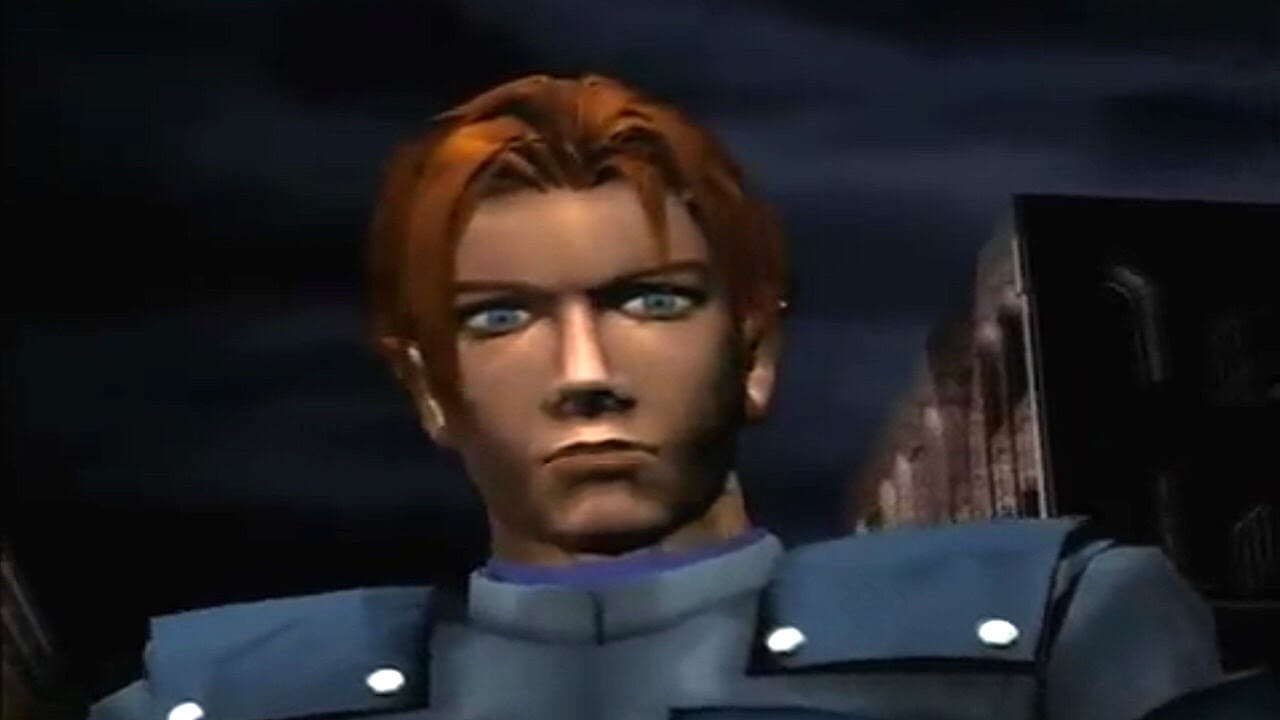
Leon Kennedy, arriving in Raccoon City on his first day as a police officer, embodies youthful idealism confronting unimaginable horror. His dialogue often reflects a blend of determination to help others, confusion at the unfolding nightmare, and a rookie’s earnestness. His lines frequently convey a sense of being out of his depth yet unwilling to abandon his moral compass.
- "Looks like my first day on the force is gonna be my last." – A darkly humorous, self-aware comment on his unfortunate timing, setting the tone for his ordeal.
- "Hey, wait! Don’t go!" – A desperate plea to a departing Claire, highlighting his immediate concern for others despite his own peril.
- "What the hell is going on here?!" – A classic expression of bewildered shock, a sentiment shared by players witnessing the chaos.
- "That’s just great! No power!" – A moment of exasperated frustration amidst overwhelming odds, a relatable human reaction.
- "The city’s been overrun by zombies… and you’re telling me about a secret lab?" – Captures the escalating absurdity and conspiracy Leon faces.
- "Ada, wait! Don’t be so reckless!" – His concern for Ada, revealing his compassionate nature despite her mysterious motives.
- "This is a nightmare… a real nightmare." – A simple yet potent summary of the game’s pervasive atmosphere.
Claire Redfield: Compassion and Resilience
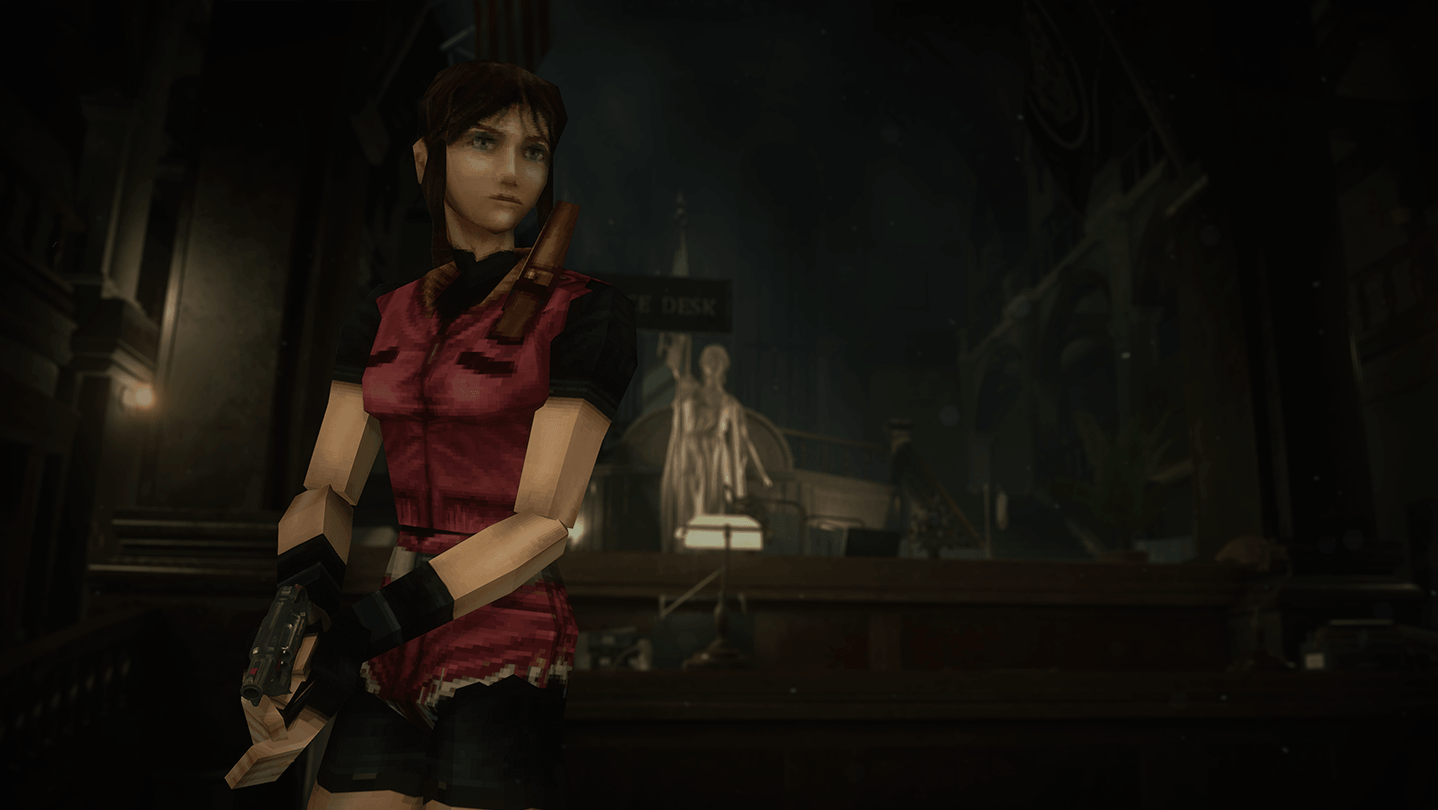
Claire Redfield is characterized by her independence, fierce determination, and deep compassion. Her quest to find her brother, Chris, quickly morphs into a mission to protect others, particularly the young Sherry Birkin. Her dialogue showcases a balance of grit and empathy, often providing a counterpoint to Leon’s bewildered state.
- "I’m looking for my brother, Chris Redfield. Have you seen him?" – Her initial, hopeful query quickly gives way to grim reality.
- "What did you do, you monster?!" – A direct confrontation with a villain, showcasing her protective instincts and moral outrage.
- "Sherry! Are you okay?!" – Her immediate concern for the child, highlighting her nurturing side.
- "This whole city is a graveyard." – A grim observation that encapsulates the widespread devastation.
- "I’m not leaving you here!" – A defiant statement of loyalty and determination, often directed at Sherry or Leon.
- "You’re going to pay for this, Umbrella!" – A declaration of vengeance and resolve against the corporate antagonist.
- "We’ve gotta get out of here!" – A straightforward, urgent command reflecting her practical approach to survival.
Ada Wong: The Enigmatic Agent
Ada Wong remains one of Resident Evil 2‘s most intriguing characters, shrouded in mystery and operating with a cool, calculating demeanor. Her dialogue is often laced with professional detachment, subtle manipulation, and hints of a moral complexity that blurs the lines between ally and adversary. She provides an intellectual counterpoint to Leon and Claire’s more visceral reactions.
- "My name is Ada. Ada Wong." – A simple introduction, yet delivered with an air of sophisticated intrigue.
- "Don’t worry, Leon. I’m on your side… for now." – A classic line that perfectly encapsulates her ambiguous allegiance and self-serving agenda.
- "Some things are better left unknown." – A cryptic remark that underscores her secretive nature and hidden motives.
- "It’s a G-virus sample. And I intend to take it with me." – A stark revelation of her true mission, cutting through any pretense.
- "I have my own reasons for being here." – A concise explanation that maintains her elusive persona.
- "This is no place for a child." – A rare moment of concern, hinting at a suppressed humanity beneath her professional facade.
- "Such a loyal dog." – A dismissive, yet telling, comment on Leon’s persistent heroism, reflecting her cynicism.
Other Memorable Voices and Moments
Beyond the main trio, other characters and even environmental observations contributed to the game’s unique verbal tapestry.
- Marvin Branagh: "Stay out of here! This place is already dead!" – The gravely injured police chief’s desperate warning, a poignant introduction to the horror.
- Annette Birkin: "William… no! What have you done?!" – Her horrified reaction to her husband’s transformation, highlighting the personal tragedy amidst the corporate conspiracy.
- Ben Bertolucci: "They’re coming… they’re all coming for me!" – The journalist’s frantic, paranoid whispers, conveying the psychological toll of the outbreak.
- Robert Kendo: "Get out of here! Go! Save yourselves!" – The gun shop owner’s heroic last stand, a moment of self-sacrifice.
Even in moments intended for levity or human interaction, the inherent stiffness of the dialogue often created an unintended, yet beloved, charm. These "lighter moments," though few, offered brief respites from the pervasive dread.
- Leon to Claire: "So, you’re a biker chick?" – A slightly awkward attempt at casual conversation amidst a zombie apocalypse.
- Claire’s reaction to a licker: "What the hell was that?!" – A universally relatable expression of shock at one of the game’s most terrifying creatures.
- Leon’s observation: "This whole city is just… insane." – A simple, yet accurate, summary of the deteriorating situation.
Leon’s unwavering determination, Claire’s compassionate resilience, Ada’s enigmatic secrecy, and the distinct personalities of the supporting cast collectively contribute to the enduring appeal of the 1998 Resident Evil 2. These characters, brought to life through dialogue that, by modern standards, might be considered unpolished, transcended technical limitations to create a truly iconic and unforgettable experience. Roughly 28 years later, the original Resident Evil 2 remains a testament to how genuine atmosphere, compelling narrative, and even imperfect voice acting can coalesce to form a masterpiece that continues to be celebrated and revisited. Its legacy underscores the notion that sincerity, even in its rawest form, can often be more impactful than technical perfection.
For those interested in the evolution of the series’ storytelling, a review of memorable quotes from Resident Evil 4 offers further insight into the franchise’s narrative progression and character development.
About the Author






