The digital landscape is undergoing a profound transformation, driven by innovations that promise to reshape how we conduct transactions, manage data, and interact with the online world. Among these, blockchain technology stands out as a paradigm shift, moving beyond its initial association with cryptocurrencies to offer a robust framework for security, transparency, and decentralization across a multitude of industries. This article delves into the core of blockchain, exploring its origins, mechanics, applications, and the potential it holds for the future.
The Genesis of a Decentralized Future
The concept of a distributed ledger, the bedrock of blockchain technology, traces its roots back to the early 1990s. In 1991, mathematicians Stuart Haber and W. Scot Stornetta first proposed a system designed to ensure the chronological order and integrity of digital documents, preventing any form of tampering. Their work laid the theoretical groundwork for immutable record-keeping.
Several years later, in 1998, software developer Nick Szabo envisioned a decentralized digital payment system, which he termed "Bit Gold." While this was a significant conceptual leap, it remained largely theoretical until the advent of Bitcoin. The true public unveiling of blockchain’s potential arrived with the pseudonymous Satoshi Nakamoto, who in 2008 published the white paper for Bitcoin, outlining a peer-to-peer electronic cash system underpinned by a distributed ledger – the first widely recognized and implemented blockchain. This event marked a pivotal moment, demonstrating the practical application of decentralized cryptography for secure financial transactions, moving beyond mere theoretical discussions.
Unpacking the Core: What Exactly is Blockchain?
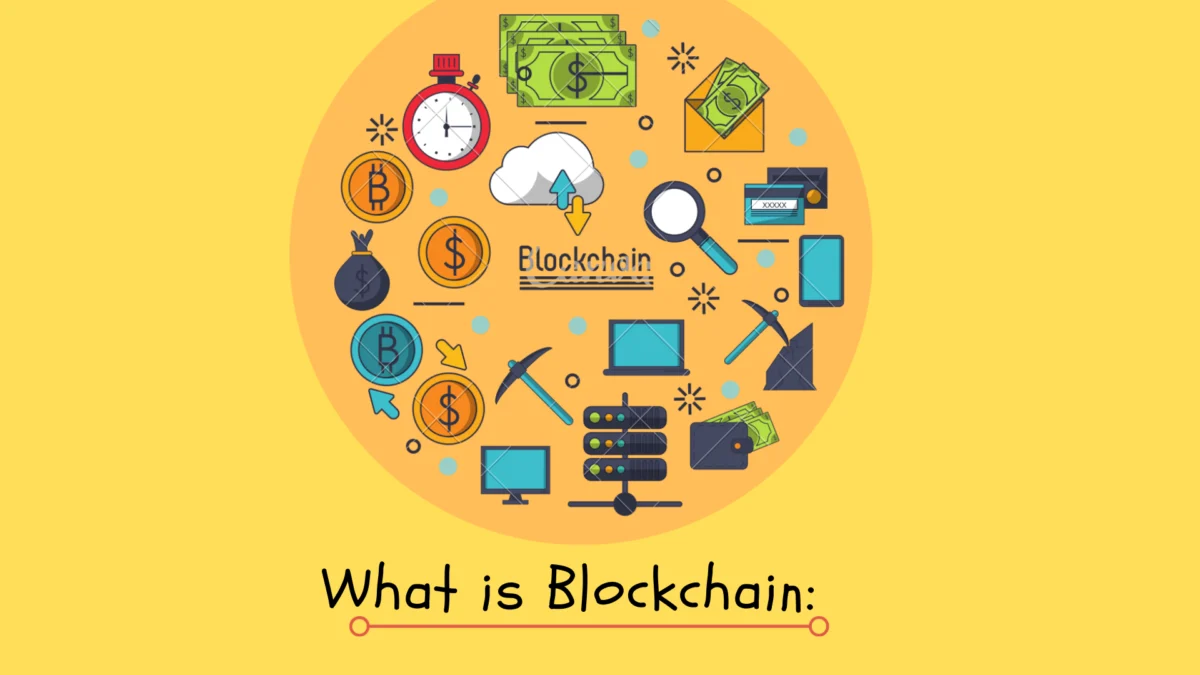
At its essence, a blockchain is a distributed, immutable digital ledger that records transactions across a network of computers. Instead of a single, centralized database controlled by one entity, information is spread across numerous nodes (computers) participating in the network. Each transaction is bundled into a "block," which is then cryptographically linked to the preceding block, forming a "chain." This interconnected structure is fundamental to its security and transparency.
The process begins when a transaction is initiated. This transaction is broadcast to the network and verified by a consensus mechanism, a set of rules that all participants agree upon to validate new blocks. Once validated, the transaction is added to a new block. This block is then cryptographically hashed, creating a unique digital fingerprint. Crucially, this hash also includes the hash of the previous block. This linking mechanism ensures that if any data within a block is altered, its hash would change, breaking the chain and immediately alerting the network to the tampering. This inherent immutability is a cornerstone of blockchain’s appeal.
The distributed nature of blockchain means that no single point of failure exists. If one node goes offline or is compromised, the network continues to function, drawing on the data from the other nodes. This resilience, coupled with the cryptographic linking of blocks, makes blockchain exceptionally secure and transparent. It effectively removes the need for a trusted third party, such as a bank or government, to verify and record transactions, fostering a more direct and peer-to-peer system.
The Mechanics of Trust: How Blockchain Operates
The operational flow of a blockchain can be understood through a series of fundamental steps:
- Transaction Initiation: A user initiates a transaction, such as sending cryptocurrency or recording data.
- Transaction Broadcasting: The transaction is broadcast to a network of computers (nodes).
- Validation: Network participants, often referred to as miners or validators, verify the transaction based on predefined consensus rules (e.g., Proof-of-Work or Proof-of-Stake). This involves checking the validity of the transaction against the existing ledger.
- Block Creation: Validated transactions are bundled together into a new block. This block includes a timestamp and a cryptographic hash of the previous block.
- Chaining: The newly created block is added to the existing blockchain. The hash of the previous block within the new block ensures the integrity of the chain.
- Distribution and Consensus: The updated blockchain is distributed across all participating nodes. Consensus among the nodes confirms the addition of the new block, making the transaction permanent and irreversible.
This intricate yet efficient process, often completed within minutes in modern implementations, ensures that data is recorded accurately, securely, and transparently. The speed of these operations is continuously improving with advancements in distributed computing and network infrastructure.
Beyond Cryptocurrencies: Diverse Applications of Blockchain
While blockchain technology gained initial notoriety as the backbone of cryptocurrencies like Bitcoin and Ethereum, its applications extend far beyond the realm of digital finance. The core attributes of security, transparency, and decentralization make it a potent tool for a wide array of industries.
Supply Chain Management: One of the most impactful real-world applications of blockchain is in supply chain management. Companies like Walmart have embraced blockchain technology to enhance the traceability of their products. IBM’s Food Trust platform, for instance, leverages blockchain to track the journey of food items from farm to fork. This is particularly critical in industries where food safety is paramount. In cases of contamination, such as E. coli or Salmonella outbreaks, or accidental introduction of allergens like peanuts, identifying the source of the problem can be a months-long, complex investigation. Blockchain allows for near real-time tracking, enabling companies to pinpoint the origin of an issue rapidly, recall affected products efficiently, and prevent future occurrences. This capability significantly improves response times during hazards and enhances consumer trust.
Healthcare: In healthcare, blockchain can revolutionize the management of patient records. By storing sensitive medical data on a blockchain, patients can have greater control over who accesses their information. The immutability of the ledger ensures that medical histories are tamper-proof, providing a reliable audit trail for treatments and diagnoses. This can streamline data sharing between healthcare providers while maintaining patient privacy and security.
Voting Systems: The potential for blockchain to enhance the integrity and transparency of voting systems is another area of active exploration. Decentralized and immutable ledgers could offer a secure and verifiable method for casting and tallying votes, potentially reducing fraud and increasing public confidence in electoral processes.
Digital Identity Management: Blockchain offers a secure and user-centric approach to digital identity. Individuals could manage their own digital identities, granting specific permissions to third parties for accessing verified information, thereby reducing the risk of identity theft and unauthorized data sharing.
Intellectual Property and Royalties: Artists, musicians, and creators can utilize blockchain to securely register their intellectual property. Smart contracts, which are self-executing contracts with the terms of the agreement directly written into code, can automate royalty payments, ensuring that creators are fairly compensated for their work.
Real Estate and Land Registries: The cumbersome and often opaque processes involved in real estate transactions and land registries can be streamlined and secured using blockchain. Property ownership records can be immutably stored and easily verified, reducing fraud and speeding up transactions.
Data Integrity and Auditing: For any industry that relies on accurate and verifiable data, blockchain offers a robust solution. From financial audits to scientific research data, the immutability of the blockchain ensures that records are trustworthy and can be reliably audited.
The adoption of blockchain by major corporations such as Siemens, Pfizer, and Unilever underscores its growing significance and its potential to disrupt traditional business models. These companies are exploring and implementing blockchain solutions to improve efficiency, security, and transparency in their operations.
The Power of Decentralization: Enhancing Security and Resilience
A core tenet of blockchain technology is decentralization. Unlike traditional systems where data is stored in a single, central location – making it a prime target for cyberattacks – blockchain distributes data across a network of interconnected nodes. This distributed architecture offers several critical advantages:
Enhanced Security: If a single node in a blockchain network is compromised, the integrity of the entire ledger remains intact. The other nodes in the network can cross-reference information and identify any discrepancies, effectively nullifying the impact of a compromised node. This makes it exponentially more difficult for malicious actors to alter data compared to centralized systems.
Increased Resilience and Uptime: The distributed nature of blockchain ensures high availability and resilience. If one server or node experiences downtime, the network continues to operate seamlessly, drawing upon the resources of other active nodes. This inherent redundancy minimizes service interruptions and ensures continuous operation.
Reduced Reliance on Intermediaries: Decentralization inherently reduces the dependency on central authorities or intermediaries. This can lead to lower transaction fees, faster processing times, and greater autonomy for users, as they are not subject to the policies or failures of a single controlling entity.
Data Authenticity and Immutability: Blockchain guarantees not only the accuracy but also the irreversibility of data. Once information is recorded on the blockchain and validated by the network, it cannot be altered or deleted. This provides a high degree of trust in the authenticity of the recorded data, making it suitable for storing sensitive information such as legal contracts, identification documents, and critical inventory records.
Navigating the Landscape: Pros and Cons of Blockchain Technology
Like any transformative technology, blockchain presents a unique set of advantages and disadvantages that warrant careful consideration.
Advantages (Pros):
- Enhanced Security: Cryptographic hashing and decentralization make it highly resistant to fraud and tampering.
- Transparency: Transactions are visible to all network participants, fostering accountability.
- Immutability: Once data is recorded, it cannot be altered or deleted, ensuring data integrity.
- Decentralization: Eliminates reliance on single points of control, increasing resilience and reducing censorship.
- Efficiency: Can streamline processes by removing intermediaries, leading to faster transactions and lower costs.
- Traceability: Provides a clear and auditable history of transactions and data.
- Innovation Potential: Opens doors for new business models and applications in various sectors.
Disadvantages (Cons):
- Scalability Issues: Some blockchain networks, particularly older ones, can struggle with high transaction volumes, leading to slower processing times and higher fees.
- Energy Consumption: Certain consensus mechanisms, like Proof-of-Work, are energy-intensive, raising environmental concerns.
- Complexity: Understanding and implementing blockchain technology can be complex, requiring specialized expertise.
- Regulatory Uncertainty: The regulatory landscape for blockchain and cryptocurrencies is still evolving, creating uncertainty for businesses and investors.
- Irreversibility of Errors: While immutability is a strength, it means that errors or fraudulent transactions, once confirmed, are extremely difficult to reverse.
- Initial Implementation Costs: Setting up and integrating blockchain solutions can involve significant upfront investment.
Frequently Asked Questions About Blockchain Technology
The growing prominence of blockchain has naturally led to numerous questions from the public and industry professionals alike. Addressing these common inquiries can demystify the technology further.
Is Blockchain a Cryptocurrency?
No, blockchain is not a cryptocurrency. Rather, it is the underlying technology that makes cryptocurrencies possible. Think of blockchain as the operating system, and cryptocurrencies like Bitcoin as applications running on that system. Blockchain serves as a secure, decentralized digital ledger that records every transaction related to a cryptocurrency.
Is it Possible for Blockchain to Be Hacked?
While theoretically possible, hacking a blockchain is an extraordinarily complex and resource-intensive undertaking. The decentralized nature, combined with the cryptographic linking of blocks and consensus mechanisms, means that a hacker would need to control a significant portion of the network’s computing power (often referred to as a "51% attack") to successfully alter the ledger. This is practically infeasible for well-established, large-scale blockchains. The constant review by network participants acts as a robust defense mechanism.
What is the Most Prominent Blockchain Company?
As of recent industry analyses, Coinbase Global is often cited as one of the most prominent blockchain companies. It provides a robust infrastructure, services, and technology crucial for the digital currency economy, including cryptocurrency exchange platforms and related financial services. However, the definition of "prominent" can vary, and many other companies are making significant strides in blockchain development and application.
Who Owns Blockchain?
Blockchain, by its very nature as a decentralized technology, is not owned by any single entity. It is a distributed ledger system where ownership is shared across the network of nodes. Each node, which can be any electronic device connected to the network, holds a copy of the ledger. This collective ownership and control are fundamental to its decentralized ethos.
What is the Difference Between Bitcoin and Blockchain Technology?
The distinction is fundamental: Bitcoin is a cryptocurrency, a digital form of currency that utilizes blockchain technology. Blockchain, on the other hand, is the distributed ledger technology that records all Bitcoin transactions. Bitcoin is an application of blockchain, but blockchain has many other applications beyond Bitcoin.
What is the Difference Between Blockchain and a Traditional Database?
The core differences lie in their architecture, control, and data integrity mechanisms. A traditional database typically uses a client-server architecture, is centrally managed, and allows for modification or deletion of data by authorized users. Its integrity relies on the security of the central server. In contrast, a blockchain is a distributed ledger where data is stored in blocks linked cryptographically. It operates on a decentralized network, and data modification is generally not allowed once a block is added to the chain. This design inherently eliminates the risk of data modification by a single party and provides a more tamper-proof record.
The Horizon of Blockchain Technology
Blockchain technology is poised to become an integral part of our digital infrastructure over the next decade. Its potential applications span nearly every industry, from revolutionizing finance and healthcare to enhancing supply chain efficiency and securing digital identities. While adoption may currently face some hesitations due to its relative novelty and complexity, the trend is undeniably towards broader integration. As businesses and individuals become more familiar with its capabilities and benefits, the leverage of blockchain technology for innovation, efficiency, and security will become increasingly apparent. The journey of blockchain is far from over; it is a continuous evolution that promises to redefine trust and transparency in the digital age.
For updated articles and insights on blockchain technology, consider visiting resources dedicated to exploring its ongoing developments and impact.
About the Author