The intricate dance between the music industry and video games has evolved from a groundbreaking novelty into a sophisticated, multi-billion dollar ecosystem. What began with iconic titles like Wipeout in the mid-1990s, boldly integrating the pulsating beats of British electronica into its futuristic racing gameplay, has now blossomed into a critical component of game development and artist promotion. This fusion, once a bold experiment, is now a strategic imperative, shaping how we experience virtual worlds and how artists connect with global audiences.
From Neon Tracks to Digital Dominance: A Sonic Evolution
The year 1995 marked a pivotal moment when Sony PlayStation, in collaboration with Psygnosis, dared to license music from some of the UK’s most prominent electronica artists for Wipeout. The PAL version of the game, a high-octane, neon-drenched racing simulator, found its perfect sonic counterpart in the driving rhythms of Leftfield, Orbital, and The Chemical Brothers. This wasn’t merely background noise; it was an integral part of the experience, amplifying the adrenaline rush as players navigated impossible speeds on otherworldly tracks. Critics at the time lauded the soundtrack, cementing its status as a defining characteristic of the game’s groundbreaking style. The success of Wipeout‘s soundtrack led to separate CD and vinyl releases, and subsequent installments in the series continued this trend, featuring artists like The Prodigy, Paul Van Dyk, and Sasha. Wipeout became indelibly linked to the burgeoning mid-90s British dance music scene, setting a new benchmark for how curated music could elevate a video game from mere entertainment to a cultural phenomenon. While not the first game to feature licensed music, Wipeout‘s approach demonstrated the profound potential of a synergistic relationship between audio and gameplay.
Fast forward over a quarter-century, and this synergy has matured into a specialized industry. Dedicated teams now populate game development studios, comprising audio directors, music supervisors, and A&R experts. Their collective mandate is to meticulously select and integrate music that enhances the player experience. This integration can take various forms: from curated in-game radio stations in sprawling open-world titles like Grand Theft Auto and Watch Dogs, to the strategic use of music in marketing materials, such as high-impact launch trailers.
The COVID-19 pandemic, which significantly curtailed live music performances, has further accelerated this trend. With traditional avenues for exposure and revenue drastically reduced, musicians, their managers, agents, and record labels are increasingly turning to the gaming industry as a vital platform for reaching new fans and fostering engagement. This shift has intensified the importance of understanding the complex landscape of music synchronization—the process of integrating music with visual media—which often transpires behind closed doors. To demystify this process, experts from both the gaming and music sectors offer insights into how artists can navigate this burgeoning frontier.
The Architects of Sound: Who Decides What Graces Our Games?
The selection of music for video games is a multifaceted process, often spearheaded by specialized internal teams within larger studios. These teams, consisting of music supervisors and A&R professionals, collaborate closely with record labels to identify tracks that align with a game’s artistic vision and target audience. For studios that may lack in-house expertise, external music consultancies like Feel for Music play a crucial role. Ben Sumner, Director at Feel for Music, explains that the creative briefs they receive are exceptionally diverse, dictated by the specific game and the preferences of the development team.
"Most people enjoy music, but some are deeply passionate music fans from the outset, and that often influences when we become involved in a project," Sumner notes. "For larger-scale games, we typically work with audio directors, brand directors, and game directors, all of whom have well-defined ideas about the desired sonic identity. Sometimes our role is to refine existing concepts; other times, the initial vision is less defined."
Sumner emphasizes the importance of objectivity in their work. "Music taste is inherently subjective," he states. "Our role is to bring an objective perspective, demonstrating how specific music can resonate with particular demographics, how it complements the game’s narrative and mechanics, and the overall brand enhancement it can provide."
Alex Hackford, Head of A&R at Sony Interactive Entertainment America, observes that the exponential growth of the gaming industry has significantly eased the process of communicating the value of these collaborations to record labels, publishers, and artist management. "The accessibility of upfront conversations with labels and publishers regarding the value of video game integration has dramatically improved. This is largely because the tangible impact of these partnerships has become so evident," Hackford explains. "Securing greater buy-in from our partners on projects is becoming increasingly straightforward."
Hackford cites examples like Spider-Man: Miles Morales, which featured four original tracks released simultaneously across digital service providers (DSPs), within the game itself, and as a physical release. Accompanying music videos were crafted using gameplay footage, a strategy also employed in their collaboration with RMCA for Death Stranding. "I believe it’s safe to say that all of us are actively seeking to expand these types of initiatives," Hackford adds.
Unearthing the Next Hit: Strategies for Music Discovery
While the aspiration for artists is widespread recognition, there’s no singular "magic formula" for securing a spot on a video game soundtrack. Duncan Smith, Head of Music at Sony Interactive Entertainment Europe, underscores that each game presents unique criteria. "Every game has different requirements, so it depends on what the game aims to communicate and the type of music it needs," Smith explains. "Will it benefit from a contemporary tracklist featuring established artists, or would it be enhanced by exploring more obscure bands that can deepen the player’s immersion?"
In an environment where music supervisors sift through an almost infinite volume of tracks, several strategies can significantly increase an artist’s chances of discovery. Proactive efforts are paramount; music supervisors are not passive recipients of submissions. Therefore, ensuring music is accessible across multiple platforms—including Spotify, Apple Music, Deezer, Google Play, and YouTube—is a fundamental step.
Stephen Root, Vice President of Development Creative Services at Codemasters, highlights his reliance on Spotify. "I utilize Spotify extensively due to its user-friendly interface and excellent presentation," Root states. "When we were curating the soundtrack for Dirt 5, Spotify provided a convenient way to compile playlists and share them with key stakeholders within the company."

Widespread accessibility can indeed lead to unexpected opportunities. Jim Hodge, vocalist for the metal band Mastiff, recounts an unsolicited approach from CD Projekt Red that resulted in their track "Acid Breather" being featured in the highly anticipated Cyberpunk 2077. "We genuinely thought it was a prank until we engaged in proper discussions," Hodge recalls. "They were interested in an unreleased track, and we had literally just finished recording it the month prior. At the time, we were out of contract, which facilitated the release of the track much more easily. Having a song featured in one of the biggest games ever released is utterly surreal; hearing our music within the game still feels astonishing."
Being affiliated with a major record label can offer distinct advantages, as labels often have dedicated teams focused on music placement. Stephen Root frequently attends specialized listening sessions with record labels, gaining early access to unreleased music and insights into artists’ future plans. "I primarily focus on emerging talent," Root shares. "I endeavor to identify which artists these labels are investing in and their rationale for predicting their success."
However, securing a place in a video game soundtrack is not exclusive to signed artists. Abundant opportunities exist for independent musicians and those on smaller labels. "I’m always keen to give artists a chance," Root continues. "I have a strong interest in discovering new talent, so I encourage labels and managers to submit all their new material for my consideration. I’m happy to sift through it."
Sony’s Duncan Smith reassures bands with smaller fan bases. "One of the aspects I most appreciate about this role is that, more often than not, we are searching for music that enhances the game’s experience or a particular scene," Smith explains. "The number of hits, streams, or views an artist has accumulated is often secondary. The primary objective is to find music that elevates the experience, makes it compelling, and fosters a connection with the player. Therefore, being on a major label is not a prerequisite."
Furthermore, a lack of affiliation with Sony Music or its subsidiaries does not preclude an artist from appearing in a PlayStation title. Tom Mackay, Sony’s President of Premium Content A&R, asserts, "Ultimately, great music transcends specific affiliations. While there’s a natural inclination to prioritize artists within the Sony Music roster, it would be short-sighted and potentially detrimental to a game or project to limit our consideration solely to them. It’s a delicate balance. If an exceptional record emerges that perfectly complements a game and garners universal approval, we would certainly not obstruct its inclusion."
Crafting Your Pitch: Strategies for a Winning Approach
The overarching goal for artists is to ensure their music is heard by as many relevant decision-makers as possible. However, securing the attention of these gatekeepers through email can be a significant challenge. A strategic approach can dramatically improve the chances of an email being opened and considered.
Many video games are meticulously branded to align with specific musical styles or genres. For instance, the NBA 2K series is intrinsically linked with rap and hip-hop, while titles like Life is Strange predominantly feature indie and folk artists. Rather than indiscriminately sending music to numerous contacts, it is crucial to identify which games or franchises represent the most fitting platforms for an artist’s sound.

"The objective is to establish a seamless creative synergy between the artist and the game," explains Sony’s Tom Mackay. "This involves understanding the artist’s essence—their sound, visual identity, and overall vibe—and how it harmonizes with the game’s world. We invest considerable time with directors and game developers to grasp their vision, and then meticulously explore artists globally to find the ideal matches."
Once a suitable artistic alignment is identified, artists can more effectively target their outreach. "Most individuals don’t undertake this preparatory work," notes Ben Sumner, highlighting it as an advantage for diligent artists. Researching game credits to identify audio and music teams, or utilizing platforms like Google and LinkedIn to find music supervisors and audio directors, are effective methods. Furthermore, examining YouTube descriptions for launch trailers and promotional videos can reveal credited individuals involved in music selection.
For artists uncertain about initiating contact, professional representation can be invaluable. Stephen Root strongly advises artists to communicate their interest in video game placements to their management or agents, ensuring they are considered for relevant opportunities. "I would encourage any artist, whether on the verge of signing or newly signed, to discuss their enthusiasm for gaming with their management," Root advises. "Ask them to actively seek out and approach companies to explore potential placements for your music. I firmly believe this is a highly beneficial endeavor."
In situations where management or labels may lack the requisite expertise, engaging a sync representative—a professional dedicated to identifying commercial opportunities and connecting clients with the right industry contacts—is another avenue recommended by Duncan Smith for serious artists. "It’s essential to make an effort to understand our current projects, and third-party sync representatives can be instrumental in this regard," Smith suggests. "It’s particularly challenging to stay abreast of music supervisors’ ongoing work and cultivate those relationships. If you lack a label or publisher with established connections to music supervisors, seek out a suitable sync representative who can facilitate these introductions."
When preparing a formal pitch, Alex Hackford stresses the importance of tailoring the submission to the recipient. "If you are submitting a formal pitch, ensure you know precisely who you are pitching to and reference games they have been involved with, rather than generic cross-platform products that may not be as relevant to their specific work."
Duncan Smith concurs. "Cultivating relationships and demonstrating effort will always stand out, particularly in contrast to generic emails sent to dozens of supervisors simultaneously, devoid of any personalized research into our current projects."
Feel For Music, a busy music consultancy, receives an estimated 200 to 250 emails daily from bands, artists, labels, and publishers seeking music placements in games. Ben Sumner acknowledges the sheer volume makes it challenging to review every submission. "While it may be difficult for us to assess every piece of music submitted, persistence, focus, and an understanding of where your music might fit are excellent starting points," he advises. "We generally give submissions a chance. If an email is inadvertently missed, a persistent follow-up ensures it receives attention." Sumner cites the proactive approach of Sufjan Stevens’ manager as instrumental in securing his music for Life is Strange spin-off, The Amazing Adventures of Captain Spirit.
Artists must also ensure their music is available in various file formats. For trailer submissions, access to isolated instrumental tracks, known as "stems," alongside the complete stereo file, is crucial for editors to manipulate and adapt the music as needed. "Having your music in the appropriate formats is critical," Sumner explains. "Do you have an instrumental version? Do you have the vocal tracks? We will invariably require stems, especially if we are adapting music for a trailer."

Furthermore, artists are encouraged to consider rearranging their music into structures more conducive to in-game placement or advertising. "For trailers, instead of a standard verse-chorus structure, consider a version that flows from intro to middle to outro, which is more typical of trailer music," suggests Sumner.
The Flight, a musical composition duo, notes that the video game industry presents unique challenges compared to film and television. "In film and TV, you can often identify upcoming productions and engage with individuals who can provide insights into ongoing projects," says Joe Henson, co-composer at The Flight. "In gaming, information about what projects are in development might only be revealed during initial meetings. We might conclude work with a studio like Ubisoft and have no knowledge of their subsequent projects. Opportunities often arise unexpectedly, and due to stringent non-disclosure agreements (NDAs), breaking into the video game sector can be complex."
While new intellectual property (IP) presents a higher barrier to entry, established annual franchises like FIFA and Call of Duty offer a more predictable timeline. Alex Hackford explains, "With numerous annual games released, artists can often work backward from release schedules. We typically begin working on music, including the pitching process, approximately eight to ten months prior to a game’s launch." Artists should also consider their own release schedules. Informing potential collaborators about unreleased tracks can be advantageous, as studios often welcome the opportunity to debut new music.
Navigating the Legalities and Maximizing Collaboration
The licensing of music is a complex undertaking, and artists signed to labels, or those with prior label experience, must possess a clear understanding of music rights ownership. Any ambiguities regarding ownership should be addressed proactively at the project’s inception. "I am currently encountering a situation where a track I greatly admire has significant questions surrounding its ownership, which will likely lead to its exclusion," Hackford admits. "This is the last scenario anyone desires when a song has already progressed to a certain stage of consideration."
Artists fortunate enough to have their music featured in a game should actively explore opportunities to add further value to the project. This can involve collaborating with social media campaigns promoting the game’s launch. Such inquiries can unlock unforeseen opportunities. "I appreciate it when a manager, prioritizing the artist’s broader interests, asks ‘what else can be done?’ beyond the agreed fee," says Smith. He recalls a collaboration on Driveclub where DJ Shadow’s manager initiated discussions that led to the integration of his album artwork onto in-game vehicles, a direct result of proactive engagement and creative thinking.
Amplifying a message can be as simple as sharing content on social media or repurposing game assets. Stephen Root recounts how the band Broken Witt Rebels, featured in Dirt 5, went "all in," even creating a music video using gameplay footage, which was met with significant enthusiasm.
Any music placement necessitates meticulous planning, particularly when coordinating unreleased music with an upcoming game launch. Root emphasizes the importance of budget awareness from the outset. Careful financial planning for Dirt 5‘s soundtrack allowed for a diverse selection of debut tracks from emerging artists alongside established hits. "I assess the overall budget from the beginning to determine the potential number of tracks and their distribution across the game," Root explains. "I established three fee tiers: for up-and-coming artists, those in the mid-tier of success, and finally, the major artists."

While securing a place on a video game soundtrack can be a career-defining moment, it’s important to manage financial expectations. While some video game composers benefit from royalties on their scores, the compensation for contributed tracks from artists typically differs. "In the early days of Grand Theft Auto, royalties were offered on tracks," notes Ben Sumner. "Those who contributed music to those initial GTA games saw significant returns. However, the current model is largely based on fixed rates, representing a substantial shift."
Sumner believes that royalty payments are generally a relic of the past, with notable exceptions, particularly for writers registered with certain European performance rights organizations (PROs) that have specific licensing rules for games. He also mentions mobile games with minimal upfront budgets sometimes offering royalties.
Duncan Smith advocates for realistic expectations, suggesting it can lead to greater long-term financial benefits. "Approach deal negotiations with realistic expectations. Avoid fantastical notions of life-changing sums of money. It’s about being grounded, pleasant to work with, helpful, and providing all necessary materials," Smith advises. "A positive working experience with an artist, label, or publisher increases the likelihood of repeat business and fosters long-term relationships, extending beyond a one-off fee."
The Undeniable Impact: Benefits of Game Music Placement
The influence of having music featured in the right video game cannot be overstated. John Feldmann, lead singer of the punk-rock band Goldfinger, famously stated that their song "Superman" became their "biggest song ever written" due to its inclusion in Tony Hawk’s Pro Skater. For many bands, appearing in the series was akin to receiving a "badge of honor."
While music placements in games are now more commonplace than two decades ago, the relatively recent phenomenon of artists debuting new music within video games offers them immediate access to millions of players. Alex Hackford shares an example from Marvel’s Spider-Man: Miles Morales on PS5, where two original tracks by artist Lecrae saw a significant surge in streaming numbers. "He [Lecrae] is an independent artist at this stage, so the expansion in audience and reach gained from access to a game like Spider-Man: Miles Morales is substantial."
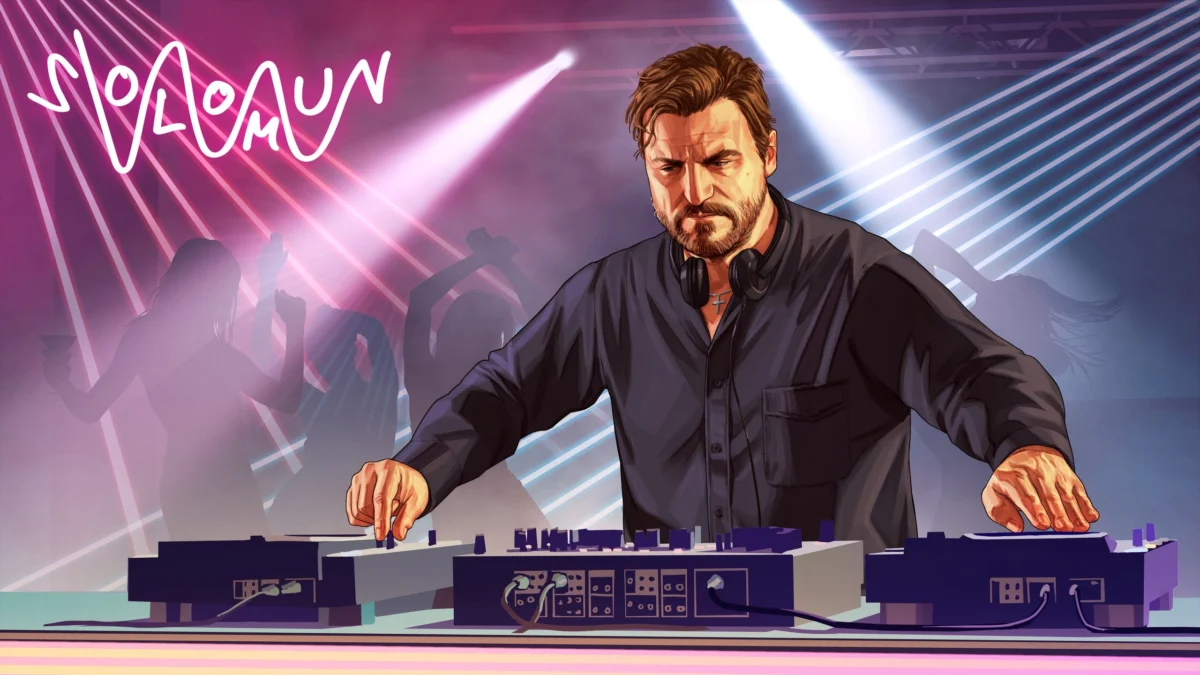
The symbiotic relationship between the gaming and music industries is further exemplified by Hideo Kojima’s Death Stranding, which featured new music from prominent artists including Bring Me The Horizon, CHVRCHES, Major Lazer, and Khalid. The COVID-19 pandemic, while presenting challenges for musicians, has also accelerated the industry’s migration towards video games. This is evident in GTA V Online‘s December DLC update, which introduced 250 new tracks, and collaborations between artists like Katy Perry and Post Malone with The Pokémon Company.
"The gaming industry will increasingly shape the way the music industry thinks, operates, and strategizes on a daily basis moving forward," asserts Tom Mackay of Sony. "The primary drivers for this are twofold: firstly, the demonstrable effectiveness in the marketplace when these collaborations are executed successfully, and secondly, the inherent joy and excitement it generates for both artists and fans. What I can confidently state is that we are only beginning to scratch the surface of what is possible. These gaming platforms are evolving into the new ‘water cooler’—a central meeting point for news and cultural exchange, particularly for millennials and younger generations."
About the Author