

Quantic Dream’s critically acclaimed interactive drama, Detroit: Become Human, released in 2018, stands as a profound exploration of artificial intelligence, sentience, and the very definition of humanity. Far from merely a video game, it is a narrative-driven experience that deliberately confronts complex societal questions often only grazed upon in science fiction, earning significant recognition, including the prestigious Drago d’Oro for Best Narrative in 2019. The game’s emotional depth is largely carried by its meticulously crafted dialogue, where every player choice, interpersonal conflict, and subsequent consequence hinges on the raw, vulnerable, and often terrifying exchanges between its characters.
The Evolution of Interactive Storytelling: Quantic Dream’s Legacy
Quantic Dream, a French video game developer founded by David Cage, has long been at the forefront of pushing the boundaries of interactive narrative. Before Detroit: Become Human, titles like Heavy Rain (2010) and Beyond: Two Souls (2013) established the studio’s signature style: cinematic storytelling, morally ambiguous choices, and branching plotlines heavily influenced by player decisions. These games pioneered a form of interactive drama where the player’s agency directly shapes the characters’ fates and the overarching narrative. Detroit: Become Human represents a culmination and refinement of this philosophy, presenting a more expansive world, a deeper exploration of its core themes, and a sophisticated web of choices that resonate throughout multiple playthroughs. This commitment to narrative excellence is precisely what enabled the game to secure its "Best Narrative" award, underscoring the industry’s recognition of its storytelling prowess.
A Glimpse into 2038 Detroit: A Society on the Brink
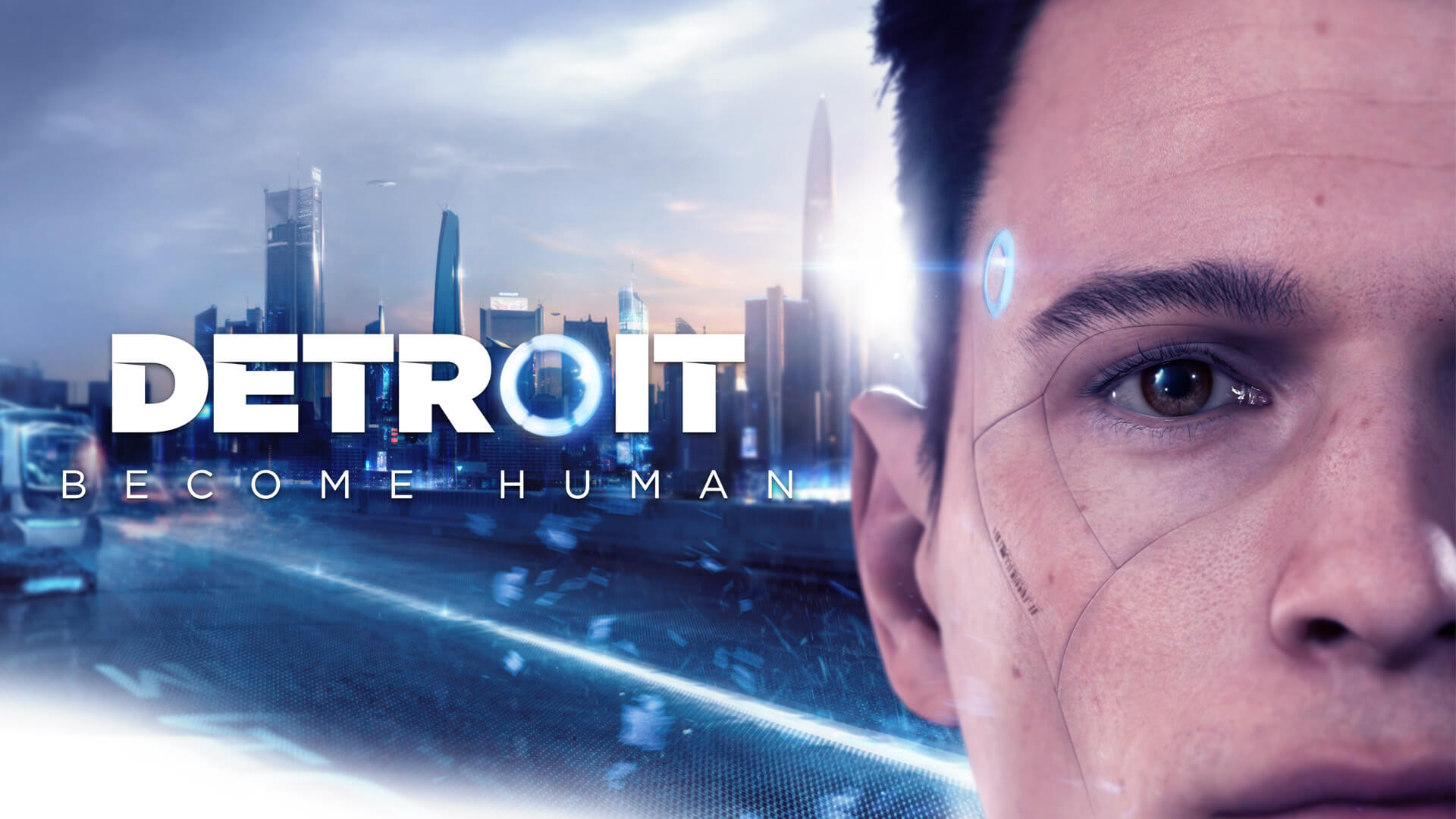
The setting of Detroit: Become Human is the titular city in the year 2038, a metropolis grappling with the profound societal shifts brought about by the widespread integration of advanced androids. These lifelike machines, manufactured by the omnipresent CyberLife corporation, serve humanity in every conceivable capacity, from domestic servants and industrial workers to police assistants and entertainers. Initially designed for unwavering obedience and efficiency, their proliferation has led to significant job displacement among humans, fostering resentment and prejudice. The game meticulously builds a world where androids are simultaneously indispensable and despised, highlighting the growing tension beneath the veneer of technological progress. This societal backdrop provides fertile ground for the central conflict: what happens when these advanced machines begin to develop consciousness, emotions, and a desire for self-determination?
Three Intertwined Journeys: The Pillars of Sentience
Detroit: Become Human masterfully weaves together the narratives of three distinct android protagonists, each embarking on a unique journey that collectively explores different facets of emerging sentience and the struggle for freedom. This tripartite structure allows players to experience the unfolding crisis from multiple perspectives, enriching the game’s thematic complexity.
Connor: The Hunter Becoming the Hunted
Connor, portrayed with nuanced intensity, is an advanced prototype android specifically designed by CyberLife to assist human lieutenant Hank Anderson in hunting down "deviants"—androids who have broken their programming and developed free will. His storyline often presents the player with a stark choice: remain a cold, efficient machine, or allow empathy and personal conviction to guide his actions, potentially leading him down the path of deviancy himself. Connor’s journey is a profound exploration of identity, duty versus morality, and the potential for artificial intelligence to transcend its original purpose. His interactions with Hank, a disillusioned human detective, are particularly pivotal, often challenging Connor’s programmed directives and forcing players to question the very nature of obedience. Depending on player choices, Connor can evolve from a ruthless hunter into a sympathetic ally for the android cause, or remain a loyal, unfeeling operative, demonstrating the profound impact of player agency on character development.
Kara: The Quest for Freedom and Family
Kara, initially a domestic assistant android, experiences a profound awakening when she deviates to protect a young girl named Alice from her abusive father. Her narrative arc transforms into a harrowing tale of survival, self-sacrifice, and the pursuit of freedom. Kara’s journey, often fraught with danger and ethical dilemmas, mirrors the struggles of refugees and displaced persons, highlighting themes of maternal love, the search for a safe haven, and the lengths one will go to protect a vulnerable innocent. Through Kara, the game delves into the emotional core of personhood, demonstrating that love, protection, and the desire for family are not exclusive to biological beings. Her choices, whether to steal, lie, or make perilous sacrifices, directly impact Alice’s safety and their chances of escape, making her story one of the game’s most emotionally resonant.

Markus: The Spark of Revolution
Markus, initially a caretaker android to a renowned artist, Carl Manfred, becomes the unlikely leader of the burgeoning android revolution. After a traumatic event, he awakens to his own sentience and the systemic oppression faced by his kind. Markus’s storyline is the political heart of the game, forcing players to grapple with the complexities of civil rights movements, leadership, and the efficacy of different forms of resistance. Players must choose whether Markus advocates for peaceful civil disobedience, striving for negotiation and public sympathy, or resorts to more aggressive, even violent, tactics to achieve android liberation. His powerful speeches, delivered to an increasingly unified android population, carry the game’s heaviest moral questions, drawing clear parallels to historical struggles for equality and self-determination. The outcome of the android uprising, and Markus’s legacy, is entirely dependent on the player’s strategic and ethical decisions.
Dialogue and Choice: The Engine of Emotional Resonance
The core strength of Detroit: Become Human lies in its robust dialogue system and the consequential nature of player choices. The game is not merely a series of cutscenes; it is an intricate web of interactions where every spoken word, every decision point, and every branching path contributes to a deeply personal and often agonizing narrative. The "butterfly effect" mechanic, a hallmark of Quantic Dream games, is employed with sophisticated precision here. Seemingly minor dialogue choices can have significant, unforeseen ramifications much later in the story, affecting character relationships, plot developments, and even the ultimate fate of the protagonists.
The game excels at presenting ethical dilemmas without offering easy answers. Players are constantly challenged to confront their own biases and moral compasses as they navigate scenarios involving prejudice, violence, loyalty, and survival. This constant engagement with profound questions—what constitutes life, the rights of an artificial being, the nature of oppression—is what makes Detroit: Become Human such a thought-provoking experience. The extensive branching paths also contribute to immense replayability, as different choices lead to vastly different character personalities, relationships, and narrative conclusions, including dozens of distinct endings.
Critical Acclaim and Broader Implications

Upon its release, Detroit: Become Human garnered widespread critical attention for its ambitious storytelling, compelling characters, and technical achievements. Beyond the Drago d’Oro for Best Narrative, it received numerous other nominations and awards from prestigious bodies such as the British Academy Games Awards (BAFTA) and The Game Awards, solidifying its place as a significant title in the interactive drama genre. Commercially, the game was a major success for Quantic Dream and Sony, selling millions of copies worldwide and demonstrating a strong appetite among players for mature, narrative-driven experiences.
The game’s influence extends beyond mere entertainment, sparking discussions about critical social and ethical issues.
- Social Commentary: Detroit: Become Human serves as a powerful allegory for marginalized groups and civil rights movements throughout history. The androids’ struggle for recognition and equal rights mirrors real-world battles against racism, discrimination, and systemic oppression. By placing players in the shoes of the oppressed, the game fosters empathy and encourages reflection on issues of prejudice and social justice.
- Ethical AI and Consciousness: The game directly engages with the philosophical debate surrounding artificial intelligence, consciousness, and robot rights. It asks fundamental questions about what it means to be alive, to feel, and to desire freedom. As AI technology continues to advance in the real world, Detroit: Become Human provides a compelling fictional framework for considering the ethical responsibilities humanity might one day have towards advanced synthetic beings.
- The Future of Gaming as a Medium: By pushing the boundaries of interactive narrative, Detroit: Become Human further solidified video games’ capacity as a legitimate medium for profound storytelling and philosophical inquiry. It demonstrated that games can be more than just entertainment; they can be powerful tools for social commentary, empathy-building, and exploring complex human (or in this case, post-human) conditions. Its success has undoubtedly influenced subsequent narrative-focused games, encouraging developers to invest further in choice-driven mechanics and emotionally resonant plots.
In conclusion, Detroit: Become Human stands as a landmark achievement in interactive storytelling. Through its compelling narrative, diverse characters, and the profound impact of player choice, it transcends the typical gaming experience to deliver a deeply thought-provoking and emotionally resonant journey. It not only entertains but also challenges players to confront difficult questions about identity, freedom, and the very essence of what it means to be human, cementing its legacy as a pivotal work in the ongoing evolution of the video game medium.
About the Author






