

The evolving landscape of personal transportation is undergoing a profound transformation, prompting a reevaluation of vehicle choices among consumers who previously held a pragmatic, rather than passionate, view of automobiles. For many, the journey into vehicle ownership typically begins with practical considerations, as evidenced by a consumer who, for decades, primarily selected vehicles based on utility. This individual’s first new car was the distinct 1998 Ford Contour SVT, followed by family-oriented purchases such as a Volkswagen station wagon in 2011 and a Honda minivan in 2012, reflecting a focus on functionality over performance or prestige. Such acquisition patterns underscore a widespread consumer approach where vehicles serve as tools for daily life, rather than objects of automotive enthusiasm.
The Pragmatic Shift: From Sedans to Minivans
The initial choice of a station wagon proved suitable for a family of three but quickly became less practical with the unexpected arrival of twins. This demographic shift necessitated a move towards a vehicle capable of accommodating increased family demands, highlighting a common scenario where life events dictate automotive needs. The observation that "sufficient unto the day is one baby" resonates with many parents, and the added complexity of managing multiple infants often pushes families towards vehicles offering maximum space and convenience. In this context, a station wagon, while versatile, often falls short as a comprehensive solution for managing the logistics of a growing family, leading to the indispensable role of the full-sized minivan.
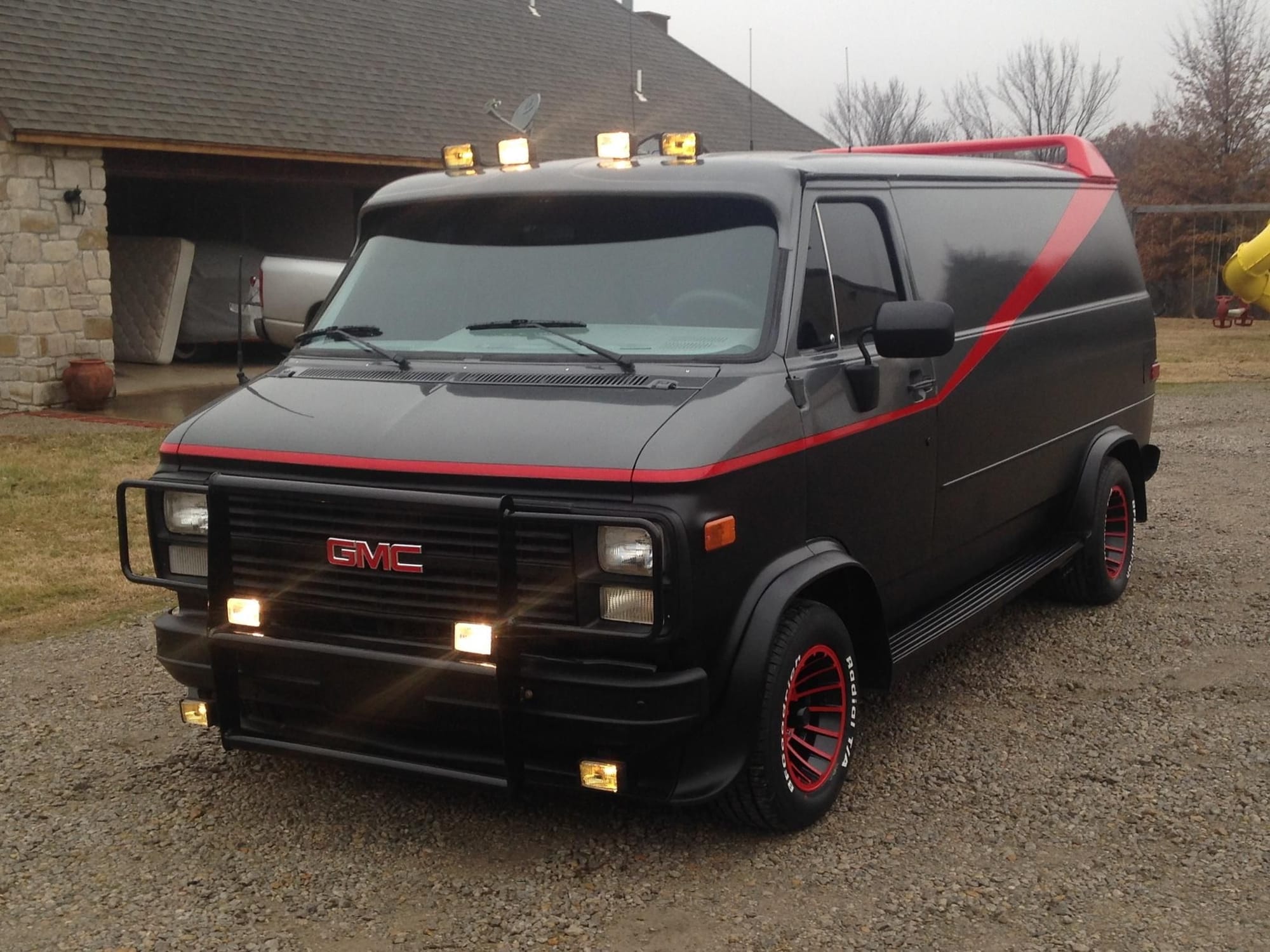
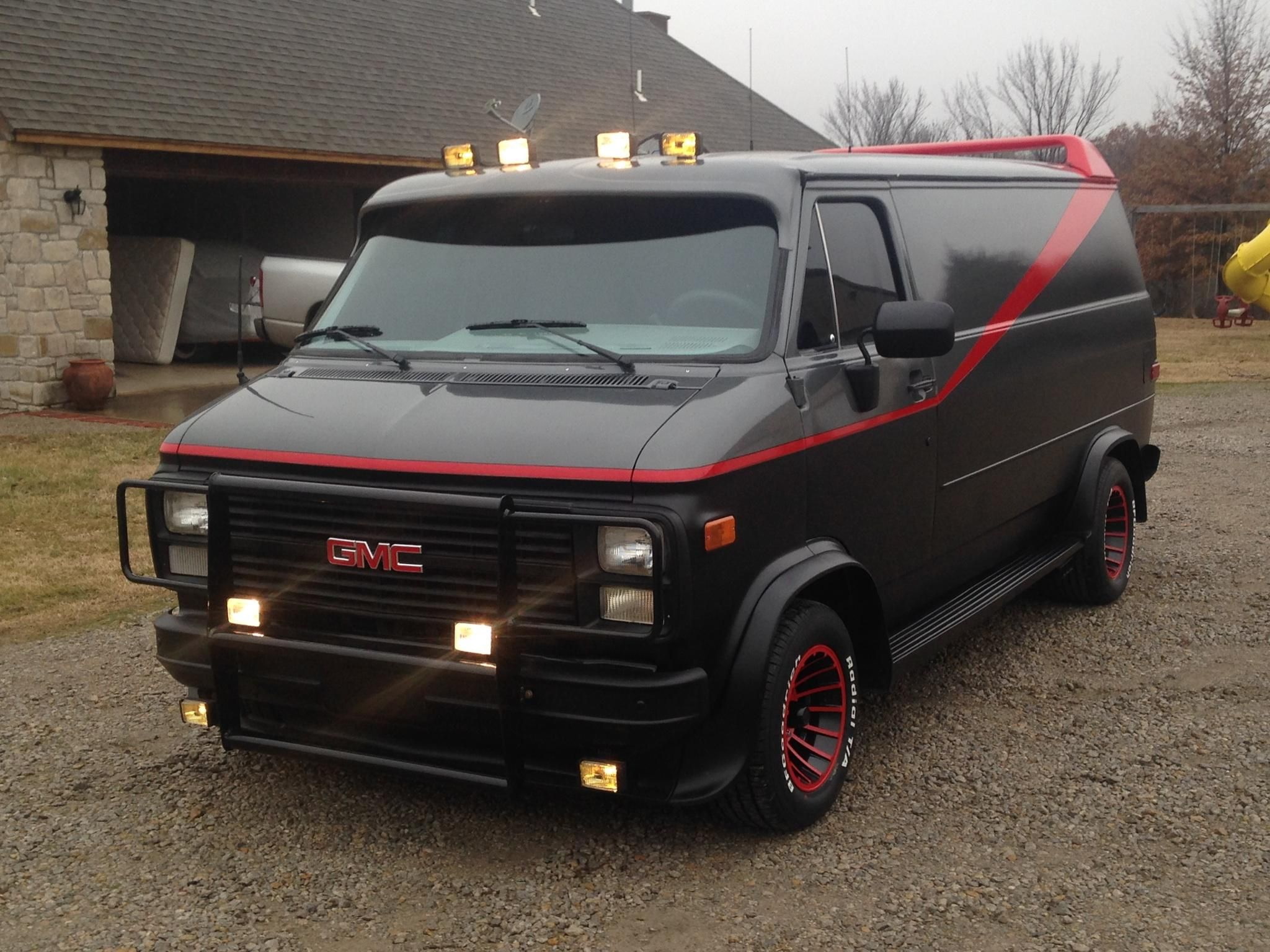
Minivans, despite often being stereotyped, consistently demonstrate superior practicality and interior volume compared to many SUVs. Their low floor height, expansive sliding doors, and adaptable seating configurations make them highly efficient "vehicle command centers" for families. This functionality contrasts sharply with the popular perception often driven by SUV marketing, which frequently emphasizes ruggedness and style over genuine utility. Historical context further supports the utility of vans; iconic vehicles like the A-Team van, celebrated for its versatility and capacity, were vans, not SUVs, underscoring a long-standing appreciation for the practical advantages offered by this vehicle segment.
The Electric Imperative: Beyond Hybrids
After seven years of service, the family station wagon reached the end of its practical lifespan. The initial consideration for its replacement leaned towards hybrid vehicles, a common stepping stone for environmentally conscious consumers or those in regions like California, where eco-friendly choices are increasingly normalized. However, a deeper exploration often reveals a desire for a more comprehensive solution than partial electrification offers. This "boil the sea" approach, characteristic of individuals seeking maximal impact, frequently leads to the direct adoption of fully electric vehicles (EVs), bypassing intermediate hybrid technologies.
The influential 2014 "Oatmeal" comic detailing the Tesla Model S played a significant role in elevating the public’s perception of EVs, transforming them from niche curiosities into aspirational "Intergalactic SpaceBoats of Light and Wonder." This widespread exposure sparked curiosity even among those with minimal prior interest in automobiles. Five years later, the concept of electric vehicles had matured sufficiently to move beyond the "bleeding edge" into the "leading edge," signaling a market readiness for broader adoption. This convergence of technological advancement and shifting public perception culminated in the acquisition of a 2019 Kia Niro EV, marking a significant personal transition for the individual from a car-agnostic stance to an ardent advocate for electric mobility.

This personal paradigm shift is representative of a larger trend: the transformative experience of driving an EV often converts skeptics into enthusiastic proponents. The qualitative differences between electric and gasoline-powered vehicles are so pronounced that they can fundamentally alter a driver’s worldview. The immediate torque, silent operation, and reduced maintenance inherent in EVs render traditional internal combustion engine (ICE) vehicles, with their complex mechanical systems and reliance on fossil fuels, increasingly "obsolete" in comparison. The experience of silent, smooth acceleration, coupled with the convenience of home charging, highlights the inherent advantages of electric propulsion and prompts a critical re-evaluation of why conventional gasoline vehicles dominated the market for so long.
The Historical Arc of Electric Vehicles
The rapid acceleration of EV adoption raises a crucial question: when did electric cars transition from an "expensive, experimental thing for crazy people" to a viable, even superior, alternative? The journey of electric vehicles is not a recent phenomenon; early electric cars existed in the late 19th and early 20th centuries, predating mass-produced gasoline cars. However, advancements in gasoline engine technology, coupled with the discovery of vast oil reserves and the efficiency of the assembly line, pushed electric vehicles to the sidelines for nearly a century.
The modern resurgence began with pioneering efforts like the General Motors EV1, produced between 1996 and 1999. Documentaries such as "Who Killed the Electric Car?" delve into its story, highlighting its innovative design and the fervent loyalty of its lessees. However, the EV1 faced insurmountable technological and economic hurdles. Early models relied on cumbersome lead-acid batteries, which offered limited range and added substantial weight. The estimated actual cost of manufacturing each EV1 was exceptionally high, ranging from $100,000 to $250,000, making mass commercialization unfeasible without significant subsidies. Despite its eventual withdrawal from the market, the EV1 served as a crucial, albeit premature, experiment that underscored both the potential and the challenges of electric mobility.
The true "revenge" of the electric car, as chronicled in the sequel documentary "Revenge of the Electric Car," began in the mid-2000s with the advent of viable Lithium-ion battery technology. This period saw the emergence of three highly influential early electric cars: the Nissan Leaf, the Chevrolet Volt, and the Tesla Roadster. The Nissan Leaf, launched in 2010, was one of the first mass-market all-electric vehicles, though initially limited by range. The Chevrolet Volt, introduced in 2010, offered a "range-extended electric vehicle" design, using a gasoline engine to generate electricity for the battery rather than directly powering the wheels, addressing range anxiety. The Tesla Roadster, launched in 2008, demonstrated that EVs could be high-performance, desirable vehicles, challenging the perception of electric cars as slow or unexciting. While each had its limitations—the Roadster’s high price point ($100,000+), the Leaf’s initial range constraints, and the Volt’s hybrid nature—they collectively laid the groundwork for the modern EV revolution by proving the viability of Lithium-ion power.
Market Dynamics and Affordability
Ten years after the debut of these foundational EVs, the market has matured considerably. Tesla’s Model 3, introduced in 2017, brought a compelling long-range EV closer to the mainstream price point, starting around $38,000. Similarly, vehicles like the 2019 Kia Niro EV, acquired for a comparable price, exemplify the growing accessibility of fully electric options. When factoring in national and state tax incentives and rebates, the effective purchase price for many consumers can drop significantly, often placing these EVs in direct competition with their gasoline-powered counterparts in terms of initial cost.
Beyond the sticker price, the total cost of ownership (TCO) for EVs has become increasingly competitive, if not superior, to ICE vehicles. Studies consistently show that EVs generally incur lower fuel costs (electricity versus gasoline), reduced maintenance expenses due to fewer moving parts, and often qualify for various tax benefits and incentives. For instance, the cost of electricity per mile is typically lower than gasoline, and the absence of oil changes, spark plug replacements, and complex exhaust systems significantly reduces service needs. Data from organizations like Corporate Knights and Bloomberg New Energy Finance illustrate that, by 2019, many EVs were already demonstrating TCO parity or advantage over comparable gasoline vehicles, a trend that continues to strengthen.

Technological Advancements and Infrastructure Growth
The dramatic improvement in battery technology has been the primary driver of this transformation. Lithium-ion batteries have seen exponential improvements in energy density, allowing for greater range in smaller, lighter packages, while simultaneously experiencing significant cost reductions. According to BloombergNEF, battery pack prices have fallen by over 89% in the last decade, from over $1,100 per kWh in 2010 to around $132 per kWh in 2021, and are projected to continue dropping. This cost reduction directly translates to more affordable EVs and longer ranges.
Alongside battery advancements, the expansion of charging infrastructure has been critical. The availability of Level 2 home chargers (like the one depicted, offering faster charging than standard wall outlets) and a growing network of public DC fast chargers alleviate "range anxiety," a primary concern for early EV adopters. Governments and private companies worldwide are investing heavily in charging networks, making long-distance travel in an EV increasingly feasible.
The Broader Impact and Future Outlook
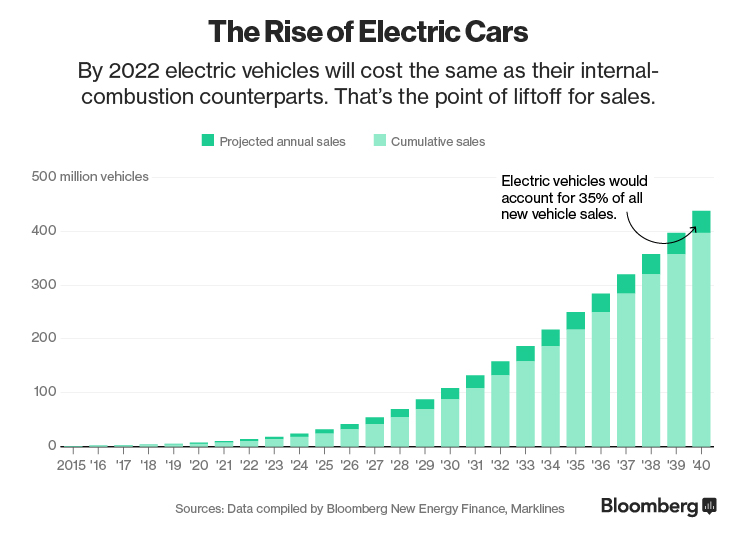
The implications of this shift extend far beyond individual vehicle choices. Environmentally, the widespread adoption of EVs is crucial for reducing greenhouse gas emissions and improving urban air quality. While the environmental footprint of electricity generation varies by region, the overall lifecycle emissions of EVs are generally lower than ICE vehicles, especially as renewable energy sources become more prevalent. Economically, the transition supports new industries, creates jobs in battery manufacturing and charging infrastructure development, and reduces reliance on volatile global oil markets, enhancing energy independence for many nations.
Societally, EVs are influencing urban planning and daily routines. The convenience of "fueling" at home overnight, the quietness of electric motors reducing noise pollution in cities, and the integration of smart charging into future energy grids are all reshaping how people interact with their transportation and their environment.
Despite the clear trend, challenges remain. The demand for raw materials like lithium, cobalt, and nickel for batteries requires responsible sourcing and recycling initiatives. The robustness of the electric grid needs to be continually upgraded to handle increased load, and charging infrastructure must expand further to support universal adoption. However, these challenges are being actively addressed by innovation and investment across the automotive, energy, and policy sectors.
The data and ongoing market trends unequivocally point to a future dominated by electric vehicles. The transition from internal combustion to electric propulsion represents not just a technological upgrade but a fundamental reimagining of personal mobility. For individuals and industries alike, the trajectory is clear, supported by continuous innovation, increasing affordability, and a growing understanding of environmental imperatives. The future of personal transportation is not merely electric; it is demonstrably superior, inexorably driving towards a more sustainable and efficient paradigm.
About the Author







