
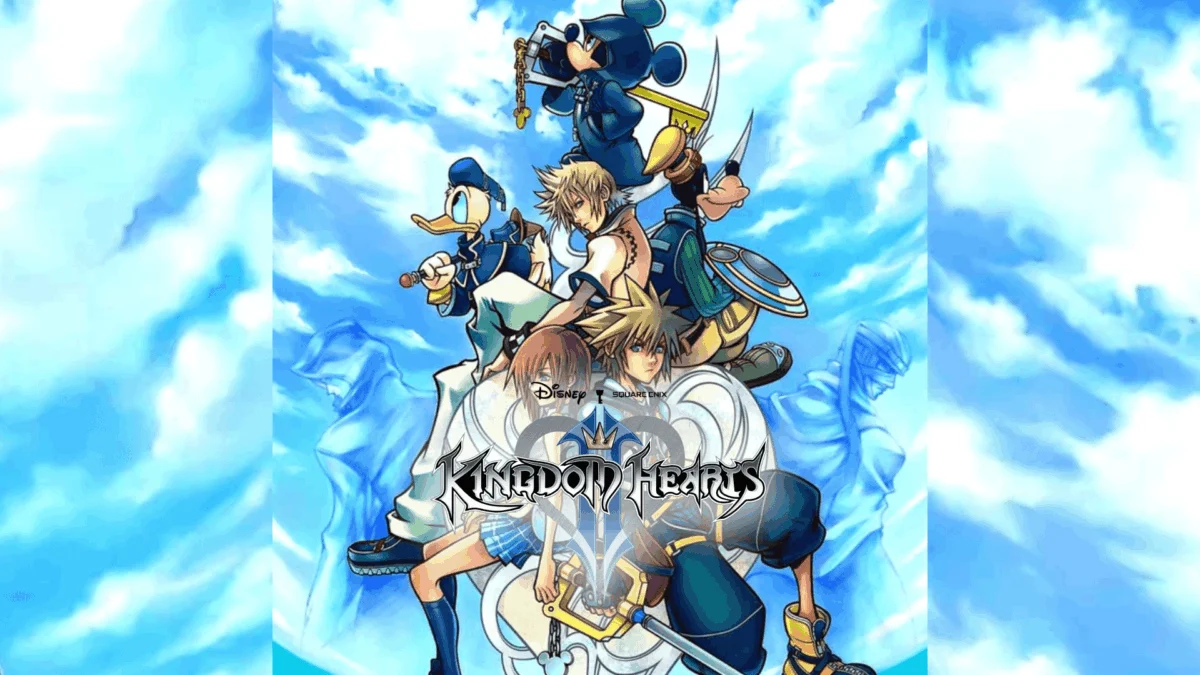
What began as an audacious elevator pitch between Square Enix and Disney executives in the early 2000s has evolved into one of the most celebrated and commercially successful video game franchises, currently seeing its collections top the US Switch 2 charts. Central to this enduring appeal is Kingdom Hearts II, a 2005 action RPG that many fans and critics regard as a pinnacle for the series, lauded for its spectacular gameplay, profound characters, and a narrative rich with humor, heartbreak, and surprising philosophical depth. The game’s dialogue, crafted by adept narrative designers, established a tone that resonates deeply with players, contributing to its status as one of gaming’s most quoted titles. This narrative sophistication, coupled with innovative gameplay, set the stage for Kingdom Hearts II to become a landmark title, exploring complex themes that continue to captivate audiences nearly two decades after its initial release.
The Genesis of a Crossover Phenomenon
The conceptualization of Kingdom Hearts itself is a remarkable chapter in video game history. Following an informal conversation between Square Enix producer Shinji Hashimoto and a Disney executive in an elevator, the idea of combining the distinct universes of Square Enix’s Final Fantasy series with Disney’s iconic characters began to take shape. This audacious proposal, initially met with skepticism, was nurtured by director Tetsuya Nomura, who envisioned a unique narrative framework that could seamlessly integrate these disparate worlds. The first Kingdom Hearts game, released in 2002 for the PlayStation 2, proved the viability and immense potential of this ambitious crossover, delivering a compelling story, innovative gameplay, and an unprecedented blend of familiar and original characters. Its critical and commercial success laid the groundwork for a burgeoning franchise, demonstrating that the fusion of high-fantasy RPG mechanics with beloved Disney magic could create something truly special.
The period between the original Kingdom Hearts and Kingdom Hearts II saw the release of Kingdom Hearts: Chain of Memories in 2004 for the Game Boy Advance. This interquel, while distinct in its card-based combat system, was crucial for bridging the narrative gap and introducing pivotal characters and concepts, particularly focusing on Roxas and Organization XIII. This meticulous narrative planning ensured that Kingdom Hearts II would not only build upon its predecessor’s foundation but also expand the lore significantly, delving into more complex emotional and existential questions.
The Narrative Arc of Kingdom Hearts II
Kingdom Hearts II commences with an enigmatic prologue, placing players in the shoes of Roxas, a mysterious character living an ordinary summer vacation in Twilight Town. This initial segment, rich with poignant moments and an undercurrent of melancholic mystery, serves to establish his connection to Sora, the primary protagonist. Upon Sora’s reawakening, accompanied by his faithful companions Donald Duck and Goofy, their quest to locate Riku and King Mickey unfolds across a vibrant tapestry of Disney and original worlds. Throughout their journey, they are drawn into a deepening conflict with Organization XIII, a shadowy group of Nobodies seeking to collect hearts for their enigmatic objectives, ultimately threatening the balance of all worlds.
The story, even with two preceding titles, masterfully manages to evoke awe and wonder in players, blending the iconic Disney-RPG crossover elements with significant enhancements. The game introduced bigger combos, flashier magic, and numerous iconic cameos, all contributing to a standout adventure. However, beyond the immediate spectacle, Kingdom Hearts II profoundly pushes the experience into more emotionally charged territory. Players encounter dialogues that are at times borderline melancholic, yet they serve a crucial purpose: forcing engagement with deeper philosophical themes. Questions of identity, purpose, friendship, and loss are explored with remarkable nuance. What defines an individual? What does it truly mean to possess a heart? These inquiries permeate the narrative, giving weight to every encounter and conversation. For all its vibrant battles and colorful settings, Kingdom Hearts II is ultimately more concerned with these heavier, introspective ideas, and this profound thematic exploration is consistently communicated through its meticulously crafted dialogue.
Evolution in Gameplay and Design
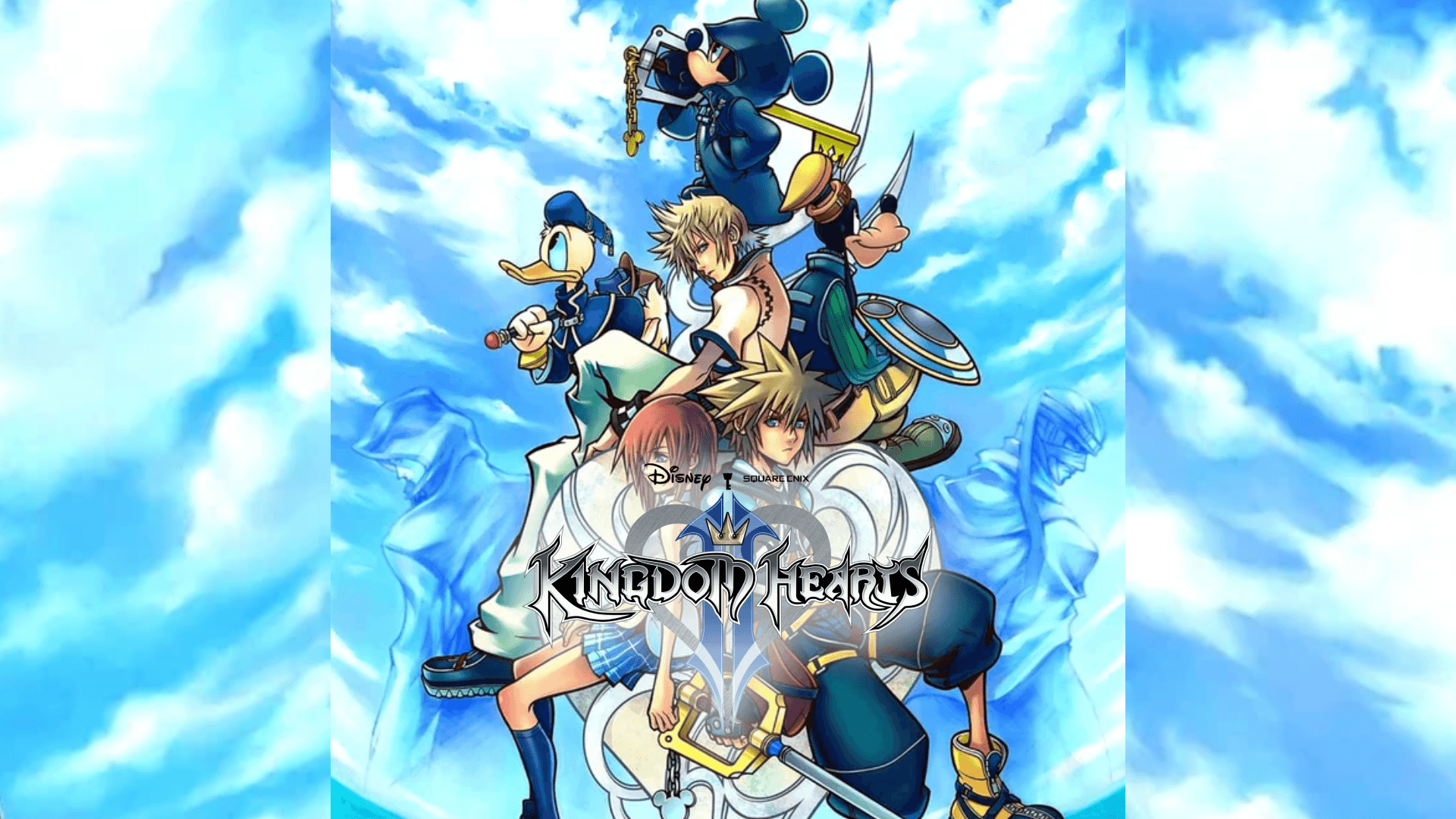
Upon its release, Kingdom Hearts II was immediately recognized for its significant advancements in gameplay. Building upon the foundational combat system of its predecessor, the sequel introduced a more fluid, action-oriented experience. The "Reaction Command" system, context-sensitive prompts that allowed for spectacular cinematic attacks and defensive maneuvers, added a layer of dynamic engagement to battles. The "Drive Forms" mechanic provided Sora with temporary transformations, granting him enhanced abilities and a heightened sense of power, further diversifying combat strategies. These innovations, combined with refined magic systems and a broader array of Keyblades, contributed to a combat experience that felt both accessible and deeply rewarding.
Visually, Kingdom Hearts II pushed the capabilities of the PlayStation 2, presenting stunningly rendered Disney worlds and original environments. The character models were more detailed, animations more fluid, and the overall art direction maintained the series’ signature blend of whimsical fantasy and dramatic gravitas. The soundtrack, composed by Yoko Shimomura, continued to be a highlight, featuring memorable original pieces alongside beautifully orchestrated renditions of classic Disney themes, perfectly underscoring the game’s emotional highs and lows.
Critical Acclaim and Commercial Success
Kingdom Hearts II was met with widespread critical acclaim upon its release. Review aggregators such as Metacritic report an average score of 87/100, indicating "generally favorable reviews." Critics lauded its improved gameplay mechanics, engaging narrative, and the seamless integration of Disney and Final Fantasy elements. Publications praised the game’s emotional depth, the development of its characters, and the sheer scope of its adventure. The game’s intricate storyline, while at times complex, was often cited as a testament to the developers’ ambition and ability to craft a truly unique mythology.
Commercially, Kingdom Hearts II was an immense success. It sold over one million copies in its first week in Japan and went on to sell over 4.26 million copies worldwide by March 2007, solidifying its position as one of the best-selling PlayStation 2 titles. This commercial triumph underscored the burgeoning global appeal of the Kingdom Hearts franchise and demonstrated a strong demand for its distinctive blend of action-RPG gameplay and heartfelt storytelling. The success of Kingdom Hearts II not only ensured the continuation of the series but also cemented Square Enix’s reputation for delivering high-quality, narrative-driven RPG experiences.
Key Characters and Their Enduring Voices
The characters of Kingdom Hearts II are central to its lasting appeal, with their dialogues frequently cited for their ability to evoke strong emotional responses or succinctly capture their distinct personalities.
Sora, the series’ main protagonist, embodies the quintessential hero. A Keyblade wielder from the Destiny Islands, his core priorities remain steadfast: bravery, unwavering optimism, profound loyalty, and a readiness to confront any risk for those he cherishes. His dialogue consistently reflects these traits, often revolving around his willingness to sacrifice for his friends and his unyielding belief in the power of connection. His lines frequently convey a simple yet powerful message of hope and determination, even in the face of overwhelming darkness, making him a relatable and inspiring figure.
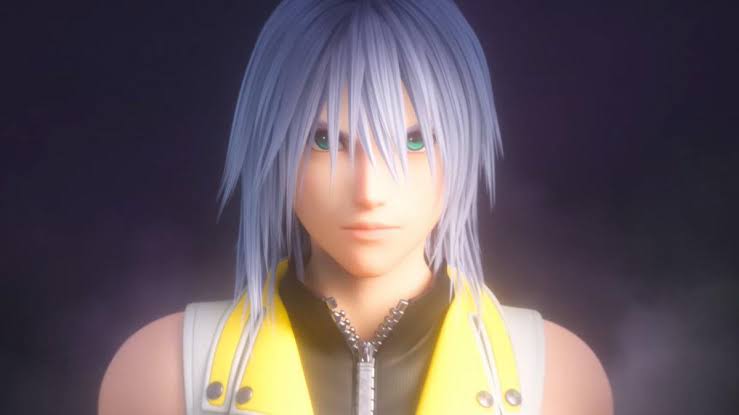
Riku, Sora’s lifelong friend and once rival, returns in Kingdom Hearts II as a more mature and complex character. Having grappled with the allure of darkness in earlier installments, Riku’s arc in Kingdom Hearts II is one of profound redemption and self-sacrifice. His demeanor is calm and collected, yet he is always prepared to endanger himself to protect others. His dialogue often carries the weight of past mistakes and a newfound wisdom, reflecting his journey from arrogance to humility and his deep understanding of the delicate balance between light and shadow. His expressions are often understated but carry immense emotional resonance, highlighting his inner conflict and his quiet resolve.
Roxas, despite his brief but pivotal appearance in Kingdom Hearts II, leaves an indelible mark. As the Nobody of Sora, his existence is intrinsically linked to the protagonist’s, and his struggle for identity forms a significant emotional cornerstone of the game’s opening. Characterized by an aggressive, blunt, and confident demeanor, Roxas is less impulsive than his original self, driven by a desperate search for belonging and meaning. His dialogue is often infused with a sense of longing and frustration, articulating the existential plight of a being searching for a heart he believes he lacks, making his story arc one of the most poignant and memorable in the series.
Beyond these central figures, the supporting cast, including Donald Duck, Goofy, King Mickey, and the enigmatic members of Organization XIII, contribute significantly to the game’s rich tapestry of dialogue. Donald’s characteristic impatience and Goofy’s unwavering optimism provide moments of levity, while King Mickey’s wisdom and courage anchor the narrative. The members of Organization XIII, with their philosophical musings on existence, hearts, and Nobodies, introduce complex moral and existential dilemmas, pushing the boundaries of what a Disney-infused game typically explores. Their cold, calculated lines often serve as a stark contrast to the heroes’ warmth, deepening the thematic explorations.
Thematic Depth Beyond the Spectacle
Kingdom Hearts II is not merely a collection of flashy battles and colorful settings; it is a profound exploration of complex human (and non-human) experiences. The game masterfully blends moments of lighthearted humor with unexpected emotional gravitas. The seamless integration of whimsical Disney characters like Donald Duck and Goofy alongside a teenager wielding a giant key, all contributing to a touching and often melancholic story, is a testament to the game’s unique narrative strength. The dialogue, whether funny, heartbreaking, or surprisingly serious, serves to underscore the series’ core themes.
The recurring motifs of friendship, memory, identity, and the nature of the "heart" are not abstract concepts but are woven into the very fabric of the characters’ interactions. The conversations force players to confront philosophical questions about what it means to exist, to have emotions, and to be connected to others. This delicate balance between action-packed adventure and deep emotional introspection is one of the many factors contributing to the game’s remarkable staying power and its continued resonance with new generations of players as the franchise maintains its presence on current gaming charts.
Lasting Legacy and Future Implications
The enduring success of Kingdom Hearts II has had a significant impact on the gaming landscape. It solidified the Kingdom Hearts franchise as a major player in the action-RPG genre, demonstrating the commercial and artistic viability of ambitious crossover projects. Its narrative complexity and emotional depth set a high bar for storytelling in video games, proving that even a game featuring beloved cartoon characters could tackle profound philosophical questions.
The game’s legacy is evident not only in its continued critical praise and commercial success but also in its influence on subsequent titles in the series and other developers. It showcased how to evolve a beloved franchise while maintaining its core identity, introducing new mechanics and narrative elements without alienating its dedicated fanbase. As Kingdom Hearts collections continue to perform strongly on modern platforms like the Nintendo Switch, it underscores the timeless appeal of Kingdom Hearts II‘s unique blend of heartfelt narrative, engaging gameplay, and unforgettable characters, ensuring its place as a seminal work in video game history.
About the Author






