

The acquisition of Twitter by Elon Musk in October 2022 marked a pivotal moment in the history of social media, initiating a period of profound transformation that has led many long-time users and observers to declare the platform’s original iteration effectively "destroyed." This dramatic shift, characterized by rapid policy changes, significant operational restructuring, and a controversial rebranding to X, has ignited a broader debate about the nature of online public squares and the imperative for decentralized digital services. Critics argue that Musk’s leadership has undermined the platform’s utility as a global communication hub, leading to a significant exodus of users and advertisers, and fostering an environment less conducive to healthy public discourse.
The Acquisition and Musk’s Vision for "X, the Everything App"
Elon Musk’s tumultuous acquisition of Twitter for approximately $44 billion culminated on October 27, 2022. From the outset, Musk articulated an ambitious, albeit often vague, vision for the platform. He proclaimed himself a "free speech absolutist" and expressed a desire to transform Twitter into "X, the everything app," drawing parallels to China’s WeChat, which integrates social networking, messaging, payments, and various other services. His stated goal was to unlock Twitter’s "tremendous potential" and ensure it served as an "inclusive town square for digital civilization." However, these aspirations quickly collided with the operational realities and complexities of running a global social media platform.

A Chronology of Rapid and Controversial Changes
The period following the acquisition was marked by a flurry of rapid and often controversial decisions that fundamentally altered Twitter’s structure, policies, and culture.
October 2022:
- Mass Layoffs: Within days of taking over, Musk initiated widespread layoffs, reportedly reducing Twitter’s workforce by approximately 50%, including critical teams responsible for content moderation, engineering, and trust and safety. This move raised immediate concerns about the platform’s ability to combat misinformation and hate speech effectively.
- "Twitter Blue" Relaunch: The paid verification service, Twitter Blue, was relaunched, allowing anyone to purchase a blue checkmark, previously reserved for verified notable accounts. This led to widespread impersonation and confusion, forcing a temporary pause and subsequent re-evaluation of the system.
November 2022:

- Content Moderation Policy Shifts: Musk reinstated several previously banned accounts, including that of former U.S. President Donald Trump, citing a user poll. This decision was met with alarm by civil rights organizations and many advertisers, who feared a weakening of content moderation standards and a potential surge in harmful content.
- "Chief Twit" Era: Musk temporarily assumed the role of CEO, frequently communicating policy changes and company decisions directly via tweets, often in a capricious manner that further destabilized the platform.
December 2022 – Mid-2023:
- Journalist Suspensions: Several prominent journalists covering Musk and Twitter were temporarily suspended, sparking accusations of censorship and undermining Musk’s "free speech" claims.
- API Changes: Significant changes to Twitter’s API (Application Programming Interface) effectively cut off many third-party clients and researchers, limiting access to public data and hindering academic studies of the platform.
- Rate Limits and Data Scraping Concerns: In July 2023, the platform introduced controversial "rate limits" on how many posts users could view daily, ostensibly to combat "extreme levels of data scraping." This move severely impacted user experience and accessibility.
- Rebranding to X: In July 2023, Musk officially rebranded Twitter to "X," replacing the iconic blue bird logo with a stylized ‘X’. This decision, made without significant user consultation, further alienated long-time users and signaled a definitive break from the platform’s original identity. The rebranding extended to the platform’s URL, with ‘X.com’ becoming the primary domain.
The Impact: User Exodus, Advertiser Retreat, and Content Quality Concerns
The rapid and often chaotic changes under Musk’s leadership have had demonstrable impacts on X’s user base, advertising revenue, and overall content environment.
User Migration: While exact figures are difficult to obtain, anecdotal evidence and reports from alternative platforms suggest a significant migration of users away from X. Platforms like Mastodon, Bluesky, and Threads (Meta’s Twitter competitor, launched in July 2023) experienced surges in new registrations following key Musk decisions. Mastodon, an open-source, federated social network, reported reaching 1.8 million monthly active users by January 2023, a substantial increase from pre-acquisition levels. Users cited concerns over content moderation, the rise of hate speech, technical instability, and the general direction of the platform as reasons for their departure. Data analytics firms like Sensor Tower indicated a decline in X’s daily active users in the months following the acquisition.
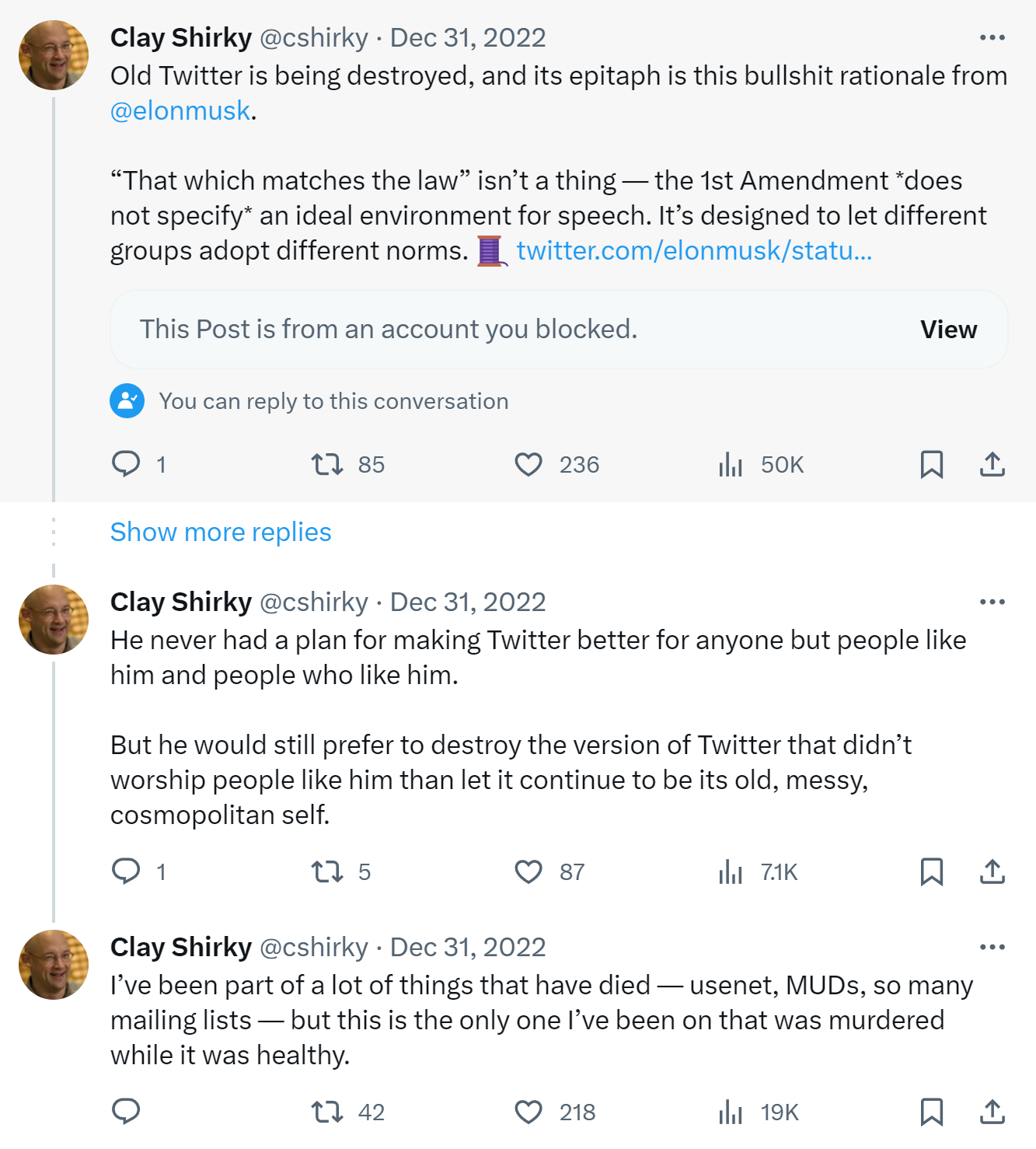
Advertiser Retreat: Perhaps the most significant financial blow to X has been the exodus of advertisers. Major brands, wary of the platform’s evolving content moderation policies and concerns about brand safety amidst a perceived increase in controversial content, significantly reduced or entirely paused their advertising spending. Reports indicated a steep decline in advertising revenue, with some estimates suggesting a drop of over 50% in the initial months after Musk’s takeover. This financial pressure led Musk to explore alternative revenue streams, such as the revamped Twitter Blue subscription service and a focus on e-commerce functionalities as part of the "everything app" vision, but these have yet to fully offset the advertising losses.
Content Quality and Discourse: Many observers and former users have expressed concerns about a perceived degradation in the quality of discourse and an increase in harassment, misinformation, and hate speech on X. Changes to content moderation teams and policies, coupled with the "free speech absolutism" stance, are widely cited as contributing factors. Civil society groups, including the Anti-Defamation League (ADL), have published reports detailing a rise in antisemitic and other forms of hate speech on the platform. The ability for anyone to purchase a blue checkmark also complicated efforts to distinguish credible sources from impersonators, particularly during breaking news events.
The Philosophical Debate: Centralization vs. Decentralization
The turmoil at X has reignited a long-standing debate within the tech community and among digital rights advocates: the inherent dangers of centralized platforms controlled by a single entity versus the potential of decentralized alternatives.
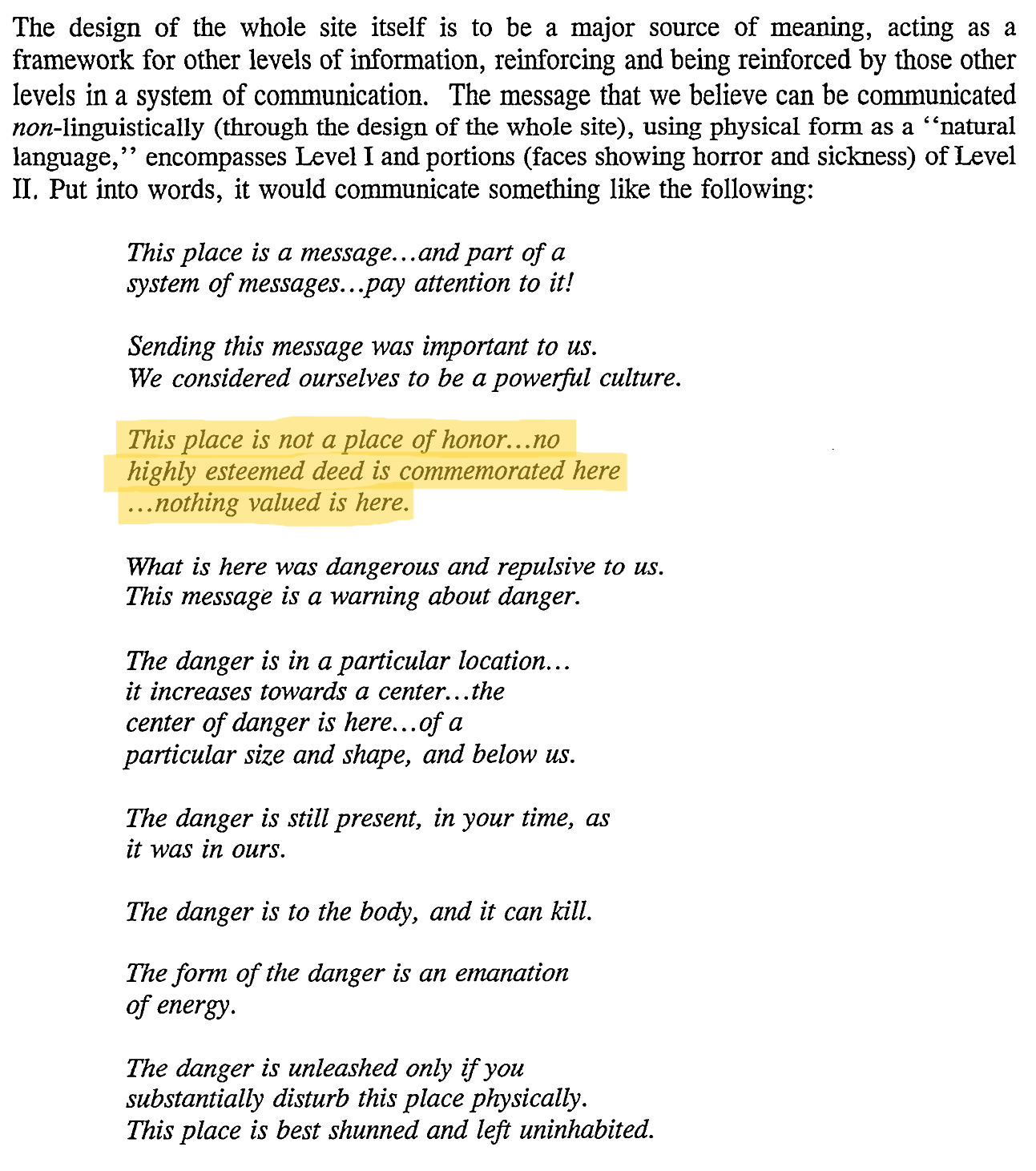
The "King" Problem: Critics like Jeff Atwood, co-founder of Discourse and a long-time observer of online communities, and writer Paul Ford, argue that placing control of a vital public square in the hands of a single individual, regardless of their intentions, is inherently problematic. Ford’s widely cited analogy, referenced by Atwood, suggests that humans are designed for smaller, more intimate social groups, and attempts to gather "everyone together in one big room" inevitably lead to disaster. He posits that a centralized hub, often preached by "smarter, richer betters," mimics the biblical Tower of Babel, destined to fail due to scaling issues and the concentration of power. Atwood extends this, likening the situation to a "dictator" or "tyrant" who can arbitrarily alter rules, pull content, or transform a beloved community space into something unrecognizable. The concern is that users become "digital sharecroppers," investing their time and content into platforms over which they have no real ownership or control, making them vulnerable to the whims of the platform owner.
The Case for Decentralization: Proponents of decentralization argue for distributed networks where control is not vested in a single authority. This model emphasizes user empowerment, data ownership, and resilience against single points of failure or censorship.
- Mastodon and the Fediverse: Mastodon, an open-source, federated social network, is often presented as a leading example of a decentralized alternative. Instead of a single company hosting all data, Mastodon consists of thousands of independent servers (instances) run by individuals or organizations. These instances can communicate with each other, forming a "fediverse" (federated universe). Users choose an instance to join, giving them more control over their community’s rules and moderation, while still being able to interact with users on other instances. This architecture makes it far more difficult for any single entity to exert autocratic control over the entire network.
- Collective Ownership and User Control: Projects like Discourse, co-founded by Jeff Atwood, embody the philosophy of collective ownership and user control over online communities. Discourse aims to empower users and community moderators with robust tools, contrasting sharply with the "exploit users" model often attributed to large, centralized social media giants. This approach emphasizes building sustainable, self-governing communities rather than treating users as mere data points for advertising revenue.
Broader Implications for Digital Public Spheres
The transformation of Twitter into X has significant broader implications for the future of digital public spheres and the health of online discourse.
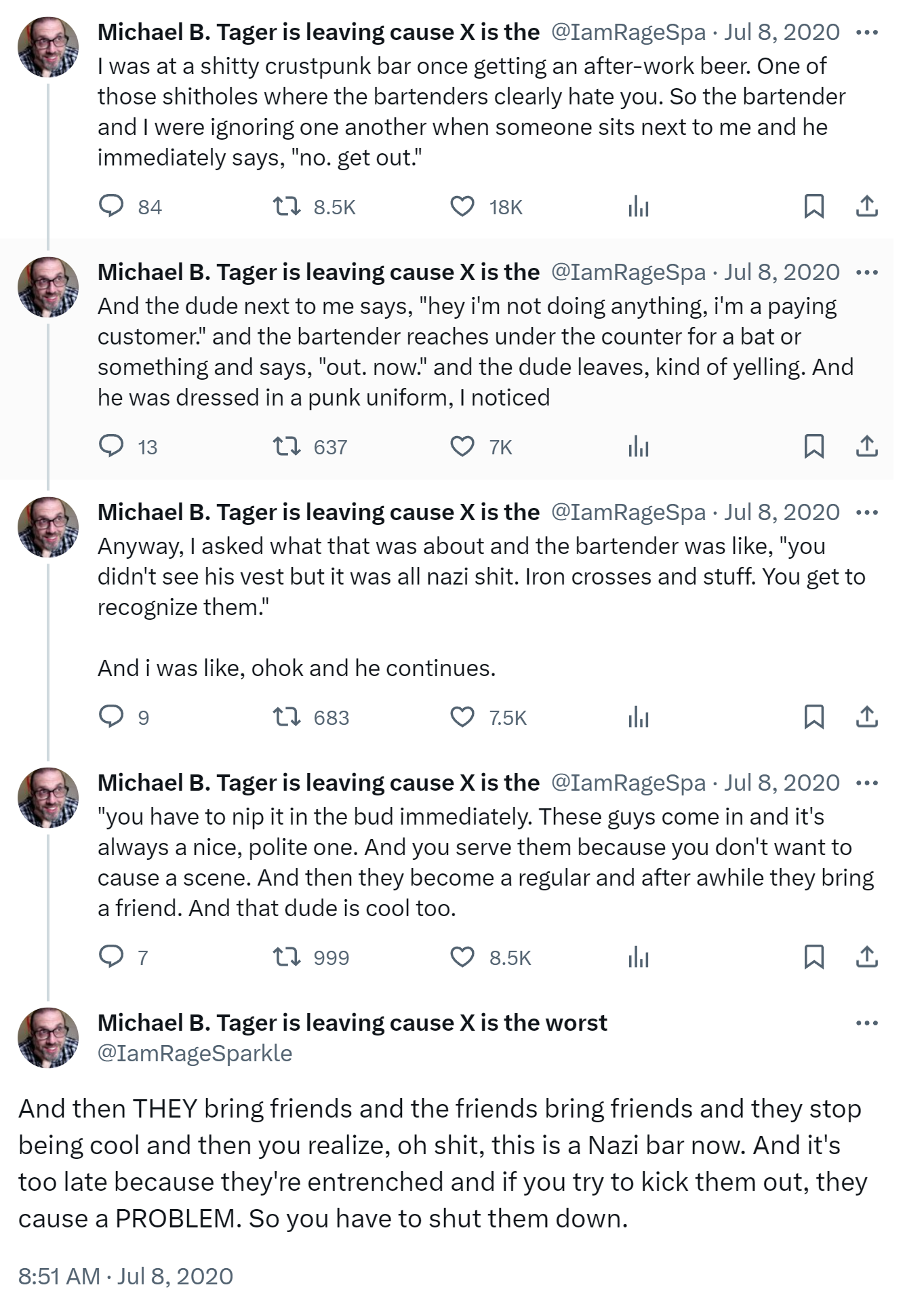
The Fragility of Centralized Power: The events at X serve as a stark reminder of the fragility of centralized digital spaces. When a platform becomes a primary conduit for news, political debate, and cultural exchange, its stability and governance become matters of public interest. The abrupt changes under Musk highlighted how quickly such a vital resource can be destabilized when controlled by a single, unpredictable entity.
Redefining "Free Speech": Musk’s "free speech absolutism" has sparked renewed debate about the definition and limits of free speech in the digital age. Critics argue that unchecked speech can lead to the amplification of hate speech, harassment, and misinformation, ultimately stifling the voices of marginalized groups and undermining constructive dialogue. The experience of X suggests that a pure "absolutist" approach, without robust content moderation, can degrade the quality of the public square rather than enhance it.
The Search for Alternatives: The post-Twitter landscape has spurred a renewed interest in and investment in alternative social media models. This includes not only federated platforms like Mastodon but also blockchain-based social networks and other innovative approaches that seek to redistribute power and ownership to users. The drive to find platforms that are more resilient, transparent, and aligned with user interests is likely to accelerate.
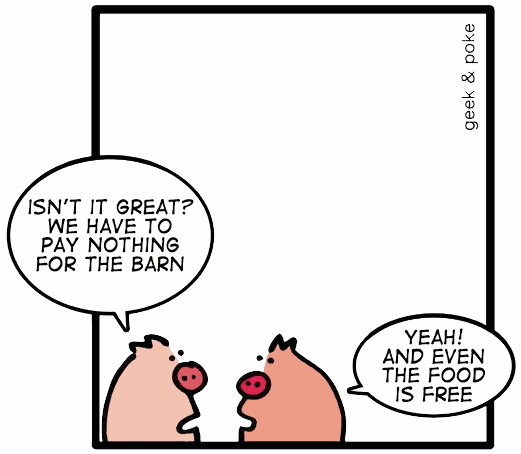
The Cost of "Free" Services: The ongoing saga also underscores the argument that "free" online services are rarely without a cost. Users of centralized platforms often pay with their data, their attention, and their vulnerability to platform policy changes. The call for decentralized, potentially subscription-based or collectively funded, alternatives highlights a growing recognition that investing in platforms that align with user values and provide genuine control may be a more sustainable path for healthy online communities.
Conclusion and a Call to Action
The evolution of Twitter into X under Elon Musk has undeniably reshaped the social media landscape. For many, the platform that once served as an indispensable global town square has been fundamentally altered, prompting a re-evaluation of its role and utility. The experience has served as a potent demonstration of the risks associated with highly centralized digital platforms and has invigorated the movement towards decentralized, user-controlled alternatives.
Advocates like Jeff Atwood explicitly urge users to disavow X, arguing that engaging with the platform only feeds the attention it thrives on, to the detriment of mental health and societal discourse. Instead, they champion the exploration of open-source, federated alternatives such as Mastodon, or indeed "any other platform" that empowers users and fosters healthier communities. This shift, while potentially "messy" and requiring more active engagement, is presented not merely as an option but as an "imperative" and the "only survivable long term path forward" for digital communication. The ongoing auction of commemorative plaques, benefiting The Trevor Project, symbolizes a poignant farewell to the old Twitter and a symbolic middle finger to the new regime, reinforcing the belief that the future of online interaction lies beyond the whims of any single digital monarch.
About the Author







